
TL;DR
- Essential tools unlock automatically during your first week through story events
- Saturday bazaar sales are crucial for market upgrades and progression
- Use barrel shortcuts for efficient town navigation and time management
- Prepare honey cakes before Spring 21 for maximum relationship boosts
- Process resources continuously in windmills for higher-value products
Prepare yourself for the vibrant Saturday market experience that defines this farming adventure
Story of Seasons: Grand Bazaar represents a comprehensive modernization of the beloved classic Harvest Moon DS: Grand Bazaar, bringing nostalgic farm-simulation gameplay to contemporary audiences. Developed by Marvelous, Inc., the original creators, this remake introduces numerous quality-of-life enhancements alongside a visually refreshed aesthetic that honors the series’ heritage while embracing modern gaming standards.
This guide delivers crucial insights for Story of Seasons: Grand Bazaar, addressing common early-game questions and sharing strategic knowledge that significantly accelerates your farming proficiency and economic growth.
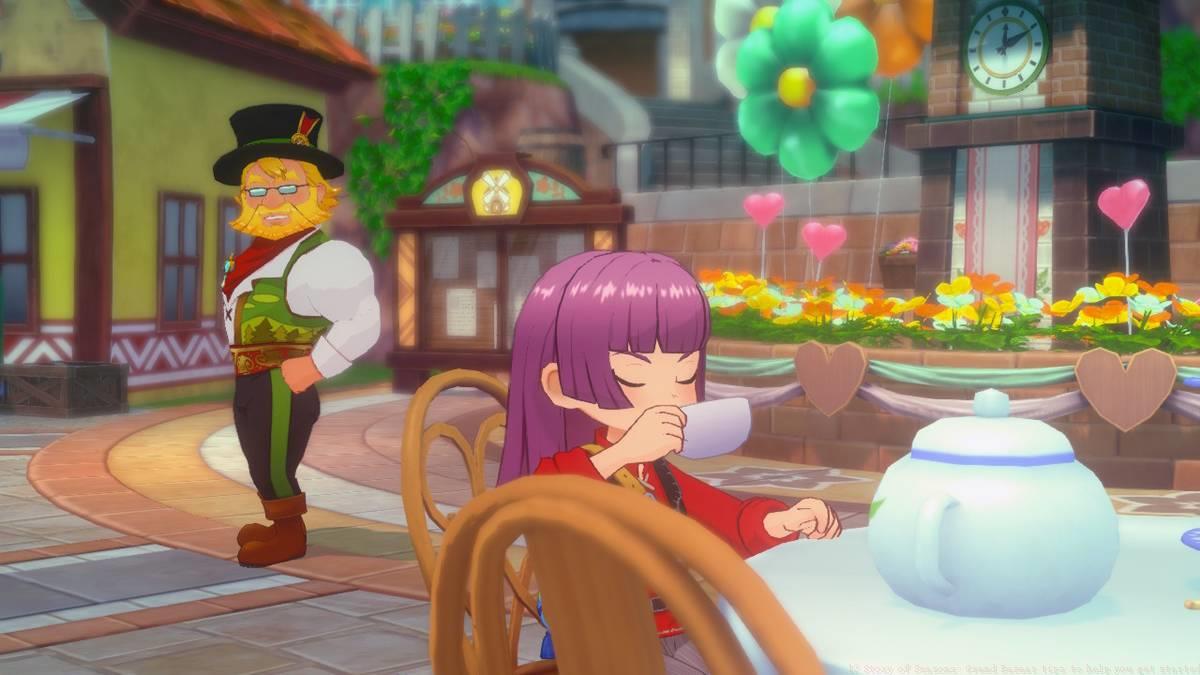
New players frequently wonder about accessing fishing rods and pickaxes when encountering rivers and mineral deposits early in their adventure. These essential implements distribute automatically through mandatory narrative sequences occurring within your initial spring week. The game ensures you cannot miss these critical tool acquisition events, so patience during the opening days proves valuable.
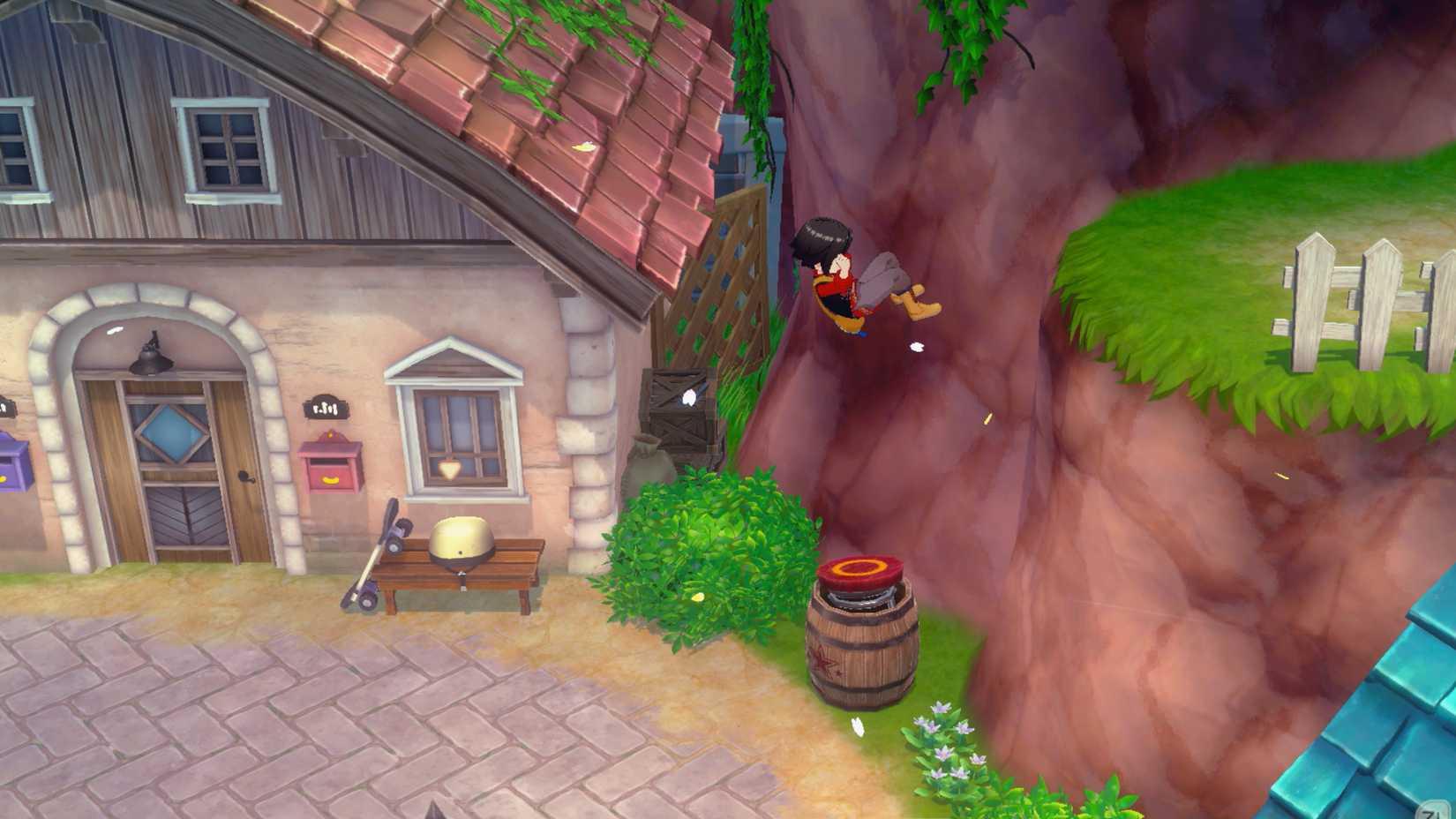
Image: Marvelous Inc./XSEED Games via Polygon
Strategic navigation through the town environment dramatically improves daily efficiency. The barrel jumping mechanics provide vertical mobility options that bypass conventional pathways, enabling rapid transit between districts. This movement system proves particularly advantageous during time-sensitive scenarios like Saturday market preparations or special event participation where every minute counts toward successful completion.
Daily stamina management represents another critical success factor. After completing morning agricultural responsibilities—including crop irrigation and livestock care—the residential bathing facility restores approximately 50% of expended energy at the cost of 30 in-game minutes. This regeneration opportunity enables extended exploration, fishing expeditions, and resource gathering sessions that would otherwise deplete your character’s vitality completely.
Veterans of agricultural simulation games often search instinctively for shipping containers to dispatch their produced goods. Story of Seasons: Grand Bazaar revolutionizes this convention by centering its economic system around the weekly marketplace event. While emergency sales to Miguel at the town shop remain possible during business hours, primary revenue generation occurs through Saturday bazaar participation.
The marketplace undergoes progressive enhancements contingent upon achieving specific revenue milestones exclusively through Saturday sales. This design necessitates strategic product allocation between immediate financial needs and long-term market development. Miguel’s shop offers liquidity solutions for urgent monetary requirements but cannot substitute for bazaar participation in overall progression.
Understanding the commercial calendar proves equally important. The town shop observes consistent weekly closures on Fridays, with limited Saturday availability that conflicts with market preparations. Financial planning should accommodate this schedule, prioritizing bazaar-ready product accumulation throughout the week while reserving emergency sales for genuine necessities.
Windmill operations introduce another economic dimension through value-added production. Continuous processing of raw materials into refined goods maximizes Saturday sales potential. Establishing production pipelines for flour, textiles, and other processed items before market day ensures diversified stall offerings that attract premium pricing and customer satisfaction.
Market stall strategy demands careful product selection and presentation. Bringing assorted item categories—including crops, artisan goods, foraged items, and manufactured products—creates cross-selling opportunities and customer diversity. Advanced players should monitor customer preferences and adjust their product mix accordingly for optimal revenue generation.
Mission interpretation requires careful attention to detail, as objective icons sometimes misrepresent actual requirements. Certain tasks demand specific item categories—floral arrangements, coloring agents, or fragrances—without restricting particular variants within those groups. Critical distinction exists between “wild flowers” and cultivated blossoms, with only the latter qualifying for certain missions despite visual similarities in interface indicators.
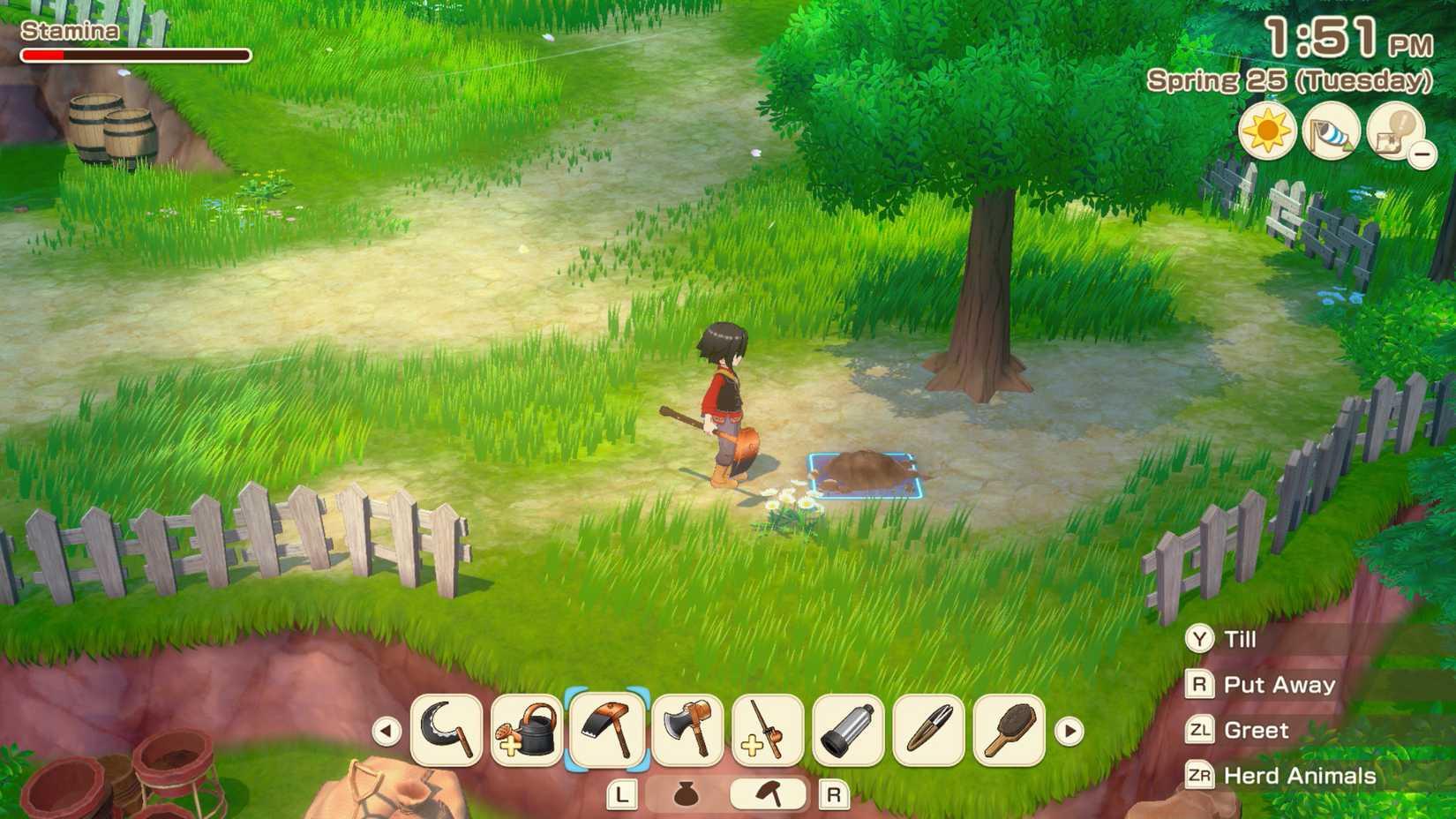
Image: Marvelous Inc./XSEED Games via Polygon
Environmental interaction reveals hidden opportunities throughout the game world. The hoe tool uncovers valuable resources from distinctive soil patches scattered across the landscape. Regular exploration and excavation yield unexpected materials that enhance crafting capabilities and economic opportunities.
Seasonal events introduce time-sensitive relationship building chances. The Spring 21 honey celebration enables significant friendship and romance advancement through gift exchanges. While basic honey offerings provide moderate benefits, honey cakes deliver dramatically improved results. Since the tutorial provides poultry, egg availability is assured, but wheat cultivation for flour production requires advance planning to avoid missing this valuable annual opportunity.
Financial discipline separates successful farmers from struggling beginners. Reserve substantial capital for Saturday market investments, as customer purchasing power fluctuates throughout the day. Early market hours typically feature budget-conscious shoppers, while afternoon visitors often possess greater spending capacity for premium products.
Learning from missed opportunities forms part of the gameplay experience. Failing to prepare honey cakes for specific characters like Arata represents a common early-game oversight, but subsequent years provide redemption chances. This progressive learning curve characterizes the rewarding long-term engagement that defines the Story of Seasons franchise.
Action Checklist
- Complete initial story events to acquire fishing rod and pickaxe
- Plant wheat immediately and process flour in windmill for honey cakes
- Practice barrel navigation routes for efficient Saturday market travel
- Diversify bazaar stall with 5+ product categories for maximum revenue
- Establish daily bath routine for stamina management optimization
No reproduction without permission:Game Guides » 12 Story of Seasons: Grand Bazaar tips to help you get started Essential early-game strategies and hidden mechanics for mastering Story of Seasons: Grand Bazaar efficiently