
TL;DR
- Shanghai’s ongoing lockdown threatens Chinese team participation in Stockholm Major
- EEU DPC indefinite suspension creates second major regional absence
- Valve faces complex logistical challenges with limited viable solutions
- Regional Finals format emerges as potential alternative for affected regions
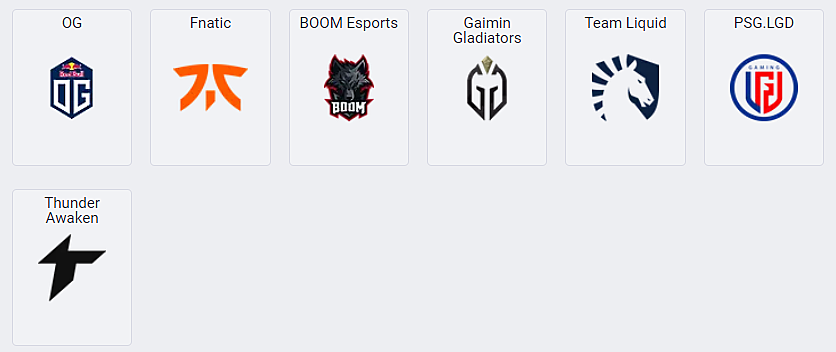
- Seven top teams from TI10’s strongest regions potentially excluded
Games and Esports Analysis Dota 2 Competitive Scene
The Dota 2 competitive circuit faces unprecedented challenges as two major regions confront significant barriers to participating in the upcoming ESL One Stockholm Major. Eastern European teams remain sidelined due to ongoing DPC suspension, while Chinese squads grapple with travel restrictions stemming from Shanghai’s strict lockdown protocols. This dual crisis threatens to exclude seven elite teams from regions that demonstrated exceptional performance at The International 10.
Shanghai’s COVID-19 situation presents the most immediate obstacle for Chinese organizations. Despite partial restriction easing on April 12, the city maintains rigorous containment measures that complicate international travel. Teams face not only departure challenges but potentially extended quarantine periods upon return, creating substantial logistical hurdles for tournament participation.
The Eastern European complication stems from the region’s DPC league suspension, which remains indefinitely postponed. Valve established specific conditions for resumption, requiring guarantees for player participation, prize distribution, and Sweden travel capabilities. With the Major scheduled for May 12-22, time becomes increasingly critical for resolution.
On April 19, industry veteran Dimitri “Mali” Valette, CEO of Red Marble agency and respected authority on Chinese Dota 2, highlighted the severity of the travel restrictions. Based in Shanghai himself, Valette emphasized that the lockdown shows no signs of imminent conclusion, creating uncertainty around team mobility.
The travel dilemma extends beyond simple departure permissions. Even if Chinese rosters secure travel authorization, they confront potential month-long quarantine requirements upon returning home. This mirrors challenges faced in League of Legends, where LPL champions risk missing MSI 2022 in Korea due to similar re-entry restrictions.
Historical context reveals this isn’t the first time Chinese players encountered post-tournament re-entry problems. Following TI10, several competitors experienced extended delays returning home, ultimately causing DPC schedule adjustments in their home region.
Andrew “xeozor” Yatsenko from Starladder added professional perspective, anticipating Valve might either postpone or cancel the Major entirely. The developer has maintained public silence regarding contingency planning, increasing community speculation.
Tournament organizer Trent “GoDz” Campbell proposed operating Stockholm without EEU and Chinese representation, instead granting both regions separate Regional Finals. This format previously served as contingency during pandemic disruptions and offers a potential solution for maintaining regional competitive balance.
Natus Vincere’s offlaner previously hinted at Regional Finals specifically for EEU teams. With Stockholm potentially missing two powerhouse regions, this alternative gains credibility as the most practical resolution.
Postponement represents the other primary consideration, though scheduling constraints create complications. The Dota Pro Circuit operates on tight seasonal timelines, with Major results directly impacting TI11 qualification points distribution.
Valve confronts exceptionally limited control over the core issues. Geopolitical circumstances and public health policies fall outside tournament organizer jurisdiction, creating unprecedented challenges for competitive integrity preservation.
The situation underscores broader vulnerabilities in global esports infrastructure. When regional crises simultaneously impact multiple top-tier competitive regions, the entire tournament ecosystem faces destabilization. For players seeking to master competitive strategies, understanding these structural challenges provides crucial context for following the professional scene. Those interested in competitive gaming formats can draw parallels to how tournament organizers adapt to external pressures.
Action Checklist
- Monitor official Valve communications for Major format updates
- Track Chinese team travel status through social media and official announcements
- Analyze potential Regional Finals impact on DPC point distribution
- Review historical tournament adaptations for pattern recognition
No reproduction without permission:Game Guides » Another Dota Major is under threat. Two regions might completely miss the event Analyzing the Stockholm Major crisis and its impact on competitive Dota 2's global landscape