
TL;DR
- Balancing individual performance with strategic leadership is the most challenging aspect of being an IGL
- Managing superstar players requires different approaches than developing emerging talent
- Effective coaching requires balancing kindness with firm accountability standards
- Professional infrastructure evolution has transformed Counter-Strike’s competitive landscape
- Continuous self-improvement and team excellence drive apEX’s longevity in professional gaming
Games and Esports Articles CS 2
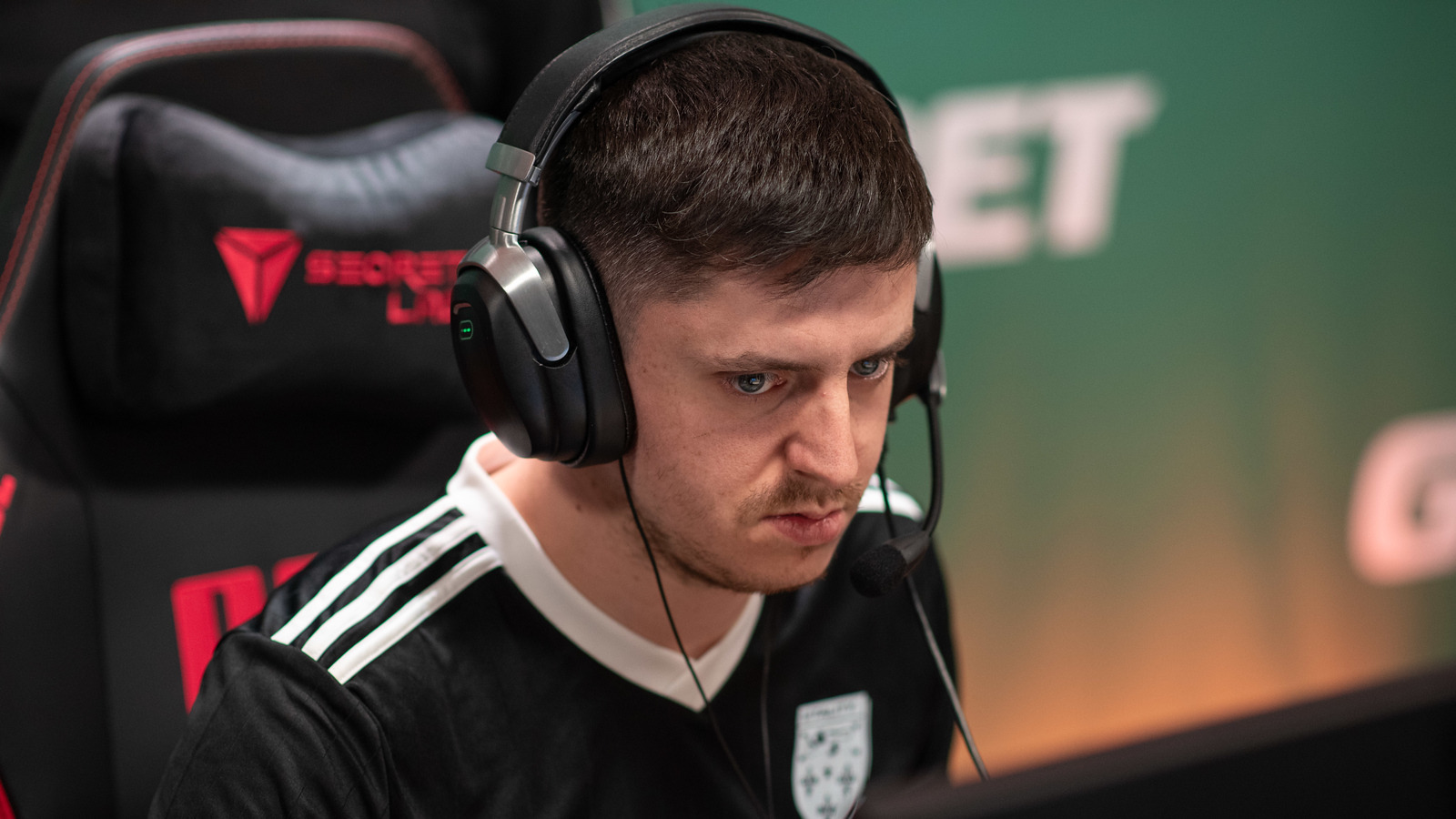
Team Vitality captain Dan “apEX” Madesclaire stands as one of Counter-Strike’s most enduring competitors, having navigated the transition from CS: Source through to today’s CS2 competitive landscape. His recent appearance at IEM Cologne 2024 provided insights into his in-game leadership methodology, coaching staff dynamics, and the evolution of professional gaming infrastructure that has shaped his career trajectory.
This discussion occurred prior to the playoff stages. Team Vitality ultimately claimed the championship, overcoming NAVI in the grand finals with a decisive 3:1 victory.
— What constitutes the most demanding aspect of serving as an In-Game Leader while working alongside elite superstar players?
— The fundamental difficulty lies in maintaining dual focus: strategic team coordination while simultaneously delivering individual gameplay excellence. This balancing act represents the core challenge for any IGL—synchronizing personal performance metrics with tactical decision-making responsibilities. Many leaders struggle with this dichotomy, often sacrificing one dimension for the other.
— Recently, B1ad3 observed that coaching superstar athletes necessitates significant compromises. Have you encountered similar situations?
— His assessment aligns with competitive realities. Managing developing talent proves considerably less complex than guiding established stars with specific expectations and preferences. This explains his current effectiveness with NAVI’s current roster structure, which lacks dominant superstar personalities, enabling more straightforward implementation of systematic approaches. Previous collaborations with elite talents like s1mple and electronic presented greater coordination challenges. However, exceptional individual skill frequently compensates for systemic complexities through game-winning performances.
This creates a strategic balancing equation: Systematic team development requires strong foundational players, while high-caliber individual talent provides match-winning potential. Successful teams typically blend both elements strategically.
— How do coaching methodologies differ between zonic and XTQZZZ?
— Generally speaking, zonic concentrates on micro-level gameplay refinements while granting substantial autonomy in broader strategic decisions. His supportive coaching style, while generally beneficial, occasionally borders on excessive leniency—an area where I’ve encouraged adjustment. XTQZZZ demonstrates greater firmness, particularly in assisting players during Counter-Terrorist side executions and individual performance slumps. Both coaches demonstrate profound dedication to competitive excellence.
— Zonic maintained a supportive coaching approach, but how would you characterize your own IGL style?
— I wouldn’t characterize my leadership as particularly gentle, though I appreciate zonic’s complementary coaching temperament. While I consider myself fundamentally supportive, my competitive intensity and work ethic translate into elevated expectations for teammates. Ensuring maximum effort and consistent dedication from every team member remains non-negotiable. Consequently, I maintain demanding standards and persistent accountability expectations.
— This competitive season, Vitality hadn’t secured tournament victories before Cologne [ESN: The interview was taken before Vitality claimed the Cologne championship]. What factors contributed to this performance gap?
— Our campaign included two semifinal appearances and two finals. The MOUZ final demonstrated their clear superiority, while the G2 matchup represented a performance collapse under pressure. Primary contributing factors include competitive inexperience among certain roster members and failure to deliver during critical high-stakes matches—a common challenge teams face when transitioning between competitive tiers.
— Having achieved two Major championships and numerous tournament victories throughout your career, what motivates your continued competition at age 31?
— My drive stems from pursuing additional competitive milestones, continual personal development, and maximizing my professional journey. I derive satisfaction from competitive participation, international travel experiences, and team camaraderie. My philosophy emphasizes sustained maximum effort until performance standards decline—a threshold I haven’t yet reached. Maintaining world-class competitive level remains the objective.
— Have you contemplated post-career professional directions?
— Not extensively, as career transitions can occur unexpectedly. Future perspective shifts make premature planning potentially counterproductive.
— Having competed across multiple Counter-Strike iterations, which competitive period do you regard as historically peak?
— The initial CS:GO competitive era represented my performance zenith. During those foundational seasons, I possessed exceptional game sense and unwavering confidence—characteristics that defined my most enjoyable competitive phase.
— Recently, you engaged in public disputes with industry insiders. Do you harbor personal objections to their professional activities?
— Generally no, as information dissemination constitutes their professional responsibility. My specific contention involved harumi regarding inaccurate roster speculation about JACKZ joining Vitality—information that proved incorrect. Our wager regarding this misinformation remains unresolved from my perspective.
However, electronic’s transfer to VP demonstrated ideal insider conduct—complete confidentiality until official announcement. Unexpected roster developments maintain competitive excitement, similar to surprise football transfers that capture fan imagination.
— You previously competed within OverDrive‘s mixed roster, Nostalgie during 2013. He previously stated in interviews that he compensated you for team participation.
— Confirmed accurate. During that developmental period, we operated without organizational support or financial compensation. As an economically constrained adolescent, I lacked resources for international tournament attendance [ESN: DISTRICT Prague Challenge]. TaZ informed me about their international mix including OverDrive, NEO, kennyS and himself. Financial limitations were resolved through his travel and accommodation coverage.
— Was he functioning as a talent development sponsor, or what motivated his involvement?
— I already ranked among global top-five competitors, eliminating any developmental sponsorship narrative. His continued passion for competitive Counter-Strike motivated event participation with elite-level players. Our collective performance secured tournament victory.
— Transitioning from CS:S through CS:GO to contemporary CS2, what fundamental transformations shaped the competitive landscape?
— Professional infrastructure development represents the most significant evolution. Early competitors operated without financial compensation or organizational support structures. Modern professional environments feature comprehensive support staff including coaches, assistant coaches, and analytical personnel—infrastructure previously nonexistent during Counter-Strike’s developmental era.
— How are responsibilities distributed within your current coaching infrastructure?
— My primary responsibilities encompass strategic development through playbook management and individual performance optimization. Additional duties include positional assistance for struggling players and tactical innovation development.
The head coach maintains comprehensive team oversight, identifying effective strategies and performance gaps. Their preparation responsibilities include opponent analysis and macro-level game planning. They provide strategic recommendations regarding tactical adjustments and opponent counter-strategies.
Assistant coaches provide supplementary support across multiple dimensions, including player development and granular gameplay refinements like grenade trajectories and positioning optimizations.
Performance coaches specialize in psychological preparation and stress management techniques. Team managers coordinate logistical operations between competitive events, organizational management, and player needs.
— Is cross-functional coverage possible? For instance, could managerial staff substitute for absent performance coaches?
— Generally not feasible, as performance coaching requires specialized qualifications. Managerial roles permit greater flexibility, but performance coaching demands specific expertise.
— Does professional playing experience constitute a prerequisite for effective coaching?
— Not necessarily, as demonstrated by football’s coaching landscape where many exceptional coaches lacked elite playing careers. While former professionals frequently transition into coaching roles, non-playing experts can demonstrate equivalent effectiveness through deep game understanding and coaching methodology.
— As a French football enthusiast, what perspective do you maintain regarding Mbappé’s transition to Real Madrid?
— Without PSG allegiance, the transfer generates minimal personal concern, though Mbappé demonstrated commitment to Champions League success with his former club. Achieving that objective would have established legendary status, but professional advancement considerations justified his organizational change.
— Which football organization commands your support?
— Currently I maintain no specific team allegiance. Previous Barcelona support stemmed primarily from Messi fandom, but current viewing patterns lack specific team preferences.
— What impressions did the Paris Olympic Games generate?
— I attended athletic and badminton competitions, experiencing exceptional event organization. Paris demonstrated remarkable hospitality throughout the Games period. Fulfilling my Olympic spectator aspiration since 2004 represented a significant personal milestone. Future Los Angeles Olympic attendance remains planned.
— Your team manager previously earned Olympic medals during London and Rio competitions. Has he shared competitive insights from those experiences?
— Certainly. Their sporting discipline—canoeing—operates outside mainstream visibility with limited financial support structures. Four-year training cycles culminate in brief competitive windows where medal outcomes determine career validation.
Fourth-place London finish proved particularly challenging due to medal proximity without achievement. Subsequent bronze medal performance in Rio generated appropriate satisfaction. Olympic athletes warrant profound respect for their sustained dedication across extended preparation periods.
Spinx on first half of 2024 for Vitality: “Doesn’t matter if you reach five grand finals in a row, if what you achieve is number 2”
Says they “f**ked up a bit” but it is fine.
Action Checklist
- Analyze your current balance between individual performance and team leadership responsibilities
- Establish clear accountability standards for team members while maintaining supportive coaching relationships
- Develop systematic approaches for managing both superstar talent and developing players
- Create performance evaluation metrics that align individual contributions with team strategic objectives
- Implement stress management techniques for high-pressure competitive situations
No reproduction without permission:Game Guides » ApEX: “It’s really important for me that my teammates give their best all the time. So I’m really pushy with them”Exclusive Veteran IGL apEX reveals leadership philosophy, coaching dynamics, and what drives his competitive longevity in CS2