
TL;DR
- Larl began competitive gaming at 13, choosing Dota 2 over CS:GO due to cheating issues
- He abandoned college to pursue esports full-time, prioritizing passion over traditional education
- The VP.Prodigy experience taught him about organizational pressure and team expectations
- His aggressive midlane playstyle focuses on creating tempo rather than passive farming
- BetBoom’s Major qualification resulted from dedicated preparation and regional circumstances
Games and Esports Articles Dota 2
BetBoom’s emerging talent Denis “Larl” Sigitov represents the new generation of Eastern European Dota 2 competitors. His squad secured an unexpected berth at the Stockholm Major 2022 by defeating established organizations including Team Spirit, NAVI, and Mind Games. In this exclusive pre-tournament discussion with Polina Mashina, Larl reveals his competitive origins and mental preparation.
— Your VK profile indicates you launched your professional journey in 2015 at just 13 years old. Is this accurate, or have you genuinely competed at that level for so long?
— I’ve participated in organized teams for an extended period. While I might have competed at 13, the details are somewhat hazy. 2015 more accurately marks when I began approaching Dota with serious competitive intent.
During those formative years, gaming captured my complete attention. School felt monotonous, social outings didn’t appeal, so I immersed myself in various titles. I dedicated substantial hours to Team Fortress and Garry’s Mod, drawn to the competitive progression: climbing rankings and facing skilled opponents. Eventually, I faced a decision between CS:GO and Dota 2 since I invested heavily in both. CS:GO eventually lost its appeal—rampant cheating plagued nearly every match, prompting my transition to dedicated Dota practice.
— Have you maintained continuous dedication for seven years, or experienced the typical hiatuses and returns common in esports?
— I periodically stepped away but never seriously considered abandoning competition. When I enrolled in college, I anticipated focusing on academics. After several months of reduced Dota involvement, returning to the game revealed the educational path’s limitations—it failed to engage me intellectually. The environment featured uninspiring individuals and curriculum. Most days represented wasted potential, particularly without genuine academic motivation. Compelling yourself in such situations proves counterproductive since eventually you’ll abandon pursuits that don’t align with genuine interests. This realization accelerated my esports return.
— You pursued tour management studies, correct?
— Indeed. The field appears practically irrelevant, selected primarily based on its appealing title. Certainly, language proficiency could enable global travel and interpretation work… it represented one possibility, but didn’t resonate with my aspirations. Eventually I ceased college attendance entirely, despite having merely one year remaining.
— The community first noticed you after joining VP.Prodigy. Did the invitation generate pride?
— I wouldn’t characterize it as pride. Naturally, the opportunity pleased me. VP provided valuable experience and financial stability, eliminating monetary concerns. I consistently allocated half or more of my earnings to my parents. Personal financial needs remain minimal—I simply compete in Dota. Beyond occasional peripheral upgrades, I avoided extravagant purchases. Securing income primarily demonstrated to my family that gaming represented purposeful endeavor rather than mere hobby.
— Why do you believe your initial performance fell short of expectations?
— Excessive organizational and community expectations surrounded the team brand. VP.P carries significant competitive legacy based on past accomplishments. Previous rosters featured seasoned competitors with established tournament experience facing elite opposition. Nightfall, Save-, and fn represent accomplished players with substantial achievements. Inheriting such prestigious branding inevitably creates performance pressure. Organizations naturally seek championship-caliber lineups. When previous iterations achieved success but current members represent developing talent, meeting external expectations becomes challenging.
— What adjustments might have improved the situation: extended development time, reduced external pressure?
— The optimal approach would have involved delaying our roster announcement. Providing competition opportunity under the Team Generation identity first to assess performance naturally. Perhaps announcing after DPC Division 2 participation. This strategy would benefit player development though potentially disadvantage organizational visibility since sponsorship recognition would decrease. However, competitive pressure would substantially diminish.
— You experienced two distinct lineups: initial youthful composition versus subsequent veteran-enhanced version featuring Misha. Which environment provided superior comfort?
— Both configurations delivered valuable experience. I cannot definitively declare either superior. Assembling the second iteration clarified my personal competitive objectives and Dota aspirations. Regardless of lineup, each defeat and setback fuels competitive hunger. You naturally seek improvement, particularly alongside seasoned competitors.
Mind Games and CIS Rejects managers comment on the situation with disqualification and EEU slot at the Major
The communication between two teams and ESL.
— What leadership lessons did Misha impart as team captain?
— He exemplifies exceptional leadership with extensive competitive background. He revealed alternative Dota perspectives and strategic approaches. Unfortunately, player compatibility and timing prevented full implementation of his innovative concepts. Observing his current performances with different teammates confirms his outstanding capabilities. He possesses unconventional strategic thinking requiring equally innovative collaborators for execution. For Misha, OG represents ideal environment, fulfilling long-standing aspiration. He assembled championship-caliber roster, achieving professional dreams. I genuinely celebrate his success.
— Did position 3 experimentation with Paseka provide developmental value?
— I gained clear understanding that offlane doesn’t suit my competitive strengths. Not that I perform inadequately, but the role felt misaligned with my natural inclinations. Monotony set in during peculiar meta period, inhibiting creative adaptation. When gameplay becomes unengaging, continuing in that position lacks purpose. You must compete in manner generating genuine enjoyment. Midlane consistently provides satisfaction, though I pursued experimentation at that juncture. Previously I mained carry position but sought alternative core role experience. Initially approached as exploratory diversion, ultimately confirmed my natural midlane affinity.
Mind Games owner blames ESL for not helping the team: “Why is it possible to play tournaments online in Fortnite, but not in Dota 2?”
— Nix mentioned improper role distribution eliminated DPC qualification hopes from inception. You similarly lacked elevated expectations for this roster?
— I simply desired competition alongside these individuals, avoiding overanalysis. I likely would have remained had we demonstrated cohesive performance, but open qualifier failure revealed incompatibility. Xanni demonstrated limited midlane enthusiasm, I felt uncomfortable on offlane, creating fundamentally flawed foundation from beginning.
I received subsequent offer continuing offlane participation with alternative midlane options, but declined all suggestions. I determined to pursue personal development, initiating departure independently.
— Did you recognize your superiority over proposed players?
— I believed I possessed potential outperforming suggested replacements. I refused accepting inferior skilled player with weaker Dota comprehension occupying midlane position in my team. Consequently, I committed to intensive self-improvement path.
— So a developing player without secure team rejects guaranteed income and established organization affiliation for highly uncertain future prospects. What motivates this decision?
— I perceive no value in occupying position performing undesired activities merely for financial compensation. If you sustain yourself modestly while pursuing genuine passions, long-term rewards will materialize. Performing tasks conflicting with personal ambitions and desires eventually reveals the inherent futility. Financial considerations should consistently remain secondary. I either engage in activities I genuinely enjoy or abstain completely.
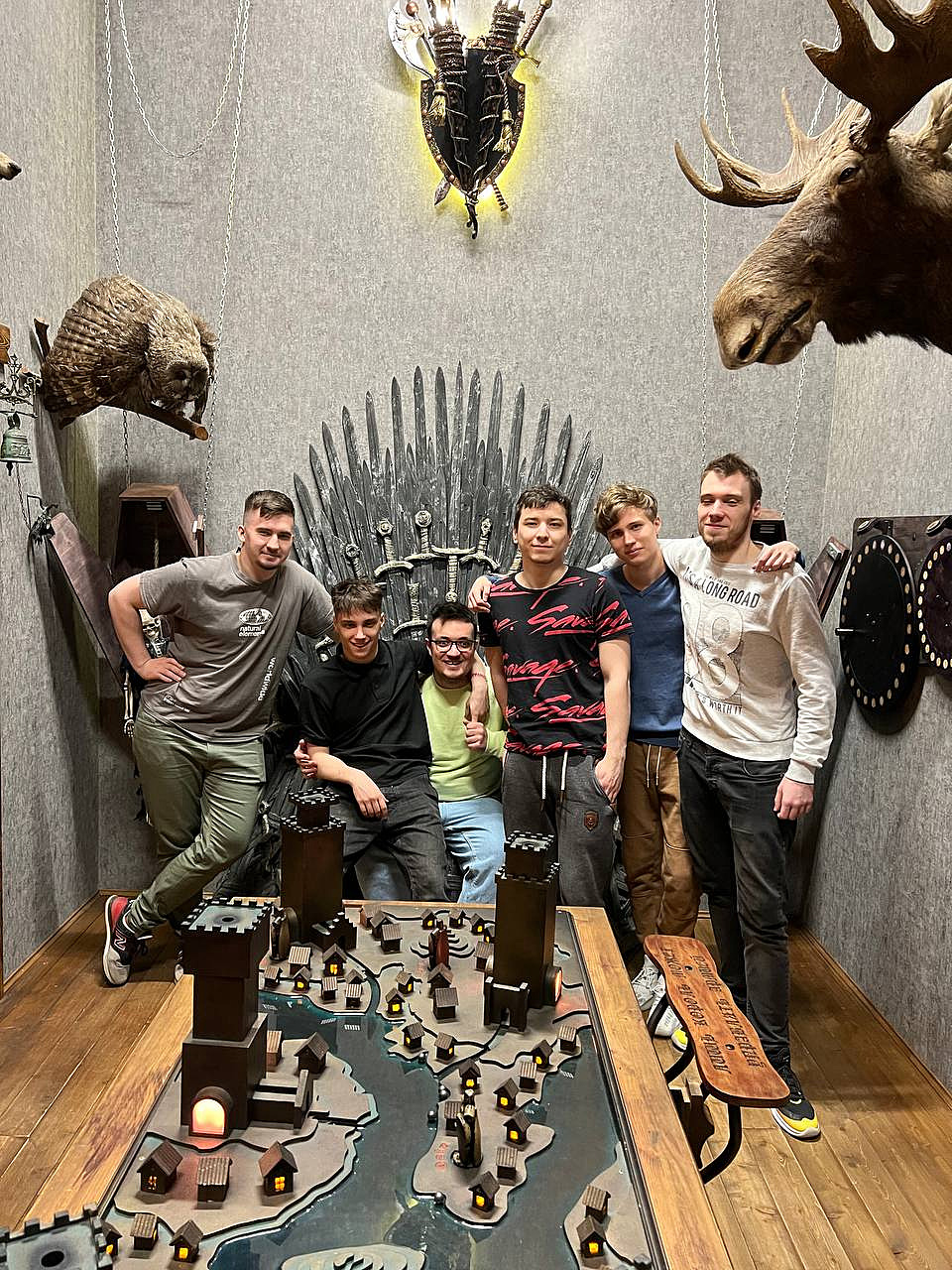
— What interests occupy your time beyond Dota?
— I trained MMA last summer approximately six months for health improvement. Enjoyable activity, though nobody has yet tested my practical skills. I prefer avoiding unnecessary demonstrations regardless. Additionally pursued temporary gym training. I’m prepared to accompany Daxak when schedule permits.
I also engage in reading. I frequently purchase multiple books, initiate one then abandon remainder. Recently enjoyed A Clockwork Orange alongside psychology and relationship literature, though titles escape memory. If description appeals, I acquire publication potentially reading eventually, though I never compel participation. However, I consume manga and manhwa more extensively than traditional books. Personal favorites include “Bastard” manhwa, “Shamo” manga—particularly violent and realistic. “Berserk”, “Cliffhanger” and “Vagabond” also rank exceptionally high.
— Before DPC commencement, your team assembled for bootcamp preparation. Did this experience differ significantly from previous training environments?
— I don’t perceive substantial differences from VP.Prodigy arrangements. That bootcamp actually proved superior, located in more convenient urban area, whereas BetBoom arrangement organized within two days conducted outside city limits, restricting external mobility. Fresh air benefits are excellent, though alternative relaxation methods become desirable periodically.
— Did this bootcamp provide positive developmental value?
— Certainly. We invested quality time together. Nikita [Daxak] emerged as entertaining and approachable personality. He frequently executes pranks and humorous interactions. Very positive dynamic. Akbar mirrors his online persona identically. Zhenya [Noticed] and Maxim [forcemajor] maintain consistent comedic presence as always.
— So you maintain two comedic personalities. How would you characterize SoNNeikO and Daxak respectively?
— Mr. Stone and Furion.
— Daxak indicated accumulated issues would resolve post-DPC conclusion. The league has concluded. Have you addressed any concerns?
— Certain communication and gameplay challenges existed and persist, requiring future resolution. Some improvements occurred during league competition. Not that extensive corrections materialized, but we’re actively working.
— Do you believe D2CL participation provided performance enhancement?
— Such competitions consistently develop skills, enable experimentation, and build confidence. Following victories, you expand hero selections and permit strategic experimentation previously restricted after defeats. Psychologically this proves beneficial. Excellent preparatory practice preceding DPC. Essential participating such tournaments identifying deficiencies because approaching league competition, you’ll correct at minimum one significant flaw. Ultimately producing measurable improvement.
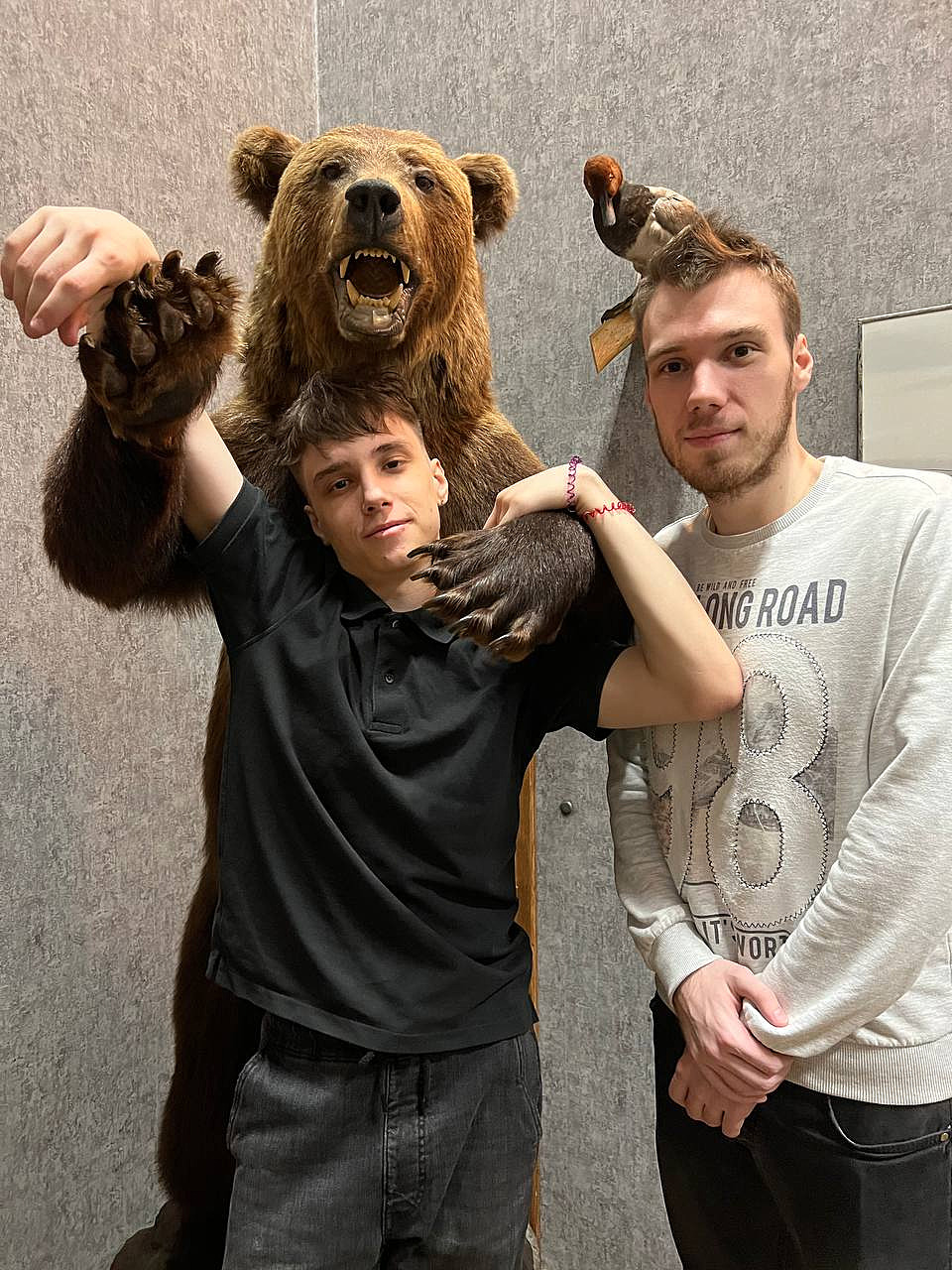
— You joined the organization last. Many observers note SoNNeikO and Daxak present communication challenges. Did integration prove difficult?
— Dodren experienced connectivity issues, so initially I received temporary invitation providing assistance. They explicitly stated expecting nothing initially, granting complete freedom playing according to personal preferences. Integration proved straightforward since nobody imposed initial restrictions.
Establishing mutual understanding with Daxak and SoNNeikO proves relatively simple when discussing factual information and proposing solutions, not merely criticizing. When disagreements arise, they present alternative viewpoints, though they consistently consider your perspective regardless.
— During DPC, beyond your exceptional Storm Spirit performances, we witnessed unconventional Windranger selections. Can you request any hero preference?
— WR represents more impulsive selection. She’s consistently remained outside meta consideration, I avoided picking her previously, though practiced extensively in public matches. Favorable matchup against Medusa, so I simply stated: “Select WR for me, I’ll generate meaningful map impact”.
I believe any champion can prove effective with sufficient confidence and execution proficiency. If you’ve exclusively played Shadow Fiend throughout your career despite current meta disadvantages, you can confidently choose him and achieve victory. But only if teammates understand how to coordinate with SF.
— I consider you among Eastern Europe’s most proactive midlane competitors currently, particularly noteworthy since most mids prioritize farming currently. How would you characterize your competitive approach?
— I wouldn’t claim most aggressive among all midlaners, though I’ve consistently preferred dynamic engagement. I establish tempo when possessing favorable matchups and successful execution. This approach proves significantly more enjoyable than passive farming awaiting item timing windows.
I’ve always admired Topson’s distinctive style. I appreciate his innovative methodology. Spectating his gameplay remains entertaining. Consistently fascinating creating innovative map movements and executing creative strategies.
Certainly, meta existed when Team Spirit captured TI10 where midlaners prioritized farm accumulation. But I believe that meta is evolving. You cannot perpetually have your midlaner passively farming isolated locations. Everything depends on situational context. Critical recognizing when you can generate meaningful impact versus when restraint proves necessary. Sometimes aggressive actions can deteriorate your game state while providing minimal team assistance. Meanwhile certain decisive moves create massive momentum shifts securing victories. I simply strive making teammates experience enhanced comfort during competition. If offlane encounters difficulties, I’ll provide assistance, and if safelane experiences problems, I’ll transition there.
— You previously mentioned lacking pre-tournament anxiety. What emotions do you experience instead?
— I simply maintain confidence regarding enjoyable and exciting experience. I contemplate the opportunity and derive satisfaction. No considerations exist regarding potential underperformance. I simply desire experiencing the competitive atmosphere facing elite international opponents.
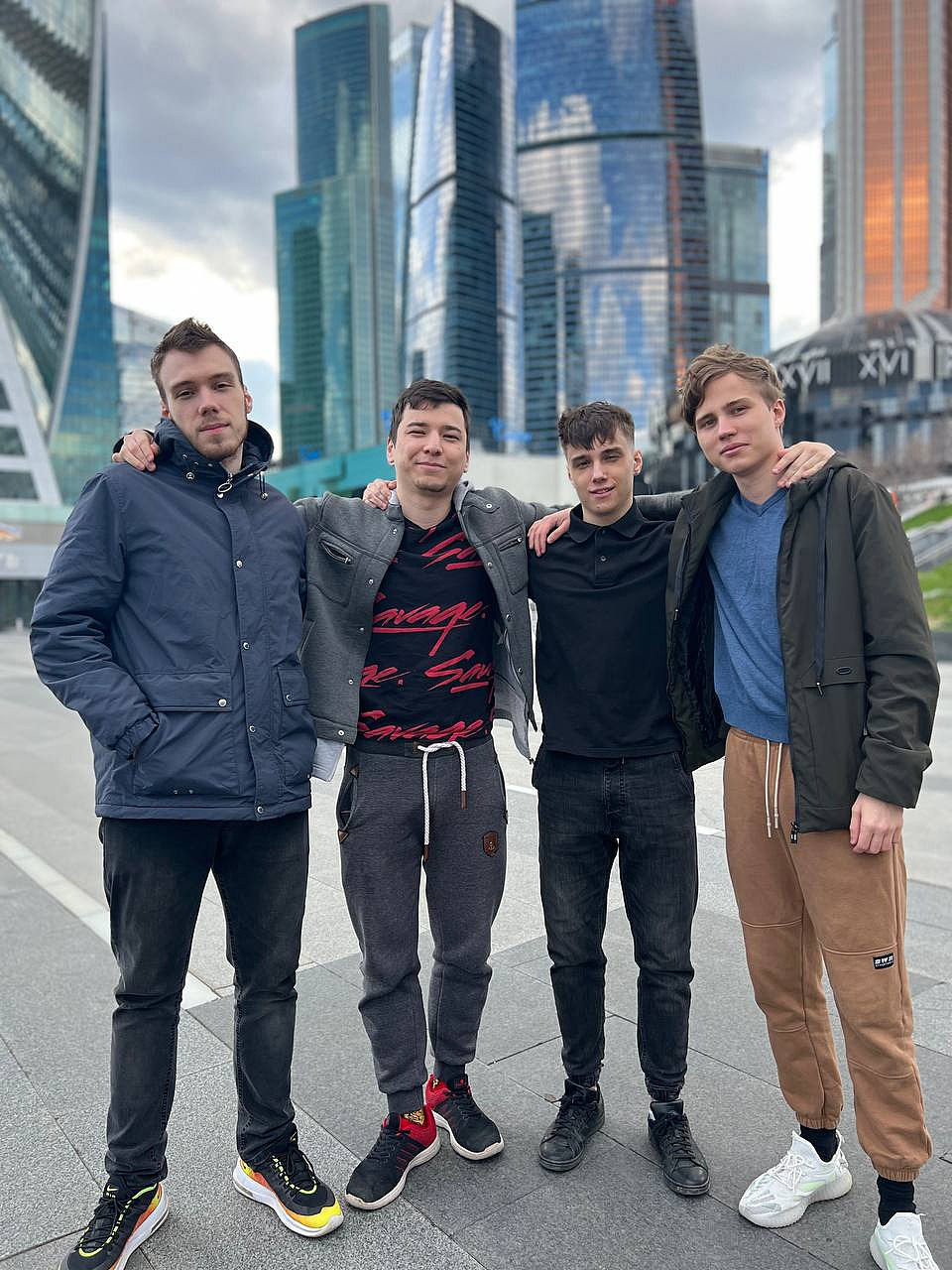
— Do you consider yourselves Eastern Europe’s premier team?
— Certainly not. I wouldn’t declare us the region’s dominant force. We simply executed this qualification effectively, because competing organizations faced preparation challenges due to external circumstances. This DPC doesn’t accurately reflect our competitive strength. It merely indicates consistent hard work ultimately producing results.
— Who then represents Eastern Europe’s top competitive team?
— I believe Team Spirit maintains regional supremacy. They’ve somewhat reduced intensity for understandable reasons. I’m confident they’ll defeat majority of opponents when properly motivated. Their drafting currently appears unconventional. Perhaps they’re experimenting strategically. Maybe gameplay simply isn’t aligning with their strategic vision.
— Which additional opponents do you consider formidable challengers at the Stockholm Major?
— Gaimin Gladiators. I appreciate their distinctive approach: innovative, rapid, assertive. They consistently compete with maximum determination. Extremely fascinating competitive organization. I also admire OG.
I desire competition against all elite teams accumulating valuable experience. Naturally I most anticipated facing Chinese organizations since I’ve never competed against them, though SEA and American team matchups will also provide engaging challenges.
Resolut1on comes back to Dota 2
Games and Esports Articles Dota 2
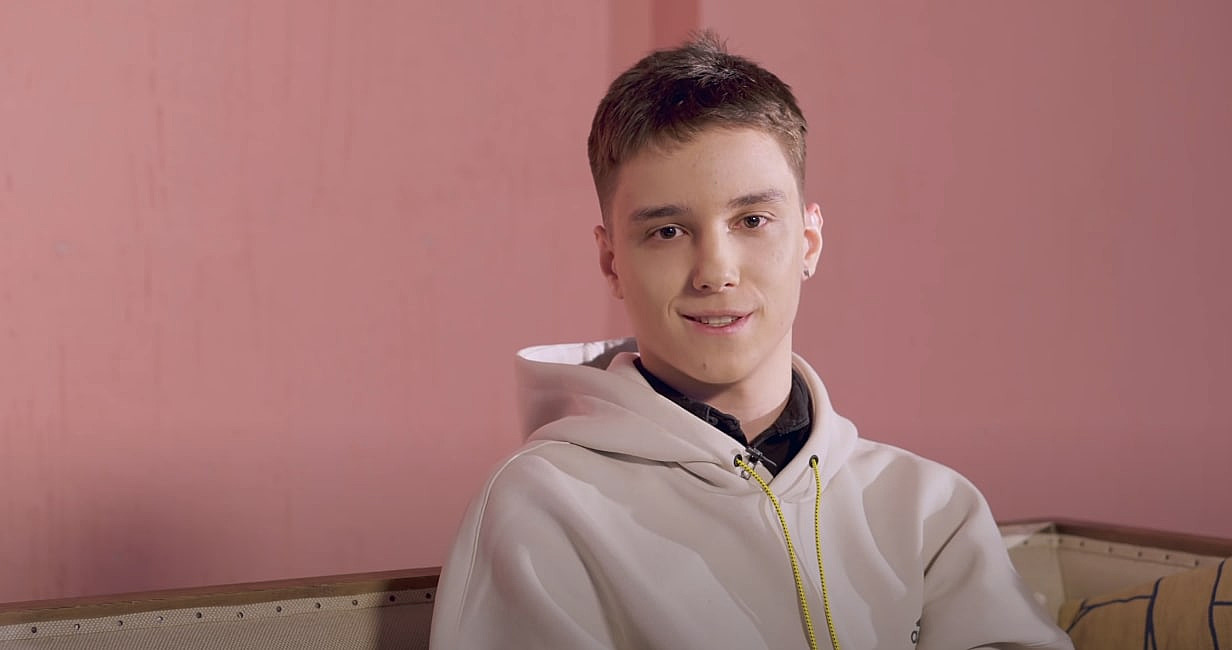
BetBoom’s midlaner Larl: “I don’t see the point in sitting and doing something I don’t want just to get paid”
BetBoom’s midlaner Denis “Larl” Sigitov represents the new generation of Eastern European Dota 2 talent. His squad surprisingly earned qualification for the Stockholm Major 2022 after defeating Team Spirit, NAVI, and Mind Games. Before the major tournament, Polina Mashina conducted an in-depth interview with Denis, exploring his career origins and competitive mindset.
— Your VK profile indicates you began your professional journey in 2015. At just 13 years old, this seems remarkably young. Is this accurate, or have you truly been competing at this level for so long?
— Competitive gaming has been part of my life for many years. While I might have participated in team environments at 13, the specific memories aren’t clear. 2015 better represents when I committed seriously to Dota as a primary focus.
During that period, gaming captured my complete attention. School felt monotonous, and social activities didn’t appeal to me, so I immersed myself in various games. I dedicated extensive hours to Team Fortress and Garry’s Mod, drawn to the competitive aspects: ranking progression and facing skilled opponents. Eventually, I faced a decision between CS:GO and Dota 2, both receiving substantial playtime. CS:GO eventually lost its appeal due to widespread cheating issues. Encountering dishonest players in nearly every match led me to abandon CS and focus entirely on Dota mastery.
Mind Games owner blames ESL for not helping the team: “Why is it possible to play tournaments online in Fortnite, but not in Dota 2?”
— Have you maintained continuous dedication over seven years, or did you experience the typical breaks and returns common in esports?
— I periodically stepped away from the game, but genuine quitting never appealed to me. When I enrolled in college, I anticipated focusing on academics. After several months of reduced Dota involvement, I returned to competitive play and recognized that formal education didn’t align with my interests. The environment contained uninspiring individuals and curriculum. Most days felt unproductive, particularly without genuine motivation. Compelling yourself in uninteresting situations proves counterproductive since eventual abandonment of disliked activities becomes inevitable. This realization prompted my swift return to professional Dota.
— You pursued tourism management studies, correct?
— Yes. That career path appeared impractical, selected primarily for its title. Certainly, language proficiency could enable worldwide travel and interpreter roles… It represented one potential direction, but lacked personal appeal. Eventually, I discontinued college attendance despite having only one academic year remaining.
— The community first discovered you after joining VP.Prodigy. Did the invitation generate pride?
— Pride wasn’t the predominant emotion. Obviously, the opportunity felt rewarding. For me, VP provided valuable experience and financial stability, eliminating monetary concerns. I consistently allocated half or more of my earnings to my parents. Personal financial needs remain minimal since gaming represents my primary focus. Beyond occasional peripheral upgrades, I avoided extravagant purchases. Securing income primarily demonstrated to my parents that my gaming pursuits had purpose, ensuring they wouldn’t obstruct my career path.
— Why do you believe the team underperformed during that period?
— Excessive expectations surrounded the organization’s legacy from both community and management perspectives. VP.P carries significant historical achievements. Previous rosters featured players with substantial competitive backgrounds facing elite opponents. Nightfall, Save-, and fn represent accomplished professionals with impressive results. When an organization with winning history recruits developing talents still refining their skills, meeting expectations becomes challenging.
— What adjustments might have improved the situation: extended development time, reduced external pressure?
— Delaying our roster announcement would have been wiser. Providing opportunities to compete under the Team Generation branding initially, assessing performance outcomes naturally. Perhaps announcing after DPC Division 2 participation. This approach would benefit player development though potentially disadvantage organizational visibility since sponsorship recognition would decrease. However, performance pressure would substantially reduce.
— You experienced two distinct lineups: initial young talent and subsequent integration of experienced Misha. Which environment felt more comfortable?
— Both configurations provided valuable learning experiences. Neither lineup demonstrated clear superiority. When assembling the second iteration, I gained clarity about personal aspirations and Dota objectives. Regardless of configuration, each defeat and setback fuels competitive hunger. Improvement becomes the driving focus, especially when collaborating with seasoned professionals.
Mind Games and CIS Rejects managers comment on the situation with disqualification and EEU slot at the Major
The communication between two teams and ESL.
— What insights did Misha provide as team captain?
— He represents an exceptional leader with extensive competitive knowledge. He introduced diverse Dota perspectives and strategic approaches. Unfortunately, player compatibility and timing didn’t align for his concepts to flourish effectively. Currently observing his performances with different teammates reveals his outstanding capabilities. He possesses innovative strategic thinking requiring equally creative players for implementation. For Misha, OG represents the ideal environment, fulfilling his long-standing aspiration. He has assembled a successful lineup, achieving his professional dream. I genuinely appreciate his success.
— Did position 3 experience with Paseka provide benefits?
— I gained absolute certainty that offlane specialization didn’t suit my strengths. Not suggesting complete incompetence, but the role felt incompatible with my natural abilities. The position generated boredom during an unusual meta period. Consequently, developing original approaches proved difficult. When gameplay lacks enjoyment, continuing becomes pointless. Gaming should provide satisfaction and engagement. Midlane consistently delivered enjoyment, though I explored alternative core roles experimentally. Before midlane specialization, I played carry position, then investigated another core role. The exploration represented casual experimentation, ultimately confirming midlane as my optimal position.
Mind Games owner blames ESL for not helping the team: “Why is it possible to play tournaments online in Fortnite, but not in Dota 2?”
— Nix mentioned that role distribution was fundamentally flawed, eliminating DPC qualification hopes from inception. Did you share these low expectations?
— My primary motivation involved playing alongside these specific individuals, so expectations weren’t my focus. I likely would have remained with stronger performances, but open qualifier elimination demonstrated our incompatibility. Xanni lacked midlane enthusiasm, I experienced offlane discomfort, creating insurmountable obstacles from the beginning.
Subsequently, I received offers to continue offlane participation with suggested midlane alternatives, but I declined all proposals. Personal development became my priority, leading to independent departure.
— Did you recognize your superiority over those players?
— I believed potential existed for outperforming the recommended candidates. Accepting players with inferior mechanical skill and game understanding for midlane responsibilities contradicted my standards. Consequently, I committed to intensive self-improvement.
— Essentially, a developing player without team affiliation rejects guaranteed income and prestigious organization opportunity for uncertain prospects. What drives this decision?
— Financial compensation without personal fulfillment seems meaningless. Temporary financial limitations while pursuing genuine interests yield long-term benefits. Activities contradicting personal ambitions and values eventually reveal their futility, prompting abandonment. Monetary considerations should remain secondary priorities. I either engage in enjoyable activities or abstain completely.
— What activities interest you beyond Dota?
— I trained in mixed martial arts last summer for approximately six months, primarily for health improvement. The training provided enjoyment, though practical application opportunities haven’t emerged. Demonstrating these skills lacks appeal. I also participated in gym training periodically. I’m prepared to train with Daxak when scheduling permits.
Reading also occupies my time. I frequently purchase multiple books, initiate one, then abandon others. Recently completed works include A Clockwork Orange and psychology/human relationship literature, though specific titles escape memory. When descriptions appeal to me, I acquire books that might eventually be read, though I never compel reading. However, manga and manhwa consumption significantly exceeds book reading. Favorite titles include “Bastard” manhwa, “Shamo” manga—particularly violent and realistic. “Berserk”, “Cliffhanger” and “Vagabond” represent exceptional quality.
— Before DPC commencement, your team assembled for bootcamp preparation. Did this differ from previous experiences?
— Significant differences seem minimal compared to my VP.Prodigy experience. That bootcamp offered superior conditions, located in more accessible urban areas, whereas BetBoom’s arrangement required two-day preparation outside city limits, restricting external access. Fresh air provides benefits, though alternative relaxation methods sometimes appeal.
— Did this bootcamp benefit your development?
— Certainly. We developed stronger team cohesion through shared time. Nikita [Daxak] revealed himself as entertaining and approachable. His practical jokes and humor create positive atmosphere. Akbar maintains consistent online personality. Zhenya [Noticed] and Maxim [forcemajor] continue their characteristic humorous behaviors.
— So you maintain two humor specialists. How would you characterize SoNNeikO and Daxak?
— Mr. Stone and Furion.
— Daxak indicated accumulated issues would receive attention post-DPC. The league concluded. Have resolutions progressed?
— Communication and gameplay challenges persist requiring resolution. Some improvements occurred during DPC competition. While substantial resolution remains ongoing, continuous effort persists.
— Do you believe D2CL participation provided developmental benefits?
— Tournament experience consistently enhances performance, enabling experimentation and confidence building. Victories permit expanded hero selection and strategic freedom unavailable following defeats. Psychologically, this reinforcement proves valuable. Pre-DPC competition represents essential preparation. Participating in such events helps identify deficiencies since approaching league competition allows correction of at least one significant mistake, resulting in incremental improvement.
— You joined the roster last. Many observers note that SoNNeikO and Daxak present communication challenges. Was integration difficult?
— Dodren experienced internet connectivity issues, so initially I provided temporary assistance. Clear communication established zero expectations while granting complete playstyle freedom. Integration proved straightforward since initial limitations were absent.
Establishing productive communication with Daxak and SoNNeikO requires factual discussion and constructive suggestions rather than pure criticism. While disagreements occur, they present alternative perspectives while maintaining listening engagement.
— During DPC, beyond your exceptional Storm Spirit performances, we observed unconventional Windranger selections. Can you request any hero preference?
— WR represented spontaneous decision-making. Consistently meta-independent, I avoided competitive selection though extensive public match practice occurred. Favorable matchups against Medusa prompted my “Pick me WR, I’ll create game impact” declaration.
Any hero demonstrates viability with confidence and skilled execution. Lifetime Shadow Fiend specialization during non-meta periods still permits successful selection and victory. However, team coordination with SF remains essential.
— I consider you among Eastern Europe’s most active midlane players currently, representing rarity since farming-focused mid play dominates currently. How would you characterize your approach?
— I wouldn’t claim maximum activity among all midlaners, though aggressive playstyle consistently appeals. I generate map pressure with appropriate heroes when circumstances permit. This approach provides greater satisfaction than passive farming while awaiting item timing advantages.
I’ve consistently admired Topson’s distinctive approach. His methodology creates viewing enjoyment. Consistently innovating map movements and creative plays generates engagement.
Certainly, Team Spirit’s TI10 victory occurred during farming-focused mid meta. However, meta evolution continues. Permanent AFK farming midlane strategies prove unsustainable. Situational awareness determines appropriate actions. Sometimes aggressive movements worsen situations while providing minimal team assistance. Other actions create substantial impact and secure victories. I prioritize teammate comfort enhancement during matches. Offlane difficulties prompt my assistance, similarly with safelane complications.
— You previously mentioned lacking pre-tournament anxiety. What emotions do you experience?
— I maintain confidence regarding enjoyable and exciting experiences. Anticipating these events provides pleasure. Concerns about underperformance remain absent. I simply desire experiencing competition atmosphere against elite teams.
— Do you consider yourselves Eastern Europe’s top team?
— Certainly not. Regional supremacy seems inaccurate. We simply executed qualification effectively since opposing teams faced preparation challenges due to circumstances. This DPC doesn’t accurately reflect our capabilities. It simply indicates consistent effort yielding results.
— Who then represents regional leadership?
— I believe Team Spirit maintains superiority. They’ve slightly reduced intensity for understandable reasons. I’m confident they’ll defeat most opponents when properly motivated. Their current drafting appears unconventional. Perhaps they’re enjoying experimentation. Possibly gameplay simply isn’t progressing favorably.
— Which other Stockholm Major opponents do you respect?
— Gaimin Gladiators. Their distinctive methodology appeals: unconventional, rapid, assertive. They consistently demonstrate commitment until conclusion. They represent fascinating competitive organization. I also appreciate OG’s approach.
I anticipate competing against all elite teams for experience acquisition. Chinese teams represent primary interest since I’ve never faced them, though Southeast Asian and American team matchups will also provide valuable learning opportunities.
Resolut1on comes back to Dota 2
BetBoom’s emerging talent Denis “Larl” Sigitov represents the new generation of Eastern European Dota 2 professionals. His squad secured an unexpected qualification for the Stockholm Major 2022 by defeating established organizations including Team Spirit, NAVI, and Mind Games. In this exclusive interview, Polina Mashina explores Larl’s origins in competitive gaming and his mindset approaching his first major international tournament.
— Your social media indicates you began your esports career in 2015 at just 13 years old. Is this accurate, or have you truly been competing at this level for seven years?
— My competitive team experience extends back quite far. While I might have participated at 13, my memory isn’t completely clear. 2015 more accurately marks when I committed seriously to Dota 2 development.
During that period, gaming completely captured my focus. School felt monotonous, and social activities didn’t appeal to me either, so I immersed myself in various games. I dedicated extensive hours to Team Fortress 2 and Garry’s Mod, drawn to the competitive progression: climbing rankings and facing skilled opponents. Eventually, I faced a decision between CS:GO and Dota 2 since I played both extensively. CS:GO eventually lost its appeal primarily due to rampant cheating issues. Nearly every match contained players using unauthorized assistance, prompting my transition to dedicated Dota 2 improvement.
Mind Games owner blames ESL for not helping the team: “Why is it possible to play tournaments online in Fortnite, but not in Dota 2?”
— Did you maintain continuous practice throughout those seven years, or did you experience the typical hiatuses and returns common in esports careers?
— I periodically took short breaks but never genuinely considered quitting permanently. When I enrolled in college, I anticipated focusing on academics. I attended for several months, temporarily stepping back from Dota, then returning to the game with the realization that formal education wasn’t serving my goals. The environment felt uninspiring with uninteresting people and curriculum. Most days seemed unproductive, particularly without genuine academic motivation. Compelling yourself through unenjoyable activities proves counterproductive since eventually you’ll abandon something you dislike regardless. That’s why I promptly resumed my Dota 2 career path.
— You pursued tourism management studies, correct?
— Indeed. That career path appears practically useless, selected primarily based on the title alone. Certainly, mastering languages could enable worldwide travel and interpretation work… It represented one potential direction, but I lacked genuine interest. At a certain point I simply stopped attending classes, despite having merely one year remaining until graduation.
— The community first became aware of you following your signing with VP.Prodigy. Did you feel proud receiving that invitation?
— I wouldn’t characterize my reaction as pride precisely. Obviously, the opportunity felt gratifying. For me, Virtus.pro represented both valuable experience and financial stability assurance, allowing me to stop worrying about income. I consistently allocated half or more of my earnings to my parents. Personal wealth doesn’t drive me—I simply love playing Dota. I never purchased expensive equipment, just occasional peripheral upgrades. Securing stable income was crucial to demonstrate to my parents that my gaming pursuits had purpose, ensuring they wouldn’t obstruct my path.
— Why do you believe your previous team underperformed?
— Excessive expectations surrounded the organization’s brand from both community and management perspectives. VP.Prodigy carries significant weight regarding competitive achievements. Preceding our roster, the lineup featured players with substantial professional experience competing against established teams. Nightfall, Save-, and fn represent accomplished competitors with impressive results. When you join an organization with that legacy, performance expectations automatically elevate. Every esports organization desires championship-caliber rosters. However, when a previously successful team signs inexperienced newcomers still developing their skills, meeting those expectations becomes challenging.
— What adjustments might have improved the situation: requiring additional development time, reduced external pressure?
— The optimal approach would have involved delaying our roster announcement. Simply permitting us to compete under the Team Generation branding initially to assess our capabilities. Perhaps announcing after competing in DPC Division 2 would have benefited us as players, though potentially not the organization since nobody would recognize their sponsorship. However, external pressure would have diminished significantly.
— You experienced two distinct lineups: initially with developing talents and subsequently incorporating veteran Misha. Which environment felt more conducive to your growth?
— Both configurations provided valuable learning experiences. I cannot definitively state one proved superior. When we assembled the second iteration, I comprehended my personal aspirations within Dota. Regardless, each defeat and setback fuels competitive hunger. You develop stronger improvement drive, particularly when surrounded by seasoned professionals.
Mind Games and CIS Rejects managers comment on the situation with disqualification and EEU slot at the Major
The communication between two teams and ESL.
— What leadership lessons did Misha impart as team captain?
— He exemplifies exceptional leadership with extensive competitive knowledge. He revealed diverse Dota 2 strategic perspectives. Unfortunately, the player combination and timing weren’t optimal for implementing his concepts effectively. Currently observing him compete with different teammates, I recognize his extraordinary capabilities. He possesses innovative strategic concepts requiring equally creative players for execution. For Misha, OG represents an ideal organization, and he consistently aspired to join them. He’s assembled a championship-caliber roster, fulfilling his professional aspiration. I feel genuinely pleased for his success.
— Did your offlane experience with Paseka provide any valuable insights?
— I definitively understood that offlane doesn’t suit my strengths. Not that I perform terribly, but the role never felt appropriate. I experienced boredom, and the metagame felt peculiar. Consequently, I couldn’t develop original approaches. When gameplay feels unengaging, continuing in that position becomes pointless. You must compete in ways that generate enjoyment. Midlane consistently provided excitement, but I opted to experiment with different roles at that juncture. Before transitioning to mid, I played carry position, then decided to test another core role. Initially approached experimentally, but ultimately recognized that midlane aligns perfectly with my capabilities.
Mind Games owner blames ESL for not helping the team: “Why is it possible to play tournaments online in Fortnite, but not in Dota 2?”
— Nix mentioned improper role distribution doomed the team from inception. Did you share these low expectations initially?
— I simply desired to compete alongside these individuals, so I avoided overanalyzing prospects. I likely would have remained had we demonstrated strong performance, but open qualifier failure revealed our incompatibility. Xanni lacked midlane enthusiasm, I felt uncomfortable on offlane, creating fundamentally insurmountable obstacles from the beginning.
Subsequently, I received offers to continue as offlaner with suggested midlane replacements, but declined all proposals. I determined to focus on personal development, thus departing independently.
— Did you recognize your superior capabilities compared to those players?
— I believed I possessed potential for superior performance compared to suggested alternatives. I refused to accept inferior skilled players with weaker Dota comprehension occupying midlane in my team. Consequently, I committed to intensive self-improvement.
— Essentially, a developing player without team security rejects guaranteed income and prestigious organization affiliation for highly uncertain prospects. What motivated this decision?
— I perceive no value in occupying positions performing undesirable activities merely for financial compensation. If you sustain yourself modestly while pursuing genuine passions, eventual success becomes probable. Engaging in activities conflicting with personal ambitions and desires inevitably leads to eventual recognition of futility and abandonment. Financial considerations must consistently remain secondary. I either pursue enjoyable activities or abstain completely.
— What interests occupy your time beyond Dota 2?
— I trained in mixed martial arts last summer approximately six months, primarily for health improvement. The training proves enjoyable, though nobody has tested my practical skills yet. I lack desire to demonstrate them regardless. Additionally, I periodically attend gym sessions. I’m prepared to accompany Daxak as well during available free time.
I also enjoy reading literature. I frequently purchase multiple books, begin reading one, then abandon the remainder. Recently completed works include A Clockwork Orange alongside psychology and interpersonal relationship texts, though titles escape memory currently. When descriptions appeal to me, I acquire books potentially reading eventually, though I never compel completion. However, I consume substantially fewer traditional books compared to manga and manhwa publications. Personal favorites include “Bastard” manhwa, “Shamo” manga—particularly violent and realistic. “Berserk”, “Cliffhanger” and “Vagabond” also rank exceptionally highly.
— Before DPC commencement, your team assembled for bootcamp preparation. How did this experience compare to previous training environments?
— I don’t perceive substantial differences from VP.Prodigy arrangements. That bootcamp proved superior actually, located in more accessible urban areas, whereas BetBoom’s preparation occurred hastily within two days situated outside city limits, eliminating excursion possibilities. Fresh air proves beneficial, though alternative relaxation methods sometimes feel preferable.
— Did this bootcamp ultimately benefit your team development?
— Absolutely. We dedicated quality time building cohesion. Nikita [Daxak] demonstrated entertaining and approachable personality. He executes numerous pranks and humorous interactions. That dynamic proves enjoyable. Akbar maintains identical online and offline persona. Zhenya [Noticed] and Maxim [forcemajor] persist as consistent entertainers.
— So you maintain two comedians. How would you characterize SoNNeikO and Daxak respectively?
— Mr. Stone and Furion.
— Daxak indicated accumulated issues requiring post-DPC resolution. The league concluded. Have you addressed any concerns yet?
— Certain communication and gameplay challenges existed and persist, requiring ongoing resolution. Some concerns already addressed during league competition. Not that extensive corrections implemented, but we persist in improvement efforts.
— Do you believe participation in D2CL provided performance enhancement?
— Such competitions consistently promote growth, enable strategic experimentation, and build confidence. Following victories, you expand hero selections and permit actions previously restricted after defeats. Psychologically, this proves beneficial. It represents valuable preparation preceding DPC. Engaging in these tournaments remains essential for identifying deficiencies because approaching league competition, you’ll correct at minimum one such mistake. Consequently, you’ll demonstrate slight improvement.
— You joined the roster last. Many observers note SoNNeikO and Daxak present communication challenges. Was integration difficult?
— Dodren experienced internet connectivity issues, so initially I received invitation purely for assistance. They immediately clarified zero expectations while granting complete gameplay freedom. Integration proved straightforward since nobody imposed restrictions initially.
Establishing effective communication with Daxak and SoNNeikO proves manageable when discussing factual information and proposing solutions, not merely criticizing. When disagreements occur, they present alternative perspectives, though they consistently consider your input regardless.
— During DPC, alongside your impressive Storm Spirit performances, we witnessed unconventional Windranger selections. Can you request any hero preference?
— Windranger represented more impulsive decision-making. She consistently remained outside metagame considerations, I hadn’t selected her previously, though I practiced extensively in public matches. The matchup proved favorable against Medusa, so I simply stated: “Select Windranger for me, I’ll generate significant map impact”.
I believe any hero can demonstrate effectiveness given sufficient confidence and skilled execution. If you’ve dedicated your entire career to Shadow Fiend and the current meta doesn’t favor him, you can still confidently pick him and achieve victory. But only when your team understands how to play alongside Shadow Fiend.
— I consider you among Eastern Europe’s most active midlane players currently, which proves unusual since most competitors prioritize farming patterns presently. How would you characterize your gameplay approach?
— I wouldn’t characterize myself as the region’s most aggressive midlaner, though I’ve consistently preferred this methodology. I establish game tempo when possessing strong heroes and circumstances align favorably. This approach generates substantially greater enjoyment compared to passive farming while awaiting item timing windows.
I’ve always admired Topson’s distinctive playstyle. His methodology appeals strongly to me. Observing his gameplay proves entertaining. Consistently creating map opportunities and executing innovative plays maintains engagement.
Indeed, a metagame existed when Team Spirit claimed victory at TI10 where midlane prioritized farming efficiency. However, I believe that strategic approach is evolving. You cannot perpetually have your midlaner remaining stationary farming passively. Everything depends on situational context. Recognizing when you can generate impact versus when restraint proves necessary remains crucial. Certain actions can deteriorate your game state while simultaneously failing to assist teammates. Meanwhile, other decisions create massive advantages and secure victories. I simply endeavor to enhance teammate comfort during matches. When offlane situations deteriorate, I’ll provide assistance, and when safelane encounters difficulties, I’ll transition there.
— You previously indicated absence of pre-tournament anxiety. What emotions do you experience instead?
— I maintain confidence that competition will prove enjoyable and stimulating. I contemplate the experience and derive pleasure. No considerations exist regarding potential underperformance. I simply desire experiencing the atmosphere competing against elite organizations.
— Do you perceive yourselves as Eastern Europe’s premier team?
— Certainly not. I wouldn’t characterize us as the region’s strongest squad. We simply executed this qualification successfully because competing teams demonstrated inferior preparation due to various circumstances. This DPC performance doesn’t indicate our maximum capabilities. It simply demonstrates that consistent dedication produced results.
— Who then represents Eastern Europe’s top team?
— I believe Team Spirit maintains superiority. They’ve slightly reduced intensity for understandable reasons. I’m confident they’ll defeat most opponents when properly motivated. Their current draft selections appear unusual currently. Perhaps they’re experimenting. Perhaps the game simply isn’t progressing according to their plans.
— Which additional opponents do you consider formidable competition at the Stockholm Major?
— Gaimin Gladiators. I appreciate their gameplay methodology: unconventional, rapid, aggressive. They consistently compete until conclusion. They represent exceptionally intriguing competition. I also admire OG’s approach.
I aspire to compete against all elite teams and accumulate experience. Naturally, I most anticipated facing Chinese organizations since I’ve never encountered them competitively, though competing against SEA and American teams will also prove engaging.
Resolut1on comes back to Dota 2
Action Checklist
- Analyze your natural role preferences and playstyle strengths through experimentation
- Establish clear communication protocols with teammates focusing on factual discussion
- Develop financial management plan that supports career goals while addressing family concerns
- Create structured practice routine balancing mechanical skills with strategic understanding
- Participate in secondary tournaments to build confidence and test strategies
- Evaluate role compatibility through experimentation before specialization commitment
- Establish clear communication protocols emphasizing factual discussion over criticism
- Develop personal playstyle while maintaining team strategy integration
- Balance financial considerations with long-term career satisfaction goals
- Participate in preparatory tournaments to identify and correct gameplay deficiencies
- Analyze your natural role preferences and playstyle strengths before committing to specific positions
- Participate in regional tournaments to build confidence and identify gameplay weaknesses
- Establish clear communication protocols with teammates focusing on factual discussion
- Balance financial stability with personal fulfillment when making career decisions
- Use victories to expand hero pool and experiment with unconventional strategies
No reproduction without permission:Game Guides » BetBoom’s midlaner Larl: “I don’t see the point in sitting and doing something I don’t want just to get paid”Exclusive