
TL;DR
- Character swapping requires new save files but preserves chapter progress
- Low uses ranged bow attacks while Alone specializes in melee wrench combat
- Eight separate save slots allow flexible experimentation with both characters
- Chapter selection enables replaying specific sections with alternate protagonists
- Co-op play ensures you experience both character abilities simultaneously
The character switching system in Little Nightmares 3 operates through a structured save file mechanism rather than instant swapping. While you cannot change protagonists mid-playthrough, the game provides flexible options for experiencing both characters’ unique gameplay styles.
Character selection becomes permanent for each individual save file once initiated. This design choice reinforces narrative consistency while still offering players multiple avenues to explore both Low and Alone’s distinctive capabilities. The system balances immersion with player flexibility through its chapter-based progression structure.
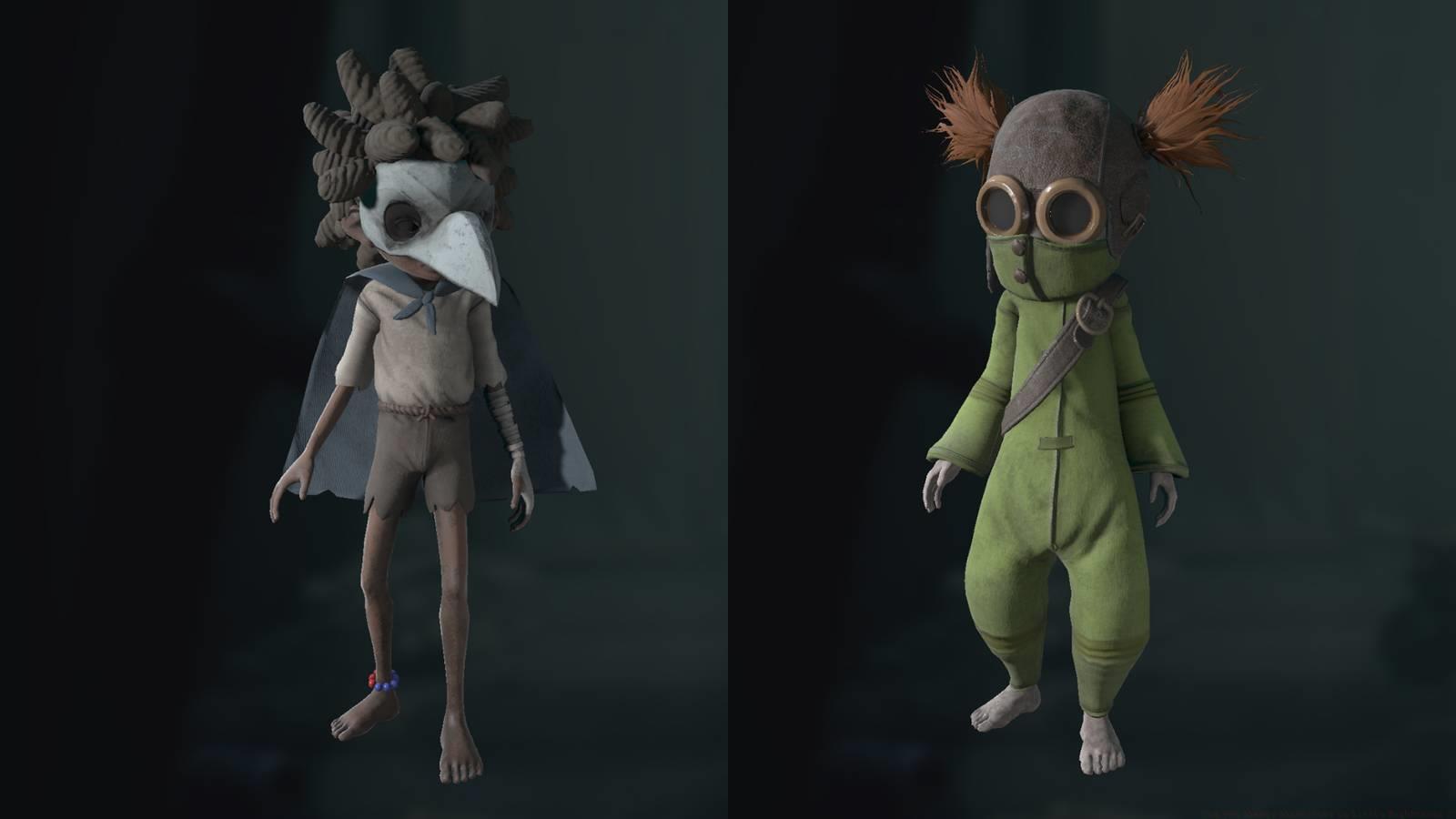
Utilizing the eight available save slots, you can maintain parallel playthroughs with different character choices. This approach allows direct comparison of how each protagonist handles identical environmental challenges and puzzle scenarios. Your chapter completion data remains securely stored across all save files, eliminating concerns about progress loss when experimenting with alternate characters.
The chapter selection feature serves as your primary tool for character experimentation. Once you’ve completed a chapter with one character, you can revisit that segment using the other protagonist through the main menu’s chapter selection interface. This system effectively minimizes repetition while maximizing exposure to both gameplay styles.
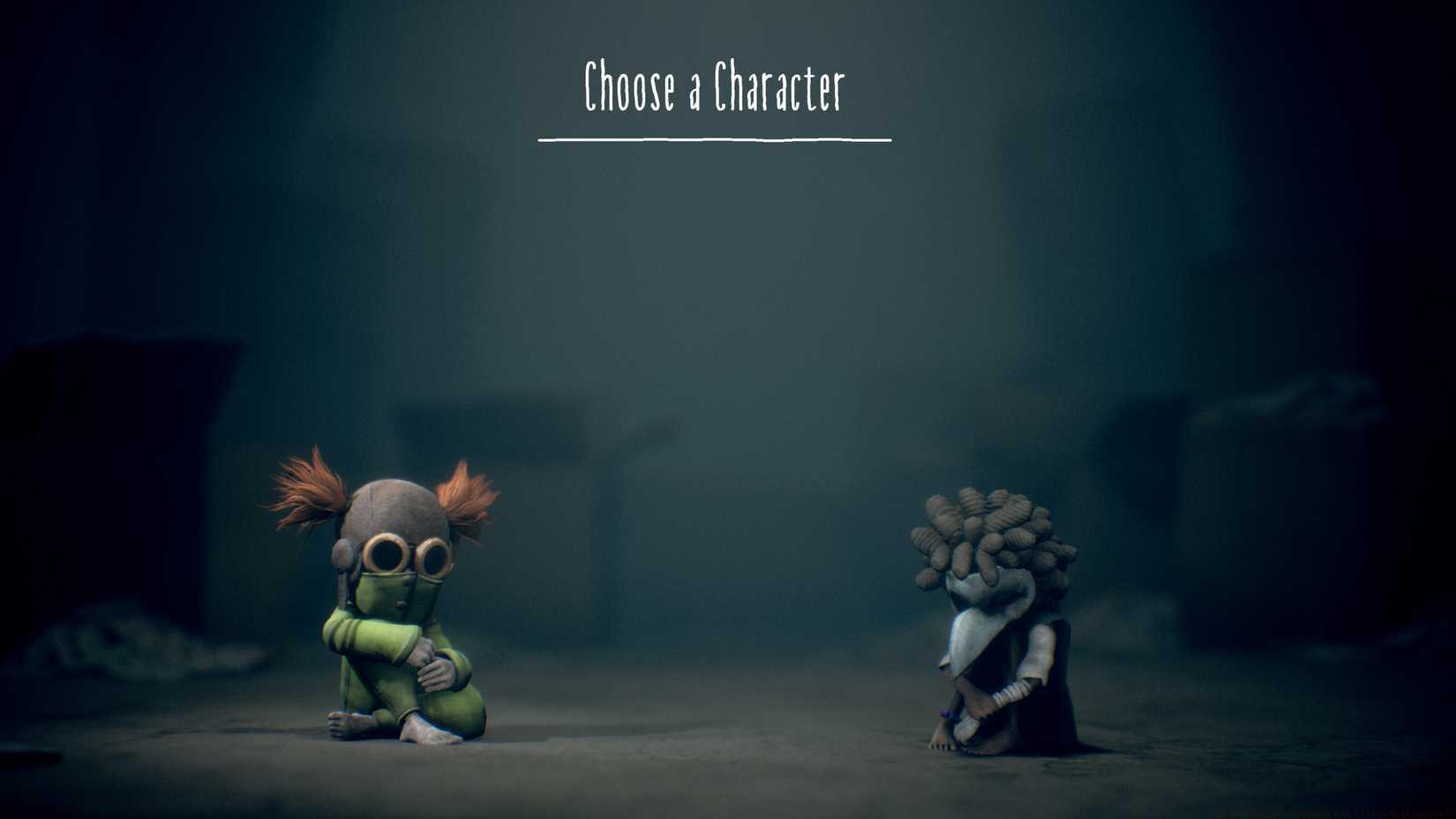
Image: Supermassive Games/Bandai Namco Entertainment via Polygon
Strategic chapter replay planning can significantly enhance your character switching efficiency. For optimal results, complete chapters sequentially with your primary character first, then use chapter selection to experience key segments with the alternate protagonist. This method ensures comprehensive game exposure while respecting time investment constraints.
The core differentiation between Low and Alone manifests primarily through their distinctive toolkits and resulting gameplay approaches. Understanding these mechanical differences is crucial for informed character selection aligned with your preferred playstyle.
Low’s archery specialization provides distinct advantages in environmental interaction and tactical positioning. His bow enables remote trigger activation, distant enemy engagement, and precision-based puzzle solutions. This ranged capability proves particularly valuable in scenarios requiring careful timing or dealing with threats from elevated positions.
Conversely, Alone’s wrench mastery delivers superior close-quarters effectiveness and immediate impact interactions. Her tool excels at rapid barrier destruction, close-range combat resolutions, and mechanical manipulation requiring physical force. The wrench’s instant activation makes it ideal for time-sensitive situations where ranged weapon charge time would create vulnerability.
In cooperative gameplay configurations, character choice transforms from individual preference to strategic team composition. The complementary nature of ranged and melee capabilities creates natural synergy opportunities for coordinated puzzle solving and threat management. For solo players accompanied by AI-controlled partners, character selection determines which abilities you directly control versus those managed automatically.
Environmental design throughout Little Nightmares 3 accommodates both character approaches, though certain sections may favor one toolkit over another. Areas with extensive verticality or environmental hazards often benefit from Low’s ranged options, while confined spaces with breakable obstacles typically align with Alone’s strengths. However, the game consistently provides alternative solutions ensuring neither character becomes mandatory for progression.
Beyond mechanical considerations, each protagonist offers distinct narrative perspectives and atmospheric experiences. Playing through the same environments with different characters can reveal unique environmental storytelling elements and alternative approaches to identical challenges, effectively doubling the game’s exploratory potential.
Maximizing your Little Nightmares 3 experience requires strategic planning around character capabilities and progression systems. These advanced techniques will help optimize your gameplay whether pursuing completionist goals or focused narrative enjoyment.
Progressive unlocking strategy involves systematically alternating characters between chapters to maintain fresh gameplay perspectives. Begin with your preferred protagonist for the initial playthrough, then utilize chapter selection to replay key segments with the alternate character. This approach maintains narrative flow while providing comprehensive mechanical exposure.
Avoid the common mistake of overvaluing character choice impact. While Low and Alone possess different tools, the game design ensures neither character encounters insurmountable obstacles. The difference lies primarily in solution approaches rather than accessibility. This design philosophy encourages experimentation without penalty for preference-based selection.
For completionists seeking comprehensive game experience, establish dedicated save files for each character at critical narrative junctions. The eight available save slots accommodate extensive experimentation while preserving main progression. Consider maintaining parallel playthroughs at three-chapter intervals to compare character performance across diverse environmental challenges.
Cooperative players should coordinate character selection based on complementary puzzle-solving strengths. Designate one player as the ranged specialist (Low) and the other as the close-quarters expert (Alone) to maximize team versatility. This division of labor creates natural cooperation opportunities and reduces ability overlap.
Time-efficient players can optimize their experience by identifying character-specific advantage segments. Research indicates approximately 30% of game scenarios slightly favor one character’s toolkit, though never to exclusionary degrees. Focusing character-swapped replays on these advantage segments provides maximum variety with minimal time investment.
Remember that the chapter selection system remains your most valuable tool for character experimentation. Unlike many games requiring full restarts for alternate character experiences, Little Nightmares 3 respects player time through its flexible progression preservation. This player-friendly approach encourages exploration of both protagonists’ unique strengths.
Action Checklist
- Complete initial playthrough with your instinctively preferred character
- Utilize chapter selection to replay key segments with alternate protagonist
- Establish dedicated save files at chapter milestones for both characters
- Experiment with cooperative play to experience both characters simultaneously
- Focus character-specific replays on scenarios favoring their unique tools
No reproduction without permission:Game Guides » Can you change characters in Little Nightmares 3? Master character swapping mechanics and strategic selection between Low and Alone in Little Nightmares 3