
TL;DR
- Embrace initial confusion as a natural learning phase in Civilization 7’s complex systems
- Select civilizations and leaders based on personal interest to maintain engagement through challenging moments
- Focus on one victory path and follow advisor recommendations for consistent progress
- Prioritize learning through gameplay rather than restarting when facing difficulties
- Build knowledge incrementally by trying different civilizations and victory conditions across multiple games
Embrace the learning process rather than restarting when challenges arise, and systematically analyze your strategic missteps to build foundational knowledge.
Civilization 7 operates through intricate computational processes during each turn cycle. When you advance to the next turn, the game engine simultaneously processes diplomatic maneuvers across multiple civilizations, adjusts artificial intelligence behavior based on selected difficulty parameters, initiates conflict scenarios, manages resource distribution systems, and advances technological research trees. This sophisticated backend calculation framework explains why turn processing requires significant computational time – you’re witnessing complex algorithmic decision-making in action.

The intricate systems operating beneath the surface define the Civilization franchise’s core identity, attracting veteran players who appreciate building authentic-feeling empires from foundational levels. However, this complexity can overwhelm newcomers, creating anxiety and potentially discouraging continued engagement. Many players mistakenly interpret this initial confusion as personal inability rather than recognizing it as the intended learning curve.
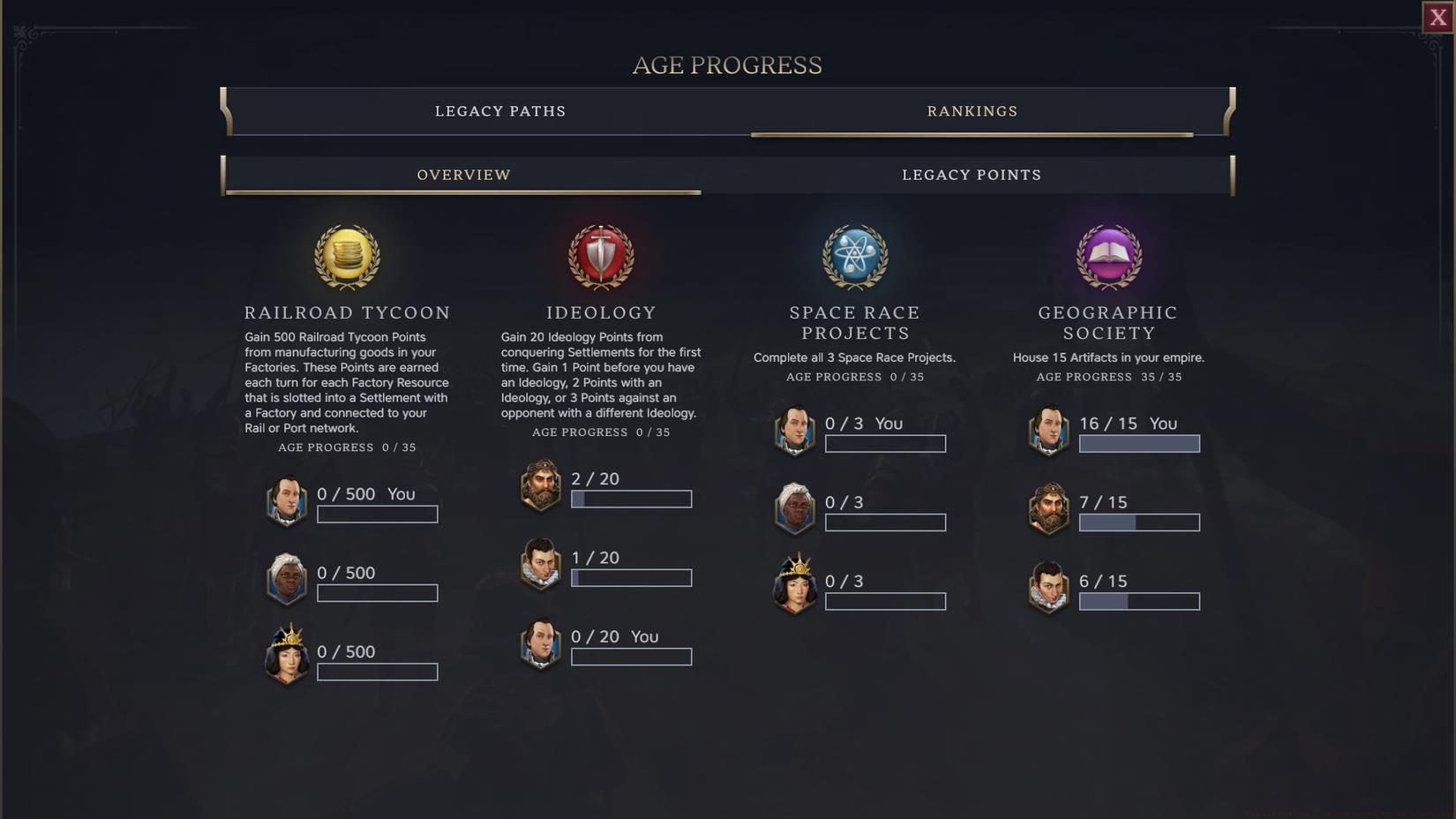
Image: Firaxis/2K Games via Polygon
This sensation of strategic disorientation previously deterred me from fully engaging with earlier Civilization titles, despite enjoying limited gameplay sessions. Through repeated experience across multiple franchise iterations before Civilization 7, I discovered a crucial insight: Strategic confusion represents an expected and necessary phase of the learning process.
The Civilization series deliberately incorporates multifaceted systems with numerous interdependent components activating each turn. Feeling overwhelmed when confronting hundreds of potentially critical data points represents a completely natural reaction. Common beginner questions include understanding production mechanics, science research requirements, happiness system impacts, unit movement variations, and unexpected diplomatic declarations. These inquiries reflect standard learning progression, and your emotional response is valid. While you’ll likely make numerous strategic errors initially, here’s the encouraging reality: Victory remains achievable even with multiple suboptimal decisions, provided you excel in one strategic dimension.
Civilization 7 emphasizes experiential learning through direct engagement. While external guides provide valuable specific answers – particularly when the in-game Civilopedia offers limited clarification – nothing substitutes for hands-on gameplay experience. For comprehensive strategic foundations, consult our Complete Guide to understand core gaming principles applicable across strategy titles.
During initial gameplay sessions, select leaders that resonate personally and civilizations aligning with your interests. You’ll interact extensively with your chosen leader while developing your civilization’s identity, so if you select historical figures like Confucius, ensure it stems from genuine interest in their philosophical contributions or historical significance. Personal connections and emotional investment in your civilization’s success – whether ancestral homeland representation or cultural affinity – provide motivation during periods of intense strategic uncertainty.
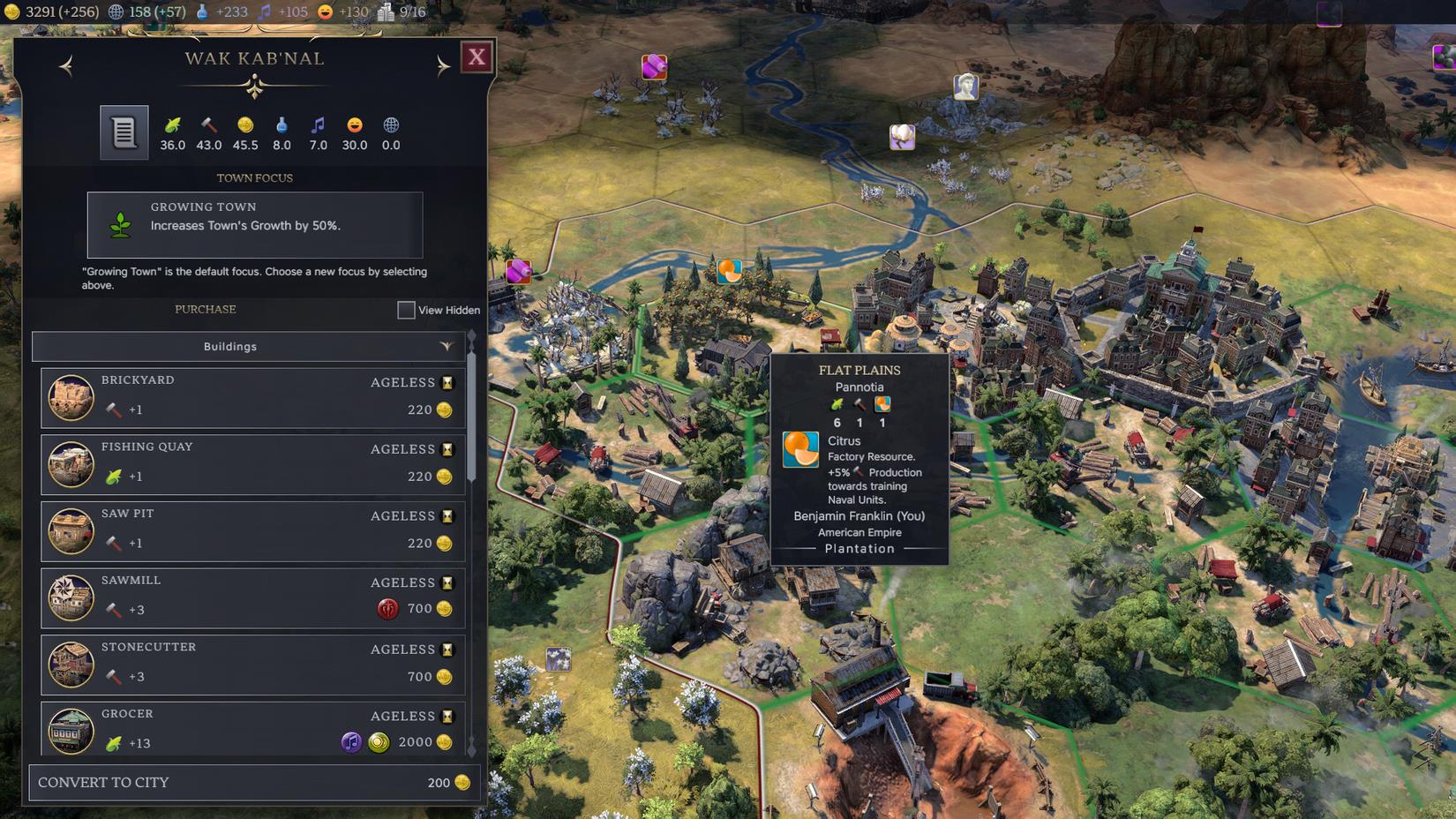
Image: Firaxis/2K Games via Polygon
Upon entering gameplay, commit to an advisor alignment that determines your primary victory trajectory. If global domination through military conquest appeals to you, pursue Military Victory following combat-focused guidance. Alternatively, if architectural wonders or religious development capture your interest, adhere to cultural advisor recommendations for Culture Victory attainment. This strategic specialization mirrors the focused approach needed in other tactical games, similar to mastering specific Weapons Unlock paths in shooter titles.
After establishing strategic direction, concentrate on maximizing your chosen specialization metric. Pursuing scientific advancement through Manhattan Project completion and Science Victory requires prioritizing science output above other considerations. Follow scientific advisor recommendations systematically. When encountering confusing situations like irregular unit movement patterns or unexpected battle outcomes, recognize that immediate comprehension isn’t essential – simply focus on enhancing scientific capabilities.
At standard difficulty settings, consistent advisor adherence frequently enables complete game victory, providing comprehensive understanding of that victory type’s mechanics. Subsequently, experiment with different civilizations, alternative leaders, and varied victory conditions in subsequent matches. As gameplay progresses, previously confusing elements become comprehensible, allowing knowledge integration with your established scientific civilization expertise or other specialized experience.
Advanced players should recognize that Civilization 7’s learning curve follows predictable phases: initial confusion (turns 1-50), strategic foundation building (turns 50-150), specialization mastery (turns 150-300), and endgame optimization (turns 300+). Common beginner mistakes include over-expanding too rapidly, neglecting defense during peaceful periods, and underestimating diplomatic relationship impacts. Optimal play involves balancing expansion with infrastructure development, maintaining defensive capabilities during apparent peace, and monitoring diplomatic status regularly.
For players transitioning from other strategy games, understanding Civilization 7’s unique mechanics requires approximately 10-15 hours of gameplay for basic competence and 40-50 hours for advanced strategic understanding. The progression system shares some conceptual similarities with Class Guide specialization in tactical shooters, where focused development in specific areas yields disproportionate benefits. Remember that Civilization mastery develops through cumulative experience across multiple playthroughs rather than perfect execution in isolated sessions.
Action Checklist
- Select civilization and leader based on personal interest rather than optimal statistics
- Choose primary victory path and commit to corresponding advisor guidance
- Focus resources on your chosen specialization (science, culture, military) while accepting temporary confusion in other areas
- Complete first game regardless of perceived mistakes to understand victory conditions
- Experiment with different civilizations and victory types in subsequent games to build comprehensive understanding
No reproduction without permission:Game Guides » Civilization 7 is supposed to be confusing Master Civilization 7 by embracing confusion, choosing strategic paths, and learning through practical gameplay experience