
TL;DR
- Disenchant rare items for crafting materials when focusing on long-term build optimization
- Sell unwanted gear with high affix counts (5-6 prefixes) for maximum gold profit
- Salvage quality items and socketed gear to obtain valuable enhancement materials
- Prioritize disenchanting over selling when crafting resources are scarce
- Use each method strategically based on your current build needs and resource availability
Managing your inventory effectively in Path of Exile 2 presents a strategic challenge that impacts your progression significantly. Players face three primary options for handling unwanted equipment: disenchanting for crafting materials, selling for immediate gold, or salvaging for specific enhancement resources. Each approach serves different playstyles and progression goals, requiring careful consideration of your current needs and long-term objectives. Understanding when to utilize each method can dramatically accelerate your character development and resource accumulation.
Disenchanting transforms magic (blue) and superior rarity items (yellow and orange) into valuable crafting shards. These essential materials can be combined to upgrade your existing equipment, potentially matching the rarity of the disenchanted source item. This process is fundamental for players committed to crafting their perfect gear rather than relying on random drops.
To access disenchanting services, locate Una in Act 1 – similar NPCs appear in all major settlements throughout your journey. Simply select the Disenchant Items option beneath the regular selling interface, and your character will convert selected equipment into corresponding shards. Pro tip: disenchant items in batches to maximize efficiency and minimize travel time between vendors.
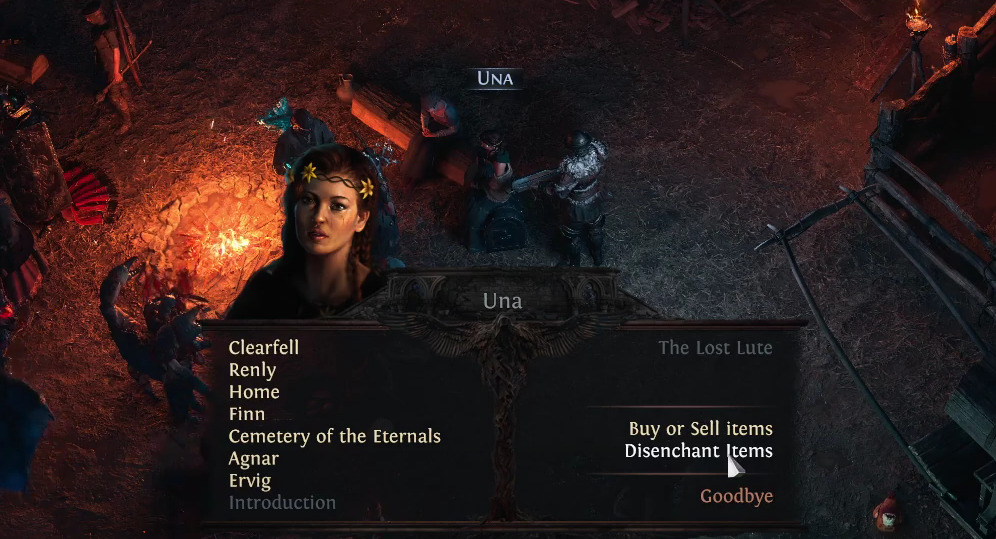
Disenchanting proves invaluable for players focused on sustainable character development and build refinement through crafting. Consider disenchanting when:
- You aim to reduce expenses on purchasing rare items from other players
- Your strategy involves systematic improvement of current equipment through crafting
- You’re building a stockpile of materials for future high-level crafting projects
- You prefer self-sufficiency over relying on trade markets
Common mistake: disenchanting low-level magic items early game when gold is more valuable. Save disenchanting for rare and unique items where crafting materials provide better ROI.
Selling loot offers immediate financial returns through gold acquisition, which can be invested in new equipment, consumables, or services. This straightforward approach benefits players needing quick liquidity or those who haven’t yet developed their crafting infrastructure. The decision to sell should factor in both immediate needs and long-term opportunity costs.
Optimal selling scenarios include:
- Found items offer no value to your current build or future plans
- Immediate gold requirements for crucial purchases or services
- Items possess high affix counts (5-6 properties) maximizing sale value
- Early game progression when crafting resources exceed immediate utility
Strategic insight: if crafting materials for rare items are limited, prioritize disenchanting all rare discoveries over selling. Gold farming generally proves more efficient than material farming, making disenchanting the smarter long-term choice. Remember that affix quantity directly impacts sale price – items with 5-6 prefixes command premium prices and might be worth selling even when rare.
Time management tip: establish a routine of selling common items while banking rare pieces for disenchanting, creating an efficient resource flow that supports both immediate and future needs.
Salvaging represents the third loot management option, though it requires specific item conditions. Only weapons and armor possessing quality percentages or socketed items can be dismantled, making this a more selective but potentially rewarding process. The Salvage Bench becomes available after completing the “Secrets in The Dark” quest and receiving the “Finding the Forge” mission in Act 1.
Access the Salvage Bench by traveling to Ogham Village, locating Renly’s Workshop, and recovering his Smithing Tools. Completing this task unlocks the Salvage Bench in Clearfell camp, providing permanent access to dismantling services. This investment of time pays dividends throughout your PoE 2 journey.
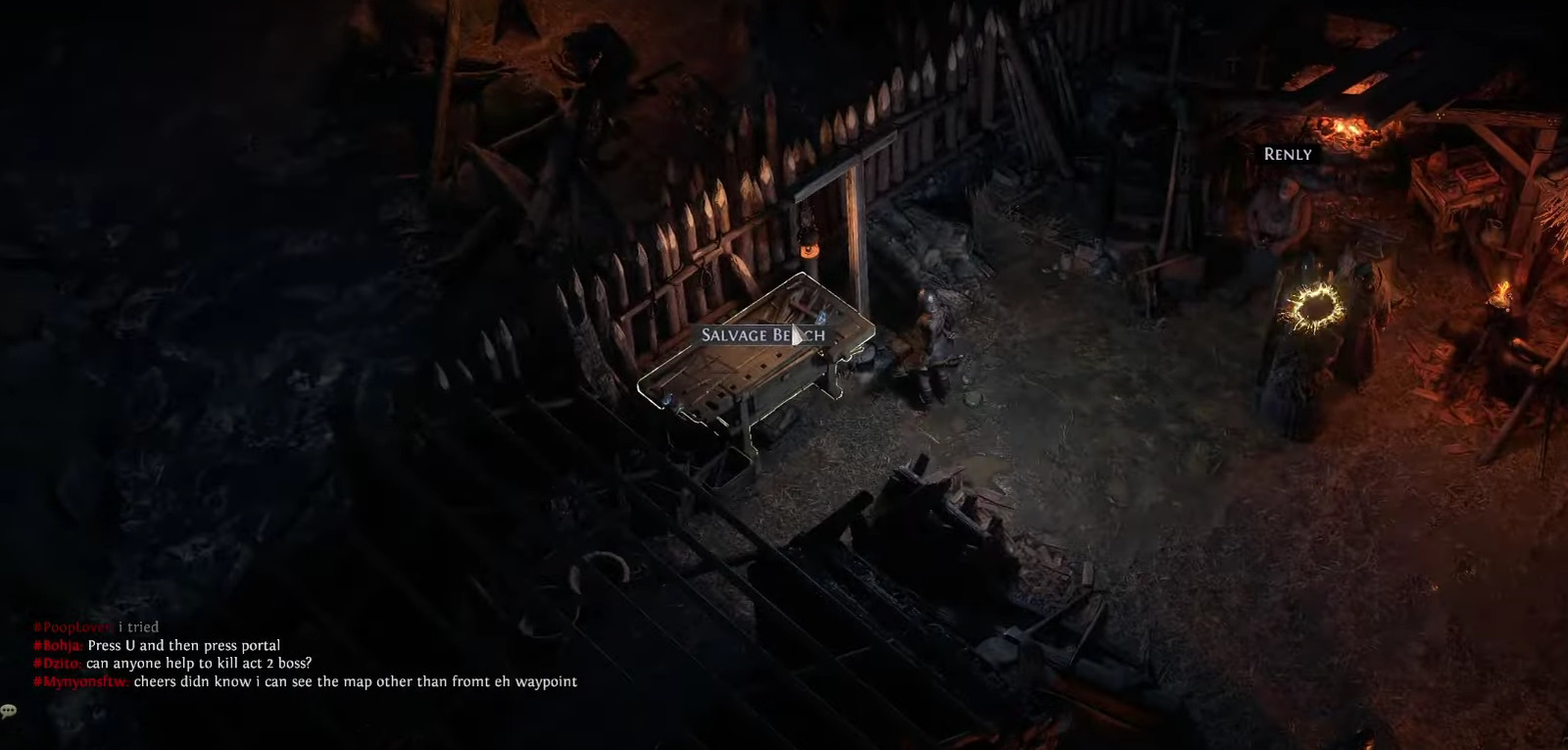
Salvaging yields three primary materials: Artificer’s Etcher for enhancing items, Armourer’s Scrap for armor quality improvement, and Blacksmith’s Whetstones for weapon enhancement. Socketed items provide Artificer’s Shards, which combine into Artificer’s Orbs – precious commodities that add Rune Sockets to gear, a crucial endgame enhancement.
Advanced strategy: prioritize salvaging high-quality items (20%+) as they return more valuable materials. Consider creating a dedicated salvage character to streamline the process and avoid cluttering your main inventory with enhancement materials.
Mastering loot management requires understanding the interplay between these three methods and applying them contextually. Disenchanting serves long-term build optimization, selling addresses immediate financial needs, and salvaging provides specialized enhancement materials. The most successful players develop intuitive decision-making based on their current progression stage and goals.
Early game (Acts 1-3): Focus on selling common items and disenchanting rare pieces. Gold acceleration proves more valuable than material stockpiling at this stage.
Mid game (Acts 4-6): Balance all three methods based on immediate needs. Begin salvaging quality items as enhancement becomes more important.
Endgame: Prioritize disenchanting and salvaging for crafting and enhancement. Gold becomes less critical compared to perfecting your build through targeted improvements.
Remember that market conditions and your build’s specific needs should always influence these decisions. Stay flexible and regularly reassess your strategy as new opportunities and challenges arise.
Disenchanting: Optimal for players focused on long-term equipment improvement through crafting. Best applied to high-rarity items when building material stockpiles for endgame enhancements.
Selling: Provides immediate gold for urgent needs or when items offer no crafting value. Most profitable with high-affix items (5-6 properties) during early to mid-game progression.
Salvaging: Essential for obtaining Artificer’s Orbs, Armourer’s Scrap, and Blacksmith’s Whetstones. Focus on quality items and socketed gear to maximize enhancement material returns.
Action Checklist
- Identify item rarity and affix count before deciding disposition
- Check current gold reserves versus crafting material needs
- Sell common items with 1-2 affixes for immediate gold
- Disenchant rare items with 3+ affixes for crafting materials
- Salvage quality items (20%+) and socketed gear at the bench
- Review and adjust strategy based on progression stage
No reproduction without permission:Game Guides » Disenchant, sell, or salvage items in Path of Exile 2. What to do with loot in PoE 2 Master PoE 2 loot management with expert disenchanting, selling, and salvaging strategies