
TL;DR
- Mid lane small camps removed, forcing more aggressive laning strategies
- Dire jungle ramp relocated to balance Roshan control between factions
- Outpost and bounty rune positions adjusted for fairer resource distribution
- Map changes specifically target Dire’s historical Roshan pit advantage
- New terrain requires complete rethinking of warding patterns and rotation timing
Games and Esports Articles Dota 2
Valve Corporation launched the transformative Dota 2 patch 7.32 on August 23, introducing sweeping modifications that fundamentally reshape competitive dynamics. Beyond the expected hero balancing and Primal Beast’s Captain’s Mode debut, the most impactful alterations involve comprehensive terrain restructuring that demands strategic adaptation from all players.
These deliberate map adjustments specifically address longstanding competitive imbalances, particularly targeting Dire’s traditional Roshan control superiority. The redesign also elevates mid lane significance by eliminating easy recovery mechanisms, forcing mid players to demonstrate superior mechanical skills and strategic decision-making throughout the laning phase.
The terrain modifications represent Valve’s continued commitment to competitive parity, following similar successful rebalancing efforts in previous major updates. Understanding these changes provides critical advantages in both ranked matchmaking and professional competition.
Complete elimination of small neutral camps adjacent to mid lane.
Previously, mid laners could efficiently farm nearby neutral camps between creep waves, allowing heroes with strong wave clear to accelerate their gold and experience gain disproportionately. This safety net enabled recovery from unfavorable lane matchups without requiring successful harassment or kill attempts against the opposing mid player.
Before the changes:
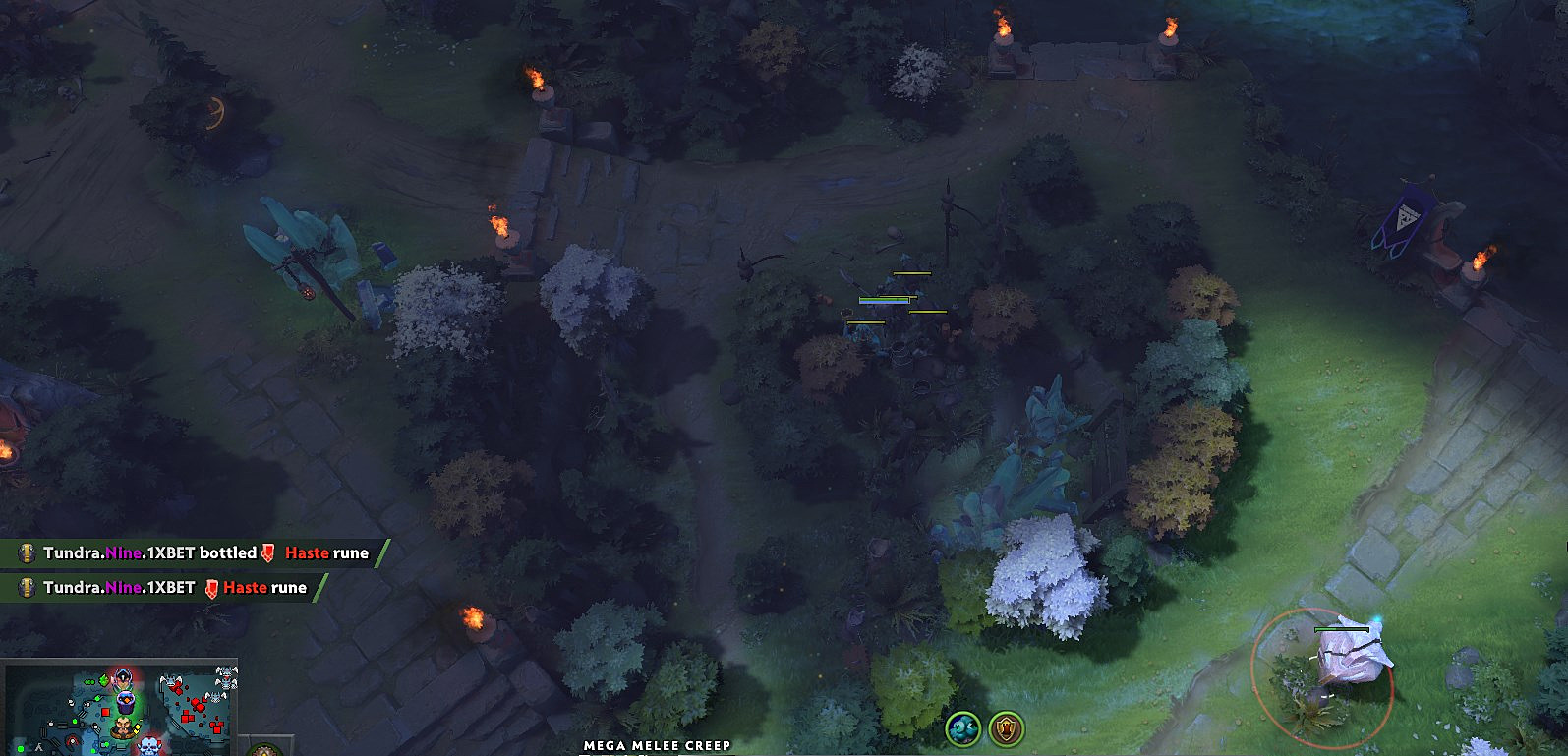
After the modifications:
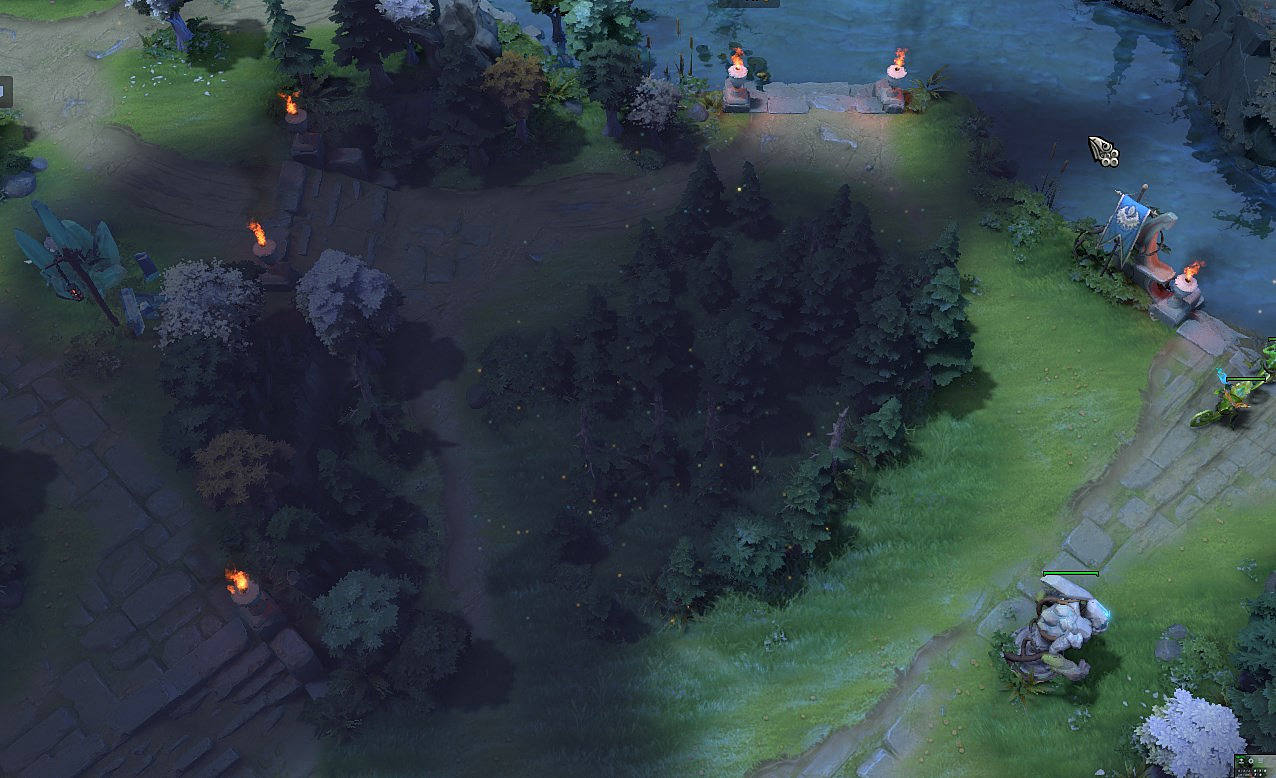
Strategic Impact: Heroes like Shadow Fiend, Kunkka, and Lina who previously dominated through efficient camp stacking and clearing now face significant farming limitations. This change rewards players with superior last-hitting accuracy and lane control mechanics while punishing passive farming strategies.
Common Mistake: Many players continue attempting to stack the now-removed camps, wasting valuable time and missing creep wave opportunities. Successful adaptation requires focusing entirely on lane dominance and strategic rotation timing.
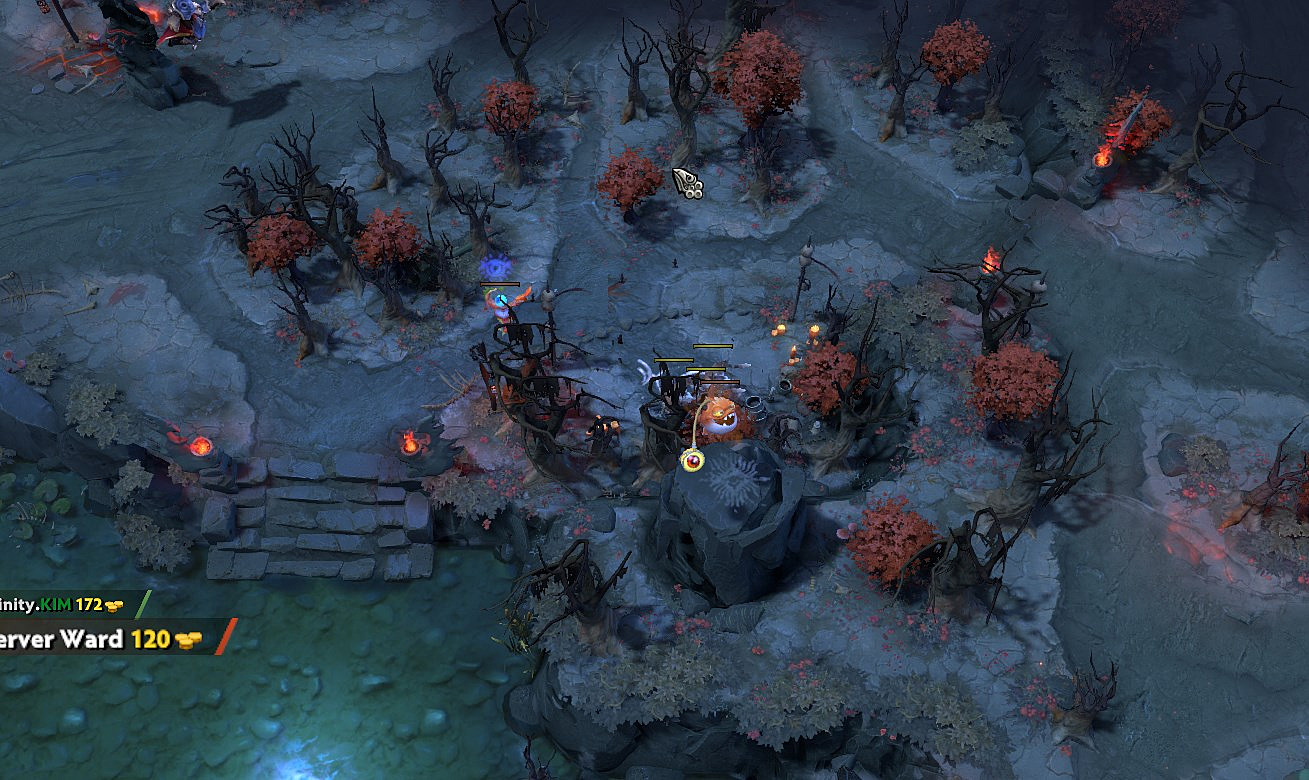
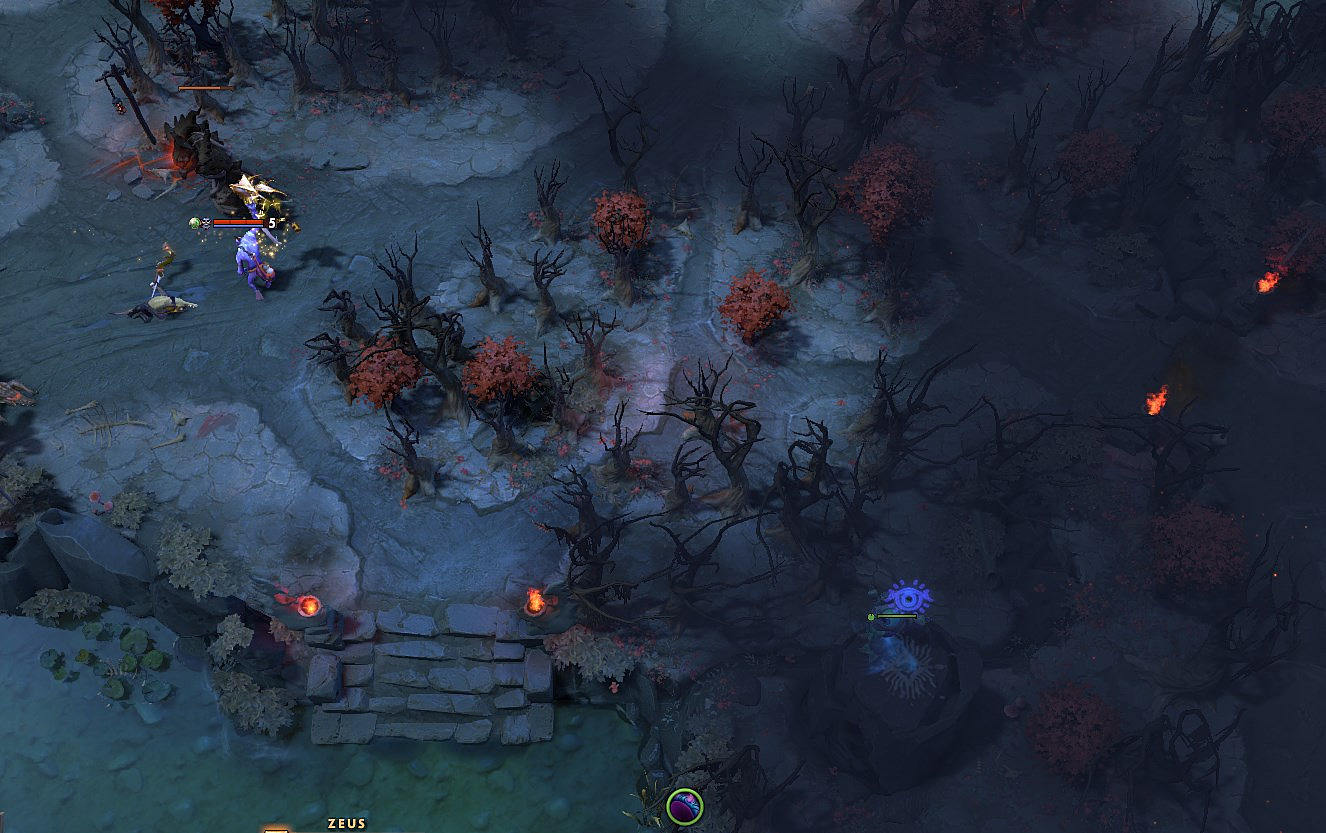
Strategic repositioning of Dire ramp into jungle territory with outpost and bounty rune displacement.
The relocated ramp creates more symmetrical access routes to the Roshan pit, directly countering Dire’s historical advantage in late-game objective control. This adjustment forces both teams to commit similar resources for Roshan attempts, eliminating the previous imbalance where Dire could contest with superior positioning.
Before the terrain modifications:
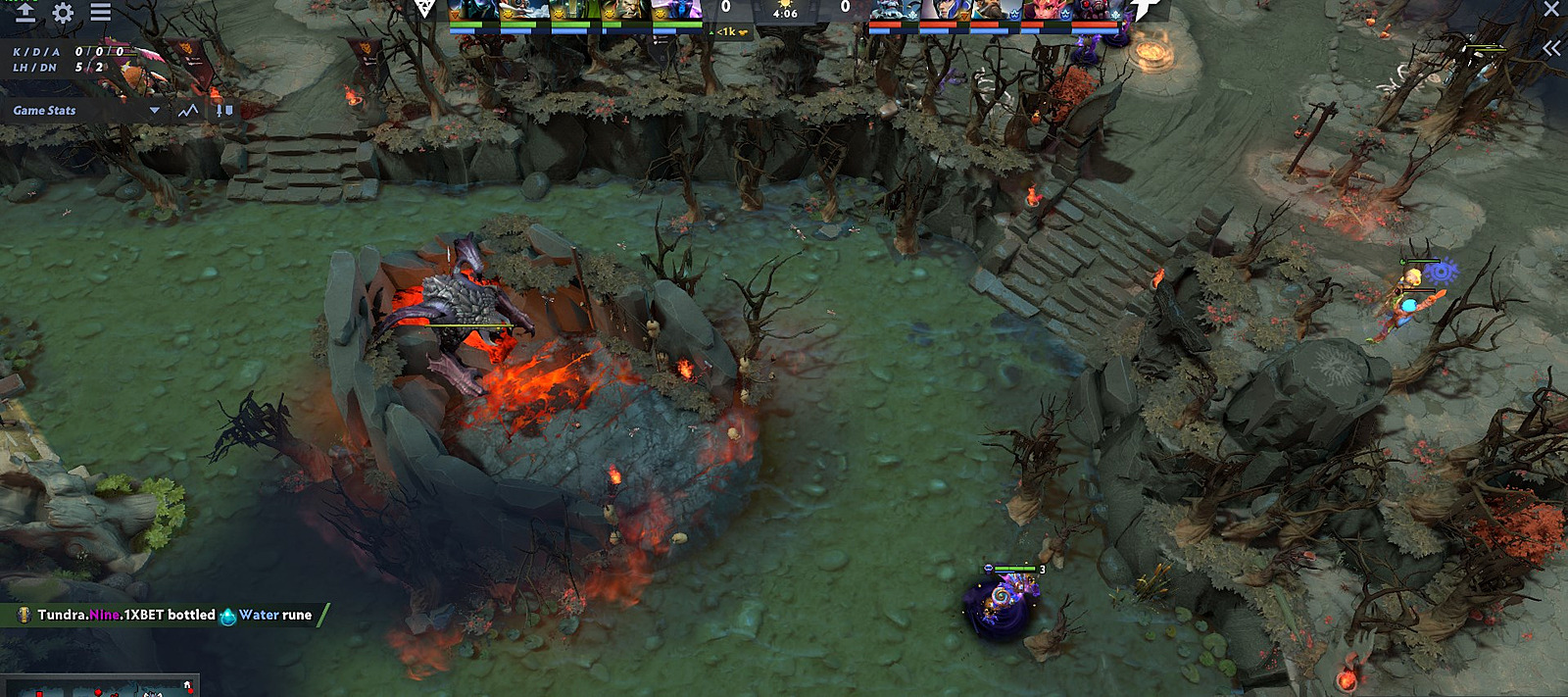
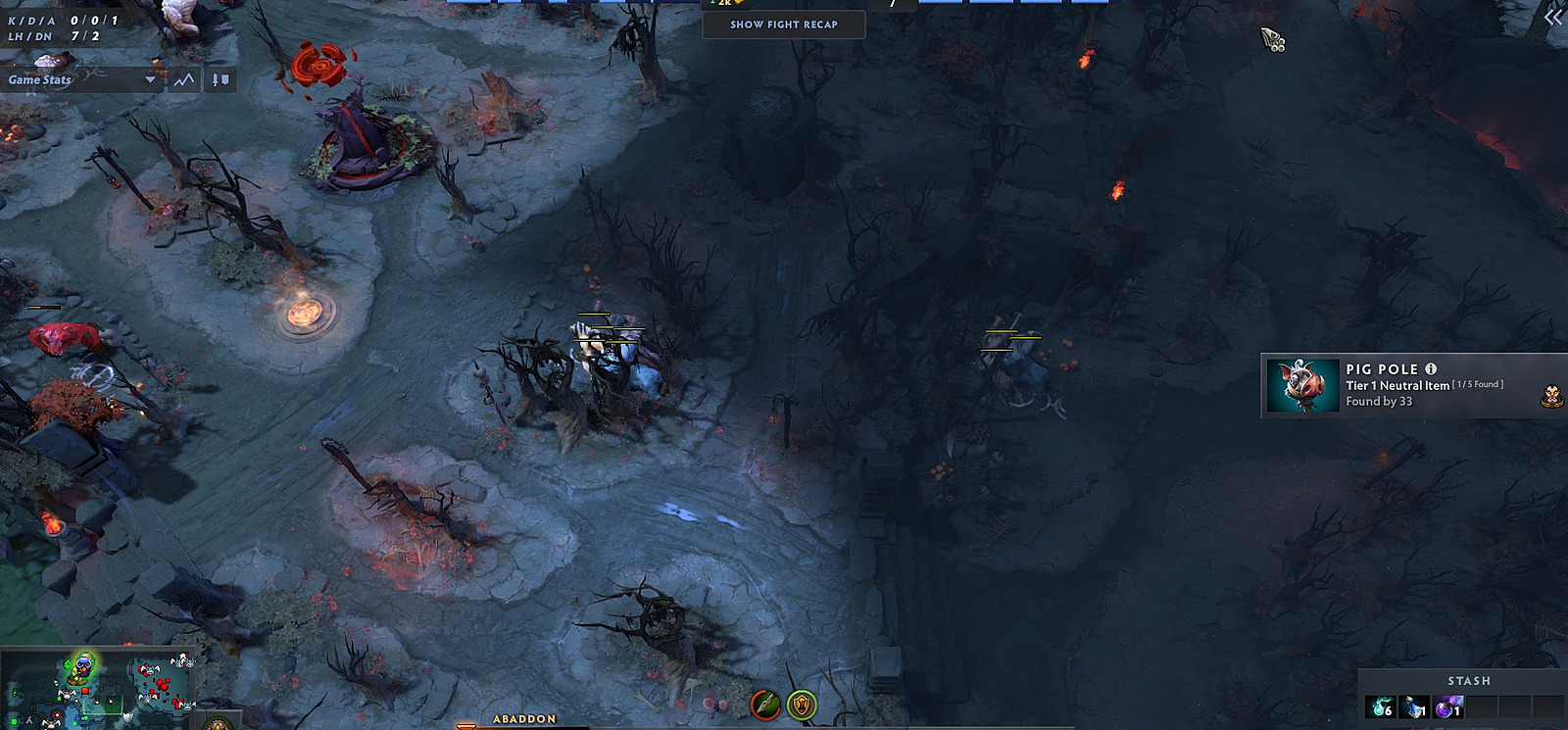
After the implementation:
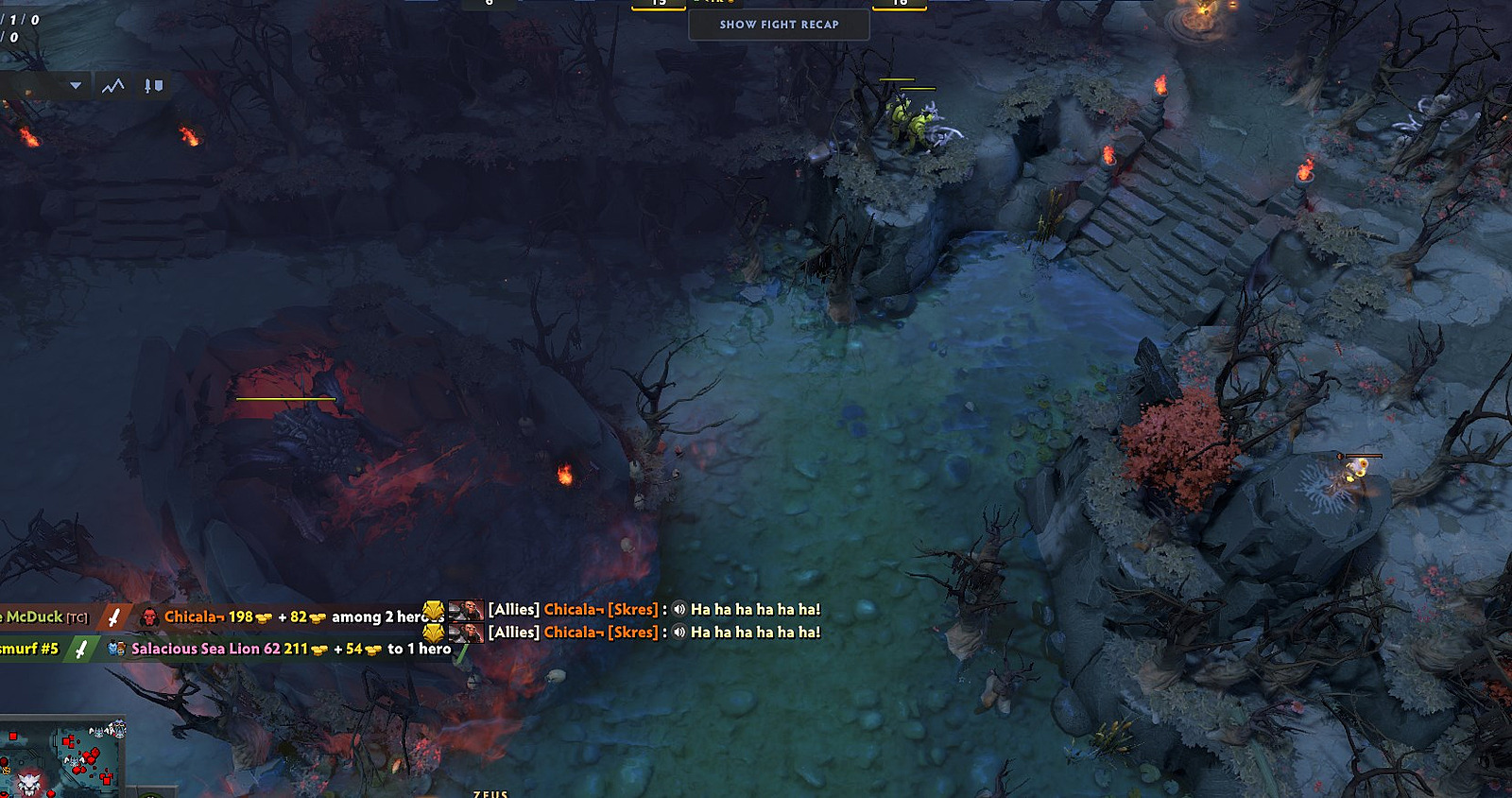
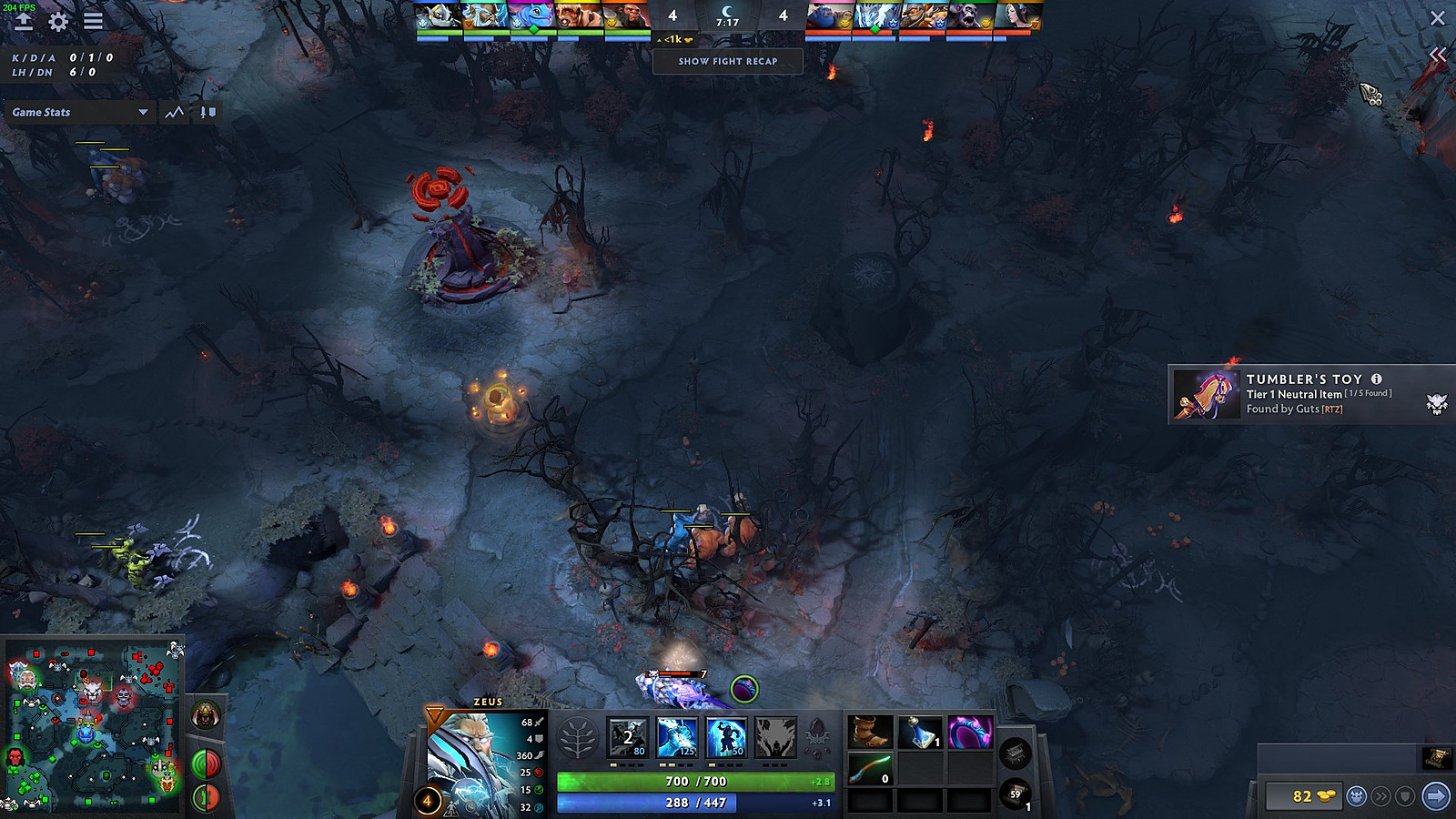
Advanced Warding Strategy: The new ramp position requires completely revised vision placement. Optimal ward spots now cover the extended jungle pathways while maintaining Roshan pit visibility. Teams must coordinate sentry placement to deward these high-value vision points efficiently.
Rotation Timing: With bounty runes positioned further from lane, securing them demands more deliberate team coordination and timing awareness. This change particularly impacts position 4 supports who previously could easily collect runes during lane rotations.
Meta Shift Projections: These terrain alterations will likely elevate heroes with strong laning presence and independent farming capabilities. Mobile heroes who can efficiently transition between lanes gain significant value in the new landscape.
Team Composition Strategy: Successful drafts now prioritize heroes that don’t rely on nearby jungle camps during early laning phases. Consider incorporating our Class Guide principles for optimal role specialization and synergy.
Vision Game Evolution: The modified terrain demands innovative warding techniques. High-ground vision points near the new ramp positions become crucially valuable for both offensive and defensive playmaking.
Professional Adaptation Timeline: Based on previous major terrain changes, expect professional teams to require 2-3 weeks of scrimmage practice to fully adapt their strategies. Amateur players should study emerging professional patterns for rapid skill improvement.
Resource Management: With reduced early-game farming options, efficient gold and experience distribution becomes more critical. Teams must carefully coordinate resource allocation to ensure core heroes reach critical timings despite the more challenging environment.
Action Checklist
- Practice last-hitting extensively in custom lobbies to compensate for removed mid lane camps
- Study new warding positions in demo mode, focusing on ramp vision and Roshan approaches
- Adjust hero pool preferences toward lane-dominant characters with independent farming capabilities
- Coordinate with team for bounty rune timings and outpost control rotations
- Analyze professional matches to identify emerging strategies and adaptation patterns
No reproduction without permission:Game Guides » Dota 2 patch 7.32 map terrain changes Comprehensive analysis of Dota 2 patch 7.32 terrain changes and strategic implications for competitive play