
TL;DR
- Invoker recreates the universe 12,404 times trying to save his daughter Filomena from terminal illness
- Mirana faces the ultimate choice: keep her lovers alive in a doomed reality or restore the original world without them
- The finale reveals cosmic balance between sun and moon goddesses with profound character resolutions
- Davion sacrifices himself as the last dragon while Filomena achieves unexpected healing
- The ending establishes new divine order while leaving philosophical questions about love and sacrifice
Games and Esports Articles Dota 2
Netflix released the highly anticipated DOTA: Dragon’s Blood Book 3 on August 11, delivering a stunning conclusion to the anime series that has captivated Dota 2 fans worldwide. This final season resolves complex narrative threads involving cosmic powers, divine conflicts, and deeply personal sacrifices that will reshape the entire universe.
Understanding the intricate finale requires revisiting Season 2’s pivotal moments, where character motivations and magical forces collided to set the stage for this universe-altering climax.
DOTA Dragon’s Blood Season 2 Ending Recap
Invoker’s Critical Decisions. The master magician faces Terrorblade’s wrath after reneging on their agreement involving ancient dragon souls. This betrayal establishes the foundation for Season 3’s cosmic conflicts and demonstrates Invoker’s willingness to manipulate reality itself for personal goals.
A weakened Selemene desperately appeals to her former lover for restored divinity, offering to eliminate Terrorblade in exchange. Invoker’s refusal highlights his complex moral calculus and sets up his ultimate motivations.
Fymryn’s Divine Awakening. Through Invoker’s revelations, Fymryn discovers she embodies Mene’s celestial essence as the sun goddess reincarnated. The mage pressures her to assassinate Selemene, creating profound internal conflict that ultimately leads to Selemene’s accidental release.
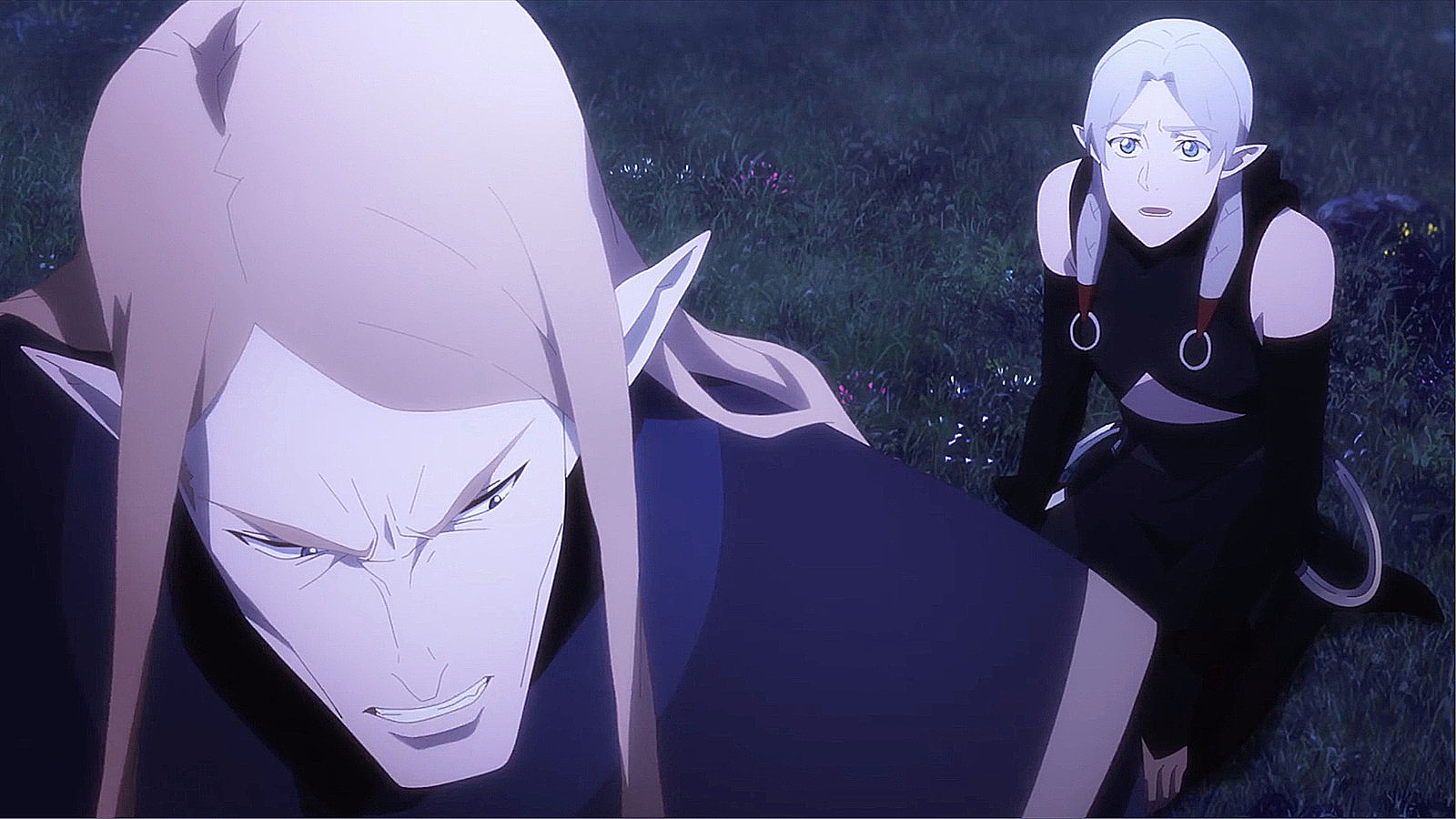
Selemene’s Imprisonment and Escape. Following her defeat by Terrorblade, the deposed moon goddess finds herself captive in Invoker’s fortress. Fymryn’s intervention leads to a pivotal tomb visit where Selemene miraculously regains her powers through mystical flora, enabling her dramatic prison break.
The Void Dragon Confrontation. Mirana leads her companions against Kashurra, the cosmic entity disguised as imperial aide. The devastating battle claims Lina and Auroth before culminating in Marci’s tragic death, which triggers Mirana’s awakening as the Sun Empress with world-changing abilities.
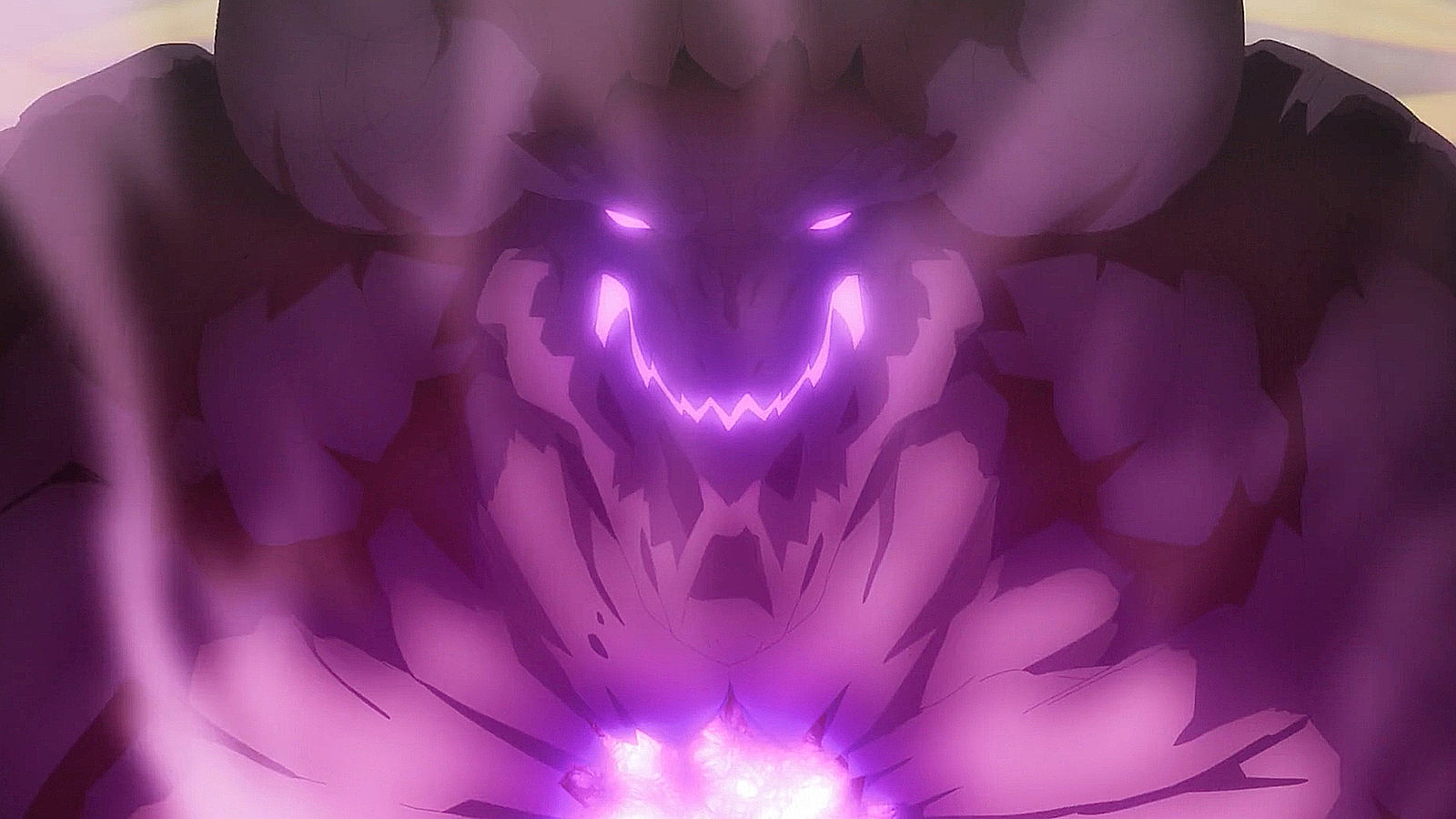
Post-victory, Mirana ascends to Helio’s throne while Davion, freed from Slyrak’s influence, prepares for his destined confrontation with Terrorblade in the Foulfell realm.
The Ending of DOTA: Dragon’s Blood Season 3
Invoker initiates his most ambitious project yet, harnessing eight Eldwurm souls through the Forge of Creation to completely remake existence. His newly crafted reality includes the Mad Moon phenomenon and features his daughter Filomena restored to life, but cosmic instability causes catastrophic collapse that annihilates everything except his protected tower sanctuary.
Davion, now embodying the last remaining dragon essence, confronts Invoker about his world-destroying actions. Their climactic battle sees the mage absorbing Davion’s draconic powers, enabling him to activate the Forge for the 12,404th universal recreation.
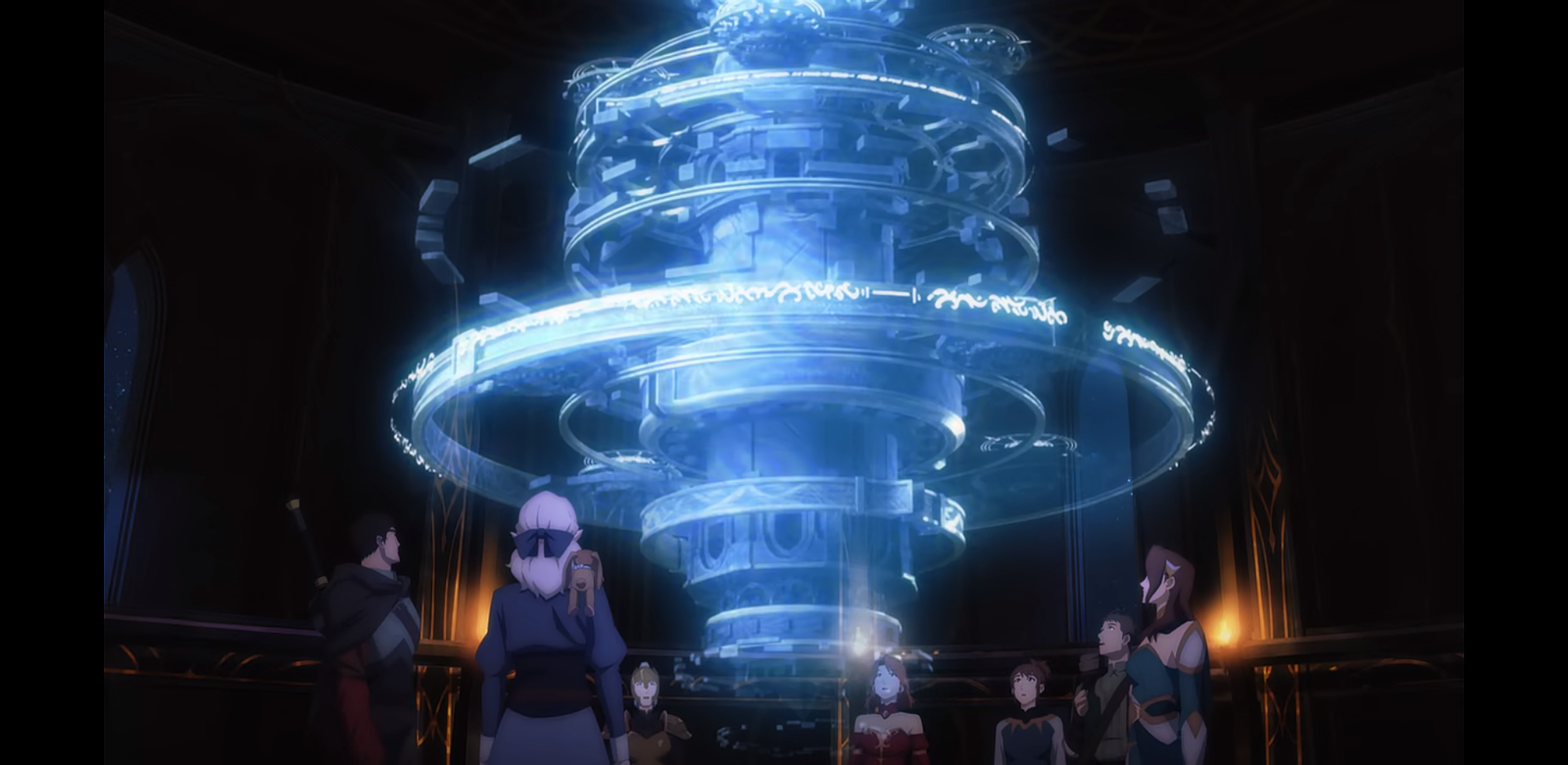
Fymryn, now fully manifested as Mene the moon goddess, engineers Mirana’s escape from magical confinement. Together they approach Filomena, hoping she can reason with her obsessed father about his destructive cosmic engineering.
The younger woman presents undeniable evidence of her incurable condition, demonstrating that even ultimate reality-shaping power cannot heal her affliction. This revelation forces Invoker to confront the painful truth that perfection remains unattainable regardless of his godlike abilities.
Filomena then proposes a radical solution: Mirana must use her combined Sun Empress and Worldwyrm Eye powers to restore the original timeline, despite the heartbreaking personal consequences.

Mirana confronts the ultimate emotional dilemma: preserve her relationships with Davion and Marci in a doomed existence or return to the authentic world where both have sacrificed themselves.
After painful deliberation, Mirana chooses cosmic responsibility over personal happiness, bidding farewell to her loved ones before returning to the point following Terrorblade’s defeat and Davion’s Foulfell demise. Luna’s initial impulse to punish Invoker for his catastrophic actions gives way to understanding that his eternal separation from Filomena constitutes adequate divine punishment.
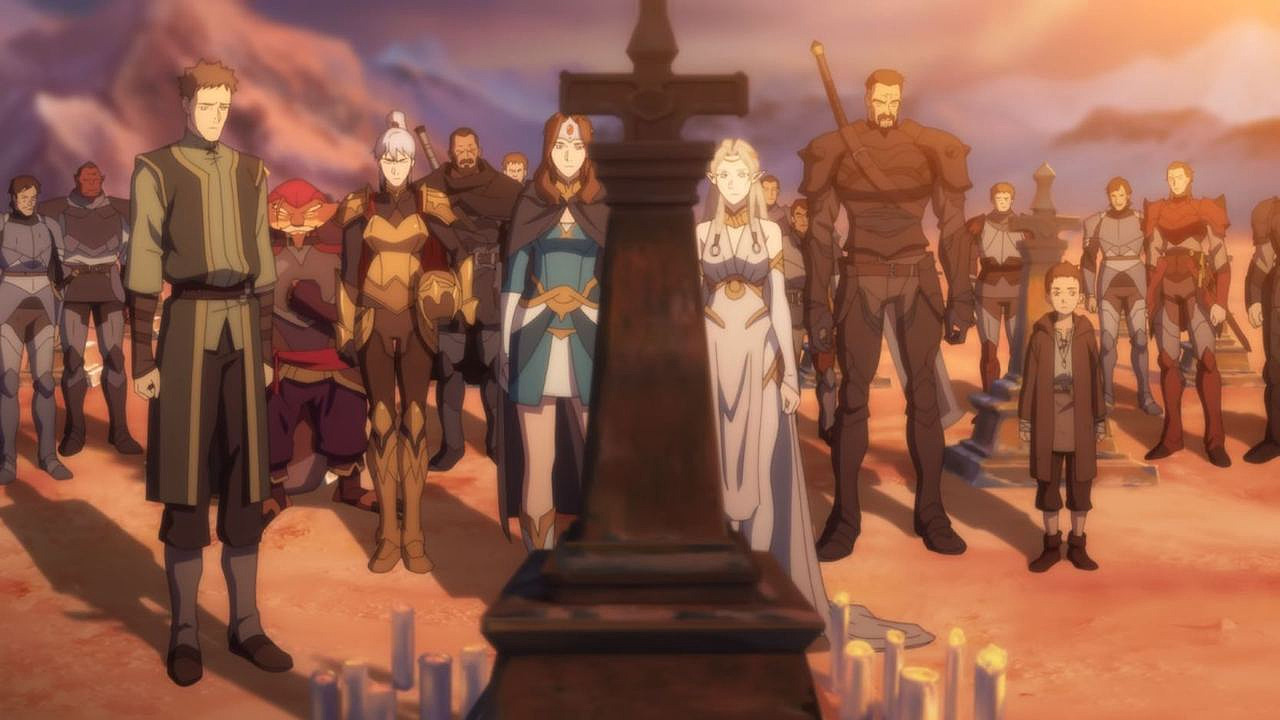
In the properly restored reality, the surviving heroes gather to honor the Dragon Knight’s memory. At Davion’s final resting place, the newly balanced goddesses Fymryn and Mirana pledge cooperation between lunar and solar domains.
Mirana settles her debt with the enigmatic Shopkeeper, presenting him with the Archronicus—Invoker’s comprehensive knowledge compendium.
The concluding sequences reveal Filomena miraculously healed and reconstructing her father’s devastated stronghold. Her poignant question “Do you love me?” echoes through the restored cosmos, suggesting that emotional connections may transcend even reality-altering magic.
This resolution establishes profound character growth arcs: Mirana evolves from princess to cosmic guardian, Invoker learns acceptance through loss, and Fymryn embraces her divine purpose without losing her compassionate nature.
The Season 3 finale masterfully explores complex philosophical themes including the nature of sacrifice, the limits of power, and the eternal conflict between personal desire and cosmic responsibility. The narrative demonstrates that even godlike abilities cannot overcome certain fundamental truths about existence and relationships.
For Dota 2 enthusiasts, the series provides fascinating backstory for multiple heroes while maintaining consistency with established game lore. The cosmic hierarchy and divine mechanics introduced expand understanding of the DOTA universe’s fundamental operations.
The resolution creates satisfying narrative symmetry while leaving room for future storytelling possibilities. The balanced conclusion between solar and lunar powers suggests a new era of cosmic stability following the resolution of divine conflicts.
The series successfully translates game mechanics into compelling narrative elements, with the Forge of Creation representing ultimate cosmic engineering and the Eldwurm souls embodying fundamental universal forces.
Action Checklist
- Re-watch Season 2 finale episodes to fully understand character motivations and power dynamics
- Focus on Invoker’s dialogue for clues about his universal recreation patterns and motivations
- Analyze Mirana’s character evolution from princess to cosmic empress throughout all three seasons
- Compare anime events with Dota 2 hero backstories and abilities for deeper lore appreciation
- Research the philosophical themes of sacrifice vs responsibility in character decision-making
No reproduction without permission:Game Guides » DOTA: Dragon’s Blood 3 Season ending Complete breakdown of DOTA: Dragon's Blood Season 3 finale with character analysis and universe implications