
TL;DR
- Team cohesion consistently outperforms individual stardom in competitive CS2
- Developing versatile roles and universal playstyles creates stronger team foundations
- Learning from elite players like ropz accelerates individual and team development
- Unconventional career paths can develop more adaptable and resilient players
- Confidence and firepower naturally improve when teams function cohesively
Games and Esports Articles CS 2
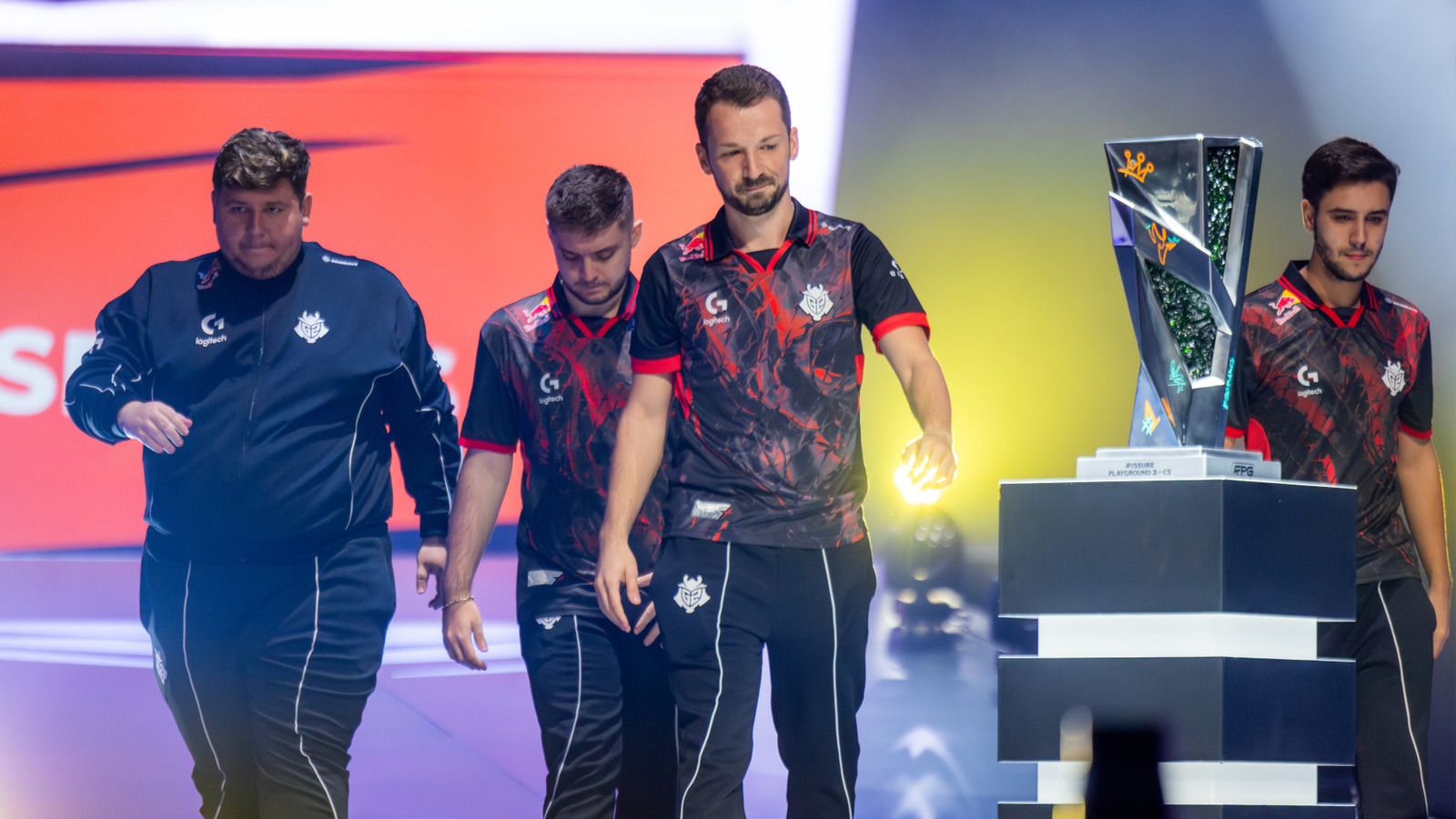
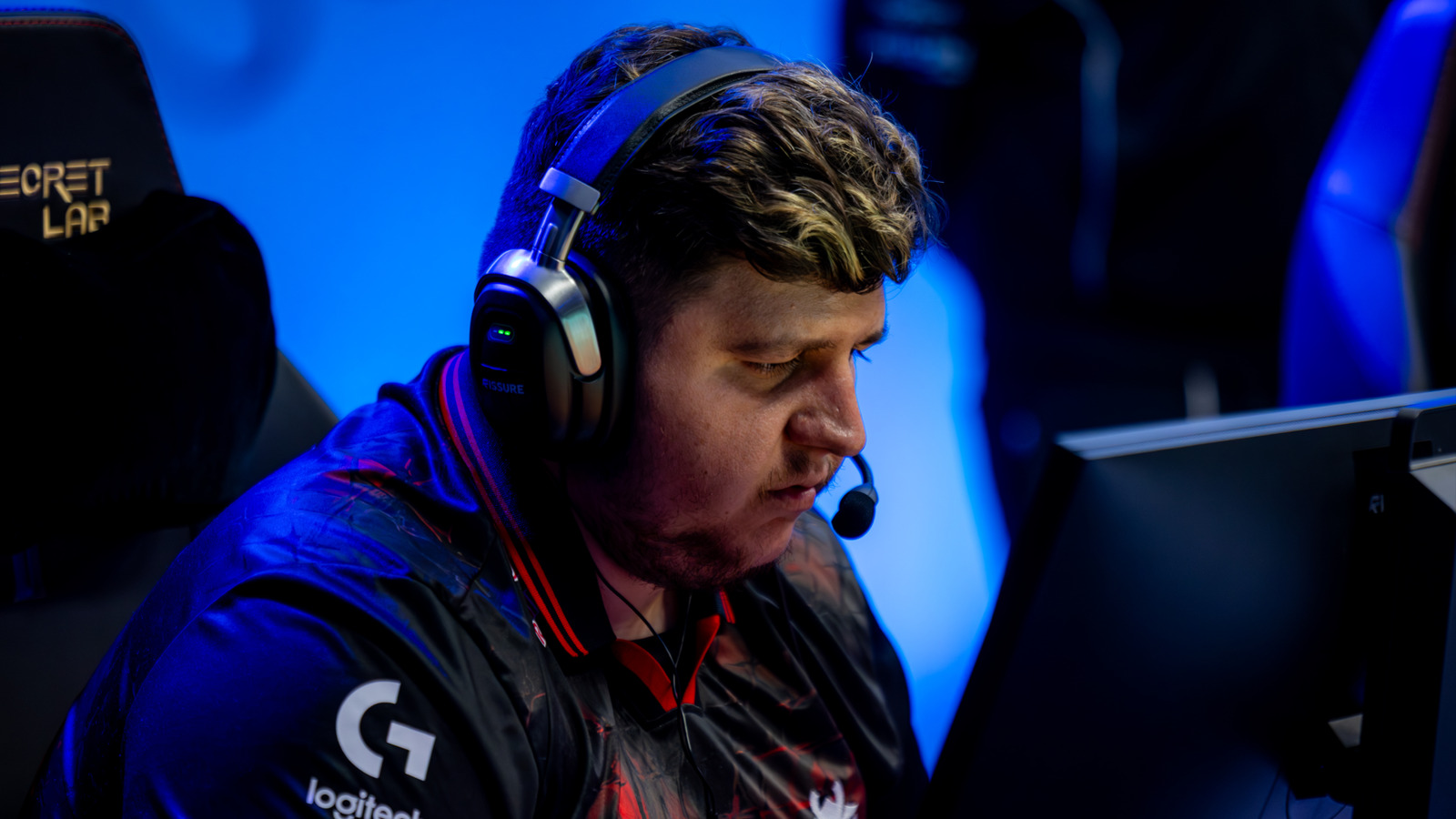
Nikita “HeavyGod” Martynenko shared insights during our pre-event discussion for FISSURE Playground #2. The emerging CS2 talent discussed G2 Esports’s recent performance trajectory and his unique approach to competitive growth. He champions collective coordination over individual brilliance, challenging the current superstar-dominated meta.
— Congratulations on your BLAST London championship and earning your first MVP award. Most analysts didn’t consider your squad among the tournament favorites. What specific objectives did your team establish going into this event, particularly following your impressive win against Spirit?
— Honestly, we approached the tournament with zero pressure or predetermined expectations. Our primary focus centered on demonstrating our collective Counter-Strike philosophy as a unified unit. Achieving tournament success mattered less than establishing our team identity and playing cohesive, disciplined CS. Naturally, advancing deeper into the bracket represented ideal progression, but we genuinely didn’t anticipate reaching the championship stage.
— When you reference “your CS,” does this represent a clearly defined strategic identity? How would you characterize your team’s distinctive approach and ultimate competitive aspirations?
— That’s challenging to articulate currently. Our roster has only competed together for approximately eight weeks, which provides insufficient time for developing sophisticated team signatures. We anticipate requiring at least six months to crystallize our strategic identity and understand each player’s optimal roles within various in-game scenarios. Currently, we operate with tactical versatility through structured defaults and coordinated plays rather than rigid stylistic constraints.
— Based on current HLTV statistical projections, you’ll likely secure a Top-20 player ranking this year. Where do you realistically see yourself positioned within that elite group?
— Predicting specific placement proves difficult since individual performance directly correlates with team success. I consciously avoid tracking personal statistics obsessively because collective achievement remains our paramount objective. If team victories coincide with personal recognition, that represents ideal synergy. However, team priorities consistently override individual accolades. If forced to estimate, perhaps 18th position seems plausible.
— Your current pure rating places you 7th globally, surpassing even ropz, whom you’ve frequently acknowledged as a role model. What specifically draws you to study his gameplay?
— Absolutely, I analyze his matches extensively because we operate in comparable roles and positions. Naturally, outperforming players you respect provides significant satisfaction and validation of your development path.
— Does your appreciation for ropz extend beyond positional similarities to include other distinctive qualities?
— His strategic approach aligns perfectly with my role requirements and positional preferences. More importantly, he demonstrates arguably the most sophisticated game sense in competitive Counter-Strike. I particularly admire his clutch decision-making and situational awareness, demonstrating exceptional cognitive processing under pressure. He consistently innovates with unique grenade techniques and utility applications developed through dedicated practice sessions. Studying his gameplay reveals innovative high-explosive placements, flashbang timing, and smoke executions that provide continuous learning opportunities.
— Your professional journey since 2021 includes nine different teams according to HLTV records. This represents an unconventional progression pattern compared to typical academy team promotions. What factors contributed to this distinctive career trajectory?
— Indeed, I’ve experienced considerable team transitions. Many early organizations represented temporary mixes rather than established professional structures. Critical success factors included maintaining belief in every team configuration I joined while maximizing my contribution to collective success. Relentless work ethic and continuous skill development characterized every team engagement, regardless of organizational stability. This development philosophy continues guiding my competitive approach without alternative pathways under consideration.
— During those transitional periods, did you encounter players demonstrating skill levels exceeding their team’s competitive tier? Individuals deserving higher-level opportunities?
— Certainly, I competed alongside several players possessing tier-1 capabilities while competing in lower-level environments. Specific names escape memory currently, but multiple teammates exhibited the technical proficiency and game understanding necessary for elite competition even during those developmental phases.
— You’re recognized for exceptional versatility both in-game and personally. Multilingual communication, role flexibility, and adaptive playmaking represent your distinctive strengths. However, what represents your genuine comfort zone? Given complete freedom to choose, which roles would you select?
— This presents difficulty because constant team adaptation has prevented establishing fixed positional preferences. I’ve consistently prioritized team needs over personal comfort, frequently adjusting roles according to collective requirements. Consequently, I lack clearly defined comfort positions. Anchor and lurker roles represent my most frequent assignments based on accumulated experience. Role flexibility remains non-negotiable, though anchoring and lurking provide foundational stability.
— When joining G2, how significant was the opportunity to compete alongside m0NESY? Did this represent a determining factor in your decision to join the organization?
— Certainly, playing with Ilya constituted a major attraction. His status as the world’s premier AWPer provided invaluable learning opportunities to observe his decision-making processes and movement patterns. G2 represented elite competitive infrastructure, and I joined during January following the Shanghai Major. The organization’s scale and resources significantly accelerated my professional development as a competitive player.
— Following m0NESY’s departure, your roster lacks conventional superstar talent. Statistically, you’ve emerged as the primary performer. Do you believe your collective-focused approach generates sustainable competitive advantages?
— Indeed, we currently operate without designated star players. While Ilya generated highlight-reel moments and fan excitement, within the team environment he functioned as another dedicated contributor rather than receiving special treatment. His work ethic matched everyone else’s commitment level without superstar mentality manifestations.
Currently, we maintain balanced firepower distribution rather than concentrated stardom. I consider malbsMd as a standout performer, but my lurker and anchor responsibilities don’t align with star role expectations. Statistical monitoring receives minimal attention because team victory represents the ultimate priority. Our roster composition differs significantly from organizations featuring ZywOo, donk, m0NESY, NiKo, kyousuke, and similar elite individuals. However, I firmly believe exceptional team coordination enables any roster configuration to achieve competitive excellence.
— Comparisons with NAVI seem appropriate, given their recent competitive struggles. Some analysts attribute their difficulties to firepower deficiencies or absence of star players. Are you concerned about experiencing similar challenges?
— Concern seems unwarranted because our current roster demonstrates substantial collective firepower. malbsMd, myself, huNter- and SunPayus all demonstrate capable fragging abilities without relying on singular carry performances. Continuous team-level improvement naturally enhances individual shooting performance through confidence building and coordinated play. Strong team fundamentals create environments where players naturally perform better individually through increased confidence and strategic support.
Pro Teamplay Development Strategy: Building elite team coordination requires systematic approach. Start with establishing clear communication protocols and role responsibilities. Develop shared understanding of default setups and economic management. Practice coordinated utility usage and timing synchronization. Focus on developing trust through consistent role execution and adaptive decision-making.
HuNter-: “I regret that I didn’t try to become a captain before”
G2 prevails even after losing their stars, and huNter- is ready to do his part.
Action Checklist
- Establish clear communication protocols and callout systems for your team
- Define and practice role-specific responsibilities for each map
- Develop coordinated utility usage for executes and retakes
- Analyze professional players in your role to identify advanced techniques
- Implement structured default setups and economic management strategies
No reproduction without permission:Game Guides » HeavyGod: “If a team has a very high level of teamplay, you can climb to the top with any roster”Exclusive CS2 pro HeavyGod reveals how elite teamplay triumphs over individual stardom in competitive gaming