
TL;DR
- Genesis Terminal uses demand-based pricing where rejected items get cheaper and accepted ones more expensive
- Red skins initially priced $500-$1500 due to historical new item inflation patterns
- Seven-day trade lock prevents immediate market comparison and price validation
- Valve’s implementation addresses gambling regulations while capturing more revenue
- Smart terminal usage requires patience and understanding of price volatility cycles
Games and Esports Articles CS 2
The Genesis Collection introduces a revolutionary acquisition method through the Genesis Uplink Terminal in CS2. This system fundamentally changes how players obtain premium cosmetics by offering five purchase attempts per unsealed case. The covert-tier weapons, commonly referred to as red skins, debuted with astonishing price tags that left many community members questioning the economic rationale.
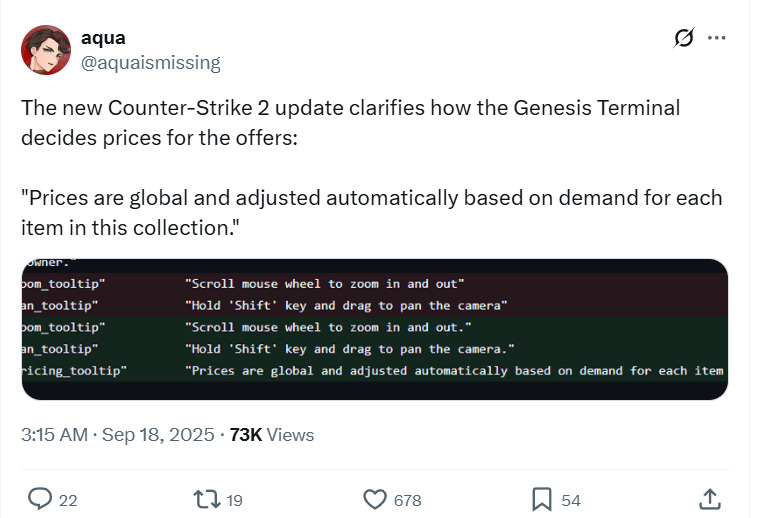
According to data mining expert Aqua’s analysis of game code, the pricing algorithm operates on a “demand” basis with continuous fluctuations. The mechanism appears to track player interaction patterns: items consistently declined by users gradually decrease in cost, while frequently selected options experience price appreciation. This creates a living economy where community behavior directly influences market values.
The seven-day trade restriction on Genesis skins creates an artificial market isolation, preventing immediate comparison with Steam Community Market listings. This temporary monopoly period allows Valve to test pricing strategies without external market pressure influencing player decisions during the critical initial adoption phase.
Why red skin prices are so high in Genesis case in CS2
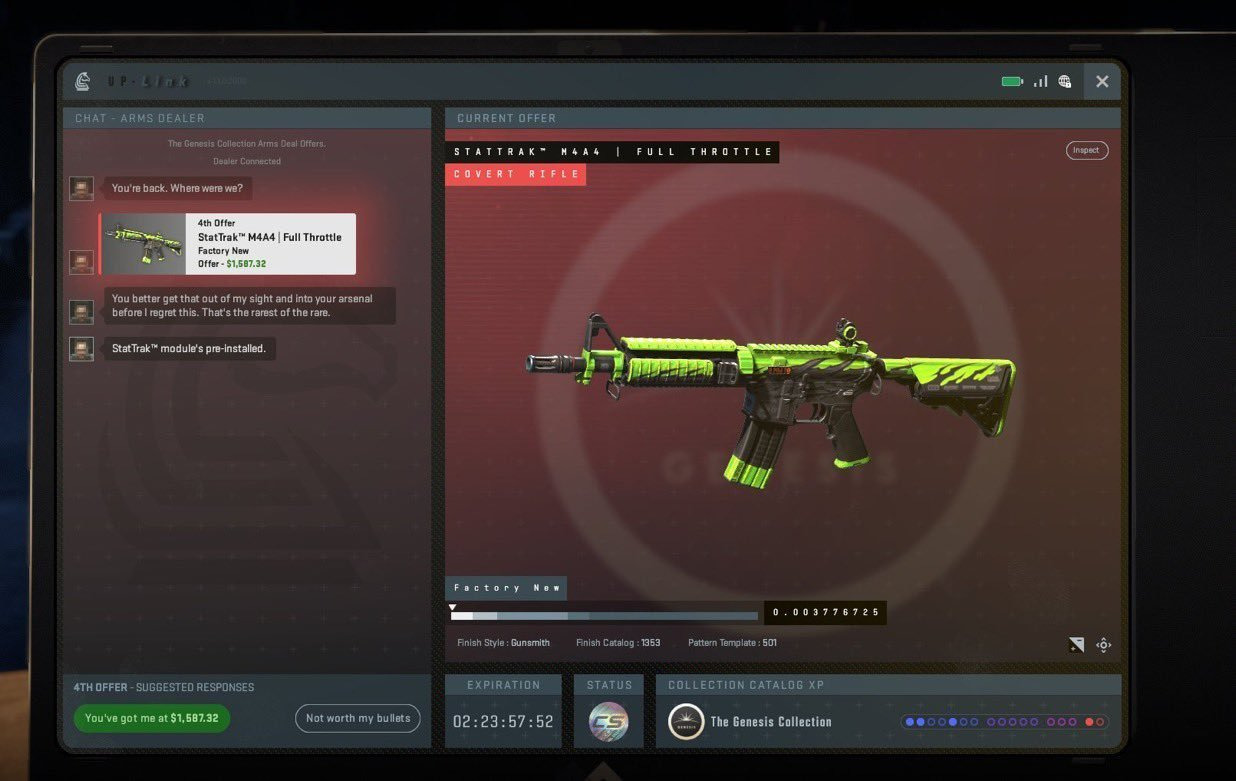
Community-shared evidence reveals staggering price ranges for covert weapons. During the first 24 hours post-update, the M4A4 | Eye of the Storm exhibited costs spanning from $500 to over $1,500, with StatTrak™ Factory New variants commanding the premium end of this spectrum.
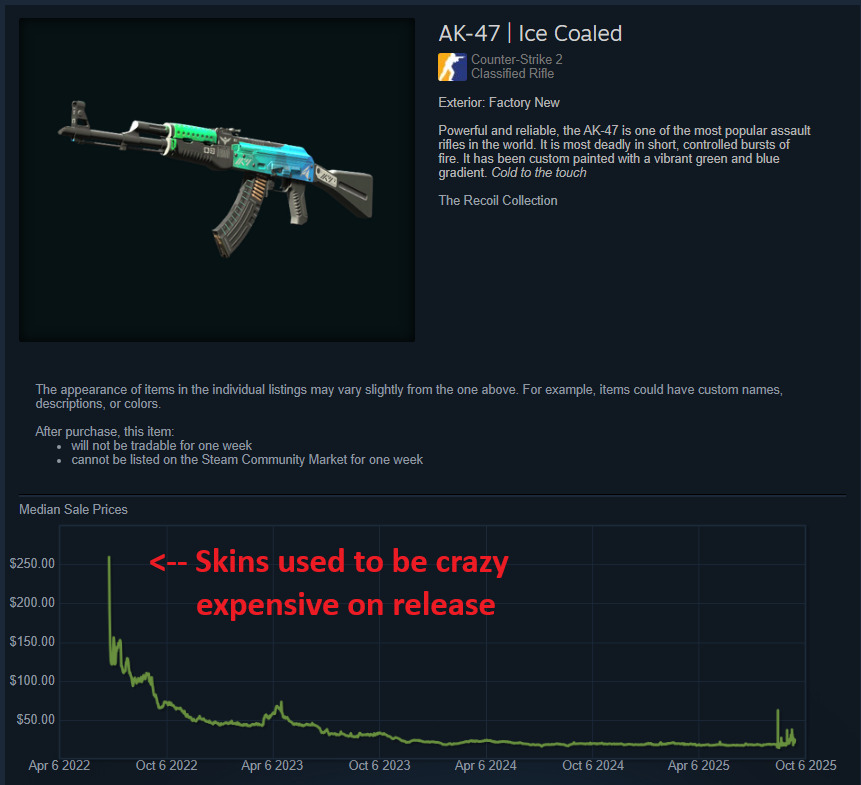
Professional skin trader Alkem1st contextualized these valuations within historical market patterns. He emphasized that newly released items traditionally experience significant price inflation during their debut period, often followed by substantial market corrections as supply increases and initial hype diminishes.
Historical data from previous case releases demonstrates consistent patterns of initial price exaggeration. When newly unboxed items could be immediately sold on the Steam Market, we observed similar phenomena where fresh cosmetics commanded premium prices before stabilizing. If the Uplink Terminal pricing references these historical new release price trajectories, the current valuations become more understandable.
From a strategic perspective, I strongly doubt Valve intends to permanently market $1500 skins as direct microtransactions. The company has demonstrated exceptional economic acumen in building a $5.5 billion in-game marketplace – they understand sustainable pricing models.
Alternatively, this could represent a testing phase for more aggressive monetization strategies.
Common mistakes include impulsive purchases during peak pricing periods without understanding the volatility cycles. Advanced players monitor rejection rates across community platforms to identify potential price drops before making acquisition decisions.
Why did Valve make new way of case opening with Genesis Terminal in CS2
Multiple strategic considerations likely influenced Valve’s implementation of this new acquisition system. The company appears to be proactively addressing tightening global gambling regulations. Nations like Belgium have already prohibited traditional case opening mechanics due to their gambling-like characteristics. While the Genesis Collection retains randomization elements, the completely free unsealing process and weekly drop availability create a risk-free evaluation environment where players can assess offers without financial commitment.
Revenue optimization represents another compelling motivation. Currently, Valve captures only 15% of Steam Market transactions and receives nothing from third-party marketplace activities. By offering potentially more attractive pricing through terminals, the company could capture 100% of skin sales revenue (minus creator shares) while redirecting economic activity from external platforms.
The implementation timing suggests Valve may be testing this model before broader rollout. Market impact assessment indicates potential disruption to established trading ecosystems if terminal purchasing becomes the dominant acquisition method for future collections.
Optimizing your terminal usage requires strategic patience and market awareness. Price volatility typically follows predictable patterns, with initial hype-driven inflation giving way to more reasonable valuations within 2-3 weeks. Advanced strategies involve tracking community rejection patterns through social media and dedicated tracking websites to identify optimal purchase timing.
Risk management approaches include setting strict budget limits before engaging with the terminal and avoiding emotional purchasing decisions. The seven-day trade lock means you cannot quickly liquidate positions if market sentiment shifts unexpectedly.
Long-term value considerations should focus on wear patterns and StatTrak variants, as these factors significantly influence long-term investment potential. Unlike traditional cases where you’re committed once opened, the terminal allows you to walk away from unfavorable offers without loss, making disciplined decision-making your most valuable asset.
For comprehensive gaming strategies beyond skin economics, our Complete Guide provides extensive tactical insights. Similarly, understanding Weapons Unlock systems and optimal Class Guide selections can dramatically improve your competitive performance across different gaming titles.
Action Checklist
- Monitor community rejection patterns on social media for 3-5 days before purchasing
- Set strict budget limits for terminal interactions before opening cases
- Track price history of similar-tier items from previous collections
- Wait 2-3 weeks post-release for potential price stabilization
- Focus acquisition strategy on preferred wear patterns and StatTrak variants
No reproduction without permission:Game Guides » How Genesis Terminal skin prices work in CS2. Why red items are so expensive in Genesis Collection Understanding CS2's Genesis Terminal pricing mechanics and why rare skins command premium values