
TL;DR
- Food generates growth moments that increase population when thresholds are met, not through direct consumption
- Strategic tile selection for farms and fishing boats forms your foundation for sustainable population growth
- Monitor settlement interface numbers to track current population and turns until next growth moment
- Leader bonuses and civilization traits provide early advantages but require proper tile management to maximize
- Tech and civic advancements significantly boost early tile yields through adjacency bonuses and improvements
Population expansion in Civilization 7 revolves entirely around your ability to generate sufficient Food yields from controlled territories. This critical resource doesn’t feed your citizens directly but instead accumulates toward growth moments – specific thresholds that trigger automatic population increases when reached.
Every new settlement begins with just one population point and expands organically as it produces more Food. The game’s unique mechanic means you’re not managing daily consumption but rather working toward these predetermined growth milestones. Once your settlement accumulates enough Food resources, you’ll automatically gain another citizen and can claim additional territory tiles.
You can monitor your demographic progress through the intuitive settlement interface. The circular indicator immediately following your settlement’s name displays current population count, while the numerical value beneath it shows remaining turns until your next growth moment occurs. This transparent tracking system allows for precise planning of expansion phases.
While Food and Production represent the two primary yields for settlement development, Food maintains particular importance since population growth enables access to tiles containing all other resource types. Without consistent Food generation, your ability to claim Production, Happiness, or additional Food tiles remains severely limited.
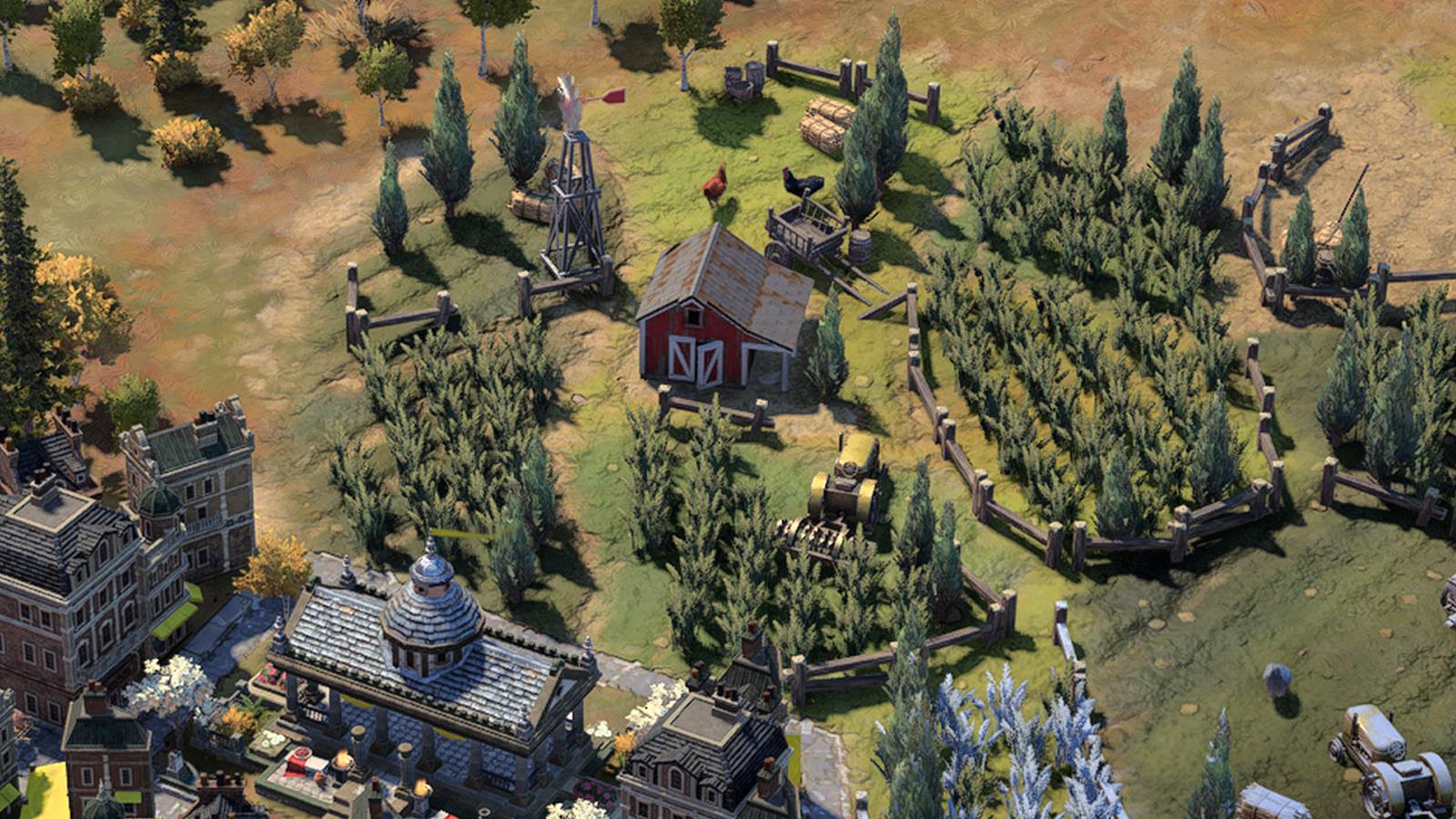
Your Food optimization journey begins before you even found your first settlement through strategic leader selection. Certain commanders like Ashoka, World Renouncer and Pachacuti provide inherent Food bonuses, while civilizations such as the Mississippian culture receive extra Food yields from specific terrain types. However, these initial advantages require proper execution to translate into meaningful growth.
The most reliable method for boosting Food production involves careful tile selection during settlement expansion. Prioritize territories that support farms and accommodate fishing boats, as these improvements form the backbone of sustainable population growth. Early-game yields might appear modest, but they establish the foundation for exponential growth through technological and civic advancements.
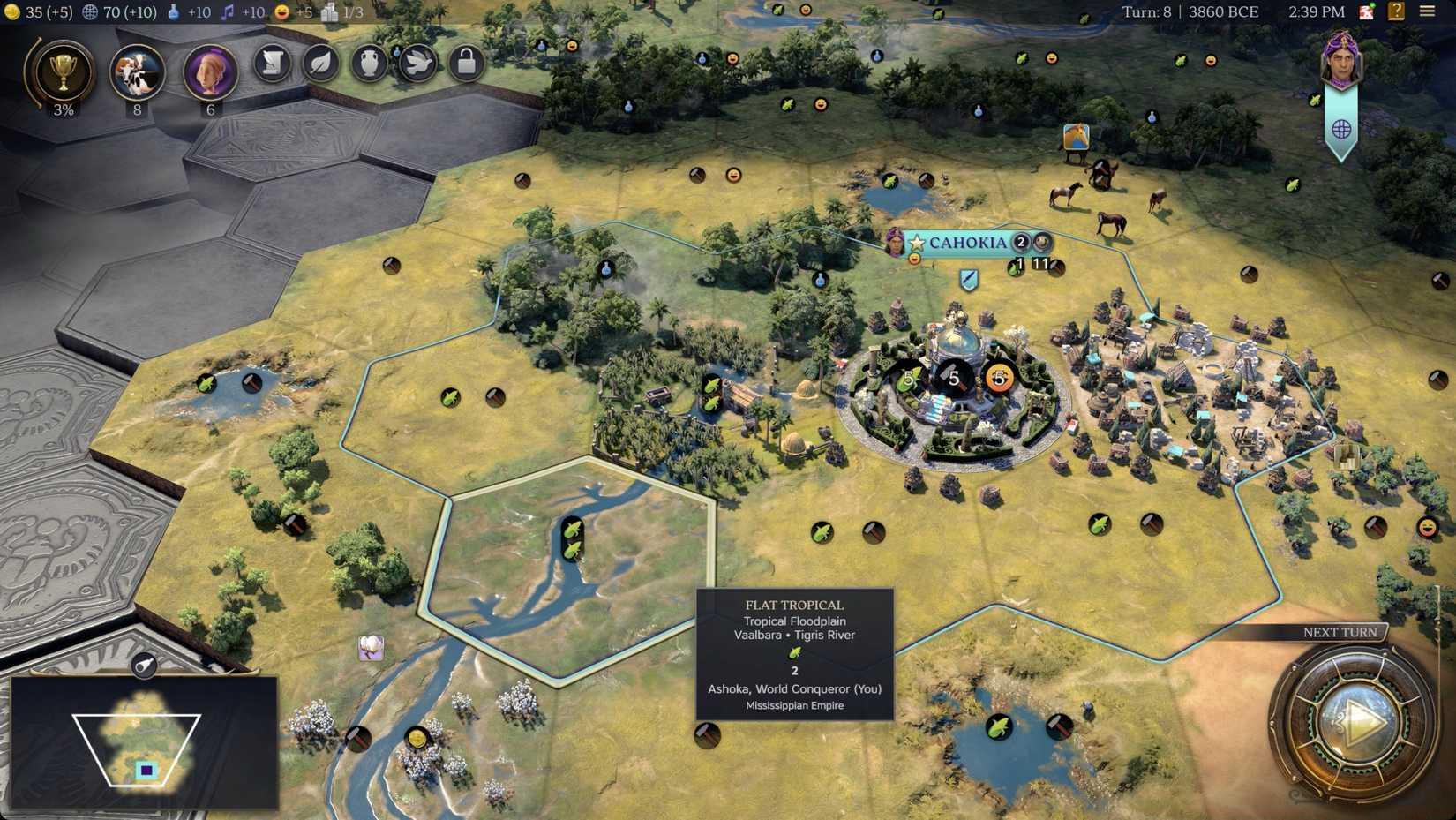
Image: Firaxis Games/2K Games via Polygon
Many new players make the critical mistake of abandoning promising Food tiles because initial yields seem insufficient. This represents a fundamental misunderstanding of Civilization 7’s progression system. Early farms and fishing operations dramatically increase in productivity as you research relevant technologies and unlock civic policies that enhance adjacency bonuses.
For players seeking comprehensive strategy guidance, our Complete Guide offers additional insights into resource management systems across different game genres, though the core principles of strategic planning remain consistent.
As your civilization progresses through technological eras, your Food production capabilities can be dramatically enhanced through strategic planning. The initial farms you established during early expansion phases become significantly more valuable when adjacent to other improvements or natural features. Understanding these synergy relationships separates competent players from truly dominant ones.
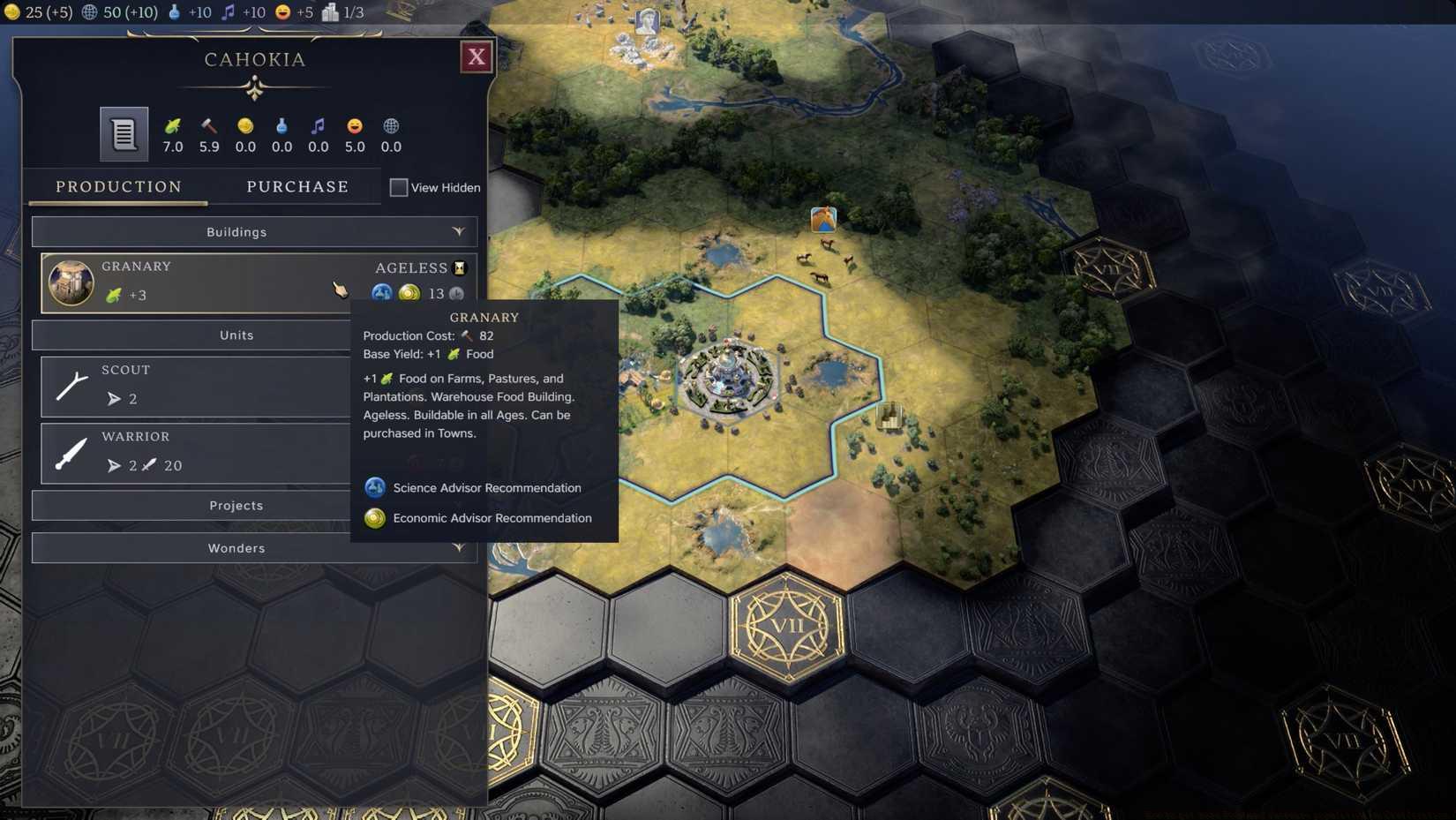
Image: Firaxis Games/2K Games via Polygon
Tech tree advancements specifically targeting agricultural development can triple or quadruple your early Food yields from properly positioned tiles. Meanwhile, civic policies that boost growth momentum can reduce the number of turns between growth moments, effectively accelerating your population expansion without requiring additional Food production.
Seasoned players often employ a ‘growth corridor’ strategy where they deliberately expand their settlements in specific directions to maximize adjacency bonuses between farms and other improvements. This calculated approach to territorial expansion ensures that each new citizen contributes to an increasingly efficient Food production network.
If you’re enjoying these strategic depth discussions, you might appreciate our Weapons Unlock guide for another game that rewards careful planning and resource allocation, though the specific mechanics understandably differ.

Image: Firaxis Games/2K Games via Polygon
One prevalent error among Civilization 7 players involves misunderstanding the relationship between Food production and actual population needs. Remember that citizens don’t consume Food – instead, accumulated Food triggers growth moments at specific thresholds. This means stockpiling excess Food provides no additional benefit once you’ve reached the next growth threshold.
Another frequent strategic misstep involves prioritizing immediate high-yield tiles over long-term growth potential. While a tile offering 3 Food might seem superior to one offering 1 Food early on, if the lower-yield tile enables superior adjacency bonuses after technological improvements, it often represents the smarter long-term investment.
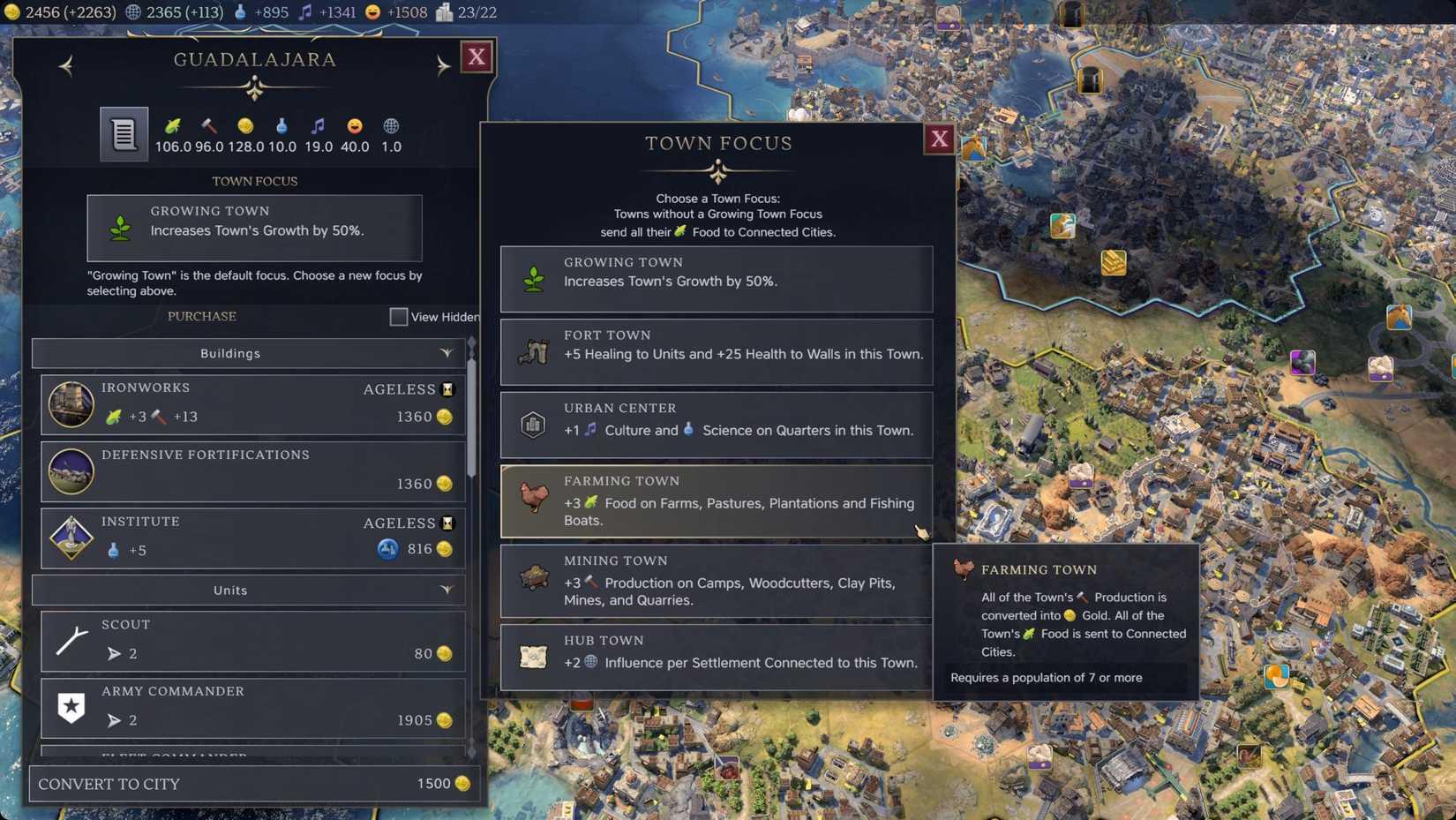
Image: Firaxis Games/2K Games via Polygon
Timing your infrastructure development incorrectly represents another common pitfall. Constructing Food-related buildings too early wastes production that could have been directed toward immediate growth, while building them too late misses crucial growth acceleration opportunities. The ideal timing typically coincides with when you’re approximately 3-5 turns from your next growth moment.
For players who appreciate understanding game mechanics across different titles, our Class Guide explores how strategic specialization functions in other gaming contexts, providing broader insights into resource allocation principles.
Action Checklist
- Monitor settlement interface daily to track population count and turns until next growth moment
- Prioritize tiles supporting farms and fishing boats during early settlement expansion
- Select leaders with Food bonuses like Ashoka or Pachacuti if population growth is your primary strategy
- Plan growth corridors to maximize adjacency bonuses between farms and other improvements
- Time Food-related infrastructure construction to complete 3-5 turns before growth moments
No reproduction without permission:Game Guides » How to get more Food and increase population in Civilization 7 Master Civilization 7 population growth through strategic Food management and settlement expansion techniques