
TL;DR
- Buildings rarely need repair if you maintain active sub-fief power and use construction tool’s repair mode
- Unlock Repair Station early with 5 research points and 40 iron ingots for weapon and tool maintenance
- Vehicle repairs require welding wire from Fabricator or merchants, with partial field repairs possible
- Always keep welding wire stocked and repair station accessible for frequent equipment degradation
- Plan base moves carefully to avoid building degradation during sub-fief transitions
Maintaining your equipment in optimal condition goes beyond simple convenience in the harsh deserts of Arrakis. Dune: Awakening’s comprehensive repair mechanics become survival-critical as you venture beyond the relative safety of Hagga Basin into more dangerous territories filled with environmental hazards and hostile encounters.
The repair systems serve multiple strategic purposes: extending the lifespan of your valuable gear, repurposing scavenged materials for construction projects, and fulfilling contract requirements efficiently. Understanding when and how to utilize each repair method can significantly impact your resource conservation and progression speed.

This guide covers the three primary repair categories you’ll encounter: structural maintenance for your base, equipment refurbishment for weapons and tools, and vehicle upkeep for your desert transportation. Each system operates differently and requires specific resources and strategies to master effectively.
Structural integrity maintenance represents the most straightforward repair process in Dune: Awakening, though fortunately it’s rarely needed with proper base management. Building degradation occurs exclusively when your sub-fief becomes inactive, typically during base relocation when you’ve removed the sub-fief prior to demolition or during power shortages that disable your territory’s active status.
Proactive prevention proves far more efficient than reactive repairs. Ensure your power generation consistently meets consumption demands and plan base moves meticulously to minimize downtime between sub-fief deactivation and reactivation. Buildings deteriorate rapidly without active sub-fief protection, making prevention your primary defense against structural damage.
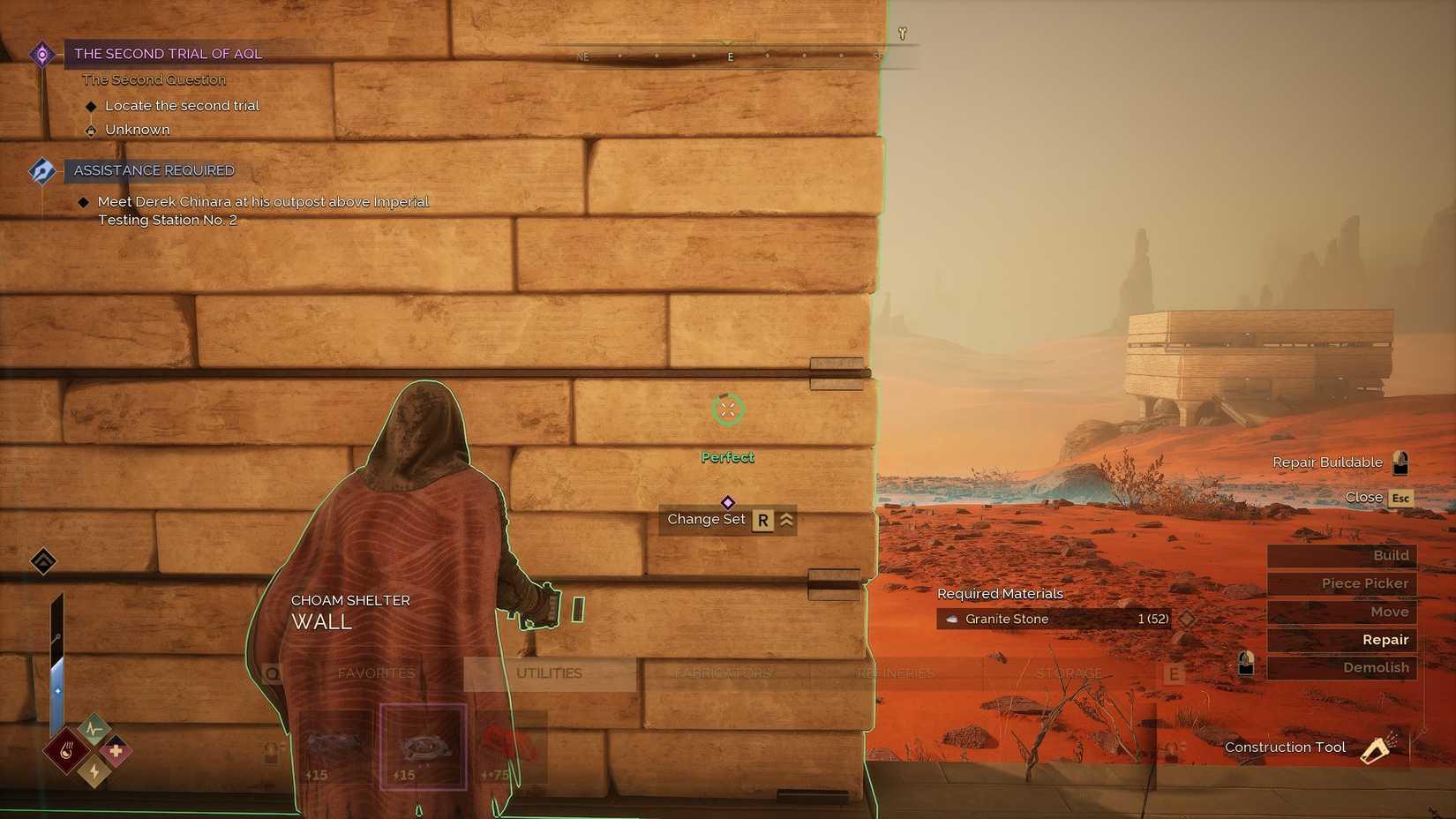
Image: Funcom via Polygon
When repair becomes necessary, equip your construction tool and right-click to toggle its repair mode. Target the damaged structure and hold left-click until the repair completes. The process consumes minimal resources compared to full reconstruction, making it cost-effective for minor to moderate damage restoration.
Advanced building maintenance tip: Schedule regular structural inspections during low-activity periods. Check building health percentages in your base management interface and address minor damage before it compounds into major repairs. This preventive approach saves significant resources long-term.
Weapons, tools, and personal equipment require dedicated infrastructure for proper maintenance. The Repair Station becomes available shortly after reaching Vermillious Gap, requiring five research points to unlock its schematic and forty iron ingots for construction. This investment pays dividends quickly as equipment degradation accelerates with usage frequency.
Resource preparation for the Repair Station demands advance planning. Iron ingot production necessitates a sturdier cutteray tool for mining iron deposits, unless you acquire iron through fortunate loot drops or trading. Prioritize this tool upgrade in your research tree to ensure consistent access to repair capabilities.

Image: Funcom via Polygon
The repair process itself proves straightforward: place damaged items in the Repair Station interface and initiate the process. The machine automatically restores equipment to pristine condition, though repair duration varies based on damage severity. Strategic timing involves queuing repairs during downtime periods rather than interrupting active exploration or combat preparation.
Common equipment maintenance mistake: Neglecting to repair items before they reach critical damage levels. Severely degraded equipment requires more time and potentially additional resources to restore. Establish a routine of repairing gear after each major expedition or combat encounter to maintain peak performance.
For players seeking comprehensive gear optimization, our BF6 Weapons Unlock Guide offers additional equipment management strategies that translate well to Dune: Awakening’s systems.
Vehicle maintenance introduces unique mechanics through the welding tool’s repair function, though the game provides limited guidance on ammunition requirements. Welding Wire serves as the essential consumable for vehicle repairs, obtainable through Fabricator production or merchant purchases at reasonable prices.
Resource stockpiling proves crucial for vehicle maintenance. A single near-complete repair typically consumes several dozen welding wire units, making bulk production or purchase economically sensible. Maintain a minimum stock of 50-100 welding wire units to handle unexpected vehicle damage during extended expeditions.
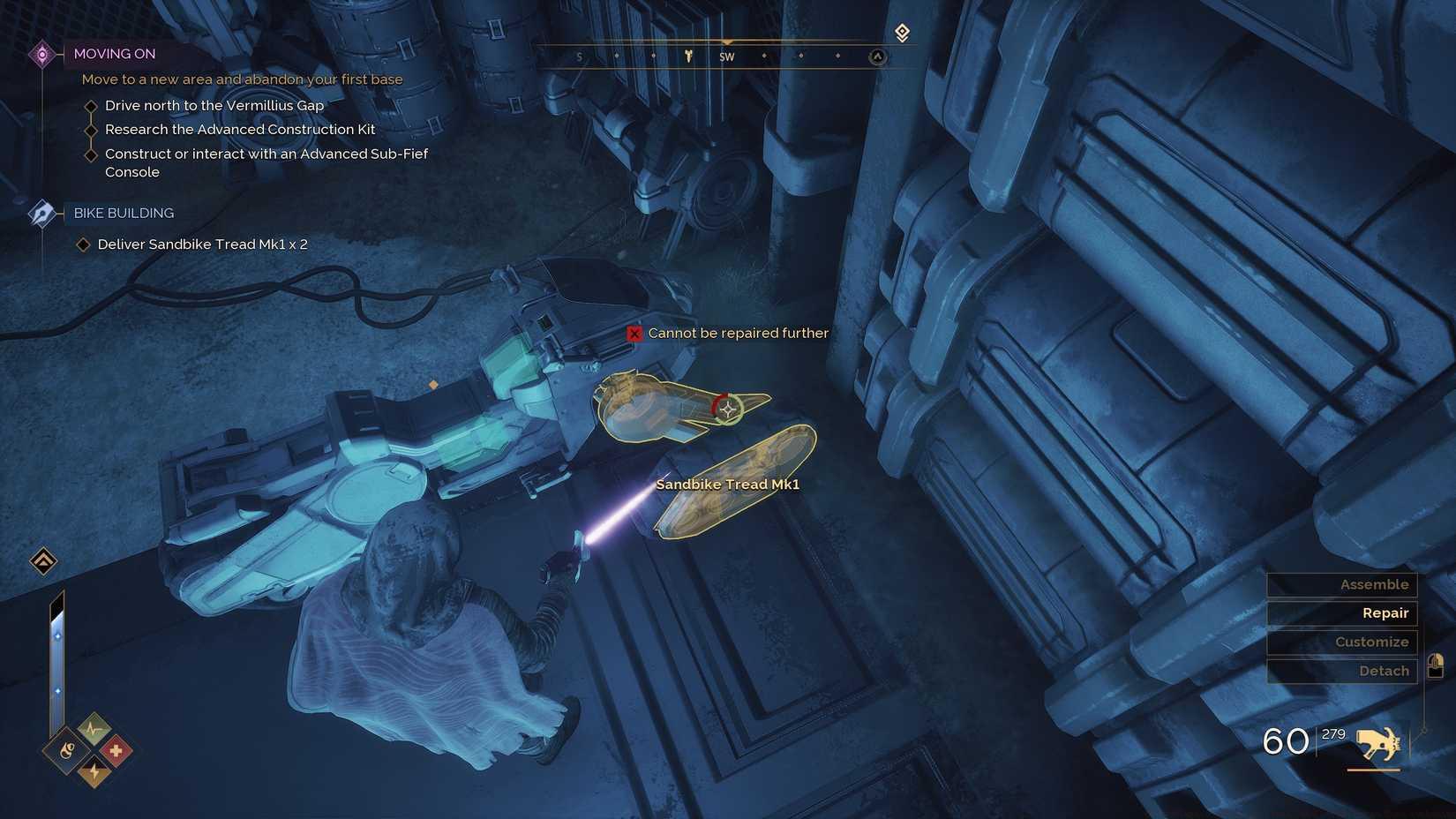
Image: Funcom via Polygon
The welding tool enables field repairs that restore vehicle components to functional condition, though complete restoration requires the Repair Station for final refurbishment. This two-stage repair process allows for emergency fixes during missions while reserving comprehensive maintenance for base returns.
Advanced vehicle strategy: Use welding tool repairs to meet contract requirements for vehicle delivery when perfect condition isn’t mandatory. Functional vehicles often satisfy delivery contracts at reduced repair costs, optimizing resource expenditure while fulfilling objectives.
Understanding vehicle systems complements broader gameplay mastery, similar to the strategic approaches covered in our Battlefield 6 Complete Guide for military asset management.
Mastering Dune: Awakening’s repair systems requires understanding the interconnected nature of maintenance across all equipment categories. Resource efficiency begins with recognizing that preventive measures consistently outperform reactive repairs in both time and material costs.
Integrated maintenance scheduling involves coordinating equipment, vehicle, and building repairs during natural gameplay pauses. Group repair tasks after returning from expeditions rather than addressing them individually throughout gameplay sessions. This approach minimizes interruption to your exploration and combat activities.
Common optimization mistake: Underestimating the time investment required for comprehensive maintenance. Allocate 15-30 minute sessions specifically for repair and resource management following major gameplay milestones. This dedicated maintenance time prevents accumulation of degraded equipment that could compromise future missions.
For players specializing in specific gameplay styles, our BF6 Class Selection Guide offers insights into equipment specialization that can inform repair priority decisions based on your preferred role in Dune: Awakening.
Endgame preparation: As you progress into more dangerous Arrakis regions, establish multiple repair stations at strategic outposts and maintain emergency welding wire caches in storage containers near vehicle spawn points. This distributed repair infrastructure ensures maintenance capabilities during extended operations far from your primary base.
Action Checklist
- Unlock Repair Station schematic with 5 research points after reaching Vermillious Gap
- Stockpile 50+ welding wire via Fabricator production or merchant purchases
- Establish routine equipment inspection and repair after each major expedition
- Plan base relocations carefully to maintain sub-fief activation and prevent building damage
- Create distributed repair infrastructure with multiple stations at strategic outposts
No reproduction without permission:Game Guides » How to repair vehicles, items, and buildings in Dune Awakening Master Dune: Awakening's repair systems for buildings, gear, and vehicles to survive Arrakis efficiently