
TL;DR
- Manual saving requires locating specific save stations scattered throughout each region
- Save stations replenish health and missiles, making them valuable resource hubs
- Autosave only triggers after major story events, not during regular exploration
- Maps don’t reveal save station locations until you physically discover them
- Strategic backtracking to save stations can prevent significant progress loss
Metroid Prime 4: Beyond embraces a deliberate old-school approach to progression preservation that veteran series fans will immediately recognize. Unlike modern games that frequently autosave or provide abundant manual save opportunities, this installment challenges players to master navigation and risk assessment as core gameplay elements.
You might assume saving mechanics would be explained during initial tutorials or through dialogue with supporting characters like Miles Mackenzie. However, Retro Studios maintains series tradition by expecting players to discover this critical system through exploration and observation. The design philosophy emphasizes self-reliance and environmental learning rather than explicit instruction.
This intentional limitation creates tension and consequence throughout your journey across the alien landscapes. Understanding when to push forward versus when to retreat to safety becomes a strategic consideration that impacts your entire playthrough approach.
The exclusive method for manually preserving your progress involves locating and interacting with dedicated save stations distributed throughout each game region. While every major location contains at least one station, their placement follows intentional spacing that creates meaningful travel decisions.

Areas like Volt Forge and Fury Green feature particularly sparse station distribution, requiring careful planning before embarking on extended exploration sequences. Veteran players recommend establishing mental waypoints and recognizing environmental patterns that often indicate nearby save opportunities.
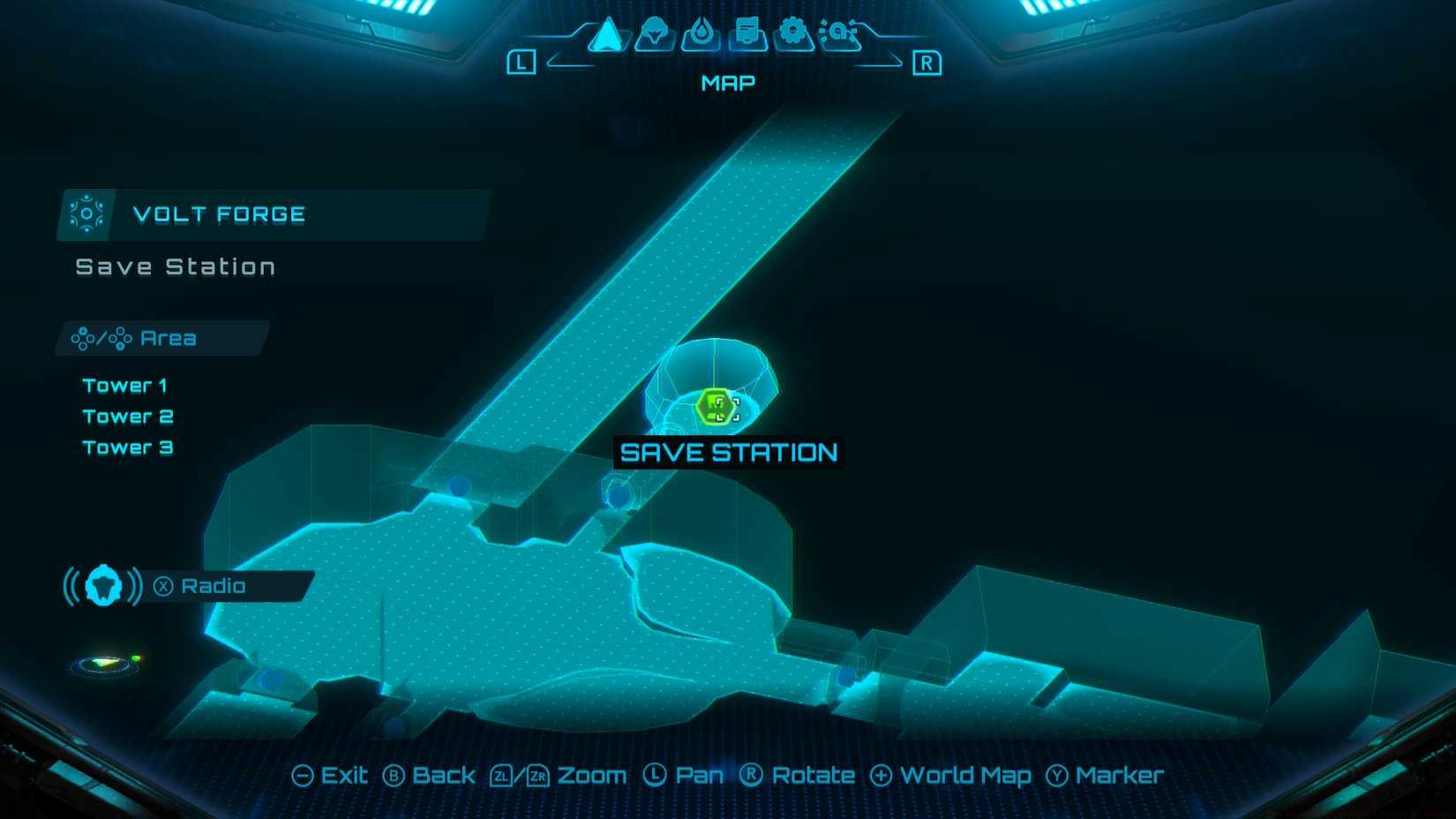
Image: Retro Studios/Nintendo via Polygon
Critical insight: Obtaining regional maps doesn’t automatically reveal save station positions. Similar to other significant locations, these vital points remain obscured until you physically discover them through direct exploration. This design encourages thorough environmental investigation rather than reliance on map markers.
When navigating unfamiliar territory, pay close attention to small side chambers or isolated rooms—these often conceal save points. The architectural design frequently places stations in protected alcoves or dedicated rooms slightly off main pathways.
Beyond progress preservation, save stations serve dual purposes by fully restoring energy reserves and missile ammunition. This functionality transforms them into strategic resource hubs, making return trips valuable even when not specifically needing to save. If you’re experiencing resource scarcity without nearby enemies or containers, calculated backtracking to the nearest station can provide crucial replenishment.
While Metroid Prime 4 incorporates autosave capability, its implementation serves as backup insurance rather than primary progression protection. The system activates selectively following significant milestone events including major narrative cutscenes, boss encounter conclusions, and completed combat arenas where Samus faces enemy waves.
This targeted activation means you cannot depend on autosave during standard exploration, puzzle-solving sequences, or routine enemy encounters. The development team intentionally designed this limitation to maintain tension and consequence throughout the gameplay experience.
Understanding autosave triggers allows strategic planning around major gameplay segments. Before initiating potentially difficult boss fights or entering story-progression areas, ensure you’ve recently visited a manual save station to minimize potential setback severity.
Common player mistake: Assuming autosave provides comprehensive coverage leads to frustrating progress loss. Always prioritize manual saving before attempting challenging sections or exploring unknown territories.
Mastering Metroid Prime 4’s save system requires developing proactive habits rather than reactive behaviors. Establish a routine of saving before exiting the game, regardless of recent autosave activity. This prevents potential file corruption or unexpected progress loss between sessions.
When exploring new regions, implement the “hub and spoke” method: use discovered save stations as central points for radiating exploration patterns. This minimizes backtracking distance if you need to restore resources or secure progress.
Resource conservation strategy: Time your save station visits to coincide with low health or ammunition states whenever possible. This maximizes the efficiency of each trip by addressing multiple needs simultaneously.
For players transitioning from more forgiving modern games, adjusting to this system may require deliberate practice. Consider starting with shorter play sessions until you internalize the save station location patterns and develop reliable navigation instincts.
Action Checklist
- Manually save at every discovered station before major exploration
- Check small side rooms and alcoves for hidden save points
- Use save stations to replenish health and missiles when resources are low
- Plan exploration routes around known save station locations
- Always manual save before boss fights and story progression points
No reproduction without permission:Game Guides » How to save in Metroid Prime 4: Beyond Master Metroid Prime 4 save mechanics with strategic station locations and autosave timing insights