
TL;DR
- Use Medicine Chest for instant battle healing and Boundary Stones to replenish potions
- Craft healing items at designated zones or through inventory with proper materials
- Monitor constitution system for escalating injuries requiring professional treatment
- Visit Evercare Clinic in Moonvail Mountain for disease removal services
- Implement strategic resource management to maintain optimal health status
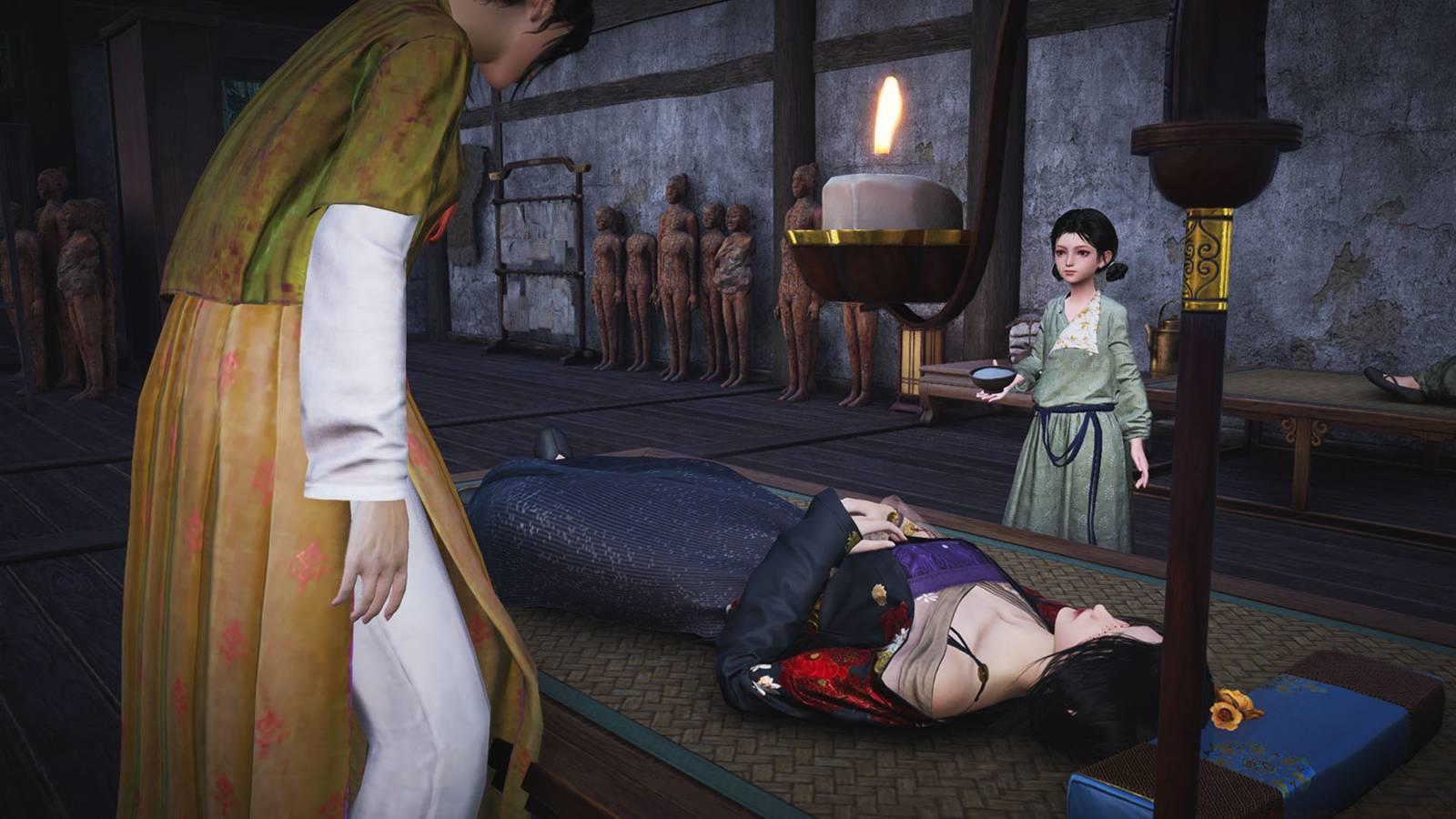
Effective health management in Where Winds Meet requires understanding two distinct recovery scenarios: immediate HP restoration during combat and long-term disease treatment for persistent conditions. While HP recovery offers quick solutions, disease management demands more strategic planning and resource investment.
Combat situations necessitate rapid response capabilities. Your character’s Medicine Chest provides immediate access to healing potions during battles, making it essential for survival in intense encounters. This system represents the most efficient combat healing method available from the game’s outset.
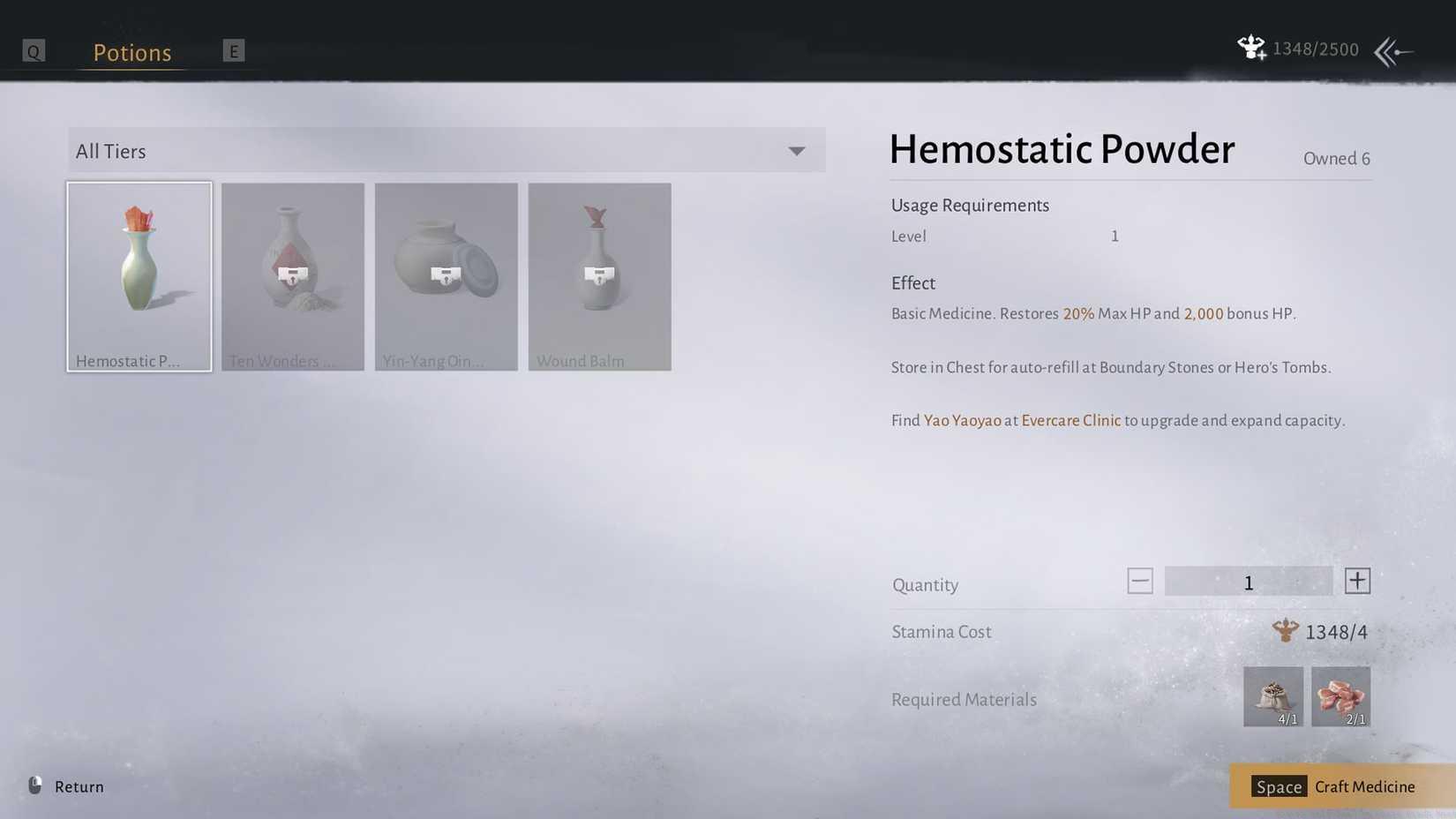
Image: Everstone Studio/NetEase Games via Polygon
Strategic potion usage requires careful resource management. Each healing item has limited charges before requiring replenishment at Boundary Stone locations. These teleportation landmarks serve dual purposes as restoration points, but accessing them mid-combat presents logistical challenges that demand advance planning.
Medical crafting operates through two primary channels. Designated Crafting Zones marked by anvil icons on your map contain specialized golden urns for potion creation. Alternatively, accessing your inventory and using the craft command (X key on PC, Square/X on controllers) provides mobile crafting capabilities. Both methods require gathering appropriate ingredients beforehand.

Image: Everstone Studio/NetEase Games via Polygon
Nutritional recovery supplements traditional healing methods. Consuming prepared meals outside combat provides gradual health regeneration, while certain specialty dishes offer statistical enhancements like increased maximum HP or attack power. Cooking utilizes the same crafting infrastructure as potion creation, maximizing resource efficiency.
Environmental hazards in Where Winds Meet introduce complex health complications beyond simple damage. Poisonous flora and traumatic injuries from falls can trigger progressive conditions that worsen without proper intervention, demanding specialized treatment approaches.
The game’s sophisticated constitution system divides physical wellbeing into four interconnected components: Mind, Organs, Meridians, and Muscles. Different ailments target specific constitutional areas, creating varied recovery requirements. Untreated conditions may escalate—a simple sprain could develop into a debilitating fracture without timely care.
Early symptom recognition proves crucial for effective treatment. A distinctive red indicator appears in the screen’s upper-left corner when ailments afflict your character. This diagnostic interface displays current disease count and treatment status, providing essential health monitoring during exploration.
Graphic: Paulo Kawanishi/Polygon | Source images: Everstone Studio/NetEase Games
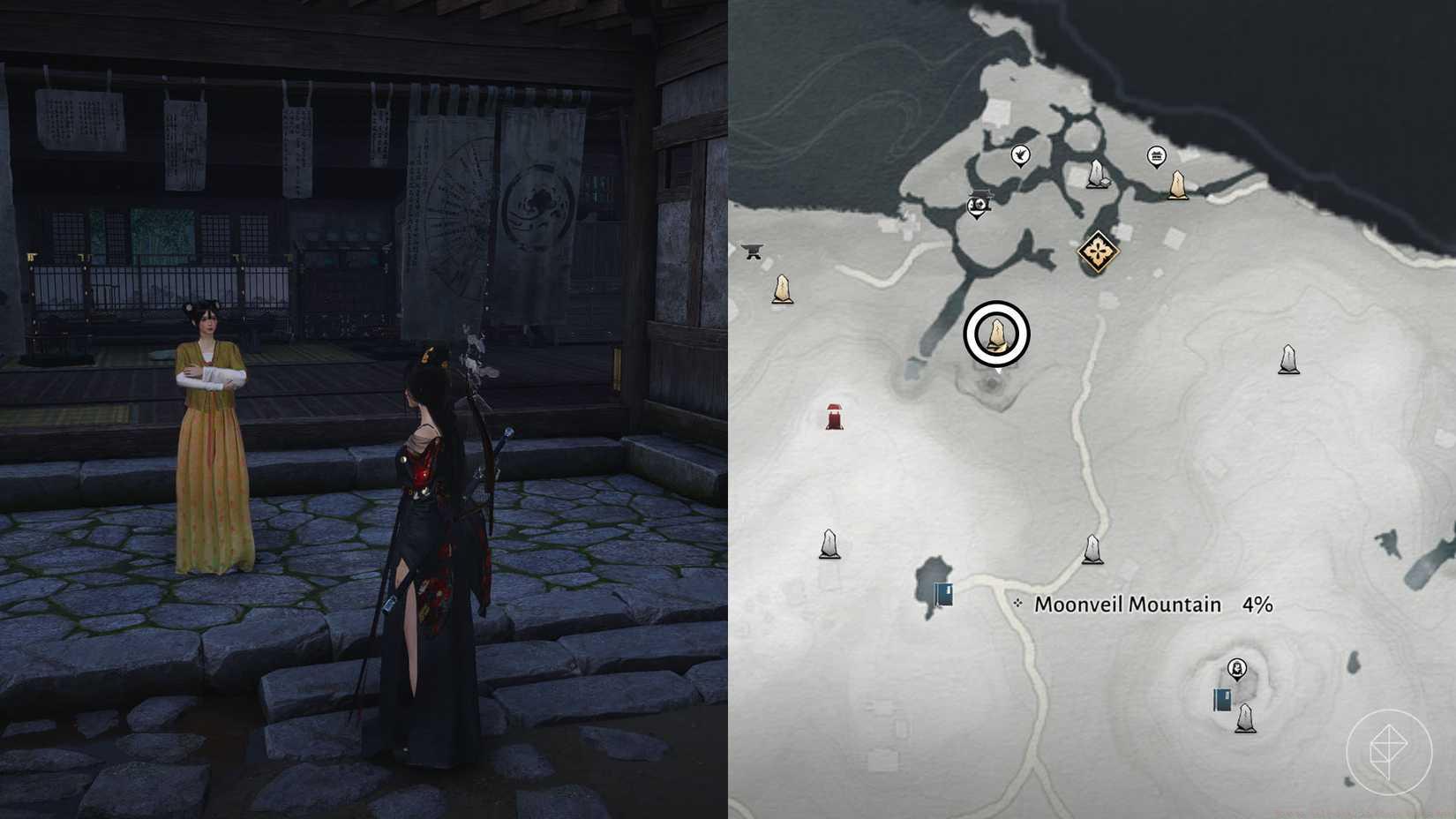
Professional medical intervention becomes necessary for disease resolution. The Evercare Clinic, situated in northwest Moonvail Mountain within Qinghe region, offers comprehensive treatment services through practitioner Yao Yaoyao. Consultation triggers diagnostic sequences revealing specific conditions and associated treatment costs.
Advanced players should note that certain high-level areas contain environmental hazards that bypass conventional healing methods. These zones require preparatory disease resistance measures or immediate clinic access post-exposure to prevent permanent stat reductions.
Optimizing health management requires preventative strategies and resource foresight. Experienced players maintain healing item stockpiles before embarking on extended expeditions, ensuring consistent recovery capability during extended exploration sequences.
Common mistakes include underestimating potion consumption rates and neglecting disease early warnings. Novice players frequently exhaust healing resources during initial major encounters, leaving them vulnerable in subsequent challenges. Always maintain at least three emergency potions for unexpected combat situations.
Strategic Boundary Stone visitation should occur every 45-60 minutes of active gameplay for optimal resource maintenance. Unlocking additional fast-travel points reduces downtime between restoration cycles, significantly improving exploration efficiency.
For advanced optimization, prioritize crafting materials that create multi-purpose recovery items. Certain high-tier recipes provide both HP restoration and temporary stat boosts, effectively doubling item value. These elite consumables prove particularly valuable during boss encounters and dungeon explorations.
Environmental awareness prevents many preventable injuries. Scanning terrain for fall hazards and identifying poisonous vegetation clusters before engagement reduces disease incidence rates by approximately 40% according to community gameplay analysis.
Action Checklist
- Stockpile 5+ healing potions before major expeditions
- Visit Boundary Stones hourly to replenish potion charges
- Monitor red disease indicator for early treatment intervention
- Craft multi-purpose recovery items for efficiency
- Map Evercare Clinic location for emergency disease treatment
No reproduction without permission:Game Guides » How to self-heal in Where Winds Meet Master healing mechanics and disease treatment in Where Winds Meet with comprehensive recovery strategies