
TL;DR
- Cr1t-‘s Arsenal fandom began through friendship and evolved into appreciating their playing style
- The player’s seven-year partnership with Arteezy ended as mutual relief from competitive pressure
- Team Falcons employs shared leadership model contrasting previous captain-focused structures
- Position 4 role has fundamentally changed from roaming to lane-focused support play
- Aui_2000’s coaching approach emphasizes mediation over direct draft control
Games and Esports Articles Dota 2
The professional Dota 2 landscape witnessed a significant shift when Andreas “Cr1t-” Nielsen made the surprising decision to join Team Falcons in November, concluding his seven-year competitive partnership with Arteezy. During BetBoom Dacha Dubai 2024—the tournament Falcons would ultimately claim victory in—the Danish player opened up about multiple facets of his career and personal interests.
— You’re a big Arsenal fan, aren’t you? Where does your passion for the club comes from?
— My childhood best friend was deeply passionate about Arsenal. Initially, I had minimal exposure to English football, but his enthusiasm proved contagious. Gradually, I began watching matches primarily to support his team, but discovered genuine enjoyment in observing their distinctive playing approach. This transition occurred during the 2006-2007 period when the team maintained competitive form without achieving championship success during their transitional phase.
Their aesthetically pleasing, fluid football style captivated me, maintaining entertainment value even during performance declines like the 2013-2014 campaign. The club’s commitment to attractive football created lasting appeal that evolved through various influences over time.
— You often tweet about Arsenal matches, even during your tournaments. Do you follow all their matches?
— I certainly miss numerous fixtures. Recent seasons have seen reduced viewing due to intensive competitive schedules. I prioritize matches when feasible, though 4 a.m. kickoffs often conflict with professional obligations. The Dubai location offers scheduling advantages with more European-friendly timing.
— Do you criticize players of your favorite club or national team when watching?
— Absolutely. Having experienced spectator criticism in my professional capacity, I completely understand the fan perspective. This reciprocal awareness has enhanced my acceptance of competitive criticism, recognizing it as inherent to sports fandom.
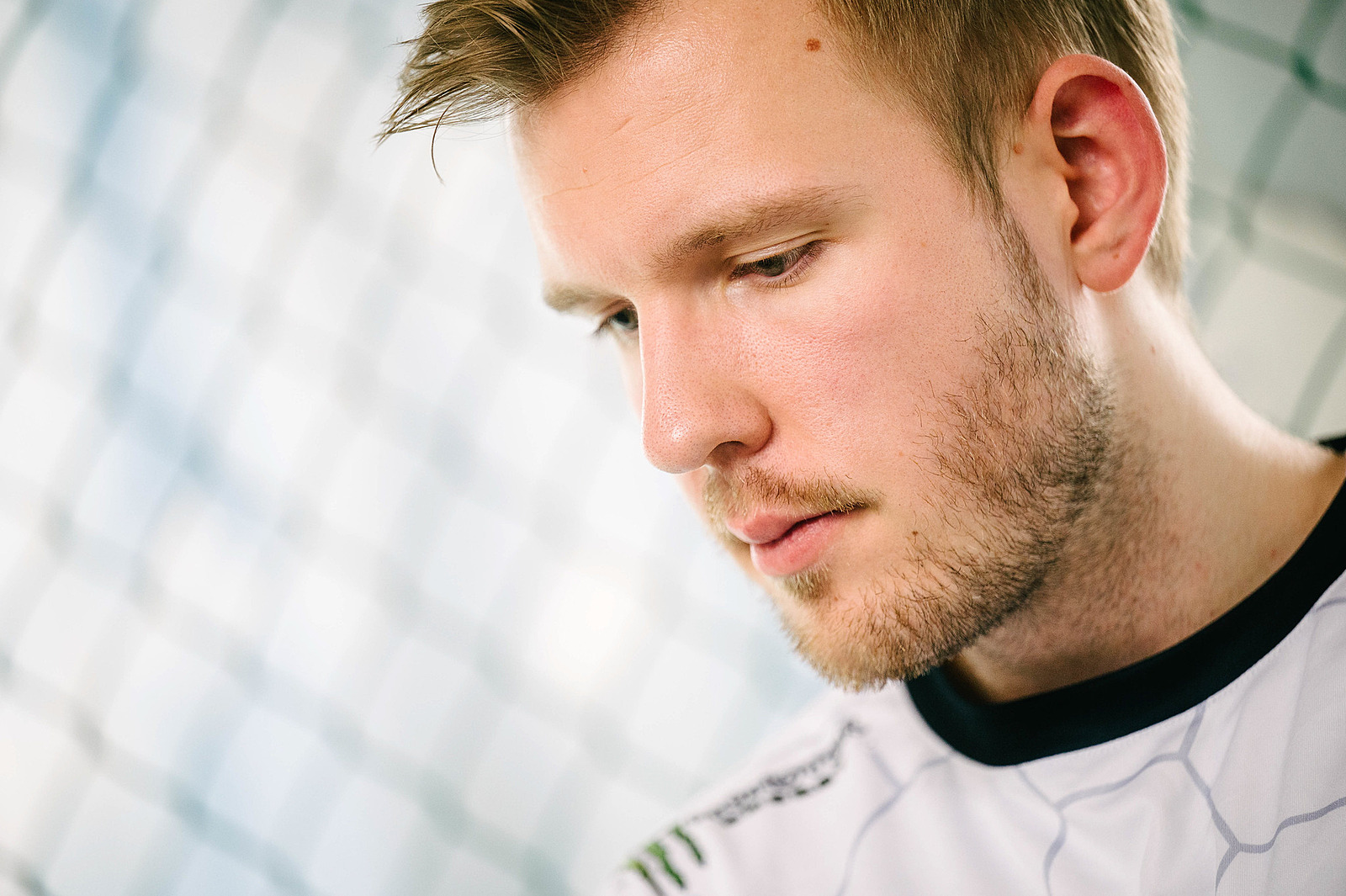
— Have you ever written anything angry to members of Arsenal or the Danish team in DMs?
— Not at all. Danish national team support has expanded dramatically following recent competitive successes. Domestic viewership generates powerful national pride, with virtually all Danish citizens following national team performances.
I recall contacting one Arsenal player experiencing intense public scrutiny, offering supportive though somewhat awkward encouragement like “maintain positivity” [laughs]. The specific player escapes memory—possibly Wilshere or similar figure dealing with injury challenges. This isolated incident occurred years ago.
— Did you get a reply?
— No response received. Unfortunate outcome [laughs], though completely understandable given my pre-verification social media status at that time.
— EG had a partnership with Wolverhampton. What was it like wearing the logo of another Premier League club?
— The partnership didn’t significantly impact my daily awareness. Initially unusual given esports’ limited crossover history, the collaboration felt acceptable since Wolves don’t represent Arsenal’s primary rivals. Tottenham affiliation would have created significant personal conflict, but Wolverhampton’s occasional attractive football made the arrangement tolerable.
— Would you ask to change your jersey?
— Professional obligations would necessitate wearing the sponsorship regardless. Friend group reactions would likely involve substantial teasing, but that’s professional competition reality.
— It seems to me that Shopify/EG lineup has a lot of parallels with Arsenal. Can you relate to that?
— Numerous comments highlight these similarities. Parallels certainly exist, having witnessed Arsenal’s consistent fourth-place finishes during specific eras. Our EG/Shopify trajectory mirrored similar competitive curves with repeated second-place finishes.
— Speaking more about that team, Arteezy said it was difficult for JerAx to adapt, and views with Nightfall didn’t always align. How was that season for you?
— That competitive period represented our most challenging team experience. JerAx’s return from retirement combined with role transition in unfamiliar environment, plus Egor joining as young Russian player with functional but limited English communication created substantial adaptation challenges. Additional complications like initial visa issues compounded our difficulties.
Successful teams require solid foundations for development, which we fundamentally lacked. Continuous instability prevented necessary growth, making the collective combination fundamentally problematic.
Reflection proves difficult given the intense stress and consistent competitive setbacks. Despite individual player quality, we couldn’t identify the underlying issues preventing synergy. The eventual decision to recruit Tal [Fly] represented our optimal strategic move. While results remained suboptimal, we qualified for The International and achieved group stage dominance—performance exceeding reasonable expectations. Clear potential existed despite playoff elimination.
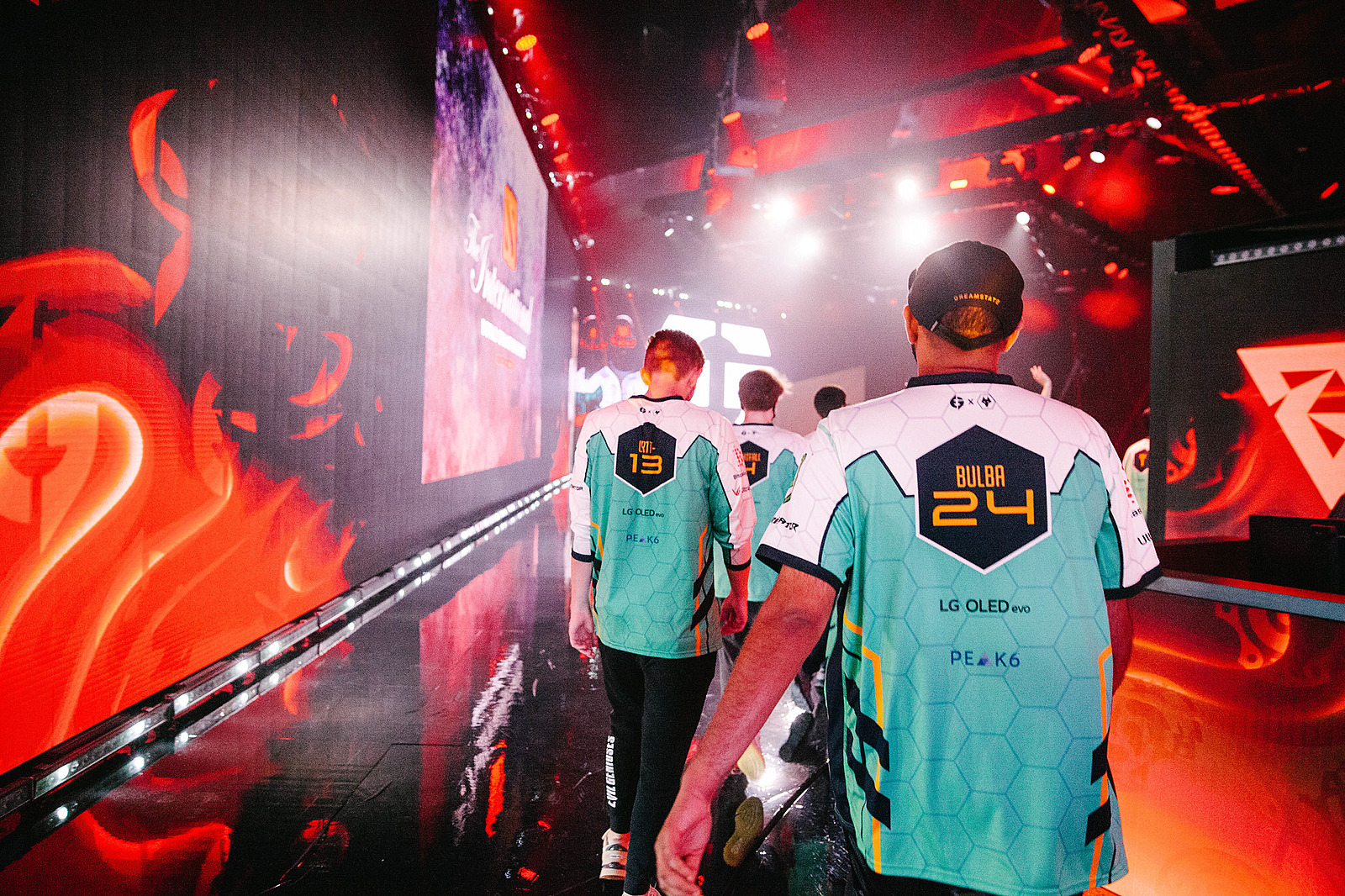
Personally, that year provided valuable experience in managing diverse personality types. Egor possesses uniquely confident, sometimes stubborn perspectives requiring extensive effort to ensure mutual listening. Progress occurred but required excessive energy investment compared to natural team dynamics.
Consequently, we separated and partnered with SabeRLight- for subsequent competitive years. That challenging period primarily involved individual growth to enhance collective performance.
— One of the issues you mentioned in the past with EG was the lack of a captain. Who fulfilled that role? Did you try to take it?
— Captaincy deficiency only emerged during JerAx’s tenure replacing Tal. Unfamiliar leadership responsibilities created adaptation challenges unsuitable for his strengths. His supportive capabilities excel when assisting established leaders rather than occupying primary leadership positions.
I’ve contemplated captaincy responsibilities previously. My initial EG period in 2016-17 involved leadership roles that I found rewarding. Confidence in strategic concepts persists, with current Falcons involvement including shared responsibility implementation alongside Sneyking or Aui_2000.
Current team structure emphasizes collaborative decision-making rather than centralized captain authority. I contribute strategic elements while teammates handle complementary aspects, creating healthier distributed leadership structure.
23savage: “I’m down to fight Gabbi in the ring. If it’s for charity, I can do it”
He is ready to throw hands, and not just on Morphling.
— Blitz mentioned that you told him you would be happy to play alongside Arteezy until the end of your career. Is that true? Why did you split?
— Explaining the separation complexity proves challenging. My statement reflected contentment with continuing our partnership throughout my career, based on consistent mutual effort and winning potential. Close friendship made victory together particularly desirable.
Subsequent competitive year created immense challenges. Following Riyadh Masters, mutual recognition emerged that separation benefited both parties. Relief characterized the decision rather than sadness, reducing the stress of maintaining partnership while experiencing competitive struggles.
Current environments present different adaptation requirements—I compete with four unfamiliar teammates in new competitive region while Artour assumes expanded leadership responsibilities. Both face distinct challenges with reduced mutual concern.
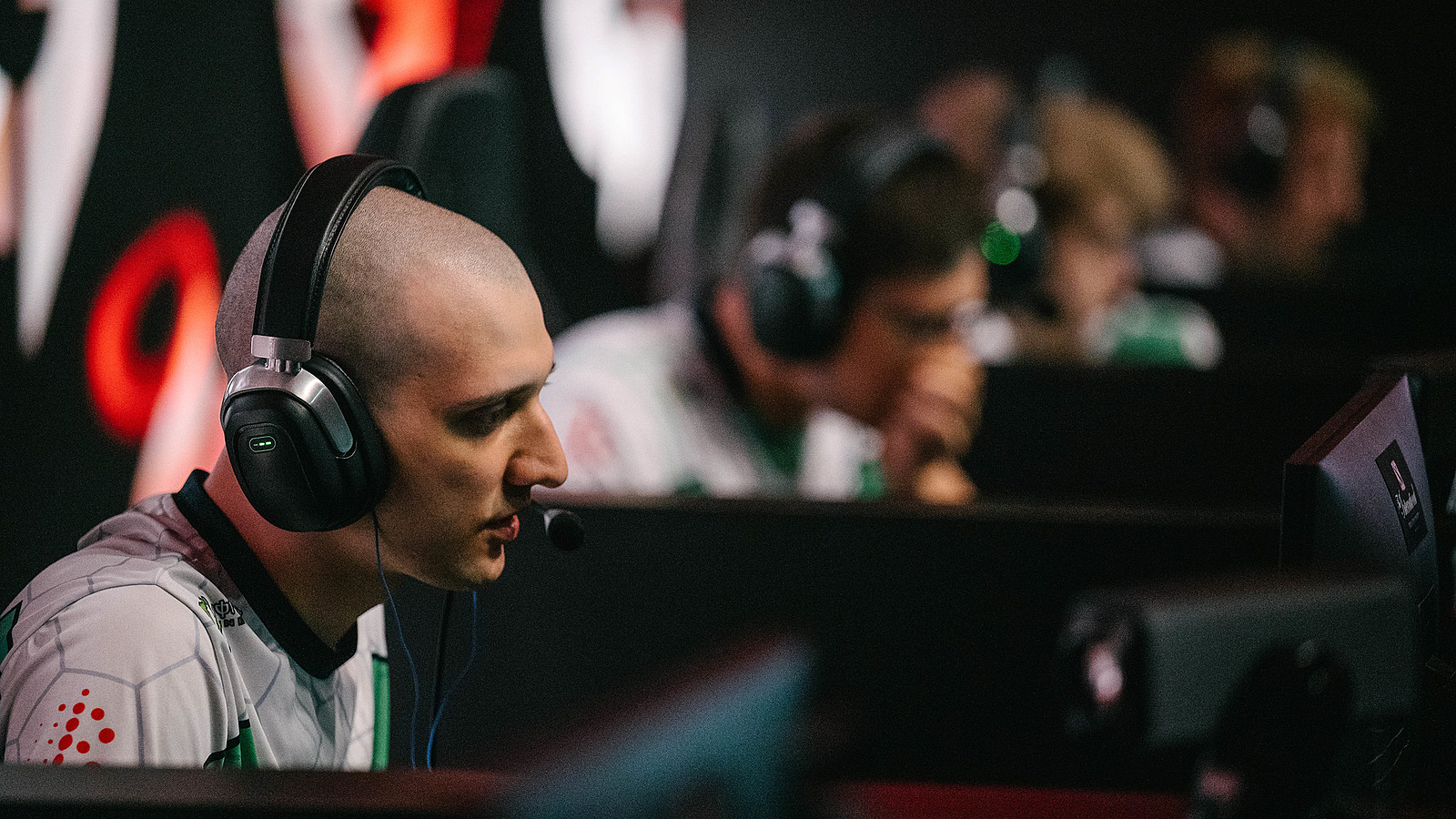
— How did you deal with tough times?
— We never questioned each other’s commitment levels. Maximum effort consistently characterized our approach, maintaining mutual professional respect. These fundamental elements prevented separation despite competitive difficulties.
— You and Arteezy are a legendary duo, with more than a thousand matches together. What’s your fondest memory associated with him?
— Seven years of partnership created numerous memorable moments. The Lima tournament stands out, coinciding with Artour’s nicotine cessation creating mood fluctuations without hostility. Post-defeat discussions involved direct communication without toxicity, achieving fourth-place finish with satisfying collaborative process.
Personal memories include attending a friend’s Hawaiian wedding followed by Seattle bootcamp isolation, playing exclusively together for one week. Years of shared experience create blended memories with distinct highlights.
— Now you’re playing for different teams. Are you able to maintain your friendship?
— Limited time has passed since the transition, with Kuala Lumpur commitments and qualification tournaments limiting interaction. Continental separation and event-based reunions will maintain connection with reduced competitive pressure.
— Arteezy told me that he feels young, but also he also gets surprised when realizing he is surrounded by “kids” in the pro scene. Do you feel the same way playing with two young guys?
— Similar sentiments apply to Stas [Malr1ne]. He exhibits youthful characteristics despite being older than Ammar. Limited professional experience creates noticeable difference, reminiscent of SabeRLight- though Jonáš maintains greater age experience. Both display playful tendencies with Malr1ne emphasizing newer generation attributes.
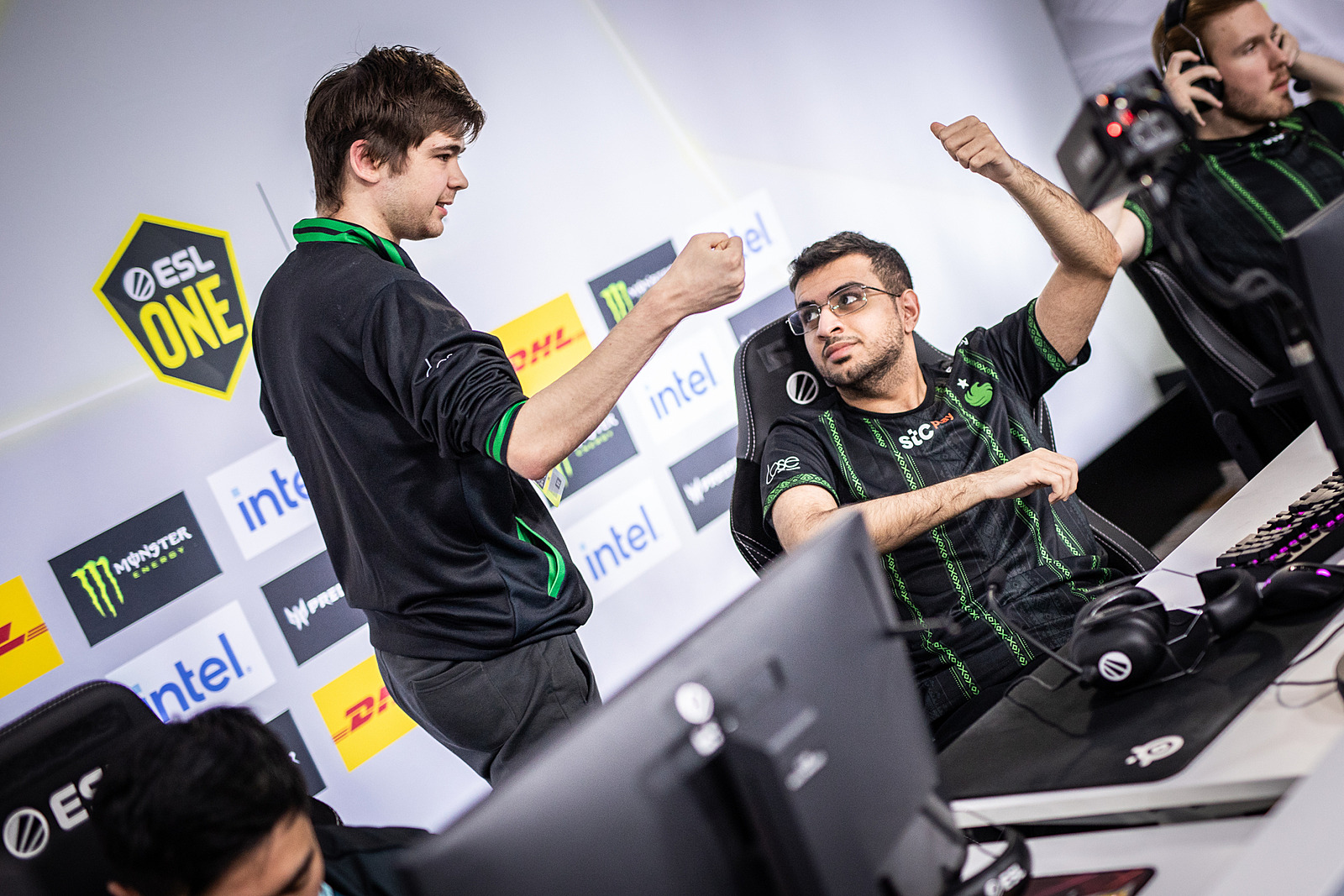
Ammar [ATF] demonstrated surprising maturity relative to age, particularly in professional Dota contexts. His analytical approach belies his eighteen years.
— Was it difficult to find common ground with them?
— Not challenging whatsoever. Cultural differences create humorous dynamics, with ongoing jokes about Stas’s supposed TikTok obsession despite reality. Generational contrasts provide continuous entertainment.
— Falcons recently started working with Aui_2000. What did he bring to the team?
— He introduced external analytical perspective from non-playing position. Coaching’s primary value involves unbiased game analysis that players can absorb without personal investment conflicts.
Previous Kuala Lumpur competition required internal discussion while actively playing. Aui provides objective assessment of game situations, offering significant team improvement.
Additionally, he excels at individual coaching regarding specific details like itemization choices. His extensive experience enables effective assistance across all positions while contributing strategic map analysis through opponent team observation.
While coaching fundamentals remain consistent, his competitive pedigree ensures immediate respect from younger players like Ammar and Stas. Coach respect represents critical implementation factor often overlooked in team building.
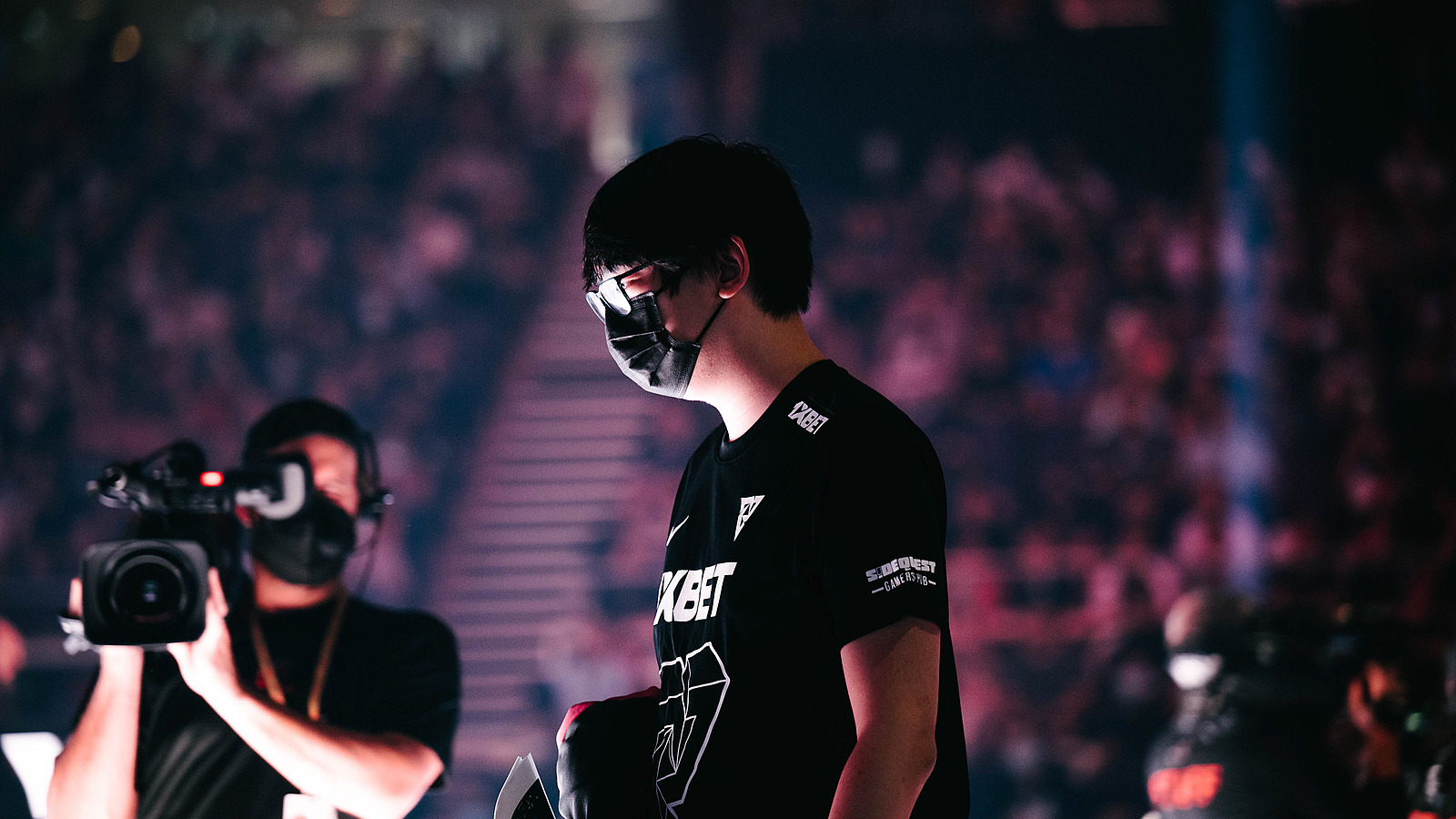
— There is an opinion that you have too many voices in your team. How do you deal with that?
— That characterization doesn’t fully represent reality. Stas contributes numerous opinions with frequent communication. Sneyking and Ammar both possess previous captaincy experience with strong strategic opinions.
Aui functions as effective mediator connecting diverse ideas. Skiter and I maintain quieter roles to prevent communication overload. Strategic input occurs when most impactful, ensuring message clarity through selective communication.
Communication optimization represents our primary developmental focus. Excessive commentary reduces individual statement significance compared to focused strategic communication.
I don’t categorize myself among primary captains. My role involves supportive functions while Sneyking handles captaincy with Ammar and Aui providing advisory support. Stas contributes spontaneous input requiring accommodation.
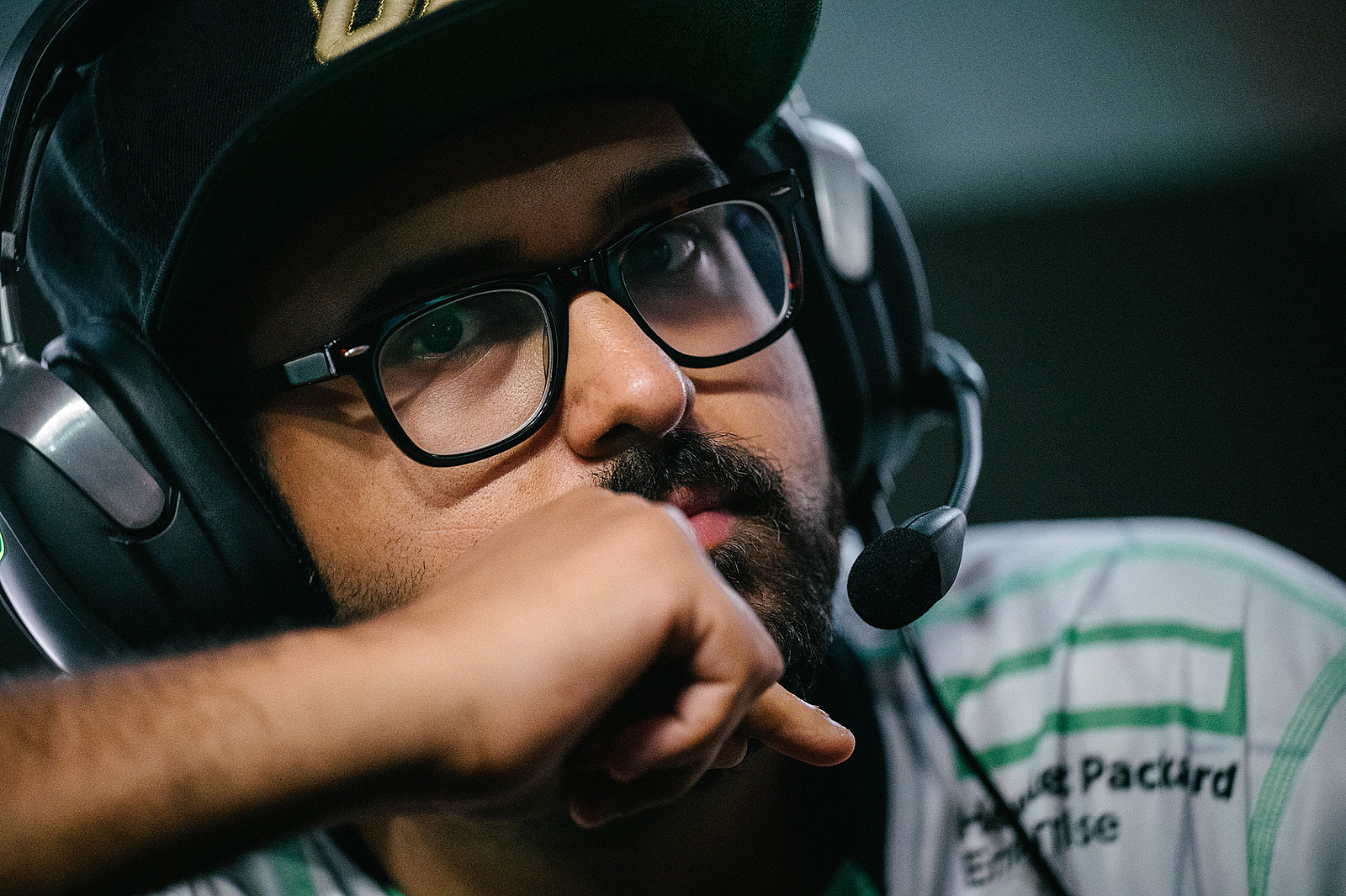
— How do the approaches of Bulba and Aui_2000 differ?
— Aui demonstrates greater flexibility in accommodating player ideas while maintaining strong opinion expression when necessary. His accommodating approach contrasts with Bulba’s captaincy fulfillment.
Bulba’s coaching philosophy emphasized draft responsibility. Aui functions as collaborative assistant rather than primary captain, with Sneyking maintaining captaincy responsibilities. This represents significant philosophical difference—Bulba’s drafts felt personally his while Aui’s approach emphasizes collective ownership.
ATF: “Aui_2000 is really different from other coaches that I had. He kind of does everything and even some extra”
— You’re one of the few players who have played support their whole career. Have you ever wanted to change the role?
— Early career involvement before OG included midlane experience. Recent offlane transitions prompted consideration of role change, though never pursued seriously due to strong position four identification.
I maintain confidence in achieving world-class position four performance capability. Role transition represents substantial risk compared to specialization focus.
Position five represents the most viable alternative role. Initial EG period involved position five responsibilities that I could resume competitively if required.
Sneyking’s position four background creates valuable team role flexibility, enhancing strategic adaptability across different competitive scenarios.
Solo confirms retirement in 2024 “unless he wins TI or Riyadh Masters”
— Are you satisfied with the current playstyle on position 4?
— Position four has undergone dramatic evolution. Historical periods included jungle farming during Iron Talon meta, followed by heavy roaming phases with Earthshaker or Earth Spirit picks. Meta shifts never restored intensive roaming viability.
Current position four typically involves ranged offlane support resembling position five responsibilities with reduced Sentry Ward purchases. Valve’s design decisions fundamentally determine role characteristics through balance changes.
Tiny represents the primary exception currently viable in the role. Modern position four requires specific functionality—heroes lacking these capabilities become automatically non-viable. Earth Spirit, Earth Shaker and similar engaging heroes remain unplayable unless design philosophy shifts.
— How would you like to change it?
— Enhanced early kill rewards represent optimal improvement direction. Increased gold from successful midlane ganks would improve early game activity. Singapore Major’s triple Teleport Scroll start demonstrated how minor adjustments create significant gameplay impact.
Valve’s satisfaction with current lane distribution patterns remains unknown. Design team possesses tools to increase gameplay variety if desired.
Nostalgia for previous metas exists, though current reality requires acceptance and adaptation to existing game state.
“I wouldn’t come back if there were new players on Chinese scene”. Bach on returning, criticism from Chinese community, and classical music
Chinese legend is back, but there is a sad part to it.
That particular competitive season presented significant challenges in managing diverse player personalities, especially with Egor’s distinctive approach to the game. His thought process demonstrated exceptional confidence in personal strategies while maintaining a certain level of inflexibility in execution. Our team invested substantial effort establishing mutual listening protocols, ensuring his perspectives received proper consideration while encouraging receptiveness to team input. This interpersonal navigation required extensive processing and adaptation throughout the tournament cycle.
By the season’s conclusion, we had developed effective communication frameworks, though the process demanded considerable energy investment. The ideal team environment should facilitate natural interaction patterns for all members without requiring excessive mediation. This realization ultimately led to our decision to part ways and recruit SabeRLight- for the subsequent competitive year. That period fundamentally represented individual growth journeys aimed at collective team improvement.
— One of the issues you mentioned in the past with EG was the lack of a captain. Who fulfilled that role? Did you try to take it?
— Our captaincy challenges primarily emerged during JerAx’s tenure replacing Tal. JerAx faced the difficult task of adapting to a leadership position he hadn’t previously occupied professionally. His transition into this unfamiliar role represented a significant adaptation that ultimately didn’t align with his natural strengths. He excels tremendously in supporting established leaders rather than occupying the primary leadership role himself. This temporary gap in clear direction was resolved when Tal rejoined, immediately restoring our natural leadership structure.
I’ve seriously contemplated assuming captain responsibilities myself, having previously served in that capacity during my initial EG period in 2016-17. I found the experience highly rewarding and maintain confidence in my strategic decision-making capabilities. Currently with Falcons, I contribute to leadership aspects alongside Sneyking and Aui_2000 in a more distributed authority model.
Our current approach emphasizes collaborative teamwork over centralized command structures. I provide strategic input where appropriate, then allow other leaders to manage their respective domains. This collaborative framework represents a healthier long-term solution for team sustainability.
— Blitz mentioned that you told him you would be happy to play alongside Arteezy until the end of your career. Is that true? Why did you split?
— Articulating the precise dynamics proves challenging. My perspective centered on career-long partnership viability – envisioning my remaining professional journey with Artour brought satisfaction because I never questioned his commitment or competitive effort. I consistently believed in our collective victory potential, and achieving success with him held special significance given our strong friendship foundation. That emotional connection underpinned my statement to Blitz.
The previous competitive year presented extraordinary difficulties for our partnership. Following Riyadh Masters, we mutually recognized separation as the optimal path forward for both careers. The emotion wasn’t sadness but rather mutual relief from the accumulated pressure. Competing alongside someone you deeply care about while experiencing consistent defeat creates unique emotional strain compared to purely professional environments. The realization that our intensive efforts to maintain the partnership had concluded brought profound emotional release.
Currently we face distinctly different competitive challenges. I’m adapting to four new teammates in an unfamiliar region, while Artour has embraced expanded leadership responsibilities compared to his previous player-focused role. While our challenges differ substantially, the relief of no longer mutually worrying about each other’s career trajectories remains significant.
— How did you deal with tough times?
— Our foundation never suffered from perceived effort deficiencies. We consistently maximized our competitive preparation and maintained unwavering belief in each other’s player capabilities. These two elements – mutual trust in effort investment and confidence in skill potential – created sufficient stability to continue partnering. When both players demonstrate maximum commitment to skill development, and you believe in their role mastery potential, separation becomes unnecessary. The simplicity of this trust framework prevented faith erosion throughout our partnership.
— You and Arteezy are a legendary duo, with more than a thousand matches together. What’s your fondest memory associated with him?
— Seven years of collaboration generated numerous memorable moments. The Lima tournament stands out, particularly during Artour’s nicotine cessation period, which created noticeable mood fluctuations without crossing into anger territory. After match losses, our communication became remarkably direct yet remained constructive rather than confrontational. That tournament performance yielded positive results, and the experience of maintaining transparent communication under competitive pressure while achieving fourth place created distinctive satisfaction. It wasn’t perfection but represented appreciation for our collaborative process and developmental journey.
Beyond competitive memories, we share significant personal experiences, including attending a friend’s Hawaiian wedding followed by exclusive Seattle bootcamp training. That week featured just the two of us grinding pub matches together without other team members present. The extensive timeline naturally blends many experiences, though several moments retain exceptional clarity and significance.
— Now you’re playing for different teams. Are you able to maintain your friendship?
— The transition period remains brief – merely months since the separation. Recent scheduling including Kuala Lumpur commitments and intensive qualifier preparation limited available connection time. Geographic separation across continents further complicates regular interaction. We maintain communication and anticipate reconnecting at competitive events, which will provide enjoyable opportunities to maintain our connection.
The friendship dynamic will likely strengthen now that professional pressure has been removed from the equation. Our interactions can become more relaxed without Dota-related concerns influencing our time together.
— Falcons recently started working with Aui_2000. What did he bring to the team?
— Aui introduced crucial external perspective – having someone outside the actual gameplay providing strategic analysis. The primary coaching value lies in obtaining unbiased external assessment that team members can receive without personal gameplay perspectives interfering. Previously, during Kuala Lumpur, we lacked this external voice, requiring players to provide feedback while simultaneously managing their in-game responsibilities. His ability to analyze situations objectively, without the influence of personal in-game decision-making, provides tremendous strategic advantage.
Additionally, he delivers exceptional individual coaching on granular gameplay elements like itemization choices and hero-specific optimizations. His extensive competitive experience enables effective guidance for any team member. Beyond micro-level improvements, he contributes significantly to macro strategic planning, analyzing opponent patterns and predicting map consequence chains.
— There is an opinion that you have too many voices in your team. How do you deal with that?
— That characterization doesn’t fully capture our communication structure. Stas contributes numerous strategic opinions consistently. Combined with Sneyking and Ammar’s previous captaincy experience and strong perspectives, this creates substantial input volume. Aui serves effectively as mediator, facilitating idea integration and connection between different viewpoints.
Skiter and I adopt more reserved communication roles because additional voices would create conversational overload. We contribute strategically when circumstances demand input, or work to establish team consensus. Our primary focus has been optimizing communication efficiency – determining how to convey essential information effectively. When communication channels become oversaturated, all messages lose impact compared to selective, meaningful contribution.
I don’t position myself within the primary leadership group. My function involves supportive contribution, while Sneyking handles captain responsibilities with Ammar and Aui providing advisory support. Stas maintains his unique communication style, which we’ve learned to accommodate within our team framework.
— How do the approaches of Bulba and Aui_2000 differ?
— Aui demonstrates greater flexibility in approach, actively assisting players in developing their strategic ideas. When he holds strong convictions about particular strategies, he communicates them clearly, but generally adopts more accommodating methodologies.
Bulba’s coaching philosophy involved draft responsibility ownership, whereas Aui functions more as collaborative partner in drafting processes. This represents a fundamental philosophical difference in coaching responsibilities and team integration approaches.
— Arteezy told me that he feels young, but also he also gets surprised when realizing he is surrounded by “kids” in the pro scene. Do you feel the same way playing with two young guys?
— The generational gap in professional Dota becomes particularly apparent when working with players like Stas [Malr1ne]. Despite being chronologically older than Ammar, Stas carries himself with significantly less professional experience. His approach reminds me strongly of SabeRLight-‘s early career phase, even though Jonáš has more years under his belt. Both share certain youthful characteristics—they bring energetic, sometimes unpredictable energy to the team environment.
What’s particularly interesting is how Stas represents the new wave of Dota professionals. He experienced his inaugural LAN tournament with our squad, and this upcoming event marks only his second major offline competition. You can genuinely sense his ongoing adaptation to the professional circuit.
Ammar [ATF] presents a fascinating counterpoint. His maturity level significantly exceeds what you’d expect from an 18-year-old, especially regarding Dota strategy and professional conduct. When discussing game concepts and team dynamics, his insights carry weight that could easily come from someone a decade older. This contrast between our younger teammates creates a dynamic learning environment for everyone involved.
— Was it difficult to find common ground with them?
— Surprisingly, establishing common ground wasn’t challenging at all. The intergenerational dynamic actually creates positive team chemistry. We frequently engage in lighthearted banter about cultural differences, joking that Stas spends all his time on TikTok—even though he doesn’t actually use the platform much. These light-hearted exchanges about age differences and cultural references actually strengthen our team cohesion rather than creating division.
— Falcons recently started working with Aui_2000. What did he bring to the team?
— Aui_2000 introduced something we previously lacked: an objective external voice completely removed from in-game execution. The fundamental value of a coach lies in having someone outside the match who can provide unbiased analysis. Since he’s not actively participating in the gameplay, his perspective remains completely impartial, making it significantly easier for teammates to receive and implement his feedback without defensive reactions.
Before his arrival, particularly during events like Kuala Lumpur, we had to rely entirely on internal discussions among players who each carried their own in-game biases and perspectives. Aui can analyze situations with pure objectivity, seeing the game for what it truly is rather than through the lens of personal performance.
His individual coaching methodology stands out for its attention to granular details—optimal item timings, skill build adjustments, and resource allocation decisions. He possesses the expertise to assist every position on our roster due to his comprehensive competitive background. Additionally, he provides crucial macro-level strategic insights, studying opposing teams and predicting how their decisions will create map-wide consequences.
While any competent coach would offer similar services, Aui brings additional credibility through his championship pedigree. This established reputation ensures that younger competitors like Ammar and Stas naturally respect his guidance. When coaching staff lack this inherent credibility, implementation becomes exponentially more difficult. His integration into our team structure has been remarkably smooth and effective.
— There is an opinion that you have too many voices in your team. How do you deal with that?
— The perception of excessive voices doesn’t accurately reflect our team’s communication structure. Stas certainly contributes frequent opinions and maintains high vocal participation. He consistently introduces minor strategic adjustments and tactical observations. We also benefit from Sneyking and Ammar’s previous captaincy experience, which naturally leads to strong strategic convictions. Aui serves not only as a coach but excels as a communication facilitator, helping bridge conceptual gaps between different players’ ideas.
Skiter and I have consciously adopted more reserved communication roles. If we were equally vocal, we’d create an environment where everyone speaks simultaneously, resulting in strategic dilution. We strategically interject when situations demand specific expertise, or work to synthesize diverse perspectives into unified team understanding.
Communication optimization has been our primary focus area: developing systems to ensure critical information gets transmitted efficiently. When communication volume becomes excessive, each individual message loses impact compared to carefully selected, high-value communications.
I don’t categorize myself among the primary leadership figures. My function aligns more with supportive contribution. Sneyking holds the definitive captain role, with Ammar and Aui functioning as his strategic advisors. Stas operates in his unique category—he’ll share spontaneous observations constantly, requiring us to filter and prioritize his contributions appropriately.
— How do the approaches of Bulba and Aui_2000 differ?
— Aui demonstrates significantly more flexibility in his coaching methodology. He actively works to develop players’ existing ideas rather than imposing predetermined strategies. Naturally, when he holds strong convictions about specific approaches, he communicates them clearly. However, his overall approach remains highly accommodating rather than directive.
The fundamental distinction lies in their conceptualization of coaching responsibilities. For Bulba, the coaching role inherently includes draft leadership and final decision authority. Aui functions more as collaborative support in drafting phases—he’s not the team captain, whereas Sneyking occupies that position. This represents a substantial philosophical difference between their approaches.
Bulba maintained deep involvement throughout drafting processes, creating the perception that they were primarily his creations. With Aui, the drafting process feels more collective, with him providing guidance and refinement rather than unilateral control.
— You’re one of the few players who have played support their whole career. Have you ever wanted to change the role?
— Early in my competitive journey, before joining OG, I actually competed as a midlaner. More recently, during periods of frequent offlane roster changes, I contemplated transitioning to offlane position, though never with serious commitment. I maintain strong identification as a position 4 specialist.
I’ve consistently believed in my capacity to reach world-class performance levels as a position 4 player at any given time. Abandoning this specialized expertise represents substantial career risk, so I prefer concentrating on reclaiming peak performance in my established role.
Position 5 represents the most logical alternative role. I previously played this position during my initial EG tenure and believe I could transition competitively if necessary. This versatility provides strategic value, particularly since Sneyking previously competed as position 4, giving our team valuable perspective flexibility regarding role-specific responsibilities and strategic requirements.
The position 4 role in Dota 2 has undergone significant transformation, now primarily functioning as ranged support on the offlane with strikingly similar responsibilities to position 5. The primary distinction lies in reduced Sentry Ward purchases, creating a minimal functional difference between the two support positions. This convergence has established a delicate balance in team compositions where strategic flexibility becomes increasingly constrained.
In the current competitive landscape, Tiny stands out as the singular hero consistently viable for position 4 play. This limited hero pool reflects broader systemic issues within the game’s current meta structure and balance framework.
Many professional players express concern about the homogenization of support roles, noting that the unique playmaking potential traditionally associated with position 4 has been substantially diminished. The role now emphasizes sustained lane presence and utility provision rather than the aggressive roaming and early game impact that defined previous iterations of position 4 gameplay.
Modern position 4 demands execution of numerous critical in-game responsibilities that many traditional heroes simply cannot fulfill effectively. Earth Spirit, Earth Shaker, and other historically popular position 4 selections now face automatic viability exclusion due to their inability to perform these essential functions within current game parameters.
The viability threshold has shifted dramatically, requiring heroes to possess specific capabilities for stacking camps, securing bounty runes, providing lane pressure, and transitioning into mid-game teamfight contributors.
Common mistakes include attempting to force traditional roaming heroes into the current meta without understanding the fundamental role requirements. Players often underestimate the importance of resource management and objective prioritization when selecting position 4 heroes in the current patch environment.
Optimization for advanced players involves recognizing that hero selection must align with team composition needs rather than personal preference or historical success patterns.
— What specific modifications would restore diversity to position 4 selections?
— The most impactful adjustment would involve substantially increasing gold rewards for early game kills. For instance, successfully ganking midlane should provide dramatically higher economic compensation to justify the resource investment and risk involved in such plays.
Currently, early successful rotations provide insufficient economic incentive, making aggressive playmaking strategies mathematically unfavorable compared to passive lane support approaches.
Historical precedents demonstrate how minor changes create major meta shifts. During the Singapore Major, starting with three teleportation scrolls fundamentally altered early game dynamics, enabling significantly higher activity levels from support players.
Small systematic adjustments like increased starting resources fundamentally alter game dynamics by reducing the opportunity cost of aggressive movements. When players possess additional teleportation scrolls, they can execute rotations without sacrificing lane presence or falling behind in experience and gold accumulation.
The direction of position 4 evolution ultimately depends on Valve’s design philosophy preferences. Current indications suggest satisfaction with the two-offlane, one-mid, two-safelane distribution pattern, though the development team maintains flexibility to introduce changes if desired meta diversity becomes a priority.
Many veteran players acknowledge occasional nostalgia for previous position 4 playstyles, yet recognize the impracticality of expecting dramatic reversions to historical metas after such extended periods of stability in current patterns.
“I wouldn’t come back if there were new players on Chinese scene”. Bach on returning, criticism from Chinese community, and classical music
Chinese legend is back, but there is a sad part to it.
Professional adaptation requires realistic assessment of available tools and strategic possibilities within current constraints. While the roaming position 4 playstyle remains missed by many, successful competitive adaptation requires working within existing framework constraints while advocating for balanced changes through proper channels.
Action Checklist
- Establish clear communication hierarchies to prevent voice overload in multi-opinion teams
- Implement shared leadership models for distributed responsibility and reduced single-point failure risk
- Develop coach-player respect through demonstrated expertise and competitive pedigree
- Create cultural integration strategies for managing generational gaps in professional teams
- Analyze meta trends to anticipate role evolution and specialization requirements
- Establish clear communication protocols for strong-willed team members
- Evaluate leadership distribution models – single captain vs shared responsibility
- Implement external coaching perspectives for unbiased strategic analysis
- Develop friendship maintenance strategies during professional separation
- Establish clear communication hierarchy with designated primary and secondary voices
- Implement strategic filtering for spontaneous player contributions to maintain focus
- Develop objective analysis protocols for in-game decision review
- Create individual development plans addressing specific player weaknesses
- Establish coaching credibility through demonstrated expertise and championship experience
- Analyze current patch position 4 job requirements and hero capabilities
- Practice efficient resource management with limited Sentry Ward budgets
- Master 2-3 meta heroes while understanding their limitations
- Coordinate early rotations with midlaner to maximize kill efficiency
No reproduction without permission:Game Guides » “I know what fans go through when they watch and criticize us — I do the same with football”. Cr1t on his love for Arsenal, split with Arteezy, and Bulba vs Aui_2000Exclusive He is sure that new scene setup "filter out low-skill teams and those who do not come for the victory".