
TL;DR
- SAW’s IEM Cologne playoff run represents years of grinding through Europe’s competitive tier 2 scene
- MUTiRiS understands Valve’s RMR changes but believes they sacrifice Major tournament magic
- Portugal maintains strong Counter-Strike passion despite regional esports shifts
- The IGL role demands constant adaptation and strategic problem-solving
- Experience and mentality prove crucial for longevity in professional CS
Games and Esports Articles CS 2
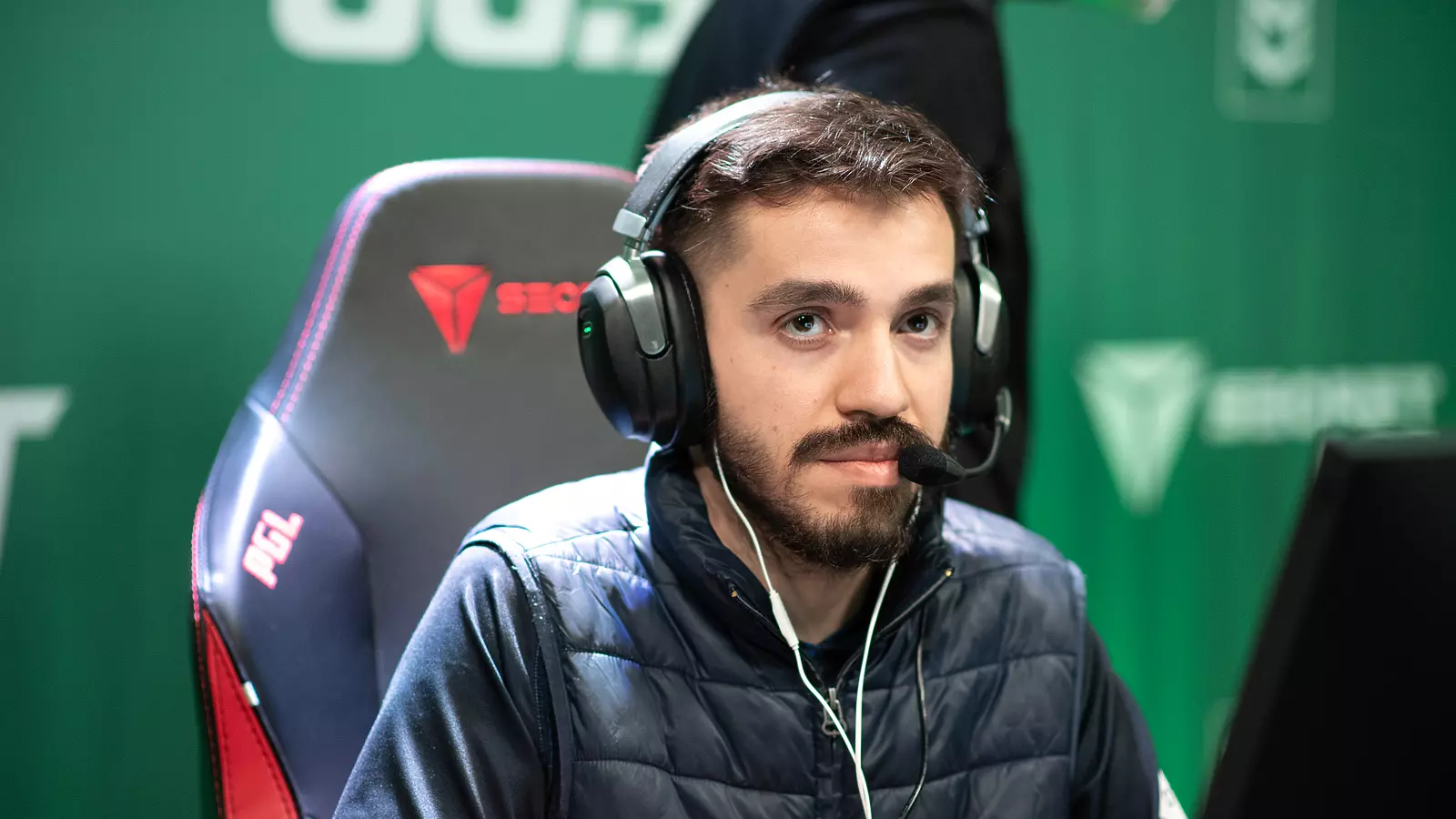
The Portuguese squad SAW emerged as the tournament’s unexpected standout at IEM Cologne 2024, delivering stunning victories against established giants including G2 Esports and FaZe, positioning themselves for a potential finals appearance. We conducted an exclusive interview with their in-game leader, Christopher “MUTiRiS” Fernandes, capturing his perspective on reaching the playoff stage, Valve’s recent competitive structure modifications, and the complexities of leading a professional team.
— Reaching playoffs represents a monumental achievement. Do you attribute this success primarily to fortunate circumstances or dedicated preparation?
— While external observers might perceive our run as fortuitous, the reality involves extensive strategic development and systematic practice. Advancing through the Play-in stage and securing that decisive victory against G2 required meticulous planning and flawless execution under pressure. Competing at this elite level while delivering consistent performances creates an unparalleled career milestone that validates our entire developmental journey.
— Competing against elite squads like FaZe and Vitality in Counter-Strike’s legendary arena with massive crowd support—does this environment generate anxiety or unprecedented motivation?
— The atmosphere generates pure exhilaration rather than apprehension. This represents an opportunity I never anticipated experiencing professionally. We intend to fully embrace the environment while recognizing our opponents’ extensive LAN experience. Teams like FaZe present formidable tactical challenges, but our preparation provides confidence that we can compete at this level and potentially secure map victories.
— You and roman accumulated extensive experience competing across tier 2 and tier 3 competitions. Describe that developmental journey.
— Navigating Europe’s secondary competitive landscape demands relentless commitment. The schedule complexity becomes particularly challenging when balancing LAN commitments like IEM Cologne with simultaneous online qualifiers. This demanding path required grinding through countless matches against established tier 2 organizations, making this premier tournament appearance feel like career validation after years of dedicated effort.
— Your enthusiasm radiates throughout our discussion. What current issues plague the competitive online environment?
— The cheating epidemic represents the most significant concern, though casual players encounter more severe impacts in Premier mode. Professional competitors face more conventional developmental barriers while establishing themselves among elite organizations. Maintaining realistic expectations while capitalizing on these rare opportunities requires balanced perspective and professional maturity.
M0NESY: “In a Russian-speaking team, I would throw off the chains. Communicating in English is a bit pressuring”
— Valve recently implemented significant modifications to RMR and Major qualification procedures. Share your perspective on these structural changes.
— While comprehending Valve’s protective intentions toward established organizations, these alterations unfortunately diminish the legendary Major tournament mystique where any determined squad could potentially qualify through open competition. We’ve experienced both perspectives—previously fighting for qualification spots and now operating as recognized contenders.
The fundamental issue stems from Valve’s inability to effectively address systematic cheating throughout qualification tournaments. Encountering suspicious opponents or unknown players delivering improbably precise performances creates frustrating competitive environments. Their solution establishing Valve ranking-based invitations represents a pragmatic approach, though it sacrifices the open competition spirit that defined previous Major cycles.
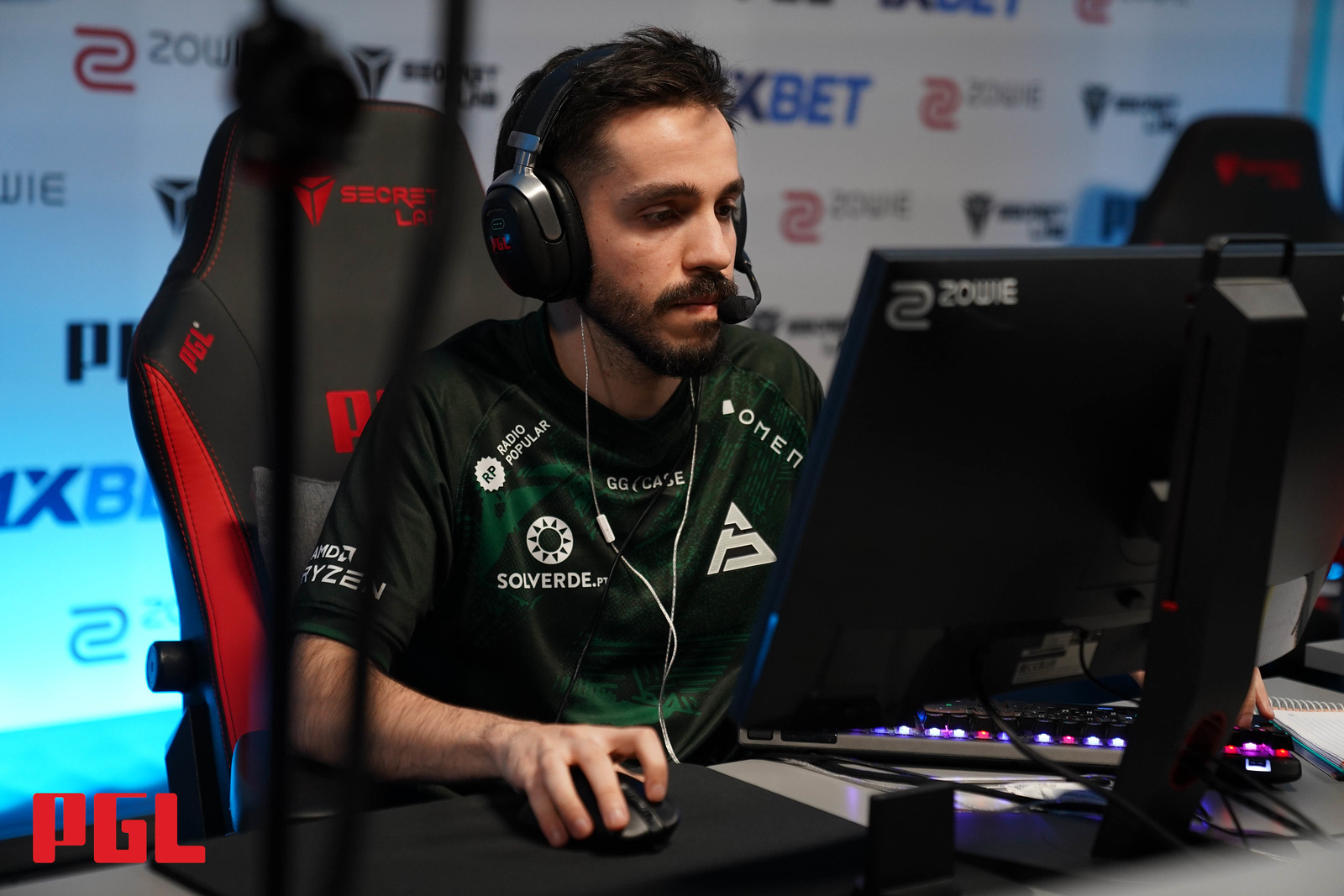
— How significant is esports presence within Portugal?
— Portuguese fans demonstrate extraordinary passion for competitive gaming, particularly Counter-Strike which has maintained primary esports status for years. The community consistently provides overwhelming support through encouraging messages and passionate engagement, reflecting our national identity as determined competitors who persevere through challenges with relentless work ethic.
— From external observation, Counter-Strike appears less dominant in Spain, Italy and Portugal compared to other regions.
— Portugal maintains exceptionally strong Counter-Strike engagement. Spanish and French scenes currently show reduced involvement, while Spanish communities predominantly support Riot Games titles through League of Legends and Valorant focus. However, Portuguese gaming culture remains deeply connected to Counter-Strike tradition.
— Did pursuing professional gaming present significant personal challenges?
— Absolutely. Competing professionally for numerous years required substantial personal commitment. My parents’ supportive approach proved crucial—they never demanded I abandon this career path. Persistent belief in my capabilities combined with their encouragement made this professional trajectory possible.
— Your Danish coach BERRY communicates exclusively in English rather than Portuguese. He mentions this language barrier limits his ability to contribute beyond 50% capacity. Do you share this perspective?
— The linguistic adaptation presented difficulties initially, but we’ve demonstrated consistent improvement. Certain situations involving rapid Portuguese communication create comprehension challenges, though we maintain English communication for all tactical discussions and team interactions.
His diverse competitive background provides invaluable strategic perspectives different from our established approaches. Integrating alternative tactical philosophies enhances our overall strategic flexibility and competitive adaptability.
M0NESY on huNter-‘s backstab:” I saw NiKo laughing, but it wasn’t f**king funny for me at all”
— What represents the most demanding aspect of in-game leadership for you personally?
— Identifying effective solutions during performance slumps creates the greatest challenge. When struggling across multiple maps simultaneously, the complexity increases exponentially compared to isolated map issues. Balancing individual performance focus with team-wide strategic adjustments requires careful prioritization that sometimes compromises personal gameplay development.
— How did you transition into the IGL position originally?
— Portugal previously developed several competent in-game leaders where I typically served as secondary caller. As those players transitioned out of competition, Portugal faced leadership vacuum that necessitated my development into primary strategic leadership. While previously excelling in mechanical execution, I recognized the necessity to prioritize tactical development and team management responsibilities.
— What qualifies as your second most memorable life experience? Your current playoff achievement clearly represents the pinnacle.
— This achievement requires deeper reflection to fully comprehend its significance. Stepping onto the arena stage will undoubtedly create unforgettable moments. If selecting two career highlights, the Copenhagen Major and current IEM Cologne performance would represent those peaks.
The day preceding our G2 match, we explored the arena environment imagining how incredible competing there would feel. Securing victories against MongolZ and advancing to playoffs generated overwhelming excitement about experiencing the crowd atmosphere and competitive pressure.
Donk, sh1ro, and Chopper on IEM Cologne exit: “F**king speechless, I’m just f**king speechless”
Action Checklist
- Analyze Valve’s current RMR structure and its impact on tier 2 team opportunities
- Study European tier 2 competitive landscape and qualification pathways
- Develop multilingual communication strategies for international rosters
- Create systematic practice routines balancing online and LAN preparation
- Establish performance tracking systems for multi-map consistency monitoring
No reproduction without permission:Game Guides » MUTiRiS: “Valve wanted to protect the teams. But they kind of destroyed magic of Majors where anyone can do it”Exclusive SAW's IGL MUTiRiS shares insights on IEM Cologne success, Valve's RMR changes, and esports in Portugal