
TL;DR
- Daxak voluntarily left HellRaisers despite Major qualification due to irreconcilable differences
- Coach Nofear lacked game knowledge and failed to complete assigned responsibilities
- Captain Solo refused to communicate his strategies or work with younger teammates
- Conflicting work ethics and lifestyle choices created toxic team environment
- Mental health preservation outweighed competitive opportunity for Daxak
Professional Dota 2 Team Dynamics Analysis Esports Leadership
In an exceptionally transparent follow-up discussion, professional carry player Nikita “Daxak” Kuzmin provided detailed insights into the internal team dynamics that prompted his departure from HellRaisers, even after securing qualification for the Lima Major. Elite esports competitors seldom disclose organizational challenges with such candor, and Kuzmin acknowledges the potential career repercussions of his openness. Despite recognizing the likelihood of limited team opportunities following his revelations, he remained committed to sharing his perspective on the team’s internal struggles.
Previously, we examined Daxak’s contentious relationship with Akbar “SoNNeikO” Butaev during his tenure with BetBoom. The clash between two strong-willed leaders culminated in disappointing results — finishing last at The International 2022. This background informed his approach to preventing similar issues within his new team environment.
I established clear boundaries from the outset regarding my collaborative approach. Within BetBoom’s structure, SoNNeikO’s captaincy was predetermined. Consequently, before committing to HellRaisers, I meticulously outlined my working methodology and expectations to avoid repeating previous conflicts. All team members consented to these terms. I also disclosed ongoing development of interpersonal communication skills and presented both strengths and areas for improvement transparently.
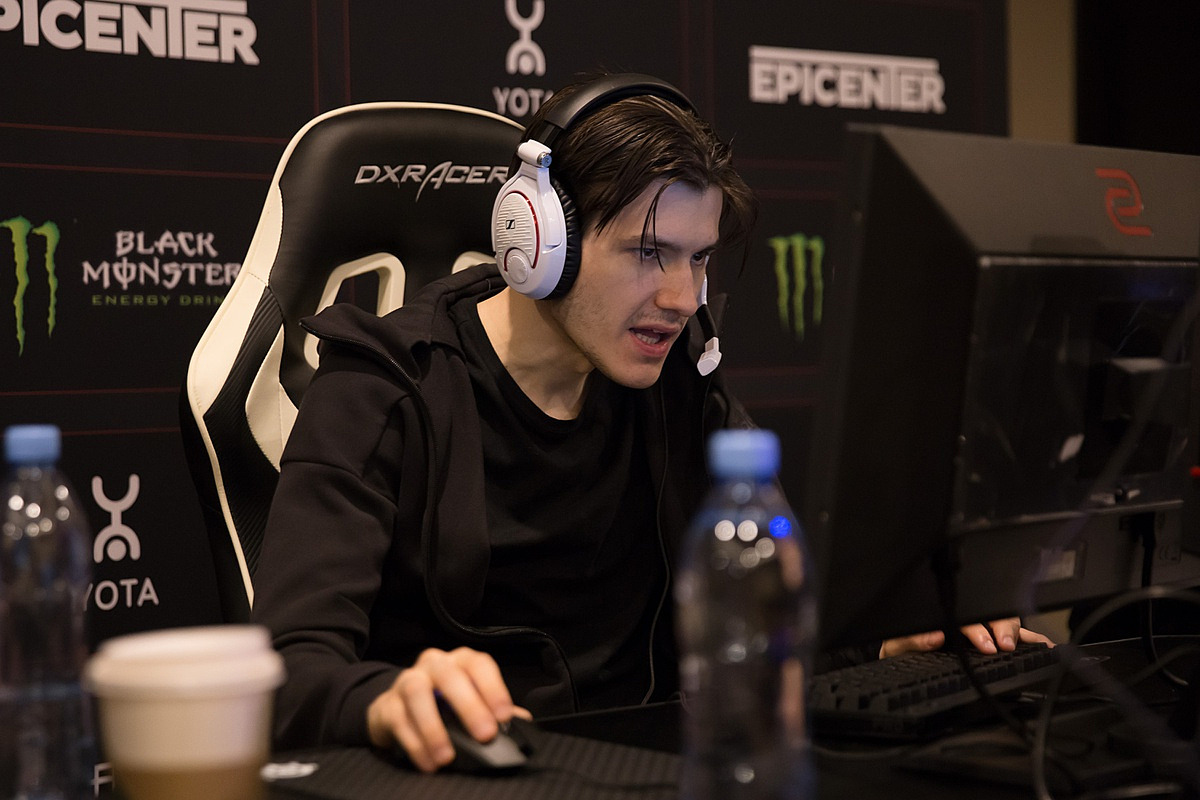
Kuzmin identified the coaching staff as the primary organizational challenge within HellRaisers. Aleksandr “Nofear” Churochkin was undertaking his first significant coaching role. According to Daxak’s assessment, Nofear demonstrated inadequate professional standards, consistently overpromising deliverables while failing to execute assigned responsibilities, compounded by insufficient game knowledge.
His strategic comprehension required substantial collaborative development. Nofear acknowledged these limitations: “I lacked mentorship opportunities, apologies for my current capability level”. However, accountability remained problematic — commitments made were frequently abandoned without explanation.
Nofear would routinely accept multiple simultaneous assignments yet consistently fail to complete them. We maintained detailed task allocation documentation requiring regular updates every 48-72 hours, but these administrative duties were neglected. His approach to replay analysis methodology also required correction. I conducted joint session with both the coach and developing players to establish proper analytical frameworks for future implementation.
The coach repeatedly assured comprehensive preparation coverage: “Team readiness is established, focus on gameplay execution”. Reality contradicted these assertions significantly. I assumed substantial additional responsibilities, though somewhat reduced from my BetBoom workload.
His interpersonal approach involved excessive flattery initially, which I find professionally objectionable. Initial sycophantic behavior inevitably transitioned to substandard performance delivery. Nofear presented himself as possessing psychological expertise and game intelligence. When confronted with analytical errors, he would acknowledge mistakes and express gratitude. Days later, he would reintroduce identical flawed concepts as absolute truths without supporting rationale, reminiscent of ideological rigidity. Multiple attempts to clarify conceptual errors proved unproductive, eventually requiring direct intervention to terminate unproductive discussions.
Our practice structure lacked coherent organization entirely. Scrimmage sessions proceeded without strategic objectives or learning goals — mechanical execution without purpose. After studying specific hero matchups, we would arrive at practice sessions with no established hero selection strategy. When questioned about draft preparation, our coach lacked answers. Without alternative guidance, we defaulted to random experimentation. I repeatedly highlighted these systemic issues, receiving promises of resolution that never materialized. After three cycles of identical promises, I discontinued engagement on these matters.
Sheever appears as esports legend in first episode of Gucci documentary series
Despite these significant criticisms, Kuzmin acknowledged Churochkin’s developmental progress during their collaboration. His game comprehension showed marked improvement over time, and he began articulating strategic concepts more effectively, though communication proficiency remained below professional standards. When Solo relinquished drafting responsibilities, Nofear assumed this role and performed adequately according to Daxak.
Contextually important — Nofear is married to HellRaisers sports director Maria “Inverno” Gunina, with their relationship predating his coaching appointment. While Daxak never suggested improper influence, this relationship dynamic completes the organizational picture.
“In HR Solo failed both as a player, and as a captain”
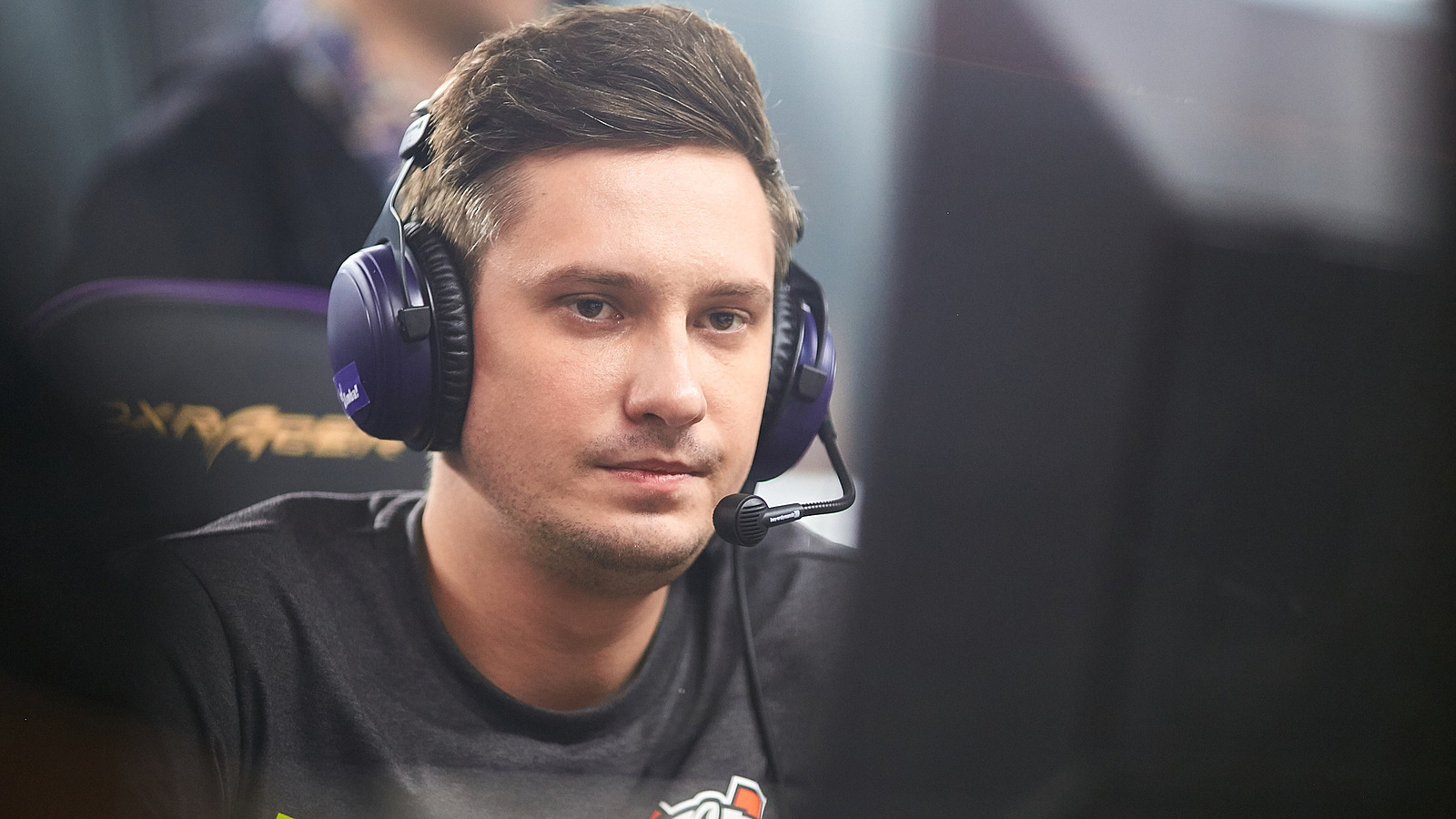
The carry player also expressed substantial criticism regarding Solo’s performance. Berezin disregarded teammate input, declined to explain strategic rationales, excluded collaborative draft participation, and neglected developmental work with younger roster members. “SoNNeikO at minimum communicated gameplay concerns before conflicts escalated, whereas Solo expected telepathic understanding of his unstated intentions”, stated Kuzmin. The accomplished captain joined following NAVI’s dissolution — reports indicated the previous roster experienced internal discord attributed to his authoritarian leadership approach.
I joined an organization lacking foundational structure, requiring immediate work with developing talent and systemic problem resolution. After one week of bootcamp preparation, Solo departed for pre-scheduled vacation planned during TI11. Upon return, he required additional recovery time to regain competitive form. Throughout this period he neglected captaincy duties while I conducted near-daily sessions with younger players: collaborative replay analysis, instructional guidance, and coach development.
Initially, Solo demonstrated strong gameplay fundamentals with proper map movement patterns. When I provided constructive feedback, he responded receptively. He also instructed me on high-ground siege tactics and base advancement strategies — areas where I consistently struggled. His mentorship improved my performance in these aspects.
However, his performance deteriorated significantly later. He began repeating identical mistakes we had addressed multiple times previously, resulting in consistently poor lane performance. The reasons for this regression remain unexplained.
He consistently avoided joint replay analysis sessions. I observed him reviewing another player’s footage once, but never his own gameplay. His motivation appeared sufficient only for extensive public match participation. From my assessment, within HellRaisers Solo underperformed in both player and leadership capacities.
Frequently he expressed dissatisfaction with specific in-game decisions yet never clarified his reasoning. When I identified concerns, I initiated team discussions the following day. There I presented my analytical perspective, enabling teammates to either concur and implement corrections, or identify flawed reasoning in my assessment.
Numerous situations arose where the entire team disagreed with his strategic calls. I requested position clarification repeatedly without response. Leadership legitimacy derives from earned respect through demonstrated competence rather than positional authority assertion.
“Why someone tries hard every map, while others don’t give a sh*t?”
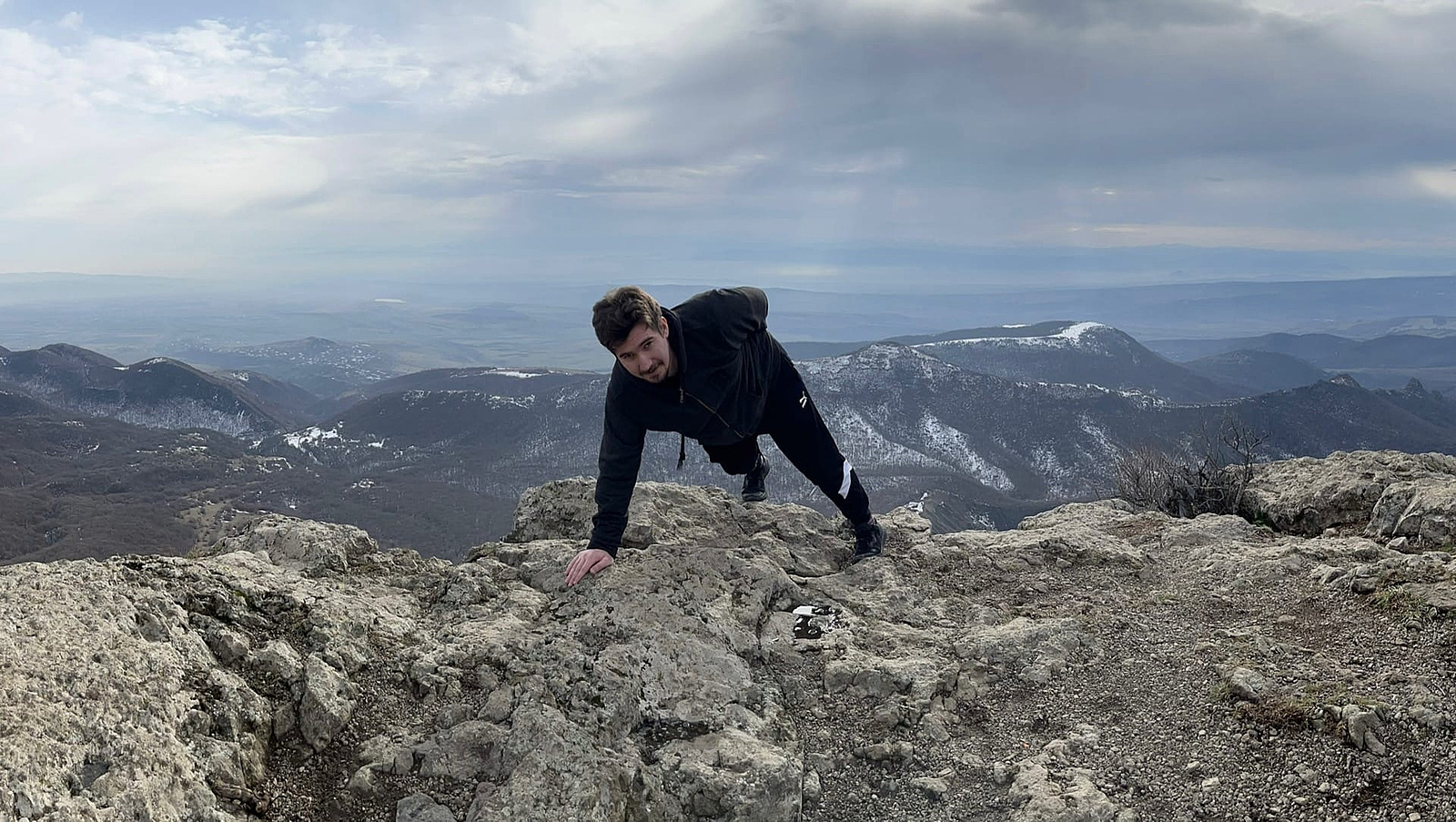
Kuzmin also expressed dissatisfaction with overall team culture dynamics. He objected to inconsistent sleep schedules among members and perceived lack of scrimmage seriousness. Daxak mentioned teammates frequently went out “for drinking and smoking following competitive matches”. This contrasted sharply with Daxak’s disciplined approach — regular gym attendance, sleep optimization, and nutritional focus during bootcamp periods. Maintaining healthy lifestyle habits provided the primary coping mechanism for managing the “organizational dysfunction present”.
I maintain complete professional dedication to competitive excellence. Fundamentally, I excel exclusively within Dota 2’s competitive sphere. Why do certain players maintain consistent effort across matches while others demonstrate professional indifference? I joined for competitive achievement, not recreational activity, making such divergent approaches challenging to accommodate.
Undoubtedly external factors influenced team dynamics significantly. Collective time investment remains crucial for team cohesion. When one competitor rises at 09:00 while another sleeps until 14:00, coordinated activity becomes problematic. Due to conflicts with Solo and Nofear, establishing personal connections proved difficult. Kiyotaka maintains solitary tendencies. I shared some activities with MieRo, including joint gym sessions.
Following official matches, teammates frequently engaged in social drinking and smoking activities. I find both tobacco use and alcohol consumption objectionable. Even ambient smoke exposure causes discomfort. On several team outings, when half the roster used IQOS [tobacco heating systems] — permitted in Serbian public spaces — and I requested outdoor usage, inevitably affecting group dynamics negatively.
“In the end, it was an ultimatum: it’s either me or him”
The culmination occurred following HellRaisers’ qualification for the Lima Major. Previously, the organization had dismissed Kuzmin’s repeated concern expressions, labeling him “Mr. Negative” and instructing issue discussion cessation, which he complied with initially. However, during a team meeting shortly after their competitive achievement, he determined the timing appropriate for addressing systemic problems — retrospective analysis suggests delayed discussion initiation would have been preferable.
I articulated my unwillingness to continue working with Nofear, noting Solo’s performance deterioration — yet teammates dismissed these as significant concerns. Instead, I became identified as the organizational problem. Solo began citing lane execution errors, yet when requested to demonstrate specific instances, he declined. Throughout our collaboration, he provided specific guidance on only one occasion, which I acknowledged and committed to correct.
Consequently, I stated that if these issues weren’t recognized as problematic, our philosophical differences were irreconcilable, necessitating separation. Yes, we achieved Major qualification, but I refused to tolerate these conditions indefinitely.
Preceding my removal, Nofear initiated psychological manipulation tactics, criticizing my performance and contribution despite previous excessive praise and acknowledgment of learning from my expertise. Ultimately, the situation required definitive resolution: either my continued participation or his. Continued collaboration became untenable, at minimum for myself.
They proposed joint Major participation acknowledging my qualification “deserving”, followed by subsequent separation. I requested deliberation time. Eventually I consented to their proposed terms, but demanded explicit responsibility delineation to prevent complaints regarding professional boundaries.
Suddenly they began asserting insufficient motivation on my part. <…>
I could have maintained silent compliance, enduring the situation, and we would have attended the Major together. But what purpose would that serve? For me, that represents wasted time and emotional resources. My psychological wellbeing outweighs competitive participation with HellRaisers. What results will they achieve? If they secure first place, commendable achievement, though that doesn’t guarantee identical outcomes with my participation, similarly if they finish last — identical possibilities existed with my involvement.
ATF returned to playing offlane in pubs
Despite this comprehensive issue documentation, Kuzmin acknowledges his contribution to the situation’s deterioration. He recognizes occasional interpersonal communication challenges, noting that younger players subsequently complained about perceived pressure and excessive criticism during replay sessions. Daxak maintains that immediate feedback would have prompted methodological adjustment, and he communicated this availability, though they never utilized it until termination. “I also received feedback regarding excessive involvement in others’ responsibilities. However, this engagement resulted from uncompleted essential tasks”, explains Kuzmin.
When questioned how such a dysfunctional organization achieved qualification within competitive regions, he responded that historically, teams with substantially greater organizational challenges have achieved success, and “competitive outcomes remain unpredictable”. As illustration, he referenced Team Liquid considered roster changes preceding their championship victory at The International 2017.
Critical perspective acknowledges this represents a singular narrative viewpoint. Following HellRaisers’ evaluation of alternative carry players, one competitor stated that “team atmosphere improved noticeably”. While this doesn’t necessarily indicate Daxak as the primary issue source, interpersonal relationships may have deteriorated sufficiently to necessitate his removal. Nevertheless, he maintains pride in organizational contributions, achieving Lima Major qualification where HellRaisers will compete with replacement personnel.
Update: HellRaisers coaching staff responded to the interview, indicating team preparation conducted during Daxak’s absence, while criticizing his public match approach.
HR coach Nofear: We prepared to games at night while Daxak slept, since it was important for us to not have him present
The core conflict within HellRaisers stemmed from fundamental leadership failures that undermined team cohesion. Multiple instances occurred where strategic decisions made by the captain lacked explanation or justification, creating frustration among team members who were expected to follow directives without understanding the reasoning behind them.
When questioned about specific in-game calls, the captain consistently refused to elaborate on his tactical thinking. This approach contradicted effective leadership principles, where authority should be earned through demonstrated competence and clear communication rather than assumed through positional power.
There were numerous situations where collective disagreement emerged regarding strategic decisions. I repeatedly requested clarification about the tactical rationale, but received no substantive explanations. True leadership in esports requires demonstrating value through actions and strategic insight, not simply declaring authority without justification.
The captain’s performance decline became increasingly problematic as the season progressed. Despite early positive contributions to gameplay fundamentals, his form deteriorated significantly, with repeated mistakes that had been previously identified and discussed. The refusal to engage in collaborative replay analysis further exacerbated the situation, preventing constructive resolution of recurring issues.
Fundamental differences in work ethic and lifestyle preferences created an irreconcilable cultural divide within the team. While some players maintained disciplined routines including regular gym sessions, structured sleep patterns, and nutritional awareness, others operated with significantly more relaxed approaches to professional preparation.
Disparate sleep schedules made coordinated team activities challenging, with wake times ranging from 9:00 AM to 2:00 PM among different members. This scheduling misalignment prevented the development of cohesive team bonding experiences essential for high-performance environments.
I approach professional gaming with complete dedication to improvement and performance excellence. When observing inconsistent commitment levels among teammates—some demonstrating maximum effort while others showed minimal engagement—the resulting friction became increasingly difficult to manage.
Post-match routines further highlighted the cultural divide, with team outings centered around activities that conflicted with personal values and preferences regarding health and wellness.
The team’s social activities frequently involved smoking and alcohol consumption, which created discomfort due to personal aversions to both substances. Even the ambient presence of smoke in social settings created tension, particularly in regions where public smoking regulations permitted such environments.
The situation reached its climax following HellRaisers’ successful qualification for the Lima Major. Previous attempts to address systemic issues had been met with dismissive labeling as “Mr. Negative,” effectively silencing constructive criticism about team processes and performance issues.
I clearly articulated my position regarding the coach’s continued involvement and the captain’s declining form, but these concerns were dismissed as non-issues by other team members.
The confrontation escalated when performance criticisms were directed back without substantive evidence or demonstration. When requested to provide specific examples of alleged mistakes, the refusal to engage in detailed analysis demonstrated the communication breakdown’s severity.
The coach’s behavior shifted dramatically from previous supportive interactions to actively undermining confidence through gaslighting tactics. This created an untenable environment where continued collaboration became impossible.
Despite the team’s qualification achievement and subsequent offer to participate in the Major tournament, the decision prioritized long-term mental wellbeing over short-term competitive opportunities.
I recognized that silently enduring the dysfunctional dynamics would enable tournament participation but at significant personal cost.
Reflecting on the situation, Kuzmin acknowledges his own role in the deterioration, particularly regarding social communication challenges and perceived over-involvement in teammates’ responsibilities.
When questioned how a team with such internal challenges managed to qualify in a competitive region, he noted that esports history contains numerous examples of teams achieving success despite significant internal conflicts, citing Team Liquid’s roster considerations prior to their TI7 victory as precedent.
Action Checklist
- Establish clear role definitions and communication protocols during team formation phases
- Implement structured task management systems with accountability mechanisms
- Conduct regular team feedback sessions with documented action items
- Develop conflict escalation protocols with neutral mediation options
- Create professional development plans for coaching staff with measurable benchmarks
- Establish clear communication protocols for strategic decisions and feedback
- Implement structured team bonding activities that respect diverse lifestyle preferences
- Create documented processes for performance review and improvement planning
- Develop conflict resolution mechanisms before issues escalate to critical levels
No reproduction without permission:Game Guides » “My mental state is more important than going to the Major with HellRaisers”. Daxak talks about Solo’s failure as captain and conflicts in HRExclusive "In HR Solo failed both as a player, and as a captain"