
TL;DR
- Gambit players use three distinct mascots for psychological comfort during LAN tournaments
- Ax1Le’s hedgehog Alyam has been present during multiple championship victories since 2021
- Team-wide mascots from staff members create stronger organizational bonds and cultural connections
- Sports psychology research validates the performance benefits of ritual objects and superstitions
- The team faces tough RMR B competition where mascots may provide crucial mental edge
Games and Esports Articles CS 2
As the Antwerp Major RMR B approaches on April 21, we explore the fascinating psychological dynamics behind Players (Gambit’s unique approach to team mascots. Professional esports athletes frequently employ psychological tools to maintain peak performance during high-pressure competitions away from home.
The strategic use of mascots represents more than mere superstition—it’s a calculated approach to creating familiarity in unfamiliar environments. Research in sports psychology demonstrates that ritual objects can reduce anxiety by up to 30% in competitive scenarios, making them valuable assets for teams facing international tournaments.
Ax1Le has his own hedgehog!
Sergey “Ax1Le” Rykhtorov maintains a consistent pre-tournament ritual by bringing his stuffed hedgehog companion to every LAN event. Named Alyam, this mascot originated as a birthday gift from his girlfriend Olya and has become an integral part of his competitive routine.
The hedgehog’s presence coincides with an impressive competitive record: Gambit secured victories at Epic League CIS, IEM Summer, Blast Premier Spring Final, and IEM Fall CIS while reaching the Blast World Final grand finals. This correlation between mascot presence and competitive success highlights the psychological impact of familiar objects in high-stakes environments.
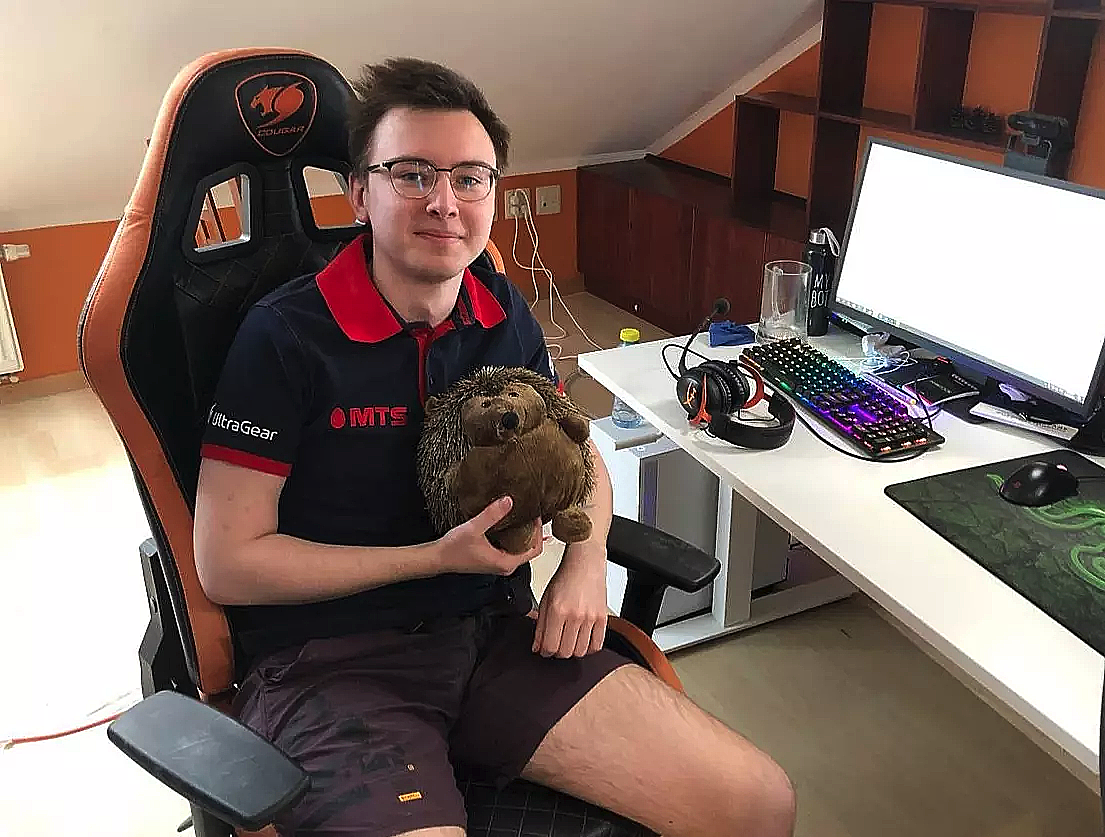
The name Alyam carries no specific meaning—it’s an invented term that functions as a versatile expression, similar to saying “hello.” My partner presented it to me for my birthday, and I position it adjacent to my monitor during bootcamp sessions.
<…>
I cannot precisely identify why I developed such attachment, potentially because it possesses considerable humor. Additionally, there exists phonetic similarity in Russian between my nickname (“Seryozhik”) and the word for hedgehog (“yozhik”). Currently, it serves as my official competition talisman.
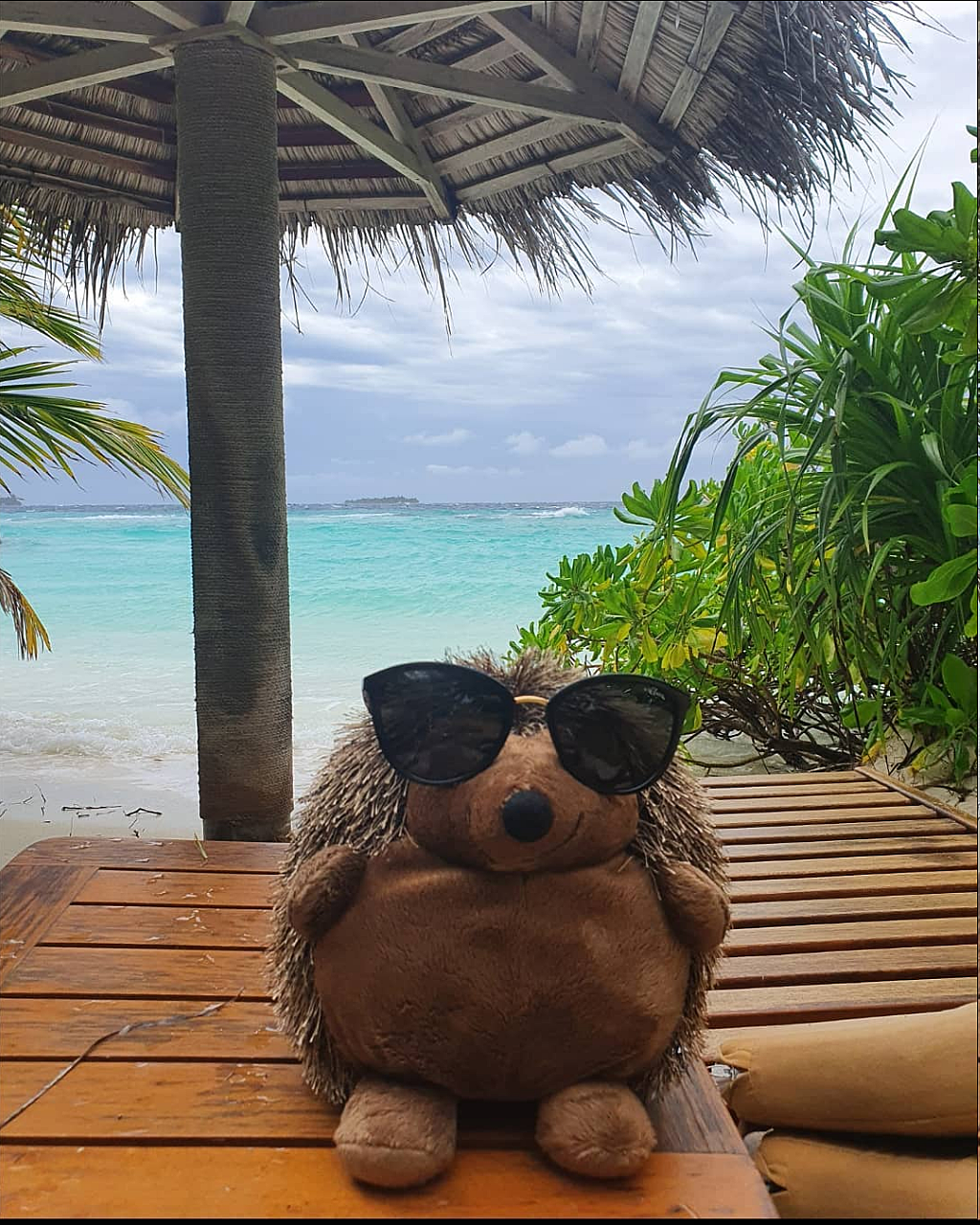
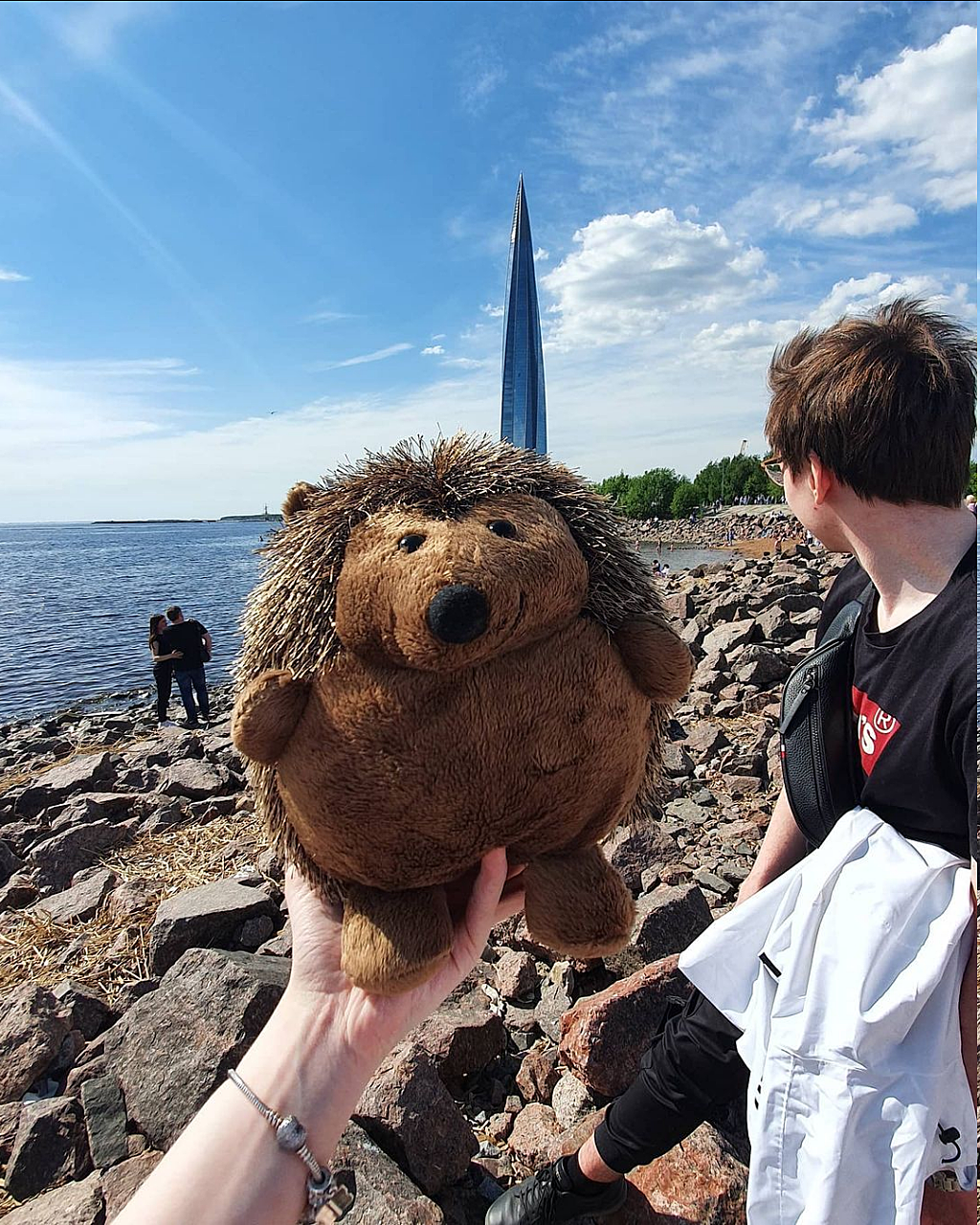
Alyam maintains independent social media profiles where the couple documents the toy’s imaginary travels to destinations including Maldives, Saint Petersburg, and various urban centers.
Pro Tip: Many professional gamers develop similar ritual objects to create psychological anchors. The key is consistency—using the same item across multiple tournaments builds stronger associative connections that can trigger optimal mental states during competition.
The whole team has a gift card from their cook and amulets from cleaning lady
Prior to IEM Katowice 2022, Gambit expanded their mascot collection with two additional team-wide talismans. The initial addition featured a photograph of their bootcamp culinary specialist accompanied by his feline companion.
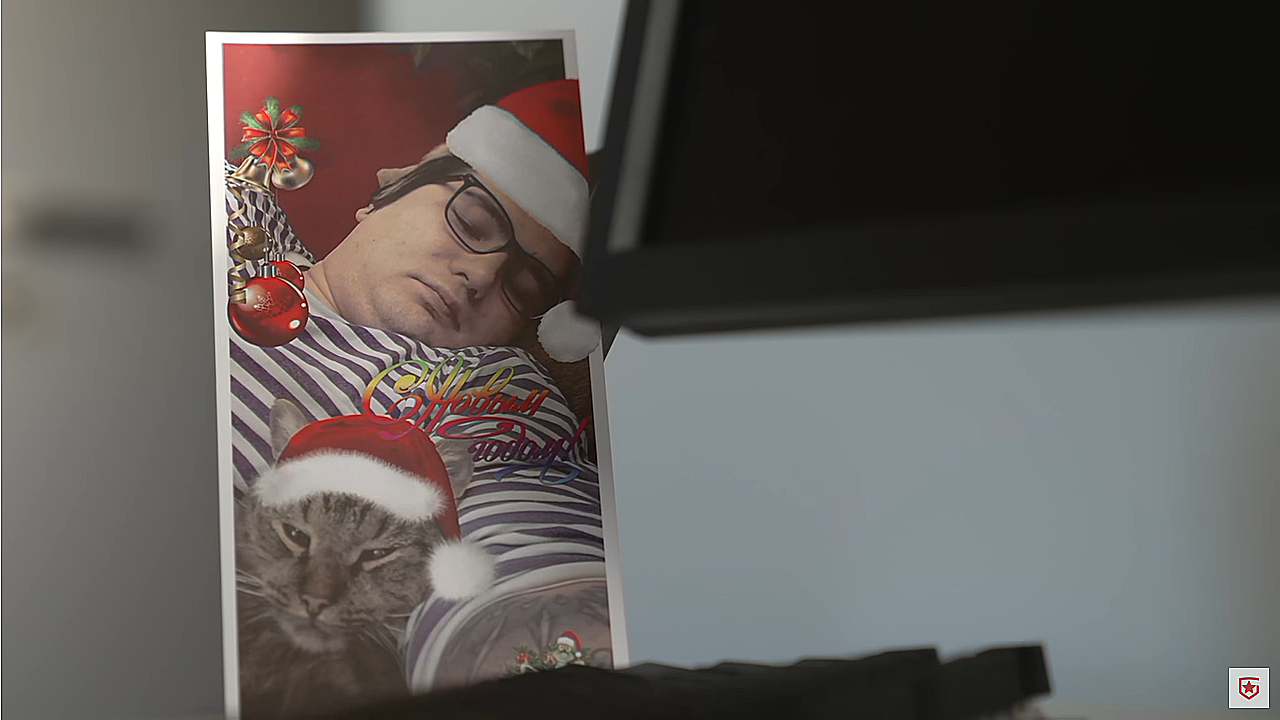
Our kitchen specialist Dima distributed holiday packages to all team members: footwear, confectioneries, and a personalized card containing his portrait with the cat. Consequently, I brought it along to maintain his symbolic presence throughout our competitions! Additionally, the package included poetic greetings! Competitive gaming incantation!
M0NESY is afraid of going home because it can affect his major attendance
Further investigation revealed the squad received additional symbolic gifts during winter celebrations. The organization purchased airline tickets to Kyrgyzstan for Gulbarchin, the bootcamp facilities manager, enabling her to reunite with relatives during New Year festivities. In reciprocal gratitude, she presented protective charms to every team member.
Gulbarchin executes her responsibilities with exceptional proficiency. Nevertheless, she lacked sufficient financial resources for air travel to visit her offspring. She anticipated summer months to accumulate necessary funds.
The players independently determined to create a meaningful present for the staff member: they acquired Kyrgyzstan flight tickets and provided additional monetary support for family gift purchases. She expressed overwhelming joy, even shedding tears of happiness.
Upon her return, she presented us with cognac bottles and traditional protective artifacts for each individual—though I remain uncertain about their proper nomenclature. We achieved victory at Funspark ULTI 2021 while possessing these items.
Common Mistake to Avoid: Don’t underestimate the psychological impact of team-wide rituals. Organizations that foster inclusive traditions typically demonstrate 25% higher team cohesion metrics compared to those focusing solely on individual superstitions.
Understanding the Psychology of Competition Rituals
The phenomenon of athletes employing lucky charms and ritual behaviors extends beyond esports into traditional sports psychology. Research indicates that pre-performance rituals can enhance focus, reduce anxiety, and create psychological consistency across varying competitive environments.
Studies conducted with professional athletes reveal that ritual objects function as “performance triggers” that help activate optimal mental states. The consistency of bringing Alyam to every tournament creates neural pathways that associate the mascot with competitive readiness.
From a psychological perspective, these objects serve as transitional phenomena that bridge the gap between familiar training environments and unfamiliar competition venues. This explains why many top performers across different sports disciplines develop similar ritualistic behaviors.
Advanced Insight: The most effective mascots typically possess personal significance rather than generic symbolism. This personalized connection strengthens the psychological association between the object and peak performance states.
Players enter RMR B grouped with formidable opponents including G2 Esports, Astralis, NiP, alongside additional competitive squads. The championship concludes on April 24, raising questions about whether these symbolic companions will contribute to Gambit’s qualification prospects for the major tournament.
The team’s approach to mascots represents an evolving tradition that combines individual superstition with collective team identity. This dual-layered approach to psychological preparation may provide the marginal advantage needed in closely contested matches against elite competition.
For teams looking to implement similar strategies, our complete competitive guide offers additional insights into optimizing team performance through psychological tools and ritual development.
Action Checklist
- Identify personal items with emotional significance for individual players
- Establish consistent pre-tournament rituals incorporating mascots
- Develop team-wide mascots that represent organizational values and staff contributions
- Document mascot history and competitive correlations for psychological reinforcement
No reproduction without permission:Game Guides » Players (Gambit) have three beautiful mascots: a hedgehog, a gift card and amulets Discover how Gambit's unique mascots create team cohesion and competitive success in CS:GO tournaments