
TL;DR
- BetBoom’s Berlin Major failure stemmed from leadership void and strategic disunity rather than skill deficiencies
- Players operated with conflicting strategic visions, creating mental exhaustion and undermining tournament performance
- The team’s inability to adapt to patch 7.33 highlighted deeper organizational and communication issues
- Coach Boo1k admitted personal preparation shortcomings while highlighting player resistance to direction
- Successful teams require unified strategic vision and strong leadership to navigate high-pressure tournaments
Games and Esports Articles Dota 2
BetBoom team coach Anatoliy “Boo1k” Ivanov delivered an exceptionally transparent interview with Russian caster CrystalMay following his squad’s premature exit from the Berlin Dota Major 2023. The tactical leader expressed significant concerns regarding both his roster’s performance and his own strategic preparation, emphasizing a critical absence of cohesive gameplan and systematic approach.
Ivanov’s tone conveyed profound disappointment—a completely understandable reaction given that finishing between 13th and 14th place represents a substantial underachievement for an organization of BetBoom’s competitive stature. His analysis of the Berlin tournament collapse centered on the team’s deficiency in possessing an authoritative voice capable of establishing and maintaining strategic consistency. This leadership gap severely compromised the team’s capacity to adjust dynamically to the freshly released game update, a challenge exacerbated by the patch’s timing immediately preceding the competition.
As each competitive day progressed, I experienced increasing difficulty in maintaining effective gameplay. Remarkably, our adversaries contributed nothing to create this situation; we essentially engineered our own deterioration through internal processes. Our mental resources became progressively depleted, with excessive energy expenditure on non-productive debates. We maintain an overwhelming diversity of perspectives regarding strategic execution and hero selection, with these viewpoints fluctuating unpredictably daily. When attempting to concentrate on specific hero combinations and develop coherent strategies, approximately half the roster advocates for radical, sweeping changes to our established approach.
For instance, when Gaimin Gladiators demonstrate particular draft selections, certain players immediately propose: “We should emulate this strategy.” This generates tactical disarray, consuming substantial mental bandwidth to manage. Consequently, I perceived drafting and execution becoming progressively more challenging with each passing day. I believe several teammates share this assessment. The deterioration stemmed not from opponent preparation superiority but from our internal confusion progressively eroding self-assurance.
RAMZES on Quinn beef: “When we took an elevator together, he didn’t say a word to me and was staring down at the floor”
BetBoom commenced group stage competition with respectable outcomes, achieving multiple draws against formidable opponents. However, during the fourth competition day, they suffered defeat against group underdog Execration, ultimately forcing tie-breaker scenarios. Based on Boo1k’s commentary, the squad overcomplicated their approach rather than refining existing successful strategies.
We consistently attempted to exceed necessary strategic complexity, resulting in perpetual competitive tension. Despite holding second position in our group with satisfactory standing, we continually shifted tactical foundations rather than building upon established strengths. Individual players advocate conflicting approaches—one proposes specific actions, another suggests alternative methods, while a third recommends completely different drafting philosophies. Consequently, we manage an excessive volume of strategic opinions requiring constant filtration, consuming disproportionate organizational resources.
Each evening we reiterated the necessity of concentrating on our core gameplay identity. [Did morning sessions reset progress?] Not exactly—attempting to enforce consistency proves ineffective within this team’s dynamic structure. When individuals develop strong opinions, they persistently advocate their perspectives regardless of situational context, competitive results, or future implications. Once tournament competition commences, limited corrective options remain available.
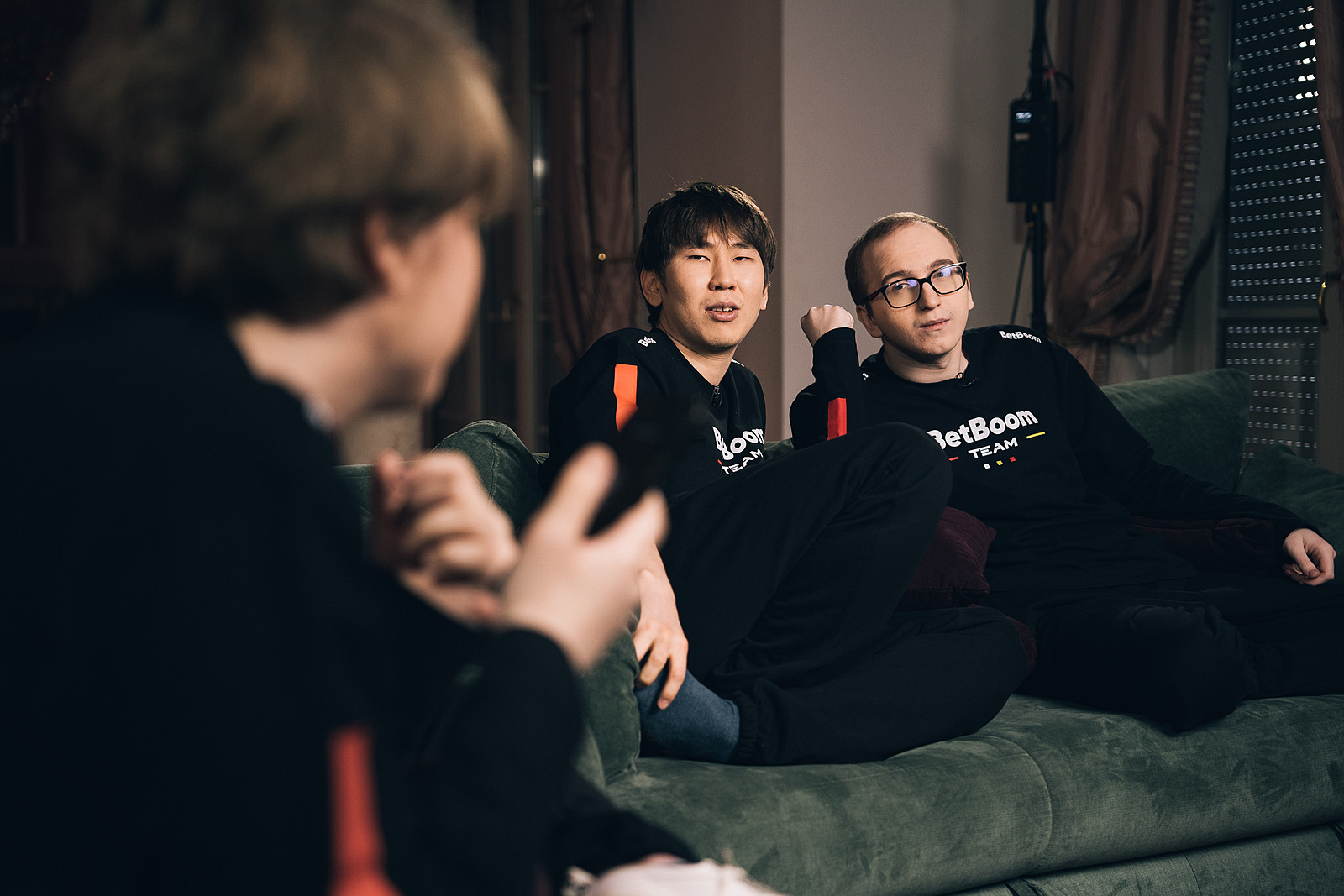
Boo1k and BetBoom cannot bring players to order
The unexpected release of game patch 7.33 disrupted player preparation, prompting diverse strategic interpretations. However, as the interview progressed, it became increasingly evident that Boo1k perceived the fundamental issues extending beyond mere adaptation to rule changes.
Our team will perpetually contend with multiple strategic perspectives—this represents the inherent characteristic of these competitive professionals. [How to transform this into productive collaboration?] This evolution occurs through accumulated experience. Ultimately, competitive outcomes determine strategic validity. External interpersonal dynamics prove irrelevant; mutual animosity outside competition doesn’t preclude tournament success if the team possesses winning methodology and execution capability. Achieving results requires mutual trust among teammates and unified directional movement regarding strategic concepts. The entire roster must operate as a cohesive strategic entity. Sometimes this requires extensive timeline investment, numerous competitive setbacks before these elements synchronize properly. Human behavioral modification rarely occurs without compelling motivation, typically emerging under critical competitive circumstances, with each individual possessing specific thresholds where transformation initiates.
Compounding the situation, Ivanov expressed skepticism that even consecutive Major tournament failures would catalyze necessary player evolution. He believes the roster hasn’t reached their transformational threshold currently, and he lacks capacity to either accelerate this process or compel unified team execution.
I doubt the players comprehend the severity of our situation. We’ve now achieved top-16 placement for the second consecutive time, yet I remain unconvinced this represents the critical juncture that will stimulate meaningful change. This constitutes my professional assessment. I cannot identify any individual capable of facilitating this player development. Perhaps such expertise exists elsewhere, but I must acknowledge my personal limitations in this domain. I continue efforts, but reality dictates current limitations.
Certain individuals within our organization operate according to personal preferences, with neither myself nor the management structure exercising meaningful oversight. This occurs because they fundamentally lack concern. They perceive extensive future competitive opportunities ahead. They maintain absolute confidence that abundant tier-1 Dota competition awaits them, and competitive pressure cannot eliminate them because they consider themselves globally superior.
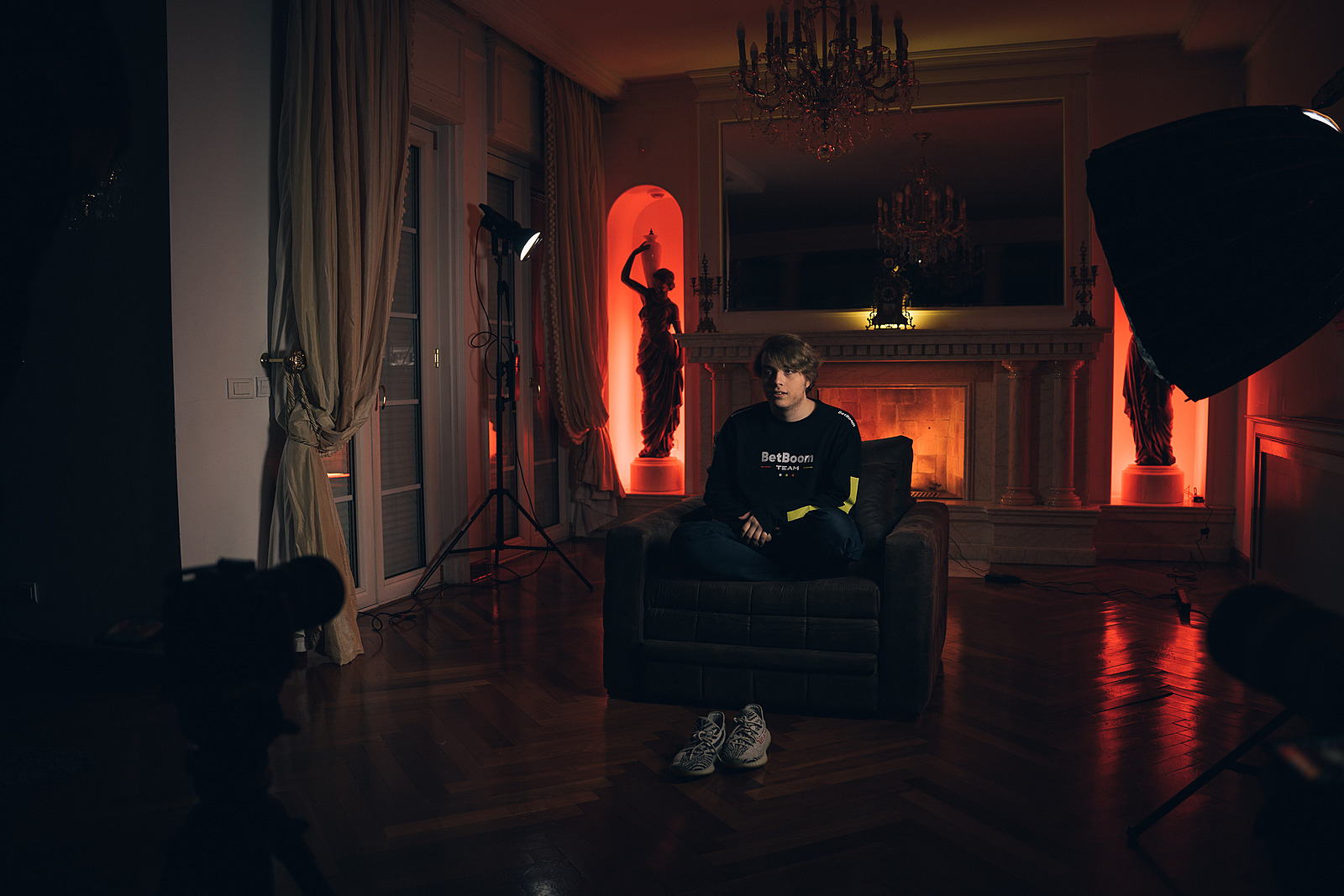
While superficial interpretation might suggest Ivanov attributed the competitive failure exclusively to player performance, he actually demonstrated significant self-criticism regarding his own contributions.
Following the game update release, I lacked sufficient preparation opportunity. I remained inadequately versed in optimal hero selections, our most effective strategic combinations within the current meta, or anticipated lane dynamics. Our drafting process involved collective decision-making, where I shirked appropriate responsibility, attempting to incorporate suggestions presented by team members. I’m not asserting that my strategic drafting demonstrated quality. Quite the contrary: my preparation proved insufficient, creating current management challenges.
Yatoro on patch 7.33: “I look at Dota heroes and realize that any of them can work as a carry now”
TI champion is excited about the game again.
Boo1k emphasizes that his commentary aims not to criticize or assign blame, but rather to identify and resolve systemic issues through transparent dialogue. The strategic leader acknowledges personal culpability in the team’s underperformance. He referenced missing the second organizational training camp due to persistent roster availability issues including visa complications and scheduling conflicts.
ESL One Berlin 2023 marked the second consecutive Major tournament where BetBoom failed to advance beyond initial group stages. Despite requiring substitute players because of Ivan “Pure” Moskalenko travel document problems, the team was anticipated to achieve superior competitive results.
N0tail: “OG Dota succeeding when shit hits the fan has always been the case”
Action Checklist
- Establish clear strategic hierarchy with defined decision-making authority
- Implement structured patch adaptation protocols with designated research responsibilities
- Develop team communication frameworks to manage conflicting strategic opinions
- Create psychological performance monitoring systems to prevent mental resource depletion
- Establish organizational oversight mechanisms for player discipline and strategic compliance
No reproduction without permission:Game Guides » “Some people here do what they want, and neither I nor the organization have control over it”. BetBoom coach analyses the loss in BerlinInterview BetBoom coach reveals team leadership crisis and strategic chaos behind Berlin Major elimination