
TL;DR
- YEKINDAR ended a 4-year trophy drought with FURIA’s FISSURE Playground #2 victory
- Confidence transformation was the key factor in breaking performance slumps
- The five-map final against The Mongolz featured multiple overtimes and intense back-and-forth action
- Strategic risk-taking and mental resetting proved crucial in high-pressure situations
- Team synergy and individual standout performances secured the championship win
Games and Esports Articles CS 2
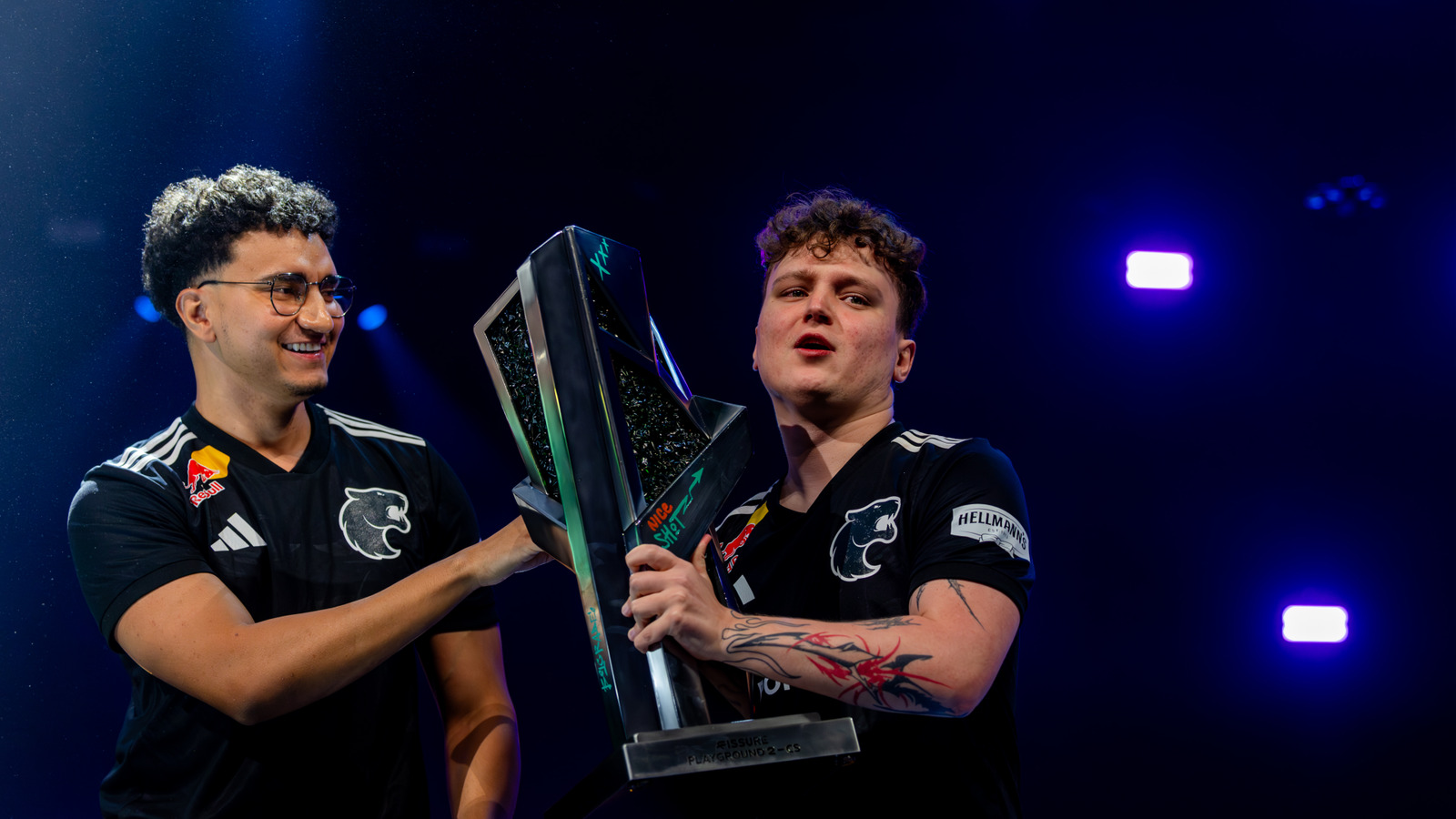
FURIA’s star player Mareks “YEKINDAR” Gaļinskis experienced an emotional breakthrough after clinching FISSURE Playground #2 against formidable opponents The Mongolz. The championship decider stretched across five intense maps, featuring two overtime battles and two additional maps exceeding twenty rounds each, demonstrating exceptional competitive endurance.
— This marks your first significant victory in an extended period. How did the celebration feel after such a lengthy drought?
— The Dust 2 conclusion happened with such rapid intensity that it barely registered as reality initially. We’d previously contested four grueling maps, including two overtime marathons and two others finishing at 13:11 and 13:8 respectively. The sudden finality created an almost surreal sensation. I’m profoundly satisfied with this achievement — thrilled for our organization, excited for molodoy’s development, and personally fulfilled. An outstanding outcome that left me with this wonderfully exhausted sensation of accomplishment.
— The match displayed extreme volatility with constant map exchanges. Did this stem from competitive tension or both squads’ aggressive approaches?
— Our strategic map selections don’t drastically differ from The Mongolz’ preferences. Both teams comfortably handle each other’s chosen battlegrounds, and we anticipated their preparations accordingly. Certain maps received more extensive practice sessions than others. Overpass specifically could have benefited from additional drilling time. Following the fourth map, I stepped outside and mentally calculated: “We captured the opener, they secured the second, we dominated the third, they claimed the fourth, logically the decider belongs to us. We absolutely must clinch this.” And we delivered precisely that.
— How did you mentally recover after surrendering a 12:3 advantage on Nuke? What was your internal dialogue during that collapse?
— Truthfully, during the third map I adopted a somewhat detached perspective at critical moments. Everything appeared controlled at 12:3, then abruptly we’re at 12:12 and you’re thinking: “Regardless, there’s still another map remaining anyway.” I recognized that standard tactical approaches weren’t effective, so I increased aggressive external maneuvers, which ultimately succeeded. Monumental individual efforts from FalleN and teammates enabled us to secure the victory. Clearly, losing Nuke would have meant losing the entire series.
— Your Dust 2 performance was exceptional. Was this purely momentum-driven or do you have particular affinity for that map?
— I simply settled into the tournament setup and immediately felt: “This is perfect, no distractions affecting me. The temperature regulation surpassed the semifinal conditions, all environmental factors felt optimal. We’re competing for the championship, having already achieved our primary objective. Even potential defeat wouldn’t diminish our accomplishments.” I performed strongly on initial maps, then maintained that level consistently. Once self-assurance activated, I continued building momentum. Additionally, Red Bull provided that final competitive edge when it mattered most.
— Confidence represented precisely what appeared missing throughout the previous competitive year?
— Absolutely, self-belief constitutes the most critical asset any competitor possesses. When it becomes unstable, inevitably you’ll make incorrect choices during pivotal moments. This leads to unnecessary deaths, then frustration compounds. It’s simply this perpetual downward spiral. Yes, I struggled with confidence previously, but currently I’ve reclaimed it completely.
Professional gamers frequently underestimate how mental fortitude directly impacts mechanical execution. The confidence-performance connection operates bidirectionally: successful plays build assurance while self-doubt undermines technical precision. Understanding this psychological interplay separates elite competitors from average performers in high-stakes environments.
YEKINDAR: “Molodoy definitely has the potential to become the best in the world”
Breaking extended trophy droughts requires both individual brilliance and cohesive team synchronization. For players experiencing similar performance plateaus, focusing on incremental improvements rather than immediate results often yields better long-term development. The transition from confidence deficiency to assured performance represents a learnable skill rather than innate talent alone.
Many professional competitors mistakenly attribute slumps solely to technical deficiencies when psychological factors frequently dominate. Implementing structured mental training regimens alongside mechanical practice accelerates breakthrough moments. Teams seeking championship consistency should prioritize psychological resilience equally with strategic preparation.
Action Checklist
- Implement daily confidence-building exercises before practice sessions
- Analyze map pool compatibility against upcoming opponents (30-45 minutes)
- Develop mental reset protocols for handling momentum shifts during matches
- Create pressure scenario simulations to improve decision-making under stress
- Establish team communication frameworks for tournament environments
No reproduction without permission:Game Guides » YEKINDAR after winning first trophy in 4 years: “I was lacking confidence last year, but now I have it”Exclusive YEKINDAR reveals how confidence transformation led to FURIA's first trophy victory in four years