
TL;DR
- Zonic revolutionized utility usage in CS:GO, moving beyond simple smoke deployment to strategic timing and positioning
- PC-free bootcamps create unified team vision and establish crucial operational guidelines
- Veteran players like magisk and dupreeh serve as system advocates who reinforce coaching methodology
- Mental strength is now more critical than ever in MR12 format where comebacks require exceptional resilience
- Player scouting prioritizes character assessment through extensive network consultation over raw statistics
Games and Esports Articles CS 2
Danny “zonic” Sørensen stands as one of esports’ most accomplished coaches, having secured Major championships with both Astralis and later capturing the final CS:GO Major with Vitality. Currently guiding Team Falcons, he’s working to transform a roster that has shown limited success over the past six months. Their strongest recent performance came with a 3rd-4th placement at BetBoom Dacha Belgrade 2024, where we conducted this exclusive interview.
Our conversation explored his distinctive approach to player evaluation and team development with Falcons, examining the comprehensive system he’s constructed alongside Lars Robl. Zonic also detailed the reasoning behind the temporary acquisition of Oleksandr “s1mple” Kostyljev as strictly a loan arrangement rather than pursuing permanent signing.
— Many consider you an innovative coaching pioneer. How do you assess your impact on Counter-Strike evolution?
— I don’t personally identify as an innovator. While I’ve consistently pursued new approaches, my most significant contribution emerged through intensive utility focus during the Astralis era. I persistently questioned players: “What strategic purpose did that smoke serve?” They’d respond, “Perhaps opponents can’t advance currently.” My counterargument emphasized: “They simply wait fifteen seconds until smoke dissipates, then proceed.” This fixation on grenade management and tactical deployment became integrated into their systematic approach, representing my primary legacy to CS methodology.
Beyond utility refinement, my emphasis consistently centered on cultivating profound team connections. I facilitate training environments while maintaining comprehensive playbook oversight, rather than discovering novel setups or execution patterns. My expertise lies in broad strategic direction: “This bombsite requires specific coverage, we must adopt aggressive positioning here, consistently avoid B-site engagements under these conditions, and systematically improve identified weaknesses.
With Falcons currently, communication optimization receives heightened attention through structured overview systems. Assistant coach Maks handles granular player development, addressing positional consistency, engagement decision-making, and risk management tendencies. These detailed adjustments complement the overarching strategic framework.
— Your holistic approach emphasizes communication and relationship building. You’re renowned for PC-free bootcamps. What inspired this methodology?
— Credit belongs to Lars Robl, our sports psychologist currently serving as Falcons’ Head of Performance. He originally implemented this concept within Astralis. I recall integrating magisk with merely 4-5 preparation days before StarLadder tournament followed immediately by Katowice. My initial reaction demanded intensive map practice, assuming tournament readiness required extensive server time.
However, Kasper Hvidt, collaborating with Lars, insisted on two computer-free days dedicated to objective clarification and achievement planning. I expressed vehement opposition, arguing “Impossible with only four available days, we must practice extensively.” Their conviction prevailed, and as my superior, Kasper’s decision stood despite my protests. We reached StarLadder quarterfinals, then Katowice semifinals, subsequently winning our inaugural tournament and launching the Astralis dynasty.
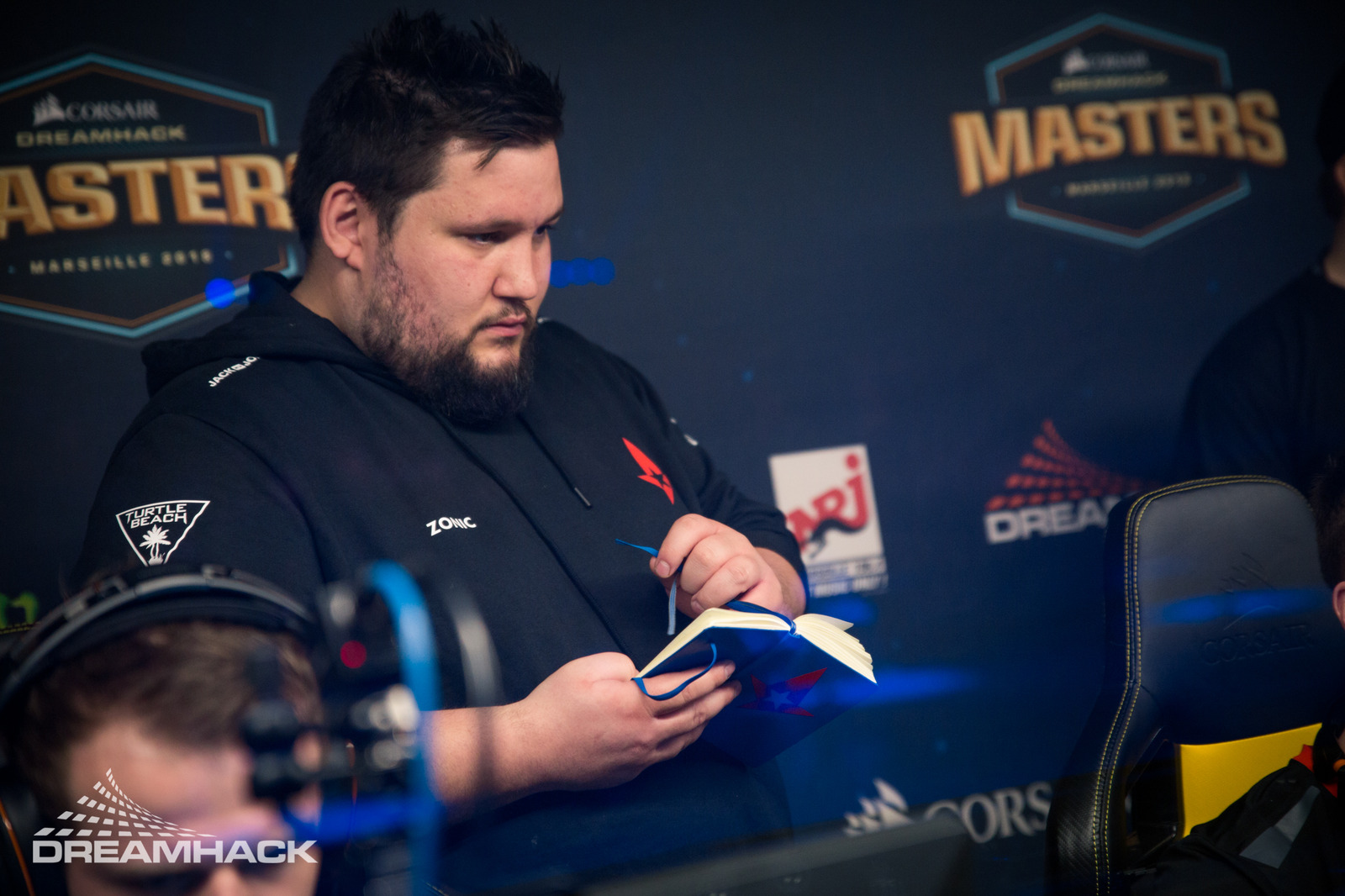
Now I passionately advocate for PC-free bootcamps. These sessions primarily establish collective understanding and shared purpose. Developing unified aspirations across all team members proves essential, particularly bridging experience gaps between veterans like dupreeh and magisk with 4-5 Major victories and hungry newcomers like SunPayus and maden pursuing their first championship.
Identifying shared ambitions that resonate across experience levels becomes critical. When multiple players express indifference toward additional Major victories, team motivation deteriorates significantly.
Perhaps dupreeh seeks “Cologne victory, my missing final trophy.” Collective dream formation establishes operational protocols covering daily routines, preparation methodologies, punctuality consequences, and conflict resolution mechanisms. These 2-3 computer-free days encompass extensive foundational work.
— You’ve collaborated extensively with magisk and dupreeh. What distinguishes them? Do they propagate your coaching concepts?
— They represent exceptionally dependable professionals who comprehend the systematic framework I’ve developed across previous organizations alongside Lars. Their understanding of system efficacy creates natural advocacy when newer members like SunPayus and Snappi question methodologies, veterans affirm: “Absolutely necessary, proven successful.” Their loyalty remains unquestionable, complemented by shared championship achievements. Provided they maintain competitive hunger and complete commitment, I’ll consistently value collaboration. They embody the systematic principles developed over 4-5 years.
— What principles guide your player selection process? Does mental resilience receive priority consideration?
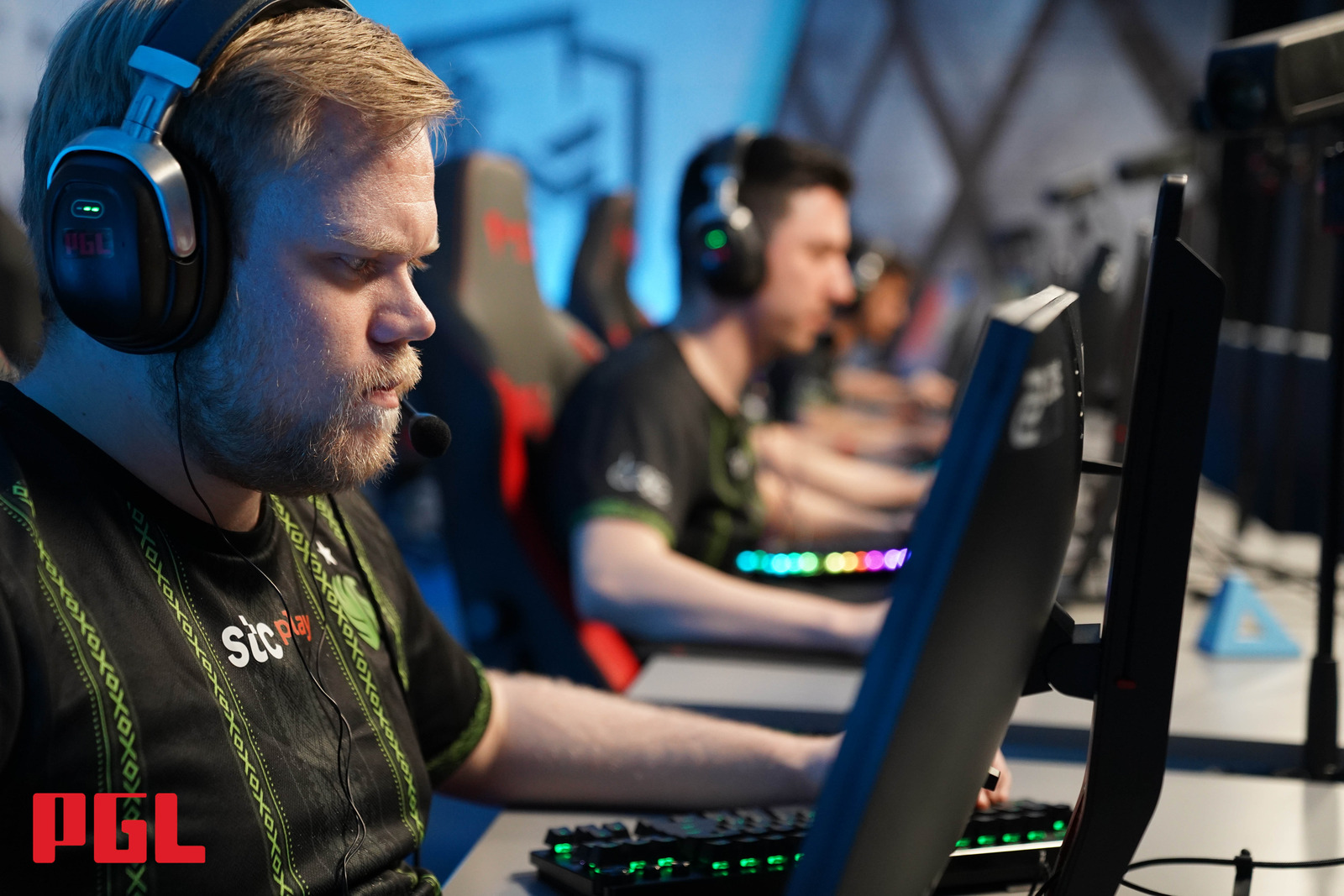
— Competitive success increasingly depends on psychological strength, particularly within MR12 format. Mental resilience becomes essential when facing 0:8 deficits requiring extraordinary comeback capacity. The professional environment presents constant challenges with extensive travel demands. Future landscape shifts eliminating partnership leagues will intensify performance pressure significantly.
Similar to cycling peloton dynamics, falling behind creates escalating recovery difficulty, leading to progressive mental exhaustion. This psychological dimension represents CS’s substantial component.
Lars demonstrates exceptional expertise here, having guided Vitality through immense pressure situations, arguably the most intense in my esports career. We needed victory at the final CS:GO Major on home territory before friends and family in Paris. Success was mandatory, creating extraordinary team pressure.
This explains my appreciation for structured team discussions, representing an underutilized strategic resource. A focused two-hour conversation can deliver equivalent value to three practice days. Alignment achievement through dialogue often unlocks additional player commitment, potentially resolving underlying issues more effectively than extended gameplay sessions.
We’ve observed numerous organizations where tournament losses trigger “Increased practice necessity” responses. They intensify training without cracking performance barriers. Sometimes alternative approaches involving enhanced communication and reduced gameplay yield superior results compared to traditional approaches.
— Would you prioritize mentally strong players with moderate mechanical skill over exceptional gamers with weaker teamwork capabilities?
— Psychological assessment presents scouting complexities. I maximize consultation with previous coaches and teammates of potential acquisitions, since current evaluation primarily relies on statistical analysis. YouTube review of FPL performances provides communication pattern insights regarding toxicity levels and coordination effectiveness. However, critical attribute evaluation remains challenging.
Players sometimes exceed expectations positively, while others require intensive development focus. We initiate systematic improvement processes addressing identified development areas.
My selection philosophy doesn’t involve “Two skilled riflers plus mental champion” formulas. I pursue balanced roster construction based on comprehensive experience evaluation rather than selecting five server-proficient individuals. Direct mental strength measurement proves impossible, though previous tournament experience indicates championship understanding and development potential.
Kair0n-: “The team was in crisis, and nafany felt double responsibility. Because of this, he was losing his temper”
“I am a self-critical person by nature. I often blame myself too much”.
— Does this imply you cannot guarantee successful integration for every player?
— Evaluation focuses on role compatibility assessment. Previous responsibilities, former coach feedback, and statistical performance all contribute to decision-making. Sometimes impressive statistics accompany mediocre communication, but former coaches reveal: “Consistent lateness, game indifference” leading to acquisition abandonment.
Conversely, players with suboptimal current statistics might demonstrate exceptional performance when former colleagues describe difficult team environments where they maintained morale despite suboptimal conditions and unfavorable roles. Such insights generate heightened recruitment interest. My fundamental scouting principle involves extensive network development around potential acquisitions.
Donk: “Other Team Spirit players like Dust 2, but not me. So far it’s the most uncomfortable map for me”
Could that make Team Spirit weaker?
— You recently collaborated with s1mple. How did he adapt to English-speaking environments? Now concluded, was this experimental evaluation or strictly temporary arrangement?
— Exclusively temporary acquisition. Working with Sasha proved enjoyable professionally. I appreciated his immediate identification of problematic patterns upon team integration. He articulated concerns constructively: “This approach seems suboptimal because… NAVI previously employed…” Such contributions received serious consideration.
We observed flashes of his peak performance capabilities. Elite players demonstrate recognizable qualities. Current talents like donk and m0NESY belong to this category. Extraordinary players like ZywOo and s1mple execute maneuvers where ordinary attempts would prove fatal. These exceptional capabilities represent game-changing factors. We witnessed these qualities immediately during practice sessions.
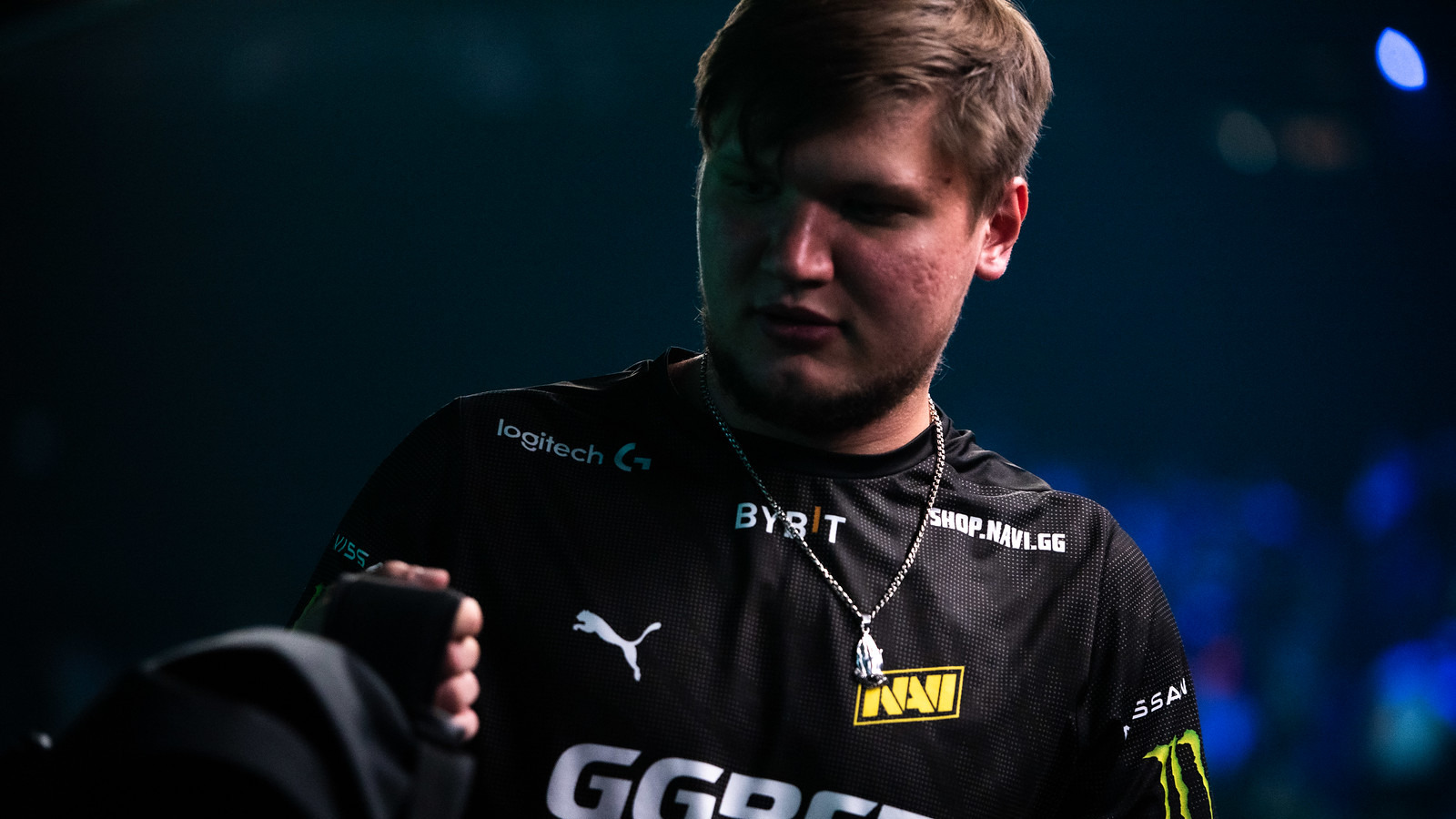
I extend sincere best wishes for his future. Unfortunately, as mentioned previously, his acquisition cost remains substantial. Rifling position assignment might restrict his characteristic freedom, whereas I’d prefer complete operational autonomy similar to his NAVI experience. Such adjustments could potentially impact team dynamics significantly, particularly affecting SunPayus with s1mple’s introduction.
Personally, investing millions in singular talent contradicts systematic development priorities. I seek calm environmental conditions for system implementation. Immediate Sasha integration following RMR would sustain performance pressure: “Now mandatory success.” Additional pressure would affect s1mple himself, requiring adaptation time.
Falcons already attract extensive scrutiny for multiple reasons—Saudi Arabian ownership, high-profile departures from previously successful teams. We’ve experienced maximum pressure exposure. While Major qualification eluded us, current objectives prioritize environmental stability for systematic foundation building. s1mple acquisition would perpetuate existing pressure cycles, making timing inappropriate currently.
During the same competition, we conversed with Peter “dupreeh” Rasmussen. The veteran competitor shared perspectives on esports aging and retirement considerations, revealing his life’s greatest accomplishment. Additional details available below:
“When I retire, I hope it will be me saying, ‘I am done playing,’ instead of someone else having to tell me”. Dupreeh about age, fatherhood, and a dream to become a pilot
Five-time Major champion talks about his biggest achievement in life.
Many competitive teams fall into a predictable pattern after tournament losses—immediately increasing practice intensity and server time. However, this conventional approach frequently fails to produce breakthrough results. The solution often lies in strategic communication enhancement rather than additional gameplay. Teams that prioritize constructive dialogue and psychological alignment frequently discover that two hours of focused discussion can deliver more value than three days of mechanical practice. This represents a fundamental shift in how elite teams approach performance optimization.
— Would you prefer someone who might be weaker mechanically, but is very strong in the mental part to someone better at the game but weaker as a teammate?
— Assessing psychological resilience presents significant challenges during player evaluation. Current tools primarily focus on statistical performance metrics, forcing coaches to supplement with alternative evaluation methods. YouTube VOD reviews of FPL matches can reveal communication patterns and potential toxicity issues. However, these methods only provide partial insights into a player’s mental fortitude.
Players frequently demonstrate unexpected psychological strengths or weaknesses during integration. Some require intensive psychological development with performance specialists to reach required mental standards. The ideal approach involves creating balanced rosters that combine mechanical skill with psychological resilience.
— Comprehensive player evaluation extends far beyond statistical analysis. Role compatibility assessment becomes paramount—understanding previous responsibilities and tactical assignments. Former coaches provide invaluable insights about work ethic and professional commitment. Statistical outliers often conceal deeper team dynamics and leadership qualities.
Statistical underperformers may actually demonstrate exceptional team leadership during challenging periods. Players maintaining positive attitudes despite unfavorable roles or dysfunctional team environments warrant serious consideration. The most effective scouting strategy involves building extensive networks of trusted information sources around potential recruits.
— So that means you can’t say that you can find an approach to any player?
— Player acquisition decisions must balance multiple factors beyond raw talent. Role specialization requirements dictate much of the evaluation process. Communication assessment, while challenging, provides critical insights into team integration potential.
Former teammates provide crucial context about performance during high-pressure situations. Some players excel at maintaining team morale when organizations face internal challenges. Statistical performance often fails to capture leadership contributions and psychological resilience.
— You worked with s1mple not that long ago. What can you say about him in an English-speaking team? And now that it’s over, can you say if it was a tryout, or just a loan?
— The arrangement represented a temporary loan rather than extended trial. Collaborating with Sasha provided valuable insights into elite player mentality. His immediate identification of tactical deficiencies demonstrated exceptional game understanding. Communication occurred constructively, with specific examples from his NAVI experience providing immediate tactical enhancements.
Observations confirmed glimpses of his championship form. Elite players like donk and m0NESY demonstrate similar exceptional qualities. However, players like ZywOo and s1mple possess unique decision-making capabilities that transcend conventional gameplay patterns.
Financial considerations presented significant obstacles to permanent acquisition. The investment required for such acquisitions must align with long-term strategic vision. Additionally, role allocation considerations emerged—ensuring players maintain their preferred playstyles and tactical freedom.
Building sustainable competitive systems requires controlled environmental conditions. Immediate integration following RMR would have maintained intense external pressure. s1mple himself requires adaptation time to return to peak performance levels.
Falcons already operate under substantial scrutiny for multiple reasons. The organization’s Saudi Arabian ownership and high-profile acquisitions from successful teams create inherent expectations. While Major qualification eluded the team, establishing foundational systems takes precedence over short-term roster enhancements.
Action Checklist
- Implement strategic utility timing analysis beyond basic smoke deployment
- Schedule 2-3 day PC-free bootcamps for team alignment
- Establish communication hierarchy with assistant coach handling granular development
- Develop network-based player evaluation system consulting former coaches and teammates
- Balance practice time with structured team discussions for optimal development
- Conduct 2-hour team communication sessions before increasing practice hours
- Build player evaluation networks with former coaches and teammates
- Implement PC-free bootcamps for team bonding and shared vision development
- Balance mechanical skill assessment with psychological resilience evaluation
No reproduction without permission:Game Guides » Zonic: “I want to build my system in a calm environment. If I’d get s1mple straight after RMR, pressure would keep being on the team”Exclusive "I am a self-critical person by nature. I often blame myself too much".