
TL;DR
- Select Story difficulty for combat to enable sanity recovery at hokoras and focus on narrative immersion
- Master camera panning around corners to preemptively detect enemies and reduce jump scare impact
- Balance sanity consumption carefully – focus attacks drain mental health but are essential for tougher encounters
- Strategically enshrine items at hokoras based on your playstyle to accumulate faith for ability upgrades
Navigating the psychological horrors of Silent Hill f requires careful consideration of your gameplay preferences from the very beginning. The difficulty choices you make during initial setup will dramatically shape your entire experience through this haunting narrative.
When configuring combat difficulty, we strongly advocate selecting the Story mode for your inaugural playthrough. This setting introduces a crucial mechanical advantage: the ability to restore sanity by praying at hokora shrines scattered throughout the environment. This feature significantly reduces late-game risk management pressures, allowing greater focus on narrative immersion and exploration. Many newcomers underestimate how combat-intensive certain segments become, making this sanity recovery system invaluable for maintaining momentum.
The puzzle difficulty description in Silent Hill f proves somewhat misleading. Contrary to simply providing additional clues, Story mode actually presents entirely different puzzle constructs with alternative solutions and contextual hints. These modified challenges remain engaging while being more accessible to players prioritizing narrative progression. A common beginner mistake involves selecting normal puzzle difficulty expecting mere hint variations, only to encounter completely unfamiliar puzzle mechanics that can halt progress for extended periods.

Environmental vigilance separates successful survivors from those lost to the fog in Silent Hill f. Developing systematic observation habits will significantly reduce unnecessary damage and psychological strain throughout your journey.
Implement proactive corner checking by panning your camera before physically rounding any blind turns. Enemies typically won’t detect your presence until entering their direct line of sight, providing a tactical advantage when anticipating ambushes. While this technique cannot prevent scripted jump scares or enemies concealed within structures or elevated positions, it substantially reduces surprise encounters and associated sanity depletion. Advanced players combine this with audio cues – listening for subtle environmental sounds that might indicate nearby threats.
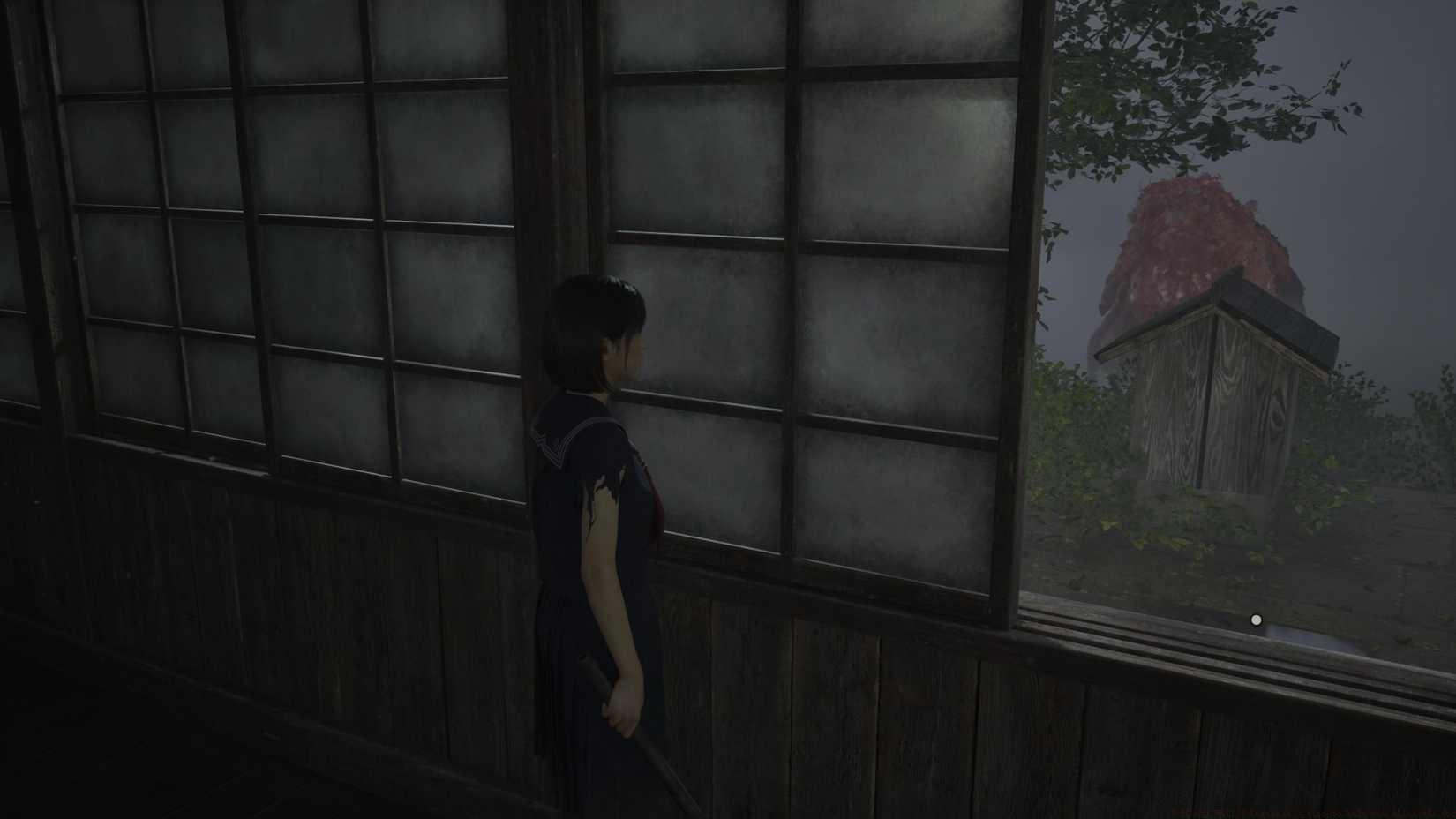
Image: NeoBards Entertainment/Konami via Polygon
Sound design plays a crucial role in threat detection. Increasing game volume helps identify audio cues that precede enemy appearances, such as distant footsteps, dragging sounds, or unnatural whispers. Many players make the critical error of playing with reduced volume to minimize anxiety, inadvertently removing their earliest warning system against approaching dangers.
Sanity management represents one of Silent Hill f‘s most nuanced and frequently misunderstood mechanics. What begins as a seemingly secondary concern evolves into a primary survival consideration as you progress deeper into the spirit world.
Maintain constant awareness of your sanity-restoring item inventory and plan engagements accordingly. While waiting for enemy attacks to execute counters may feel tedious, this conservative approach becomes essential when distant from hokora shrines and low on restoration items. The temptation to utilize focus attacks for quicker resolutions must be balanced against their substantial sanity consumption, particularly during extended exploration sequences between safe zones.
Early game encounters deliberately mislead players about sanity’s importance through sparse combat and enemies with easily-countered attacks. As you transition to later areas, you’ll confront monsters specifically designed to erode sanity through their attacks and encounter foes with poorly-telegraphed movements that complicate counter timing. These situations frequently necessitate focus attacks despite their mental health cost, creating delicate resource management decisions. Once sanity depletes completely, Hinako begins losing physical health directly, initiating a rapid deterioration cycle that’s challenging to reverse during active combat.
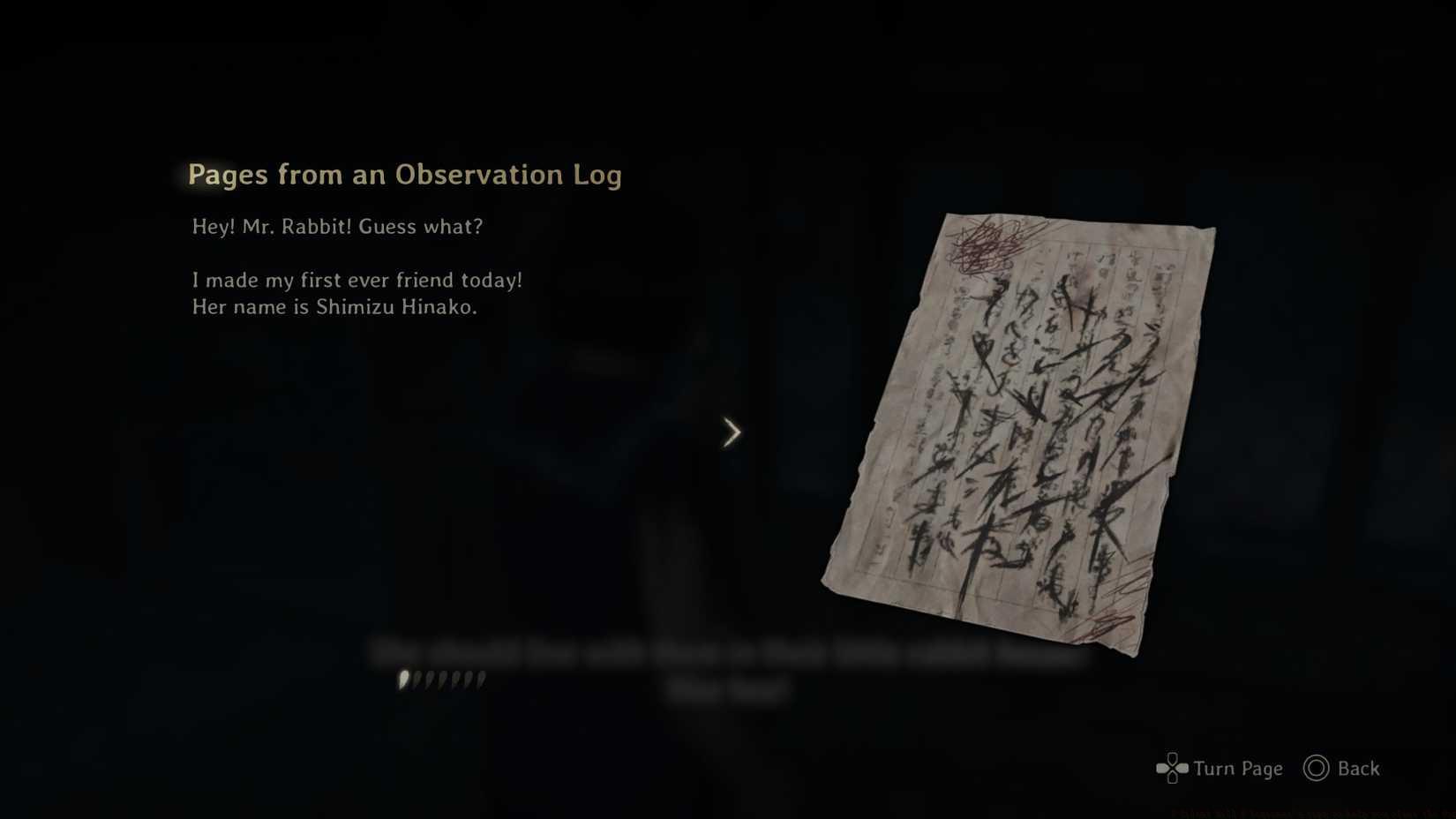
Image: NeoBards Entertainment/Konami via Polygon
Silent Hill f‘s spiritual systems introduce strategic depth through the hokora shrine mechanics and faith-based progression. Understanding these systems enables more efficient character development and resource optimization.
Certain objects like the dried carcass serve exclusively as hokora offerings and should be enshrined immediately. However, many players overlook that additional items can also be offered to accumulate faith points, which unlock crucial ability upgrades. While these secondary items provide reduced faith returns compared to dedicated offerings, they can provide the incremental progress needed to reach important upgrade thresholds.
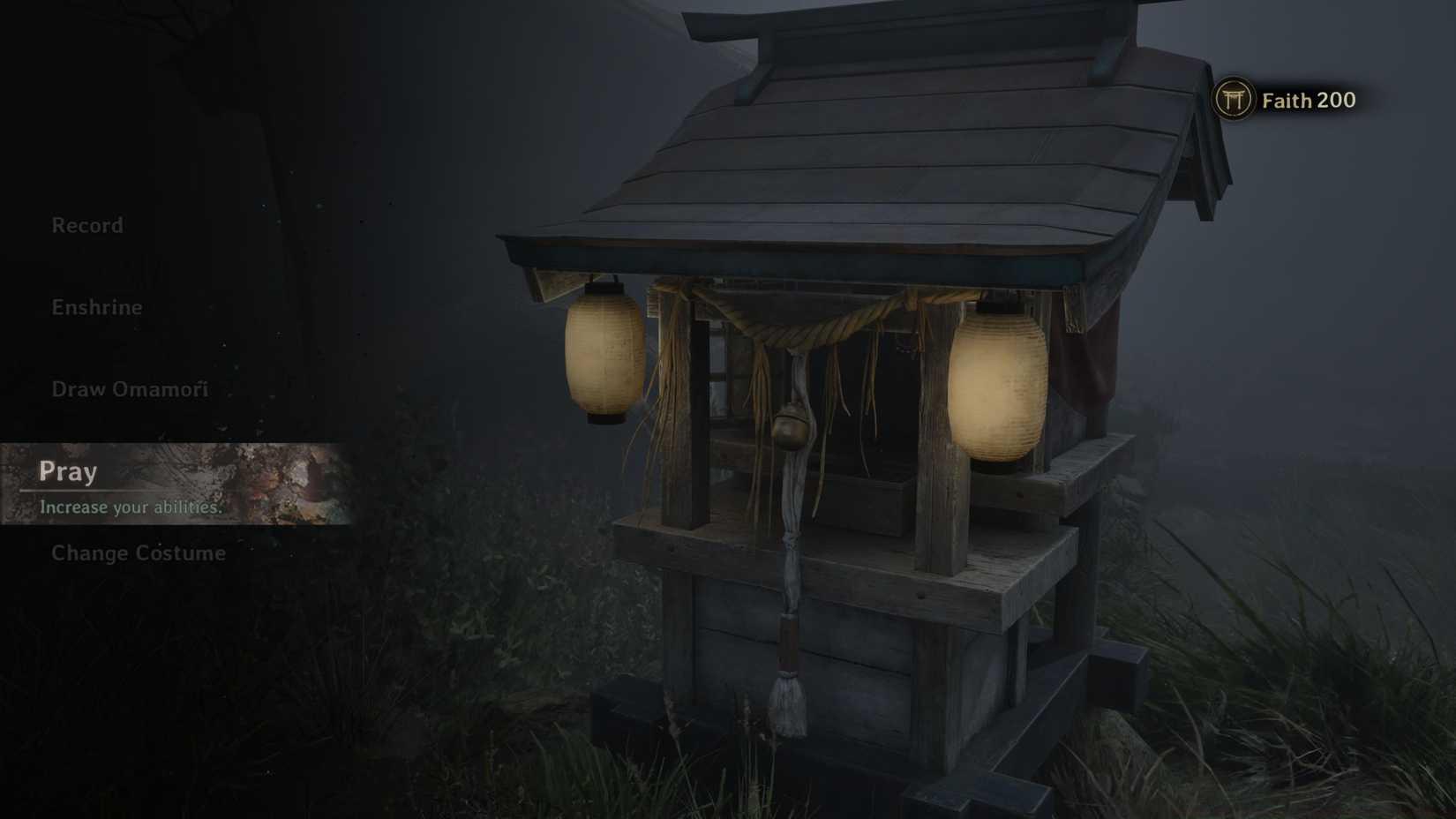
Image: NeoBards Entertainment/Konami via Polygon
Your enshrinement strategy should reflect your combat approach. Stamina-restoring items hold minimal value if you primarily utilize counters and focus attacks instead of standard attacks, while sanity-restoring items become less critical if you rarely employ focus techniques. On Story difficulty, we recommend maintaining powerful healing items like bandages and first-aid kits while offering less efficient consumables like arare, unless you’re stockpiling them for specific challenging segments where mass consumption becomes necessary.
Advanced players develop enshrinement schedules based on anticipated upgrade requirements, timing their offerings to coincide with ability milestones. This proactive approach prevents inventory clogging while ensuring optimal faith accumulation throughout the gameplay experience.
Action Checklist
- Configure combat difficulty to Story mode for first playthrough to enable hokora sanity recovery
- Practice systematic corner checking with camera panning before entering new areas
- Create inventory management plan balancing sanity items versus faith offerings based on playstyle
- Master focus attack timing to minimize unnecessary sanity depletion during essential encounters
No reproduction without permission:Game Guides » 7 Silent Hill f beginner’s tips to help you clear the fog Essential Silent Hill f survival strategies: difficulty selection, sanity management, and combat tactics for beginners