
TL;DR
- Strategic breaks enhance cognitive processing and problem-solving clarity
- Community collaboration provides targeted hints without spoiling discoveries
- Reverse engineering puzzles reveals developer design patterns and logic
- Systematic action assessment prevents wasted effort on incorrect solutions
- Embracing mystery transforms frustration into engaging discovery experiences
“I consistently struggle with solving complex puzzles in video games!”
The intricate challenges presented in Blue Prince transcend conventional puzzle structures, resembling complex interconnected networks rather than straightforward blueprints. Even experienced puzzle enthusiasts frequently encounter difficulties with its layered mysteries. Within Blue Prince, players systematically build and explore an expansive mansion estate through randomized room blueprints. Each gaming session resets the architectural landscape, requiring fresh strategic approaches to progression.
The combination of roguelike mechanics and richly detailed environments creates distinctive challenges. This genre demands meticulous attention to environmental storytelling, where every artistic element, interactive object, and narrative fragment potentially contains crucial clues for unraveling the game’s secrets. The complexity can overwhelm even veteran puzzle solvers, prompting our investigation into professional puzzle-solving methodologies directly from industry experts.
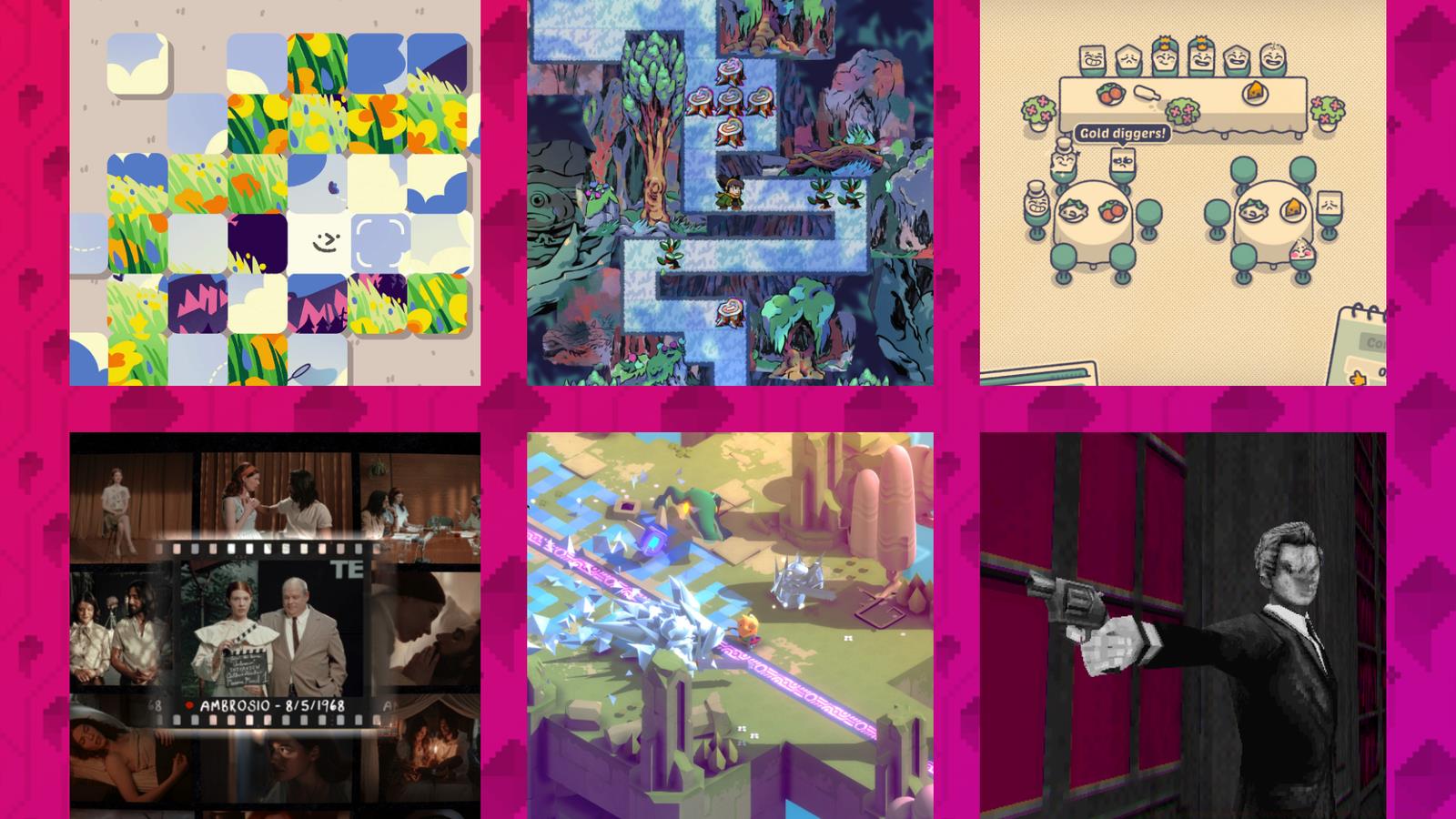
Following Blue Prince’s release, Polygon conducted extensive interviews with seven prominent developers from acclaimed puzzle titles including Tunic, Immortality, Arranger: A Role-Puzzling Adventure, Wilmot Works It Out, Lorelei and the Laser Eyes, and the forthcoming Is This Seat Taken?. These discussions revealed sophisticated approaches to puzzle design and resolution.
“Implementing strategic pauses consistently proves beneficial, alongside systematic review of documented observations,” explains Andrew Shouldice, creator of the puzzle-rich, Zelda-inspired adventure Tunic.
“My primary recommendation involves allowing adequate processing time before pursuing solutions,” states Nicolás Recabarren, design and programming specialist for Arranger: A Role-Puzzling Adventure. “Puzzles possess this characteristic where accelerated attempts often deepen stagnation, similar to quicksand dynamics. Once achieving appropriate mental framework (specifically: absence of time pressure) you should commence by methodically examining available components. Essentially, this constitutes dialogue with the designer: they positioned specific elements intentionally – what functionality does that element enable and why does that functionality align logically within this particular context?”
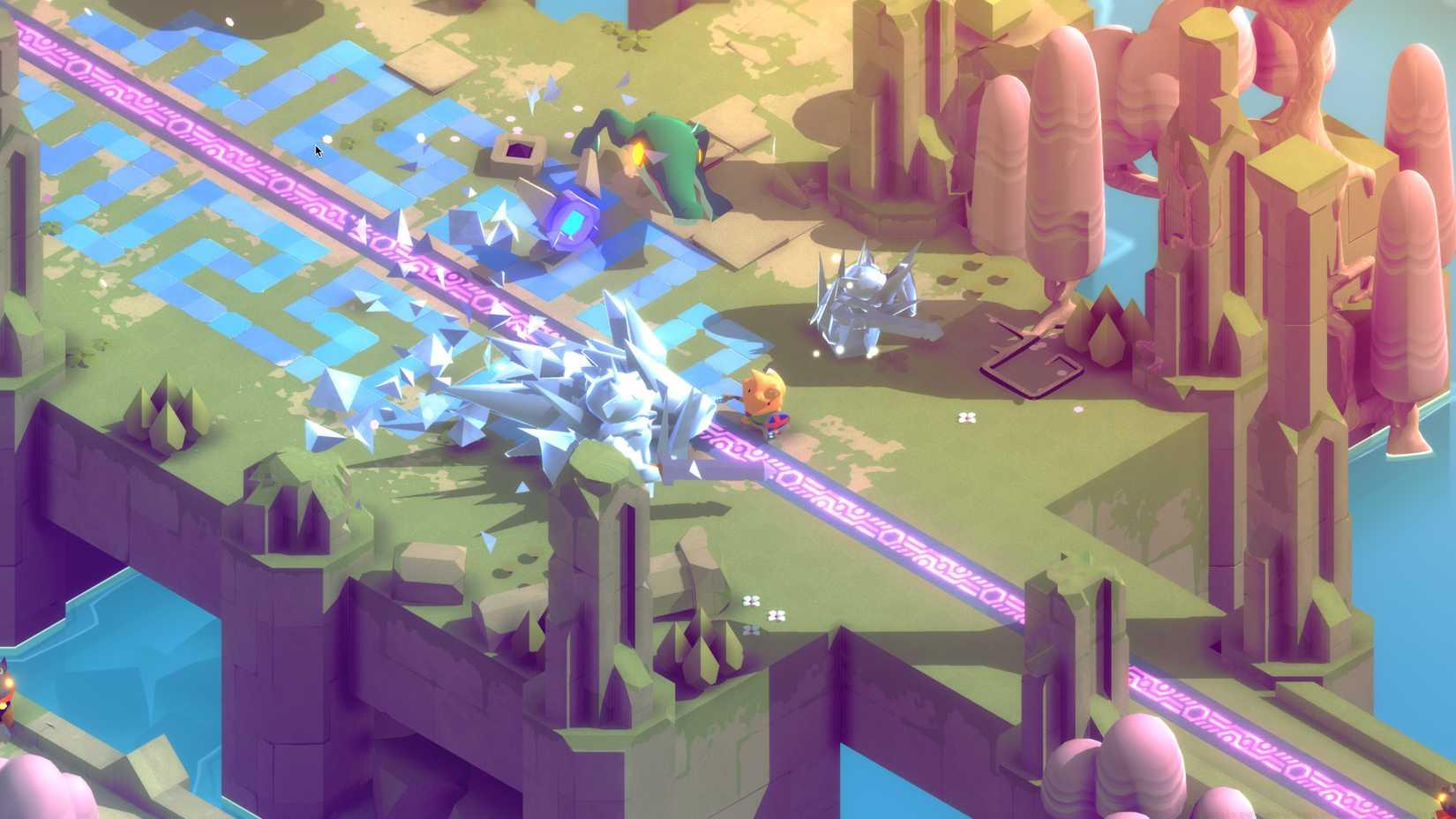
Image: Tunic Team/Finji
Cognitive science research demonstrates that strategic breaks significantly enhance problem-solving capabilities. The incubation effect allows subconscious processing to generate innovative connections and alternative perspectives. Effective break strategies include:
Timed Intervals: Schedule 15-minute breaks every 90 minutes of puzzle-solving to prevent cognitive fatigue and maintain optimal performance.
Context Switching: Engage in completely different activities during breaks to facilitate mental reset and fresh perspective development.
Progressive Note-Taking: Document hypotheses, observed patterns, and dead ends systematically to track reasoning processes and identify overlooked connections.
Richard Hogg, artistic director and game designer responsible for Wilmot Works It Out and Wilmot’s Warehouse, advocates for strategic community engagement.
“Identify dedicated Discord communities for specific titles or coordinate simultaneous playthroughs with acquaintances,” Hogg recommends. “Locate environments where participants understand proper spoiler tagging protocols, enabling them to provide precisely calibrated assistance that advances your progress without undermining discovery experiences.”
Shouldice, from Tunic, reinforces Hogg’s perspective.
“When encountering genuine impasses and experiencing diminished enjoyment, I value well-constructed hints,” Shouldice notes. “Online research rarely delivers appropriate guidance, but consulting reliable companions can produce ideal incremental assistance. I prefer receiving hints formatted as ambiguous poetic compositions, transforming the assistance itself into minor puzzle components!”
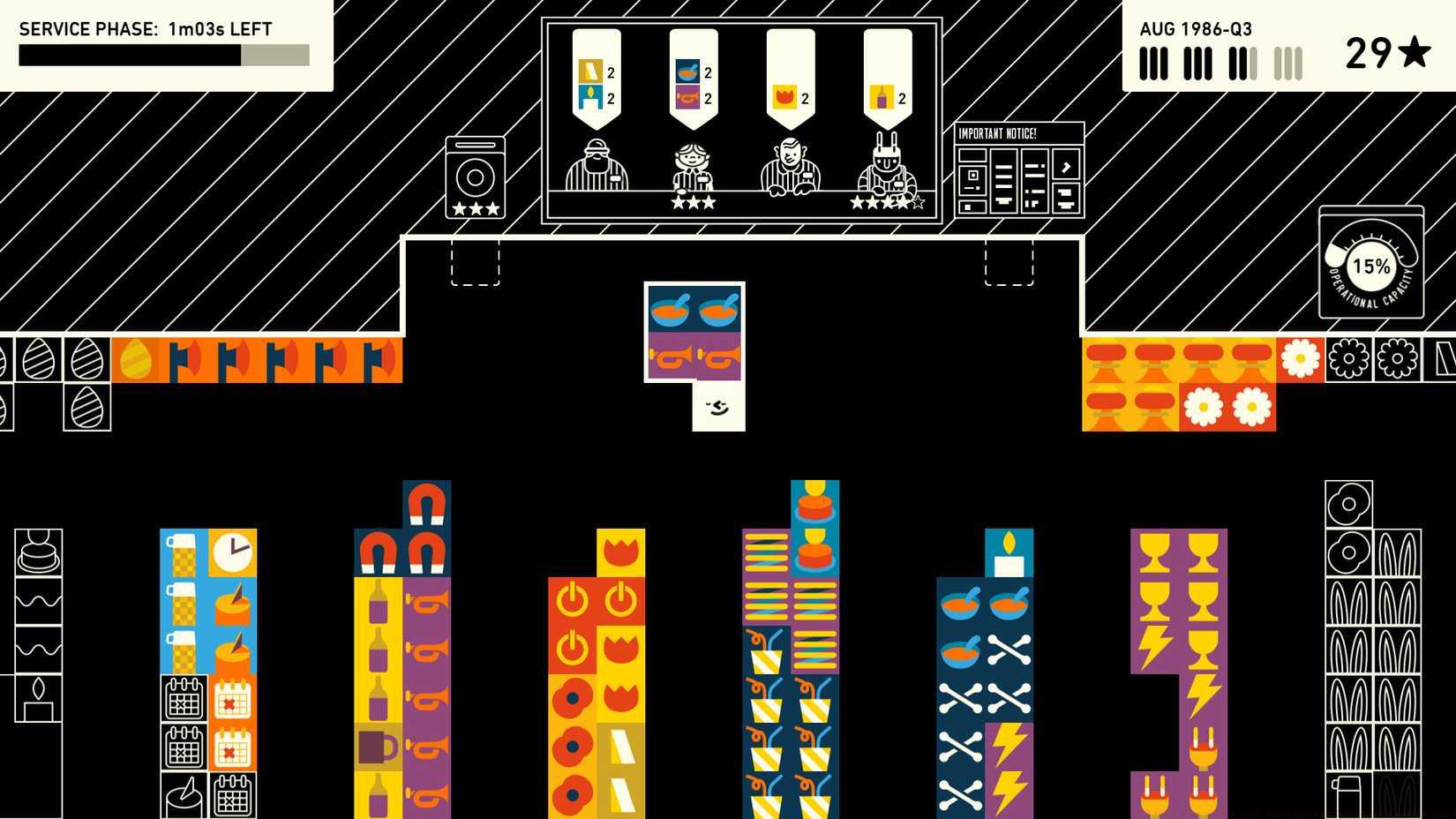
Image: Hollow Ponds, Richard Hogg/Finji
Effective community engagement requires understanding different hint types and their appropriate applications:
Directional Hints: Guidance toward relevant game areas or mechanics without revealing solutions.
Mechanical Hints: Explanations of game systems that might be misunderstood or overlooked.
Progressive Hints: Tiered assistance systems that provide increasingly specific guidance based on continued struggle.
Community platforms like dedicated Discord servers often feature spoiler-protected channels and experienced moderators who understand the delicate balance between assistance and preservation of discovery moments.
Reverse engineering represents a powerful methodology for unraveling complex puzzles. This approach involves working backward from desired outcomes to identify necessary preceding steps and component interactions.

Image: Sam Barlow/Half Mermaid
Solution Deconstruction: Begin by clearly defining the puzzle’s objective, then systematically identify what conditions must be satisfied immediately before achievement. Continue this backward chain until reaching your current state.
Constraint Analysis: Document all limitations and rules governing the puzzle space. Understanding boundaries often reveals solution paths that might otherwise remain obscured.
Pattern Recognition Training: Develop sensitivity to common puzzle design patterns including sequence repetition, symbolic substitution, environmental storytelling, and mechanic hybridization.
Verbalizing thought processes, even when solving alone, activates different cognitive pathways and frequently reveals flawed assumptions or overlooked possibilities. This “rubber duck debugging” method borrowed from programming proves equally effective for puzzle resolution.
Adopting a designer perspective transforms puzzle solving from random experimentation to structured investigation. Game developers implement puzzles with specific design intentions and logical consistency.
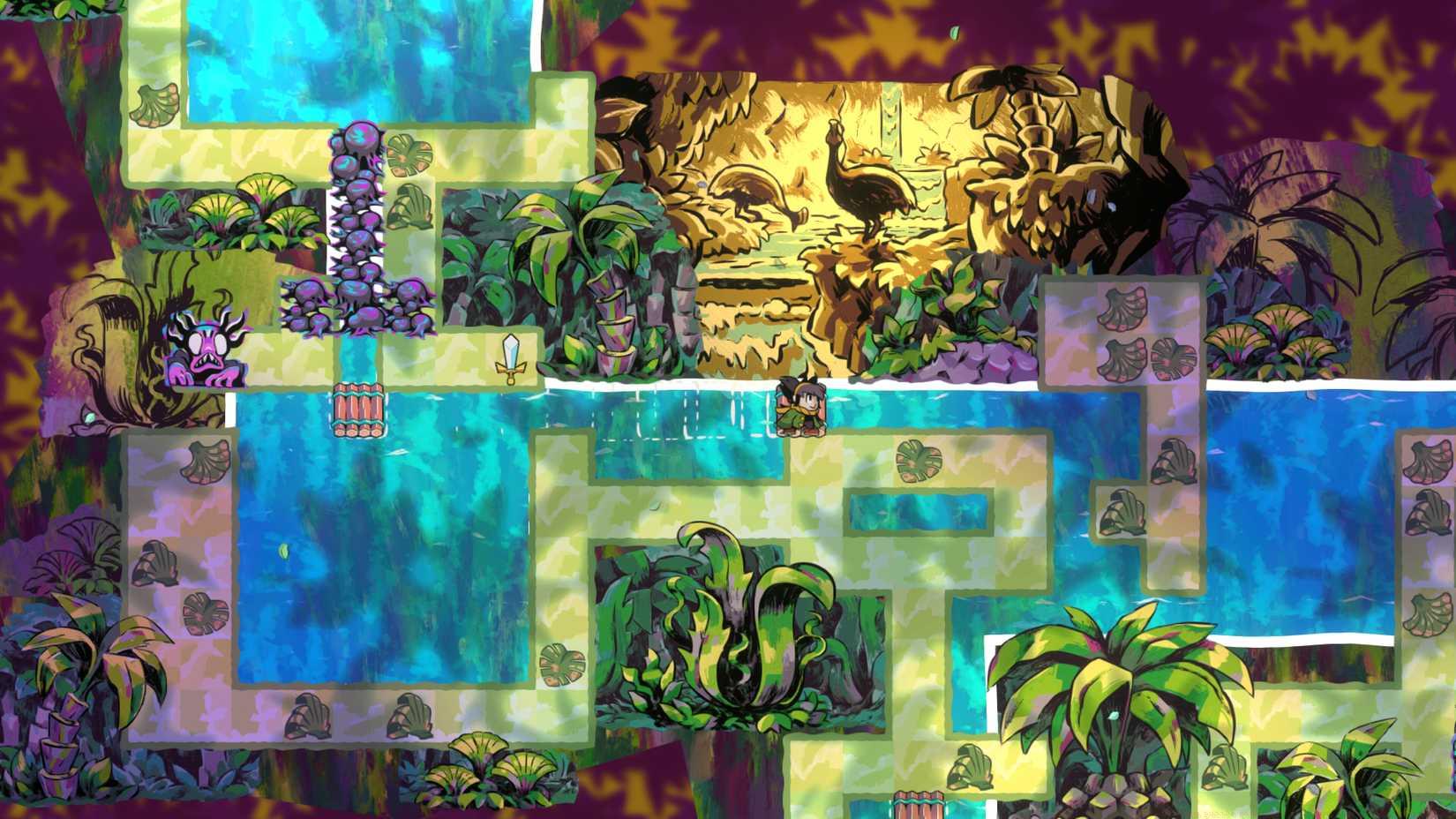
Image: Furniture & Mattress LLC
Design Logic Analysis: Evaluate each puzzle element considering the developer’s likely objectives. What knowledge or skill should this puzzle teach? How does it reinforce game themes or narrative elements?
Progressive Complexity Patterns: Most games implement difficulty curves through carefully sequenced puzzle introductions. Understanding this progression helps identify which previously mastered mechanics might apply to current challenges.
Contextual Integration: Analyze how puzzles integrate with environmental storytelling, character development, and narrative progression. Solutions often reflect or advance these broader game elements.
This methodological approach aligns with Recabarren’s concept of “conversation with the designer” – treating each puzzle as intentional communication rather than arbitrary obstruction.
Before committing to solution attempts, implement structured evaluation of potential actions and their probable outcomes. This prevents wasted effort on logically inconsistent approaches.
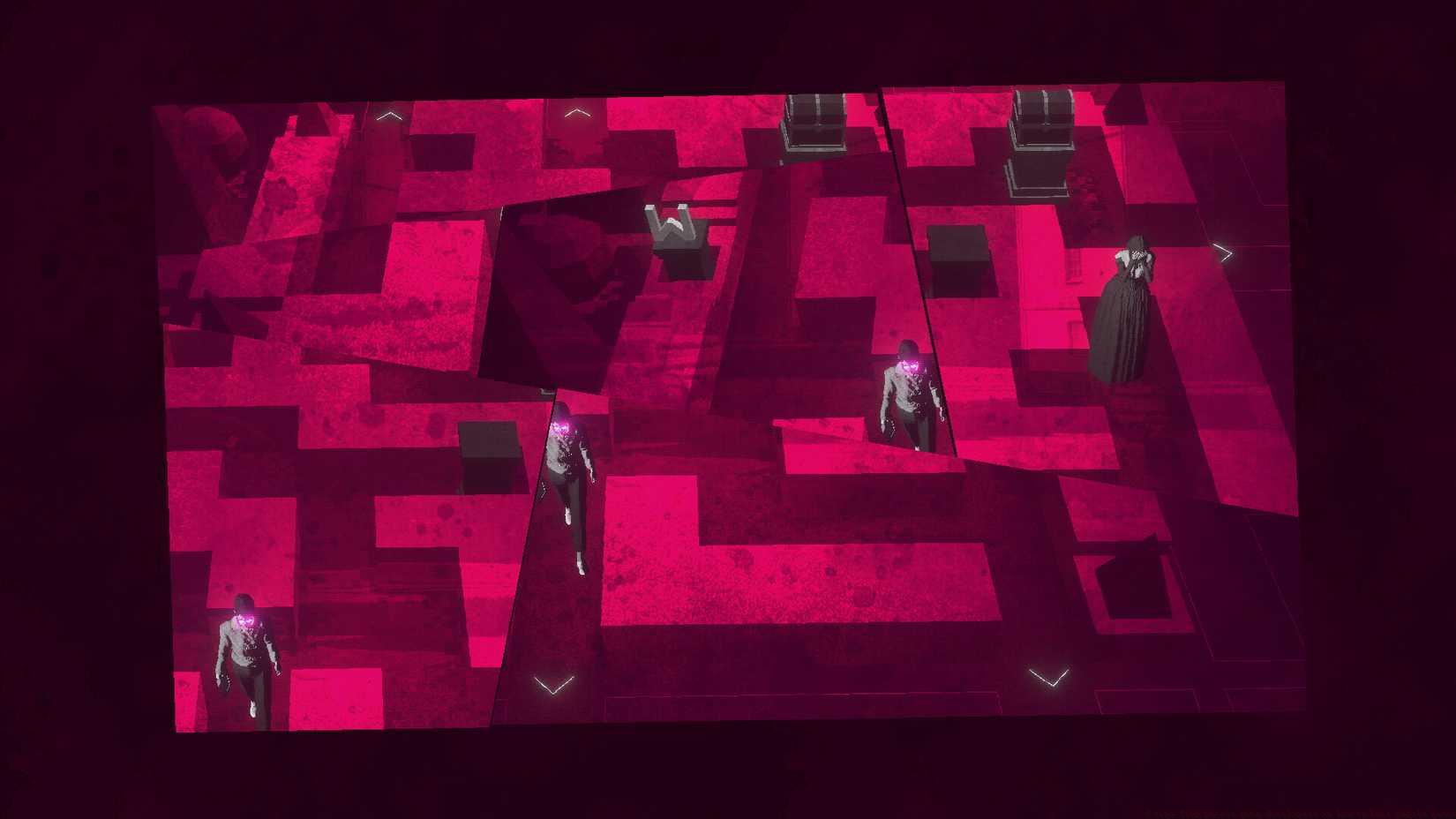
Image: Simogo/Annapurna Interactive
Resource Inventory: Create comprehensive lists of available items, abilities, environmental interactions, and knowledge assets. Categorize these resources by potential functionality and previous application patterns.
Hypothesis Testing Protocol: Develop multiple solution hypotheses and evaluate each against established puzzle constraints before implementation. This theoretical testing saves substantial execution time.
Elimination Methodology: Systematically disqualify impossible or improbable approaches based on logical contradictions with known puzzle parameters. The remaining possibilities constitute your viable solution space.
This structured approach transforms chaotic trial-and-error into methodical investigation, dramatically improving solving efficiency and success rates.
The most sophisticated puzzle-solving technique involves embracing uncertainty and appreciating the discovery process itself. This mindset transformation turns frustration into engagement.
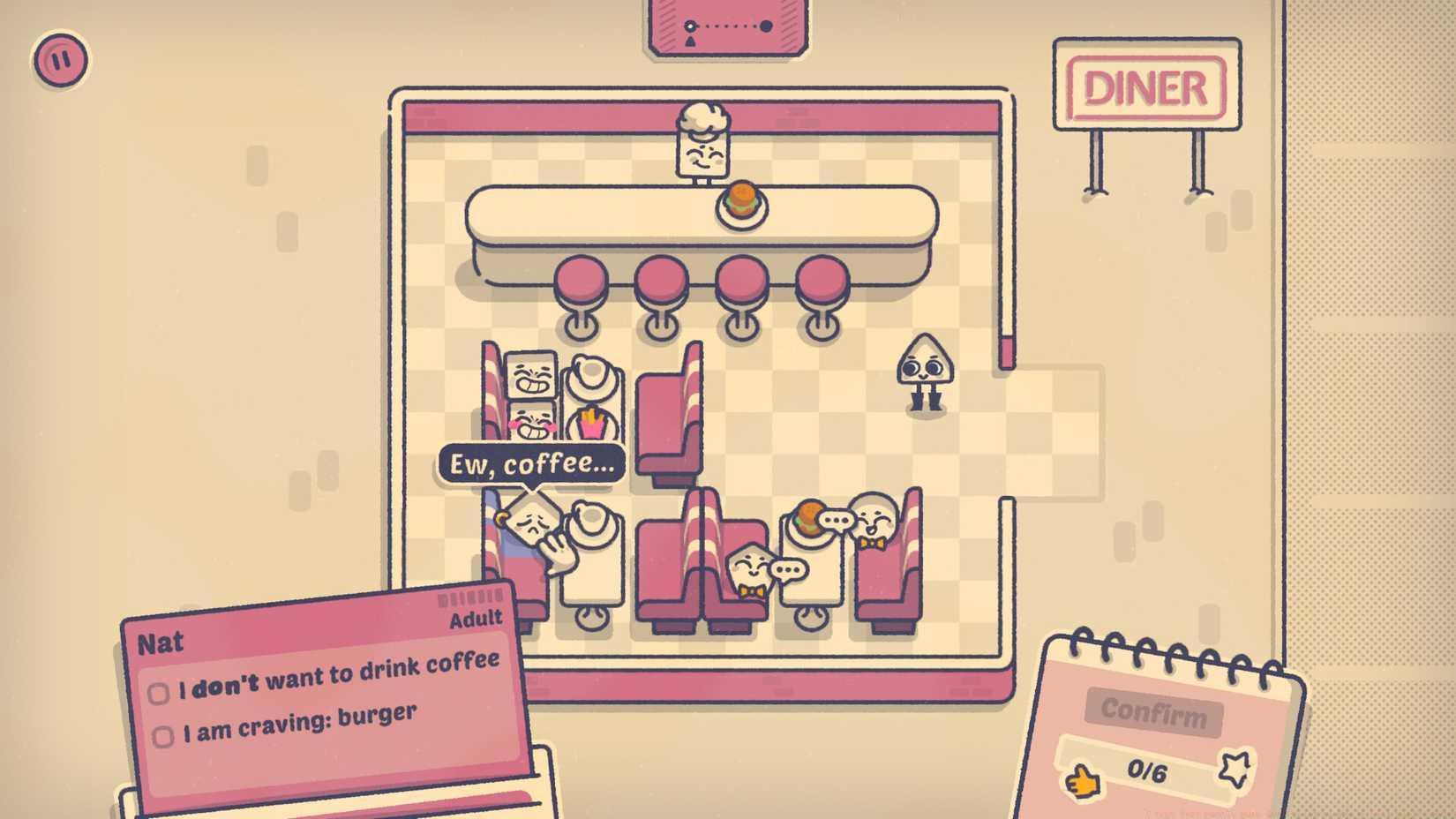
Image: Poti Poti Studio/Wholesome Games Presents
Process Appreciation: Value the intellectual journey and cognitive stimulation regardless of solution achievement. The mental exercise itself provides substantial benefit.
Incremental Achievement Recognition: Celebrate partial progress and intermediate discoveries rather than focusing exclusively on complete solutions.
Curiosity Cultivation: Maintain genuine interest in understanding game worlds and mechanics beyond immediate puzzle objectives. This broader engagement often reveals unexpected solution pathways.
Image: Hollow Ponds, Richard Hogg/Finji
This philosophical approach aligns with the fundamental purpose of puzzle games: to provide engaging cognitive challenges that reward persistence, creativity, and systematic thinking.
Action Checklist
- Schedule strategic 15-minute breaks every 90 minutes of puzzle solving
- Join dedicated game Discord communities and learn spoiler tag protocols
- Practice reverse engineering by working backward from puzzle objectives
- Develop systematic note-taking for hypotheses, patterns, and dead ends
- Apply designer mindset analysis to understand puzzle intentions and logic
No reproduction without permission:Game Guides » 7 tips from puzzle game developers on how to beat puzzle games Expert puzzle-solving strategies from game developers to master challenging games like Blue Prince and Tunic