
TL;DR
- Rangers excel as versatile ranged damage dealers with excellent exploration utility and animal companions
- Dexterity is your primary stat, followed by Wisdom for spellcasting and tracking abilities
- Hunter subclass offers the most straightforward damage output, while Beast Master provides tactical pet management
- Sharpshooter and Crossbow Expert feats dramatically increase your ranged combat effectiveness
- Positioning and terrain utilization are critical for maximizing Ranger survival and damage potential
Baldur’s Gate 3 presents players with twelve distinct character classes, each offering unique gameplay experiences. The Ranger stands out as a versatile combatant capable of engaging enemies from distance or closing for melee confrontations when necessary.
These wilderness experts employ specialized tracking methods to hunt specific enemy types, serving as guardians who protect civilization’s frontiers from external threats. Their survival in hazardous environments depends on agility and precision, making Dexterity their most crucial attribute.
No single class dominates Baldur’s Gate 3, as the game emphasizes creative problem-solving alongside traditional combat. Your ideal class selection depends entirely on preferred playstyle. Even solo players manage multiple party members, providing exposure to various class mechanics throughout your adventure.
This comprehensive guide explores everything about the Ranger archetype, including optimal subclasses, feat selection, and character building strategies.
Update (April 15): Patch 8 introduced the new Swarmkeeper subclass alongside cross-play functionality and photo mode features.
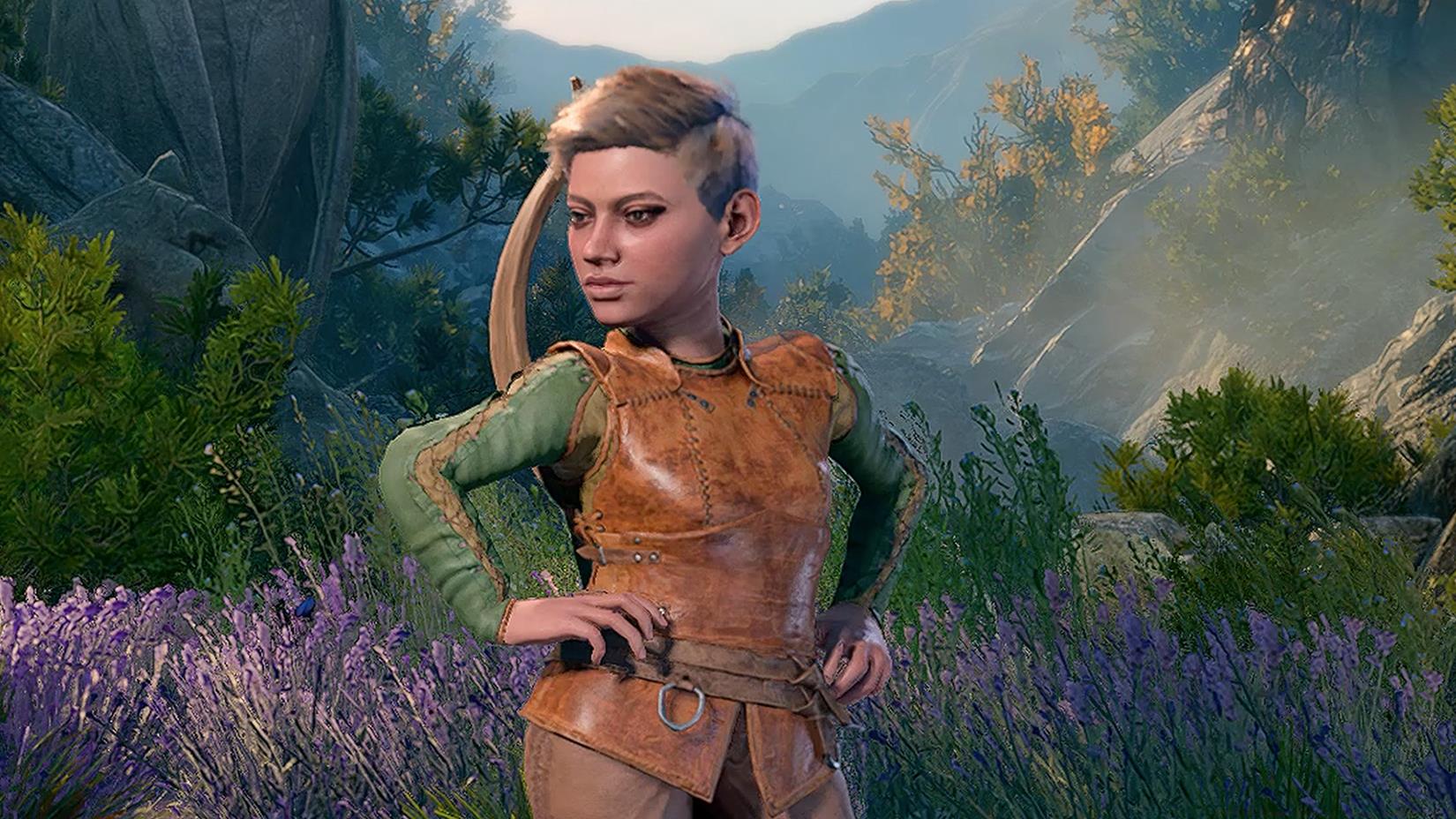
Image: Larian Studios via Polygon
The Ranger class presents a complex gameplay experience in both tabletop D&D and Baldur’s Gate 3. While fundamentally centered on wilderness exploration with bow proficiency, the class has evolved to incorporate additional dimensions, including limited spellcasting capabilities.
Mastering Rangers requires more tactical consideration than many other classes, but they remain the premier choice for non-magical ranged specialists. Their unique ability to acquire animal companions adds strategic depth to both exploration and combat encounters.
Hit Points
- Hit Dice — 1d10
- Hit Points at 1st level — 10 + your Constitution modifier
- Hit Points at higher levels — 6 + your Constitution modifier per ranger level after 1st
Favored Enemy
Beginning at first level, your Ranger develops specialized knowledge against specific enemy categories. This expertise in tracking and understanding particular creature types grants unique combat advantages and utility abilities.
- Bounty Hunter — Find Familiar (Summon a familiar, a fey spirit that takes an animal form of your choosing)
- Keeper of the Veil — Protection from Evil and Good (Protect an ally against the attacks and power of aberrations, celestials, elementals, fey, fiends, and undead) and Find Familiar
- Mage Breaker — True Strike (Gain Advantage on your next Attack Roll) and Find Familiar
- Ranger Knight — Find Familiar
- Sanctified Stalker — Sacred Flame (Engulf a target in a flame-like radiance) and Find Familiar
Natural Explorer
Your Ranger becomes exceptionally skilled at navigating and surviving in specific environmental conditions. Depending on your chosen terrain specialization, you may acquire cantrips, spells, or both to enhance your wilderness capabilities.
- Beast Tamer — Sacred Flame and Find Familiar
- Urban Tracker — Sacred Flame
- Wasteland Wanderer: Cold — Sacred Flame
- Wasteland Wanderer: Fire — Sacred Flame
- Wasted Wanderer: Poison — Sacred Flame
Proficiencies
- Weapons — Simple Weapons, Martial Weapons
- Armor — Light Armor, Medium Armor, Shields
- Skills — Choose three from Animal Handling, Athletics, Insight, Investigation, Nature, Perception, Stealth, and Survival
- Saving Throws — Strength, Dexterity
Pro Tip: When selecting skills, prioritize Perception and Stealth for scouting, then choose between Survival for tracking or Animal Handling for beast interactions. Your skill choices significantly impact your effectiveness during exploration sequences.
The Ranger class offers four distinct specializations, each unlocked upon reaching third level. Your subclass choice dramatically influences your combat role and tactical options throughout the game.
Beast Master
Beast Masters forge powerful connections between civilized realms and wild creatures. You develop a profound bond with an animal companion that fights alongside you in combat scenarios. This archetype gains access to the Ranger’s Companion action, summoning a loyal beast ally to support you in battle.
Advanced Tactics: Position your animal companion to trigger opportunity attacks or use them as scouts in dangerous areas. Different companions offer unique utility – spiders can web enemies, bears tank damage, and wolves provide pack tactics advantages.
Gloom Stalker
Gloom Stalkers operate from darkness and shadows, perfecting ambush tactics that leave minimal evidence. This specialization provides numerous subclass features, combat actions, and specialized spells for stealth operations.
Subclass Features
- Dread Ambusher — You gain a +3 bonus to Initiative, and on the first turn of combat, your movement speed increases by 3m, and you can make an attack that deals an additional 1d8 damage.
- Superior Darkvision — Can see in the dark up to 24 meters.
Actions
- Dread Ambusher: Hide — Hide from enemies by succeeding Stealth checks.
- Umbral Shroud — Wrap yourself in shadows to become Invisible if you are obscured.
Spells
- Disguise Self — Magically change all aspects of your appearance.
Combat Strategy: Gloom Stalkers excel at initiating combat from stealth. Use your first-turn advantages to eliminate high-priority targets before they can act. Position in shadowy areas to maintain Umbral Shroud invisibility between attacks.
Hunter
Hunters are specialized combatants who employ targeted techniques to counter specific threats. Selecting this subclass requires choosing your combat focus through the Hunter’s Prey feature:
- Colossus Slayer — Once per turn, your weapon attack deals an extra 1d8 damage if the target is below its hit point maximum.
- Giant Killer — If a Large or bigger creature attacks you, you can use your reaction to make a melee attack.
- Horde Breaker — Target two creatures standing close to each other, attacking them in quick succession.
Selection Advice: Colossus Slayer provides consistent damage against most enemies, while Horde Breaker excels against grouped opponents. Giant Killer works best for melee-focused Rangers facing large monsters.
Swarmkeeper
Introduced in April 2025’s Patch 8, Swarmkeepers harness nature spirit collectives to enhance their combat capabilities. These spirits manifest as various insect swarms with distinct effects:
- Cloud of Jellyfish — Deal lightning damage or shock a target.
- Flurry of Moths — Deal psychic damage or blind a target.
- Legion of Bees — Deal piercing damage or push a target away.
Beyond direct damage, the nature spirit swarms grant Swarmkeepers limited teleportation capability, allowing movement up to five meters away from their current position.
Tactical Note: Swarmkeepers offer exceptional battlefield control. Use bee swarms to push enemies off cliffs or into environmental hazards, while moth swarms can neutralize dangerous spellcasters through blinding effects.
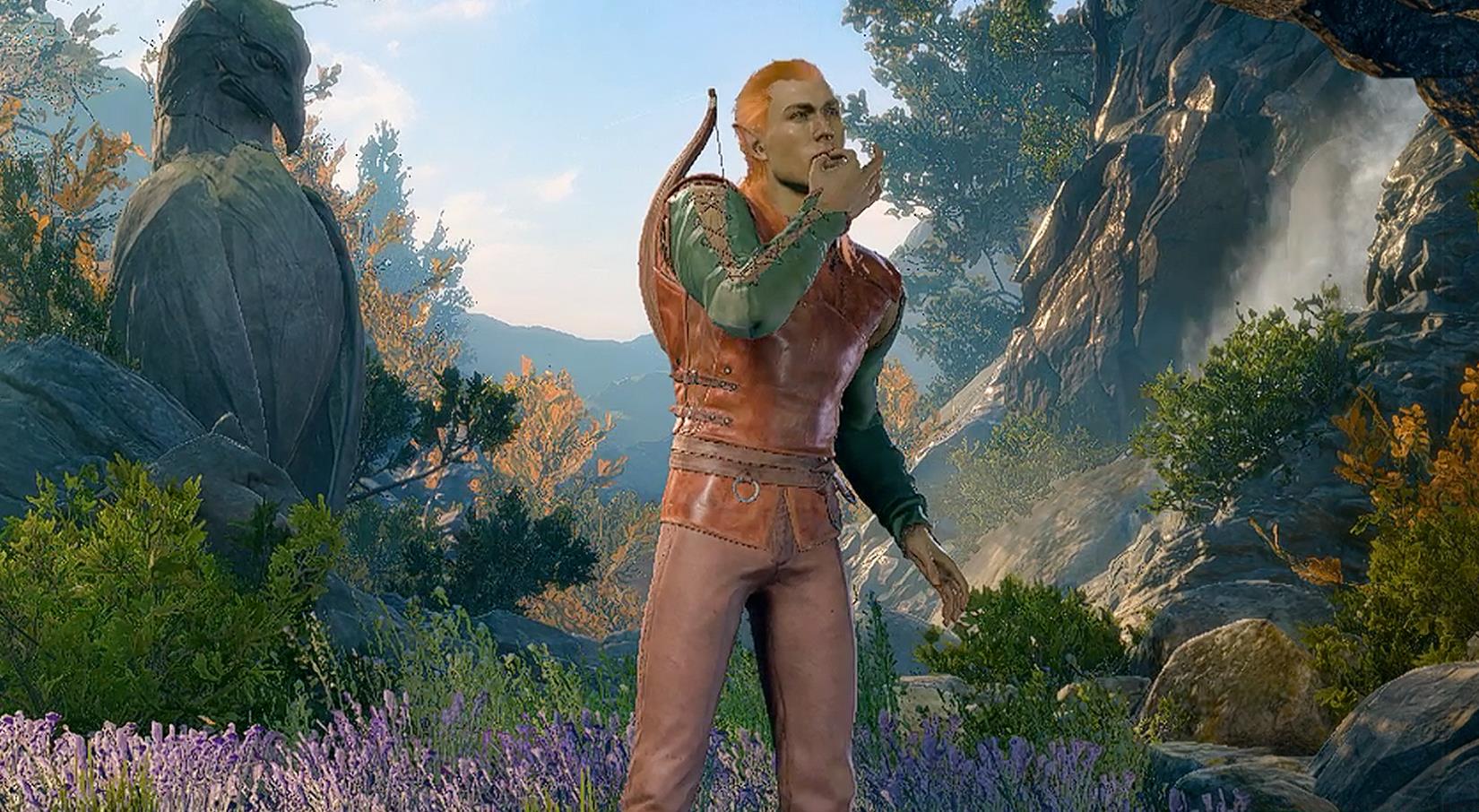
While racial choices in Baldur’s Gate 3 don’t strictly determine class effectiveness, certain races and subraces possess innate features that synergize exceptionally well with Ranger capabilities, such as enhanced mobility or weapon proficiencies. For optimizing your Ranger, focus on races that provide combat-relevant advantages:
- Wood Elves (and High Elves) possess longbow proficiency and additional movement range. Wood Elves additionally have Stealth proficiency, enhancing their scouting capabilities.
- Lightfoot Halflings benefit from Natural Stealth traits and gain advantage on Stealth checks, making them exceptional ambush predators.
- Forest Gnomes offer limited mechanical benefits but gain the Speak with Animals cantrip, which aligns thematically with the Ranger’s nature connection.
When creating and advancing your Baldur’s Gate Ranger character, prioritize Dexterity as your primary attribute for ranged attacks and finesse melee weapons. Wisdom serves as your secondary stat, enhancing tracking capabilities through Favored Enemy and improving spellcasting effectiveness. Always maximize Dexterity first, with Wisdom as your next priority.
Rangers select their specialization at level 3. The Beast Master archetype works well for players who enjoy managing animal companions in combat, while the Hunter subclass offers more straightforward damage potential. Both Colossus Slayer and Horde Breaker specializations provide excellent combat advantages for different situations.
Common Mistake to Avoid: Don’t neglect Constitution entirely. While Dexterity and Wisdom are priorities, maintaining at least 14 Constitution ensures you survive enemy attacks, especially when positioning fails or enemies breach your frontline.
At every fourth character level, you choose between ability score improvements or specialized Feats. These unique talents provide additional combat capabilities and utility options. Rangers particularly benefit from these strategic selections:
- Crossbow Expert. When making crossbow attacks within melee range, your Attack Rolls no longer suffer Disadvantage. Additionally, your Piercing Shot inflicts Gaping Wounds for double the normal duration.
- Mobile. Your movement speed receives a permanent increase, and difficult terrain no longer impedes you when Dashing. After executing melee attacks, you can move without provoking Opportunity Attacks from your target.
- Sharpshooter. Your ranged weapon attacks ignore High Ground penalties. Attacks with weapons you’re Proficient with take a -5 penalty to Attack Rolls but deal an additional 10 damage.
Feat Selection Strategy: Sharpshooter dramatically increases your damage output against low-AC targets. Combine it with advantage-generating abilities like hiding or height advantages to mitigate the attack penalty. Crossbow Expert allows you to maintain full damage output even when enemies close to melee range.
Advanced Positioning Tips: Always seek elevated positions for the inherent attack roll advantage. Use environmental objects for cover between attacks, and maintain distance from frontline engagements. Your mobility allows you to reposition constantly to maintain optimal firing angles.
For comprehensive class information across Baldur’s Gate 3, explore our detailed guides covering Barbarian, Bard, Cleric, Druid, Fighter, Monk, Paladin, Rogue, Sorcerer, Warlock, and Wizard classes. If you’re uncertain about class selection, consult our beginner’s guide to starting classes for additional guidance. Check out our Class Guide for more specialized build advice.
Action Checklist
- Prioritize Dexterity (16+) during character creation, with Wisdom as secondary stat
- Select Perception and Stealth skills for optimal scouting capabilities
- Choose Hunter subclass at level 3 for straightforward damage or Beast Master for pet management
- Position on elevated terrain during combat for attack advantage and safety
- Select Sharpshooter feat at level 4 or 8 for significant damage increase
- Utilize hide actions between attacks to maintain advantage on attack rolls
No reproduction without permission:Game Guides » BG3 best Ranger subclass, feats, and build guide Master the Ranger class in Baldur's Gate 3 with expert builds, subclass analysis, and combat optimization strategies