
TL;DR
- Boombl4 successfully negotiated tier-1 transfer clauses in his 1WIN contract
- Cloud9 operates without dedicated AWPer, leveraging map-specific sniper assignments instead
- Clear leadership hierarchy established with Boombl4 as primary IGL supported by mid-round callers
- The team applies NAVI-2021 experience while building CS2-specific strategies from scratch
- Professional mindset shift key to successful return from tier-3 to top-level competition
Games and Esports Articles CS 2
Boombl4: “When you lose something and get it back, you start to appreciate it more”
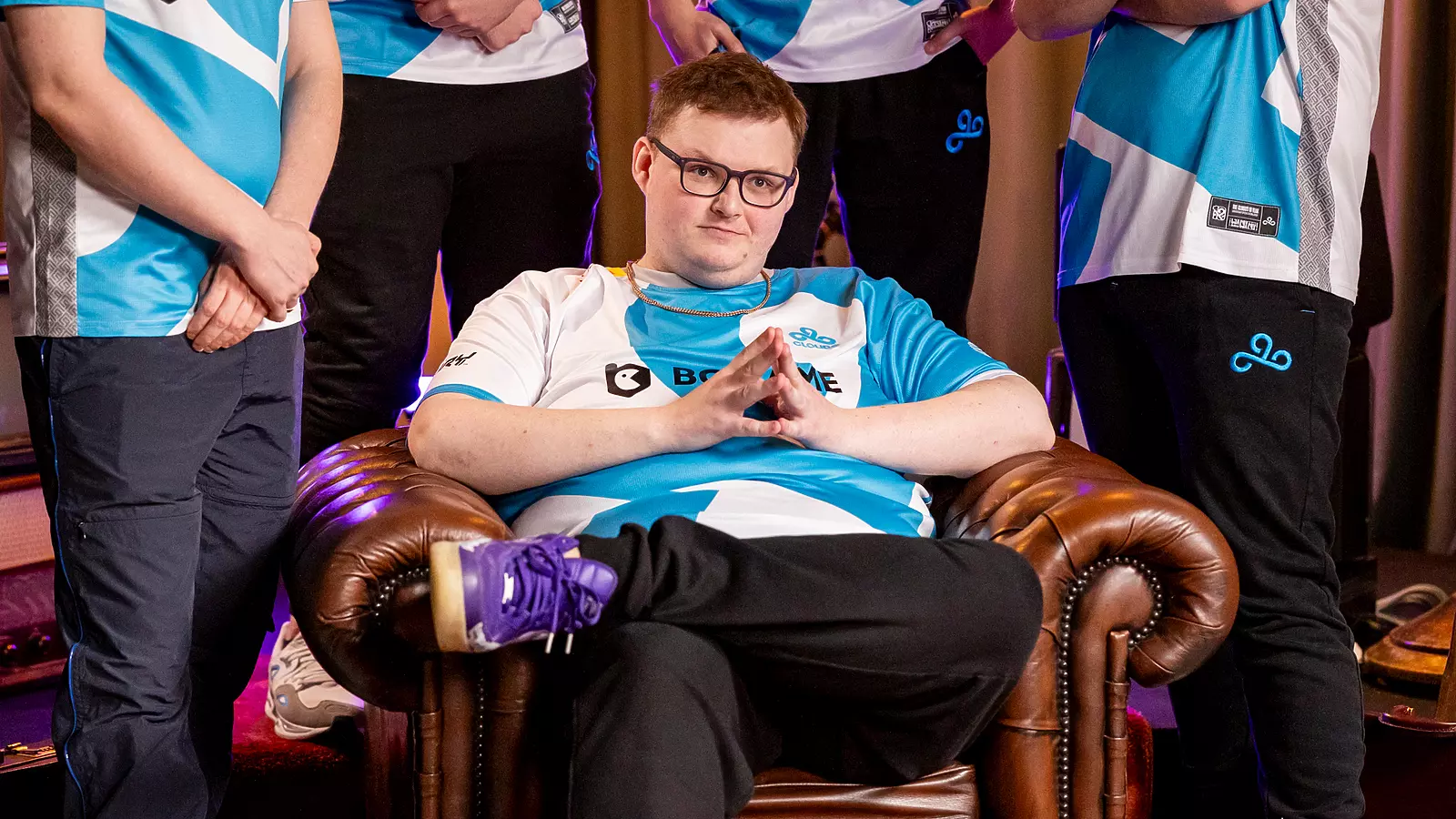
During the BetBoom Dacha tournament, we conducted an exclusive interview with Cloud9’s in-game leader Kirill “Boombl4” Mikhaylov. The seasoned captain provided detailed insights into Cloud9’s current roster dynamics, reflected on his professional evolution, and analyzed the strategic implications of CS2’s gameplay changes across multiple competitive dimensions.
- Boombl4’s strategic targeting of Cloud9 during contract negotiations
- Strategic implications of operating without a primary AWPer in CS2’s evolving meta
- Comparative analysis between current Cloud9 structure and NAVI’s 2021 championship lineup
- CS2’s competitive readiness assessment for upcoming RMR and Major tournaments
- Emotional dynamics of reuniting with former teammate s1mple in FACEIT matches
— How did you approach your initial integration period within Cloud9? Have you achieved full operational synchronization with the team?
— Absolutely, we’ve established solid workflow patterns. Our debut appearance at BLAST Fall Finals delivered respectable outcomes given our recent formation. With two remaining competitions [BetBoom Dacha and BLAST World Final where Cloud9 secured 5-6th placement], our strategic objective focuses on maximizing performance metrics and pursuing championship victories.
— 1WIN’s departure announcement referenced honoring contractual commitments made to you. Did this pertain to facilitating potential tier-1 organizational transfers?
— Correct. During initial contract discussions, we established mutually agreeable terms regarding transfer flexibility. I maintained strategic interest in Cloud9 as a future destination, which influenced negotiation parameters around buyout clauses. Ultimately, all contractual obligations were satisfied professionally, creating optimal conditions for this transition.
— What factors delayed your earlier transition to Cloud9?
— The organization hadn’t extended an invitation previously. While I maintained professional interest following my NAVI departure, the timing wasn’t operationally feasible. The interim period competing with 1WIN provided necessary development space to demonstrate leadership capabilities and refine strategic decision-making under competitive pressure.
— You’ve collaborated with Eastern Europe’s premier coaching talent throughout your career. What distinctive methodologies characterize each coach’s approach?
— Each demonstrates unique developmental philosophies. B1ad3 maintains unparalleled dedication, essentially living Counter-Strike 24/7. Hooch served as my foundational mentor, identifying my potential during Moscow LAN competitions early in my career. Our competitive history against groove during NAVI matches now translates into collaborative strategic development within Cloud9’s framework. F_1N contributes significantly through supplementary analytical support. Comparative ranking proves challenging given their specialized expertise across different competitive dimensions.
— Do groove and F_1N operate through collaborative partnership or hierarchical leadership structure?
— Their collaboration reflects synergistic partnership rather than traditional hierarchy. Each assumes responsibility for distinct operational domains, creating comprehensive coverage across strategic planning requirements.

— Former NAVI analytical staff described Gambit/Cloud9 as strategically predictable opponents. Do you concur with this competitive assessment?
— During NAVI’s competitive peak while reviewing their match demos, I observed significant strategic borrowing from our established systems. Their subsequent three-month dominance phase represented genuine competitive threat rather than easily counterable opposition.
From my analytical perspective, ENCE previously demonstrated more predictable patterns before their competitive evolution. Strategic predictability varies significantly across opponent profiles and competitive contexts.
— What professional achievements with 1WIN hold greatest personal significance?
— Our team demonstrated remarkable resilience during challenging competitive phases. When performance metrics declined, we systematically reversed trends through tournament victories. Regional Major Rankings performance could have demonstrated stronger results. I assess our challenges stemmed more from psychological factors than technical gameplay deficiencies.
The remarkable aspect remains how we secured consecutive event victories despite internal disagreements. Every team member maintained professional commitment throughout difficulties, making our championship achievements particularly meaningful.
Strategic Challenges: Sniper Allocation and Multiple Leadership Voices
— Cloud9 currently operates without primary sniper specialist. Can this configuration succeed within CS2’s competitive landscape?
— Current meta analysis suggests reduced AWP impact within CS2’s gameplay systems. This potentially creates optimal conditions for strategic sniper role allocation. However, competitive necessity demands specialized sniper capabilities, so we implement map-specific weapon training regimens. This developmental process proves both engaging and strategically revealing.
I maintain personal affinity for sniper roles. Throughout my NAVI tenure, I consistently functioned as secondary AWPer until Perfecto assumed increased sniper responsibilities based on positional advantages. Current operational framework provides confidence across designated sniper maps, though not matching specialized AWPer proficiency levels.
— Your BLAST matchup against Vitality featured ZywOo, arguably this generation’s premier sniper specialist. Doesn’t this create inherent strategic limitations?
— Not necessarily. Elite snipers demonstrate individual excellence, but the strategic advantage for opponents emerges from awareness of our non-specialized sniper configuration. Opposing AWPers operate with heightened confidence, permitting more aggressive positioning and risk-taking behaviors. Specialized sniper capabilities typically secure victory in approximately 30% of competitive rounds through individual impact.
— Will Cloud9’s strategic framework replicate NAVI’s 2021 systems or develop entirely new methodologies?
— CS2 introduces fundamentally new meta systems. While we retain knowledge of historical strategic elements, we’re constructing gameplay frameworks from foundational principles: revising round structures, transforming meta approaches. Contemporary competitive environments invalidate static strategic playbooks maintained across multiple tournaments. Successful teams continuously refresh tactical approaches between events because opponents arrive with comprehensive preparation.
— Cloud9 previously experienced challenges with multiple strategic voices during matches. How has this dynamic evolved?
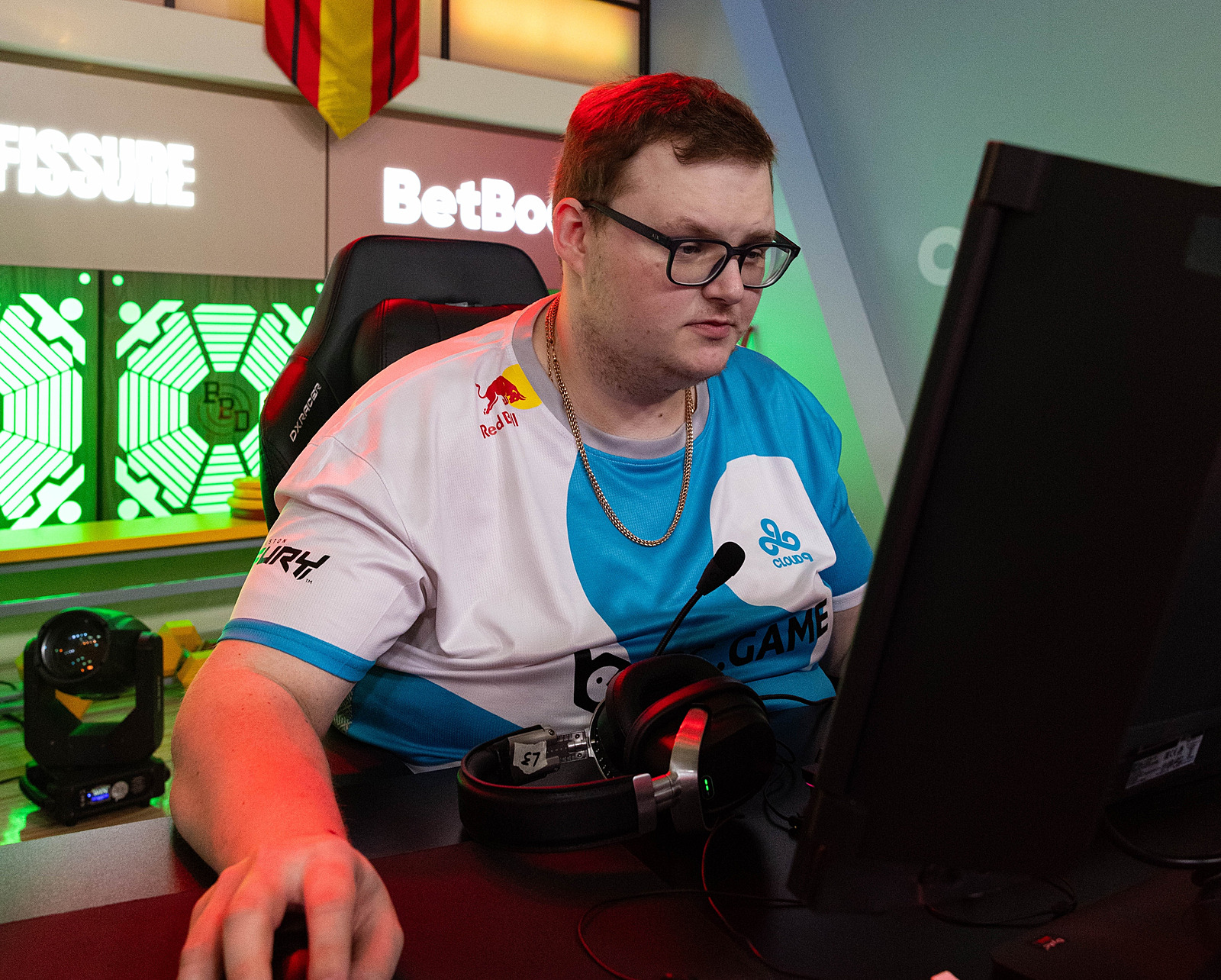
— We’ve established clear leadership hierarchy with myself as primary in-game leader. Denis provides crucial mid-round calling support. These represent our designated micro-responsibilities. While any team member may propose tactical adjustments, we maintain designated primary communication channels to prevent strategic fragmentation. This systematic approach resolved previous coordination challenges effectively.
— During your integration period, Ax1Le appeared to experience performance regression. What factors contributed to this development?
— CS2’s release complicates individual performance evaluation across the competitive landscape. Few players demonstrate consistent results currently, with performance fluctuating between tournaments and game updates. Community sentiment indicates approximately 30-40% remain dissatisfied with current gameplay systems. Personally, I appreciate the strategic diversity CS2 introduces.
Ax1Le previously expressed significant frustration with certain gameplay mechanics, but his adaptation has progressed positively. Regarding performance metrics, recall his spectacular 1 versus 5 clutch against Vitality at BLAST. Does this indicate performance decline? Absolutely not. Current competitive conditions demand strategic rebuilding, making rigid performance expectations counterproductive.
The Theseus’s Ship Paradox: Cloud9’s Strategic Evolution
— “Does an entity retaining all original components through systematic replacement maintain fundamental identity?” This philosophical concept applies directly to organizational comparisons. Do you recognize the strategic parallel?
— [Laughs] The NAVI and Cloud9 organizational analogy becomes apparent. Similarities exist across certain operational dimensions while differences emerge in others.
— What message would you convey to Cloud9 supporters maintaining loyalty since Gambit era. How should fans approach supporting a roster featuring three players they previously opposed during Stockholm Major semifinals?
— Authentic fandom centers on proactive support rather than oppositional cheering. Even during competitive losses, genuine supporters avoid transferring frustration toward opponents. True fandom embodies consistent support regardless of roster composition changes. We currently experience substantial fan engagement and aim to conclude this competitive year with positive results for both organization and supporter base. Previous performance metrics hadn’t reached optimal levels.
— NAVI historically benefited from massive crowd support, essentially functioning as home team across most tournaments. Cloud9’s support dynamics appear fundamentally different. What competitive adjustments will this necessitate?
— Current assessment remains premature given limited data. During Danish competitions, I observed approximately balanced support distribution between Vitality and our squad. Some enthusiastic fans vocalized support, though admittedly enhanced by celebratory beverages [laughs]. We’ll monitor support patterns across future LAN events, but current engagement proves encouraging.
N0rb3r7: “Older players are thankful for the opportunity to fly to events, earn a living, fight for prize money. Young ones are seemingly not”
He was sure that VP will need him back, and he ended up right.
— Do Cloud9’s organizational management and operational structures differ significantly from NAVI’s systems?
— NAVI maintained more extensive organizational communication channels. We operated without language barriers, and management initiated frequent direct engagement. Current configuration features primarily groove and F_1N as primary contacts. This represents the most significant operational difference.
I haven’t established direct communication with Cloud9 management representatives yet, but received information about potential attendance at upcoming events. Possibly we’ll establish direct relationships. Obviously European operations facilitated more communication, but current systems function effectively despite structural differences.
— Did competing against former organization trigger additional emotional responses, perhaps nostalgic reflections or competitive redemption motivations?
— I maintain exclusively positive sentiments regarding previous organizational affiliation. The competitive intensity generated through fan engagement and personal relationships enhances match dynamics significantly. Regarding competitive redemption… I prefer maintaining privacy about specific motivations, but certainly experienced heightened competitive drive for that specific matchup.
Previously, intense rivalries sometimes created performance distractions. For this encounter, I consciously prioritized team-focused performance while acknowledging the special significance of our LAN debut victory.
— Do additional competitive rivalries currently motivate your preparation?
— This tournament features several compelling matchups. BetBoom Team competitions present strategic interest, while GamerLegion represents significant rivalry given our extensive practice sessions. Their unconventional, disruptive playstyle makes initial encounters particularly significant strategically.
Generally, I maintain competitive motivation against all top-tier opponents: FaZe, Vitality at BLAST World Final. Our two remaining tournaments present substantial challenges, so we’re focusing on systematic improvement through error analysis and strategic innovation, recognizing our challenging competitive position.
“If I beat someone, they were all trolling: «How could you lose to a schoolboy?»” Donk on his childhood in Siberia, first events, and training routine
Team Spirit’s young talent speaks up.
— How does returning to elite competitive environments impact your professional mindset?
— Extremely positive. I missed the electrifying atmosphere of packed arenas and engaged crowds. Historical performance analysis consistently reveals improved individual metrics during playoff stages compared to group phases. The spectator energy and competitive environment significantly enhance performance potential. These elements fundamentally drive my competitive passion for Counter-Strike.
— Current performance metrics indicate competitive parity despite limited recent tier-1 experience. Did 1WIN tenure produce measurable individual skill development?
— Not necessarily technical improvement. The transformation centered on enhanced professionalism. I maintained intense focus on gameplay systems, analyzing victory patterns even during online competitions. I established specific development targets including FACEIT leadership positions. Current rankings place me 7th nationally in Russia, 28th globally. I systematically progressed to 3900 Elo rating.
Currently, I maintain minimum four daily matches regardless of practice schedules or sleep patterns. We conduct supplementary training sessions with groove and F_1N. The professional revelation emerges when experiencing competitive regression then subsequent return to elite levels. The experience generates not just performance anxiety but enhanced appreciation and intensified work ethic.
— When did this professional realization crystallize?
— The underlying knowledge existed previously, but experiential understanding deepens when regaining something previously lost.

— Professional gamers maintain extensive travel schedules. How do you manage these lifestyle demands?
— I adapted relatively quickly to mobile competitive lifestyle. Three years of constant LAN competition preceded two years of home-based play. Current return to travel-intensive schedule includes bootcamps, tournaments, repeated training cycles. I’ve been away from home approximately 50 days currently. Family separation presents challenges, but I recognize this represents standard professional requirements, with current adjustment period resulting from changed travel patterns.
— Does CS2 currently demonstrate sufficient competitive stability for Regional Major Rankings and Major championships?
— Current stability levels exceed initial release conditions significantly. I would recommend slightly delayed scheduling for premier tournaments. Event organization appears somewhat accelerated currently, but overall competitive framework functions adequately. Approximately one month remains before major competitions, potentially allowing three significant updates that could substantially alter gameplay dynamics.
— The inaugural CS2 Major approaches rapidly. Will results demonstrate random distribution patterns?
— Championship outcomes won’t reflect randomness, though participant qualification might demonstrate unexpected patterns. Similar to previous CS:GO Major featuring five unexpected top-8 teams, similar qualification surprises might occur. However, tournament victors will demonstrate systematic preparation rather than random success. All competitive organizations currently develop CS2 strategic systems. Ample preparation time exists for systematic development.
Strategic Transitions: sh1ro’s Departure and s1mple Reunion Dynamics
— What organizational conditions characterized Cloud9 upon your integration?
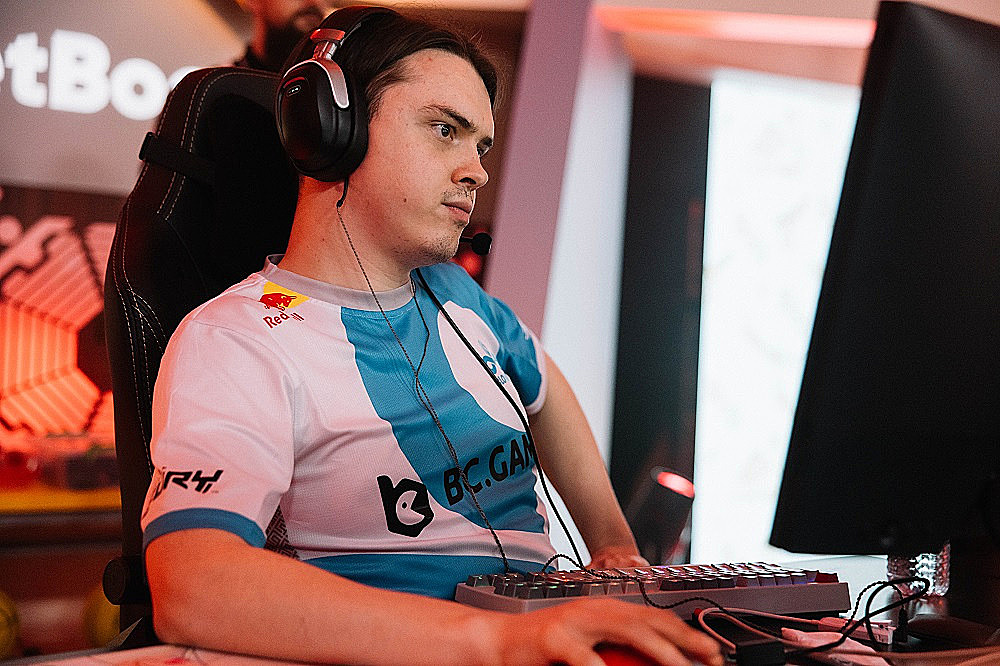
— The roster experienced leadership structural challenges. Denis transitioned from primary in-game leadership responsibilities. Possibly strategic alignment issues emerged, or personal preference shifted, details remain unclear. I consistently valued his competitive abilities and mid-round decision-making support. Our NAVI collaboration demonstrated effective secondary calling dynamics, providing supplementary informational resources and in-game assistance.
This assessment doesn’t reflect negatively on his leadership capabilities, having not experienced his primary IGL performance. Possibly adjustment challenges emerged, particularly transitioning between organizational captaincy roles, presenting significant adaptation requirements. My Cloud9 transition also generated concerns about strategic development and team integration processes. Gradually understanding operational systems creates progressive comfort. Those challenges now represent historical developments.
— Did sh1ro’s organizational departure represent unexpected development?
— Certainly [laughs]. His departure generated significant surprise throughout the competitive community. He stated during interviews and streaming sessions his preference for maintaining privacy regarding departure motivations. Actual reasons remain unknown personally, and current priorities focus on different strategic dimensions.
Sh1ro: “I want apologize to Perfecto and electronic for leaving the lineup like that”
— During Danish bootcamp, you participated in FACEIT matches alongside s1mple. What characterized that collaborative experience?
— This wasn’t random matchmaking coincidence, we organized pre-arranged competitive sessions. The streaming experience proved entertaining and engaging. We primarily focused on individual skill development, testing new grenade trajectories and gameplay mechanics to enhance CS2 proficiency. However, the fundamental competitive advantage emerges from accumulated in-game experience hours.
— Did nostalgic emotions emerge during that collaborative session?
— Moderate levels at best.
— Would future collaborative opportunities interest you professionally?
— [Laughs] Assessment proves challenging currently. While competing with different organizational structures, I cannot definitively state collaborative preferences. Professional relationships don’t operate through binary preference systems. Life developments occur organically rather than through predetermined planning. I maintain neither intense opposition nor overwhelming desire for such collaboration, finding current team dynamics professionally satisfying.
— Both 1WIN and NAVI tenures featured collaboration with temperamentally distinctive sniper specialists. Can you consistently establish productive working relationships with challenging personalities?
— [Laughs] I systematically develop relational approaches for diverse player types, maintaining sociable and adaptable interpersonal style. However, I respect professional boundaries when colleagues prefer maintaining privacy.
Community perspectives might compare deko and s1mple as comparable personalities, though my professional assessment differs. Denis represents significantly talented individual requiring further professional development. He possesses substantial growth potential requiring time to systematically develop professional competencies.
— At 25 with extensive professional experience, do you identify as established competitive veteran?
— I would characterize my professional identity as experienced competitor rather than emerging talent. CS2’s release generates renewed competitive motivation. I plan maintaining professional competition for minimum five additional years targeting multiple Major championship victories. I maintain ambitious competitive objectives: pursuing victory while engaging professionally fulfilling activities. Since maintaining competitive presence, I intend maximizing professional contributions.
“I didn’t have much time to get to know who I wanted to be as Nikolai. I was just living as dev1ce”. Astralis star on his break, Falcons rumors and new CS talent
Legend has spoken.
During BetBoom Dacha, we met Cloud9’s captain Kirill “Boombl4” Mikhaylov. The player discussed with us the state of Cloud9, reflected on his career and recent changes to the game, among other topics:
- Boombl4 had his sights on Cloud9 for a while
- What is the biggest problem with lack of dedicated sniper
- How similar current team is to NAVI-2021
- Is he likes CS2, and how ready it is for RMR and Major
- Did he feel nostalgic when playing with s1mple on FACEIT
— How did you spent your first few months in Cloud9? Did you adapt already?
— Absolutely, the adaptation process has been remarkably smooth. We’ve maintained consistent performance levels, participating in one major tournament [BLAST Fall Finals] where we achieved respectable outcomes. With two significant competitions remaining [BetBoom Dacha and BLAST World Final where Cloud9 secured 5-6th place], our primary objective remains delivering strong performances and pursuing championship victories.
— In 1WIN’s farewell message, they said they fulfilled a promise given to you. Was it about not blocking potential tier-1 transfer?
— Correct. During contract negotiations, we established clear terms regarding future mobility. I maintained interest in Cloud9 as a potential destination, which influenced the buyout structure negotiations. Fortunately, all parties honored their commitments, resulting in a mutually beneficial outcome.
— Why didn’t you move to Cloud9 earlier?
— The opportunity simply hadn’t materialized previously. While I maintained ambition to join Cloud9 following my NAVI departure, the timing wasn’t optimal. The interim period provided valuable development opportunities, allowing me to demonstrate continued competitive capability.
— You worked with all of the best Eastern European coaches. What’s the difference between them?
— Each mentor brings distinct methodological approaches. B1ad3 exemplifies complete dedication, essentially living Counter-Strike 24/7. Hooch served as my foundational guide, discovering me at a Moscow LAN event and shaping my development from early career stages. Having previously competed against groove during NAVI days, I now benefit from his extensive strategic insights. F_1N provides substantial supplementary support. Comparative assessments prove challenging, as each possesses unique strengths and developmental areas.
— Do they work in tandem? Or is groove the leader and F_1N assists him?
— Their collaboration resembles complementary partnership dynamics rather than hierarchical leadership structures.
— Ex-NAVI analyst claimed that Gambit/Cloud9 was the easiest team to prepare against. Do you share this opinion?
— During NAVI’s dominant era, reviewing their gameplay footage revealed substantial strategic borrowing from our systems. While they achieved three months of competitive superiority, I wouldn’t characterize preparation as straightforward.
For my analytical preferences, ENCE represented the most predictable opposition during their formative stages. They operated with highly scripted tactical patterns where opponents could anticipate subsequent actions. However, preparation difficulty varies significantly based on individual team characteristics and analytical approaches.
— What are you most proud of achieving with 1WIN?
— I take particular pride in our resilience during challenging periods. Despite encountering organizational difficulties, we consistently achieved tournament victories when circumstances appeared most adverse. Our RMR performances could have demonstrated greater consistency, though I attribute this more to psychological factors than technical deficiencies.
The team’s ability to secure consecutive championship victories despite internal disagreements demonstrates exceptional professional commitment. Maintaining competitive performance through adversity represents our most significant accomplishment.
Biggest questions on C9: What’s up with three callers and no sniper?
— You don’t have a dedicated sniper on Cloud9. Is it realistic to compete without him in CS2?
— The competitive consensus suggests reduced AWP impact within CS2’s current meta. This transitional period potentially represents the optimal timeframe for teams to experiment with sniper-less configurations. Nevertheless, competitive teams fundamentally require specialized weapon proficiency, prompting our map-specific AWPer training regimen. This developmental process proves both engaging and strategically enlightening.
I maintain strong affinity for sniper roles. Throughout my NAVI tenure, I consistently positioned myself as secondary AWPer, though Perfecto gradually assumed greater sniper responsibilities due to positional optimization. Current arrangements feel strategically appropriate. On maps where I utilize the AWP, I experience both confidence and comfort, though not equivalent to dedicated specialist proficiency.
— You played against Vitality at BLAST. They have ZywOo, one of the best AWPers of the generation. Don’t you feel limited from the start in such a case?
— Not particularly. While exceptional individual snipers demonstrate remarkable skill, the strategic advantage for opponents stems from awareness of our non-specialized configuration. Opposing AWP operators exhibit heightened confidence levels, permitting more aggressive positioning and risk-taking behaviors. Specialized snipers typically contribute to approximately 30% of round victories through individual impact.
— New Cloud9 style will be based on old NAVI, or will it be something different?
— CS2 introduces completely revolved competitive meta systems. We retain memory of historical tactical elements while constructing fundamentally new strategic foundations: revising round structures, transforming meta approaches. Contemporary competitive environments render static tactical systems obsolete. Teams must continuously refresh strategic playbooks between tournaments due to comprehensive opponent preparation.
— C9 previously had a problem with too many voices on the team. How about this now?
— We implemented clear hierarchical structures establishing my primary in-game leadership role. Denis provides crucial mid-round calling support. These represent our specialized team responsibilities. Naturally, all members maintain opportunity to suggest tactical rounds, plays, or strategic concepts. However, we maintain designated primary communication responsibilities to prevent disruptive information overload. This structural solution effectively resolved previous coordination challenges.
— When you were joining, it looked like Ax1Le had a slump in individual form. What’s the reason?
— Assessing individual performance fluctuations proves particularly challenging during CS2’s release period. Few competitors demonstrate consistent performance metrics, with results fluctuating between tournaments and game updates. Development patches progressively improve gameplay experience. Approximately 30-40% of community members remain dissatisfied, experiencing adjustment difficulties. Personally, I appreciate the current competitive landscape.
I recall Ax1Le experiencing frustration phases, frequently expressing “stupid fucking game” sentiments, though his perspective has since improved. Regarding his competitive performances… Consider his remarkable 1 versus 5 clutch against Vitality at BLAST. Does this indicate performance decline? Certainly not. Expecting peak performance levels during structural rebuilding phases proves unreasonable.
Cloud9 = NAVI-2021?
— “Does an object that has all of its components replaced remain fundamentally the same object?” This is the Theseus’s ship paradox. Do you understand where I’m going with it?
— [Laughs] I comprehend the NAVI-Cloud9 organizational analogy. The comparison holds partial validity—certain aspects demonstrate continuity while others represent fundamental transformation.
— What would you tell C9 fans supporting them since Gambit. How can they cheer you if two years ago, in the Stockholm semis, they probably cheered their hardest against three players of the current roster?
— Authentic fandom centers on supportive engagement rather than oppositional cheering. Even during competitive losses, true supporters avoid harboring resentment toward opponents. Genuine fandom embodies consistent support regardless of competitive outcomes. While roster composition matters significantly, individual supporters ultimately determine their allegiance. We currently experience substantial fan support, motivating our determination to conclude the competitive year positively for both supporters and organizational stakeholders. Previous competitive results demonstrated room for improvement.
— NAVI had huge support. You almost always had your crowd. It seems things will be different in Cloud9. How hard would it be?
— Premature assessment proves challenging, with current circumstances remaining fluid. During Danish competitions, I observed approximately equal fan distribution between Vitality and our squad. Some enthusiastic supporters vocalized our player identifiers. While demonstrating elevated spirits [laughs], the experience proved enjoyable. Future LAN events will provide clearer indication, though current support levels appear promising.
N0rb3r7: “Older players are thankful for the opportunity to fly to events, earn a living, fight for prize money. Young ones are seemingly not”
He was sure that VP will need him back, and he ended up right.
— Is Cloud9 different from NAVI in terms of management and organization?
— NAVI organizational structures featured more extensive communication channels. Language compatibility facilitated seamless interaction, with management initiating regular dialogue. Current arrangements involve primarily groove and F_1N as primary contacts. These relationships represent our most crucial organizational connections.
I haven’t established direct communication with Cloud9 management representatives yet, though indications suggest organizational attendance at upcoming events. Potential relationship development opportunities exist. Geographic considerations naturally influence communication frequency, though current arrangements function effectively despite structural differences.
— Did you have additional feelings when playing against your former team, like nostalgia or a desire to get revenge?
— I maintain exclusively positive sentiments. The competitive atmosphere enhancement provided by passionate supporters and familiar faces intensifies match excitement. Regarding competitive retaliation motivations… I prefer maintaining privacy concerning specific reasons, though additional motivational factors certainly influenced our match preparation.
Historical rivalry situations sometimes produced performance anxiety, creating distracting elements. This specific scenario involved mindful consideration, though interview statements emphasized focusing on team performance and strategic execution. Consequently, we achieved successful LAN debut performances, creating satisfying competitive experiences.
— Do you have other rivalries?
— This tournament certainly features additional competitive motivations. BetBoom Team matches present intriguing challenges, while GamerLegion represent familiar opponents due to extensive practice sessions. Their unconventional, disruptive tactical style makes initial encounters particularly significant.
Broadly speaking, I maintain competitive redemption motivations against multiple opponents: FaZe, Vitality at BLAST World Final. With two major tournaments approaching, competitive challenges intensify, prompting our current focus on performance optimization. While championship pursuit remains paramount, primary emphasis centers on error analysis and tactical innovation, recognizing our challenging competitive circumstances.
“If I beat someone, they were all trolling: «How could you lose to a schoolboy?»” Donk on his childhood in Siberia, first events, and training routine
Team Spirit’s young talent speaks up.
— How do you feel coming back to top-tier events?
— The experience proves tremendously rewarding. I genuinely missed competitive arenas and enthusiastic crowds. Historical performance analysis reveals consistent statistical improvements between tournament stages: weaker group stage performances followed by enhanced playoff demonstrations, revealing competitive potential. The atmospheric elements and spectator engagement significantly enhance performance motivation, representing fundamental competitive drivers.
— It feels like you’re playing on par with others, even though you lack a recent tier-1 experience. Did you improve individually in 1WIN?
— Individual skill development probably remained relatively stable. The transformation primarily involved enhanced professional approach. I maintained intensive gameplay focus, analyzing underlying success factors even during online victories. I established ambitious FACEIT ranking objectives, currently positioned 7th in Russian rankings, 28th globally. Achieving 3900 Elo required substantial dedicated effort.
Current training regimens involve minimum four daily matches despite intensive practice schedules and limited rest periods. Additional collaborative work with groove and F_1N supplements primary training. Transitioning from tier-1 to tier-3 competition then returning to elite levels creates renewed appreciation rather than performance anxiety.
— When did you realize that?
— The underlying principle remained consistently understood, though practical experience reinforces theoretical knowledge—losing then regaining competitive standing generates enhanced valuation and intensified work ethic.
— Players are always on the road. How hard is this?
— I adapted relatively quickly to professional travel demands. Three years of continuous LAN competition preceded two years of home-based play. Current schedules involve renewed travel intensity: bootcamps, tournaments, repeated bootcamps. Approximately fifty consecutive days away from home creates mild familial longing, though I recognize this represents standard professional adjustment following extended stationary periods.
— Is CS2 ready for RMR and Major?
— Current stability levels exceed initial launch conditions. Personally, I would schedule RMR and Major events slightly later. Current event pacing appears somewhat accelerated, though overall conditions demonstrate acceptable readiness.
— The first Major is so close. Will it be random?
— Championship outcomes won’t demonstrate randomness, though participant composition might exhibit unexpected elements. Similar to the final CS:GO Major featuring five unexpected top-8 teams, similar participation patterns could emerge. However, tournament victors will demonstrate deserved success through comprehensive preparation.
Sh1ro’s departure and playing with s1mple
— What was the state of Cloud9 when you joined?
— The roster encountered leadership transition challenges. Denis relinquished in-game leadership responsibilities. Potential contributing factors include strategic misalignment, performance challenges, or personal preference—details remain unclear. I consistently regarded him as skilled competitor and effective mid-round communicator. Our NAVI collaboration demonstrated synergistic partnership when he provided secondary calling support. He represented valuable informational resource while contributing in-game assistance.
This doesn’t imply inadequate leadership capabilities, as I lacked direct experience with his primary calling. Transitional adjustments prove challenging, particularly following captaincy transitions between organizations. My own Cloud9 transition involved understandable concerns regarding team building and practice integration. Gradually understanding operational mechanics creates progressive comfort levels. Previous challenges now represent resolved issues.
— Did sh1ro’s departure come as a surprise for you?
— Certainly [laughs]. His departure generated genuine surprise. Public statements and streaming content indicated non-disclosure preferences regarding specific reasons. Actual motivating factors remain unknown to me personally, though such knowledge falls outside current priority parameters.
Sh1ro: “I want apologize to Perfecto and electronic for leaving the lineup like that”
— When you were in Denmark, you played FACEIT with s1mple. How did it feel?
— This wasn’t random matchmaking coincidence—we organized deliberate party play. The experience created enjoyable streaming content. Our training emphasis centers on individual skill development. Exploring new grenade techniques and gameplay mechanics enhances CS2 proficiency, though dedicated gameplay time represents the most crucial developmental factor.
— Had any nostalgic feelings?
— Mixed sentiments… Neither strongly nostalgic nor completely detached.
— Would you want to play together again one day?
— [Laughs] Uncertain, difficult to predict. While competing with different organizations, I avoid definitive statements regarding future collaboration preferences. Life developments occur organically rather than through predetermined planning. I maintain neither intense opposition nor overwhelming desire regarding such possibilities, finding satisfaction with current team environment.
— Both in 1WIN and NAVI you played with snipers with a certain temperament. Could you say that you are able find common ground with troublemakers?
— [Laughs] I strive to establish productive relationships with all team members, maintaining sociable and receptive interpersonal approach. However, I respect personal boundaries when individuals demonstrate communication reluctance.
Community perspectives might draw comparisons between deko and s1mple, though my personal assessment differs. Denis represents developing talent with substantial growth potential. Professionalism development represents current challenge areas. He could optimize time utilization more effectively, though simultaneously demonstrating exceptional natural ability and competitive potential requiring developmental timeframe.
— You are 25, and you already played a lot on the pro-scene. Do you feel that you are a part of the old guard already?
— I characterize myself as experienced competitor rather than emerging talent. CS2’s introduction provides renewed competitive motivation. I plan maintaining professional career for minimum five additional years while pursuing multiple Major championships. Maintaining ambitious competitive objectives: pursuing victory while engaging in personally fulfilling activities. Current participation indicates purposeful competitive engagement.
“I didn’t have much time to get to know who I wanted to be as Nikolai. I was just living as dev1ce”. Astralis star on his break, Falcons rumors and new CS talent
Legend has spoken.
Games and Esports Articles CS 2
Boombl4: “When you lose something and get it back, you start to appreciate it more”
During BetBoom Dacha, we met Cloud9’s captain Kirill “Boombl4” Mikhaylov. The player discussed with us the state of Cloud9, reflected on his career and recent changes to the game, among other topics:
- Boombl4 had his sights on Cloud9 for a while
- What is the biggest problem with lack of dedicated sniper
- How similar current team is to NAVI-2021
- Is he likes CS2, and how ready it is for RMR and Major
- Did he feel nostalgic when playing with s1mple on FACEIT
— How did you spent your first few months in Cloud9? Did you adapt already?
— Absolutely, the adaptation process has been remarkably smooth. We’ve already competed in one significant tournament, the BLAST Fall Finals, achieving respectable results. With two major events remaining—BetBoom Dacha and the upcoming BLAST World Final where Cloud9 secured 5-6th place, our primary objective is delivering strong performances and pursuing championship victories.
— In 1WIN’s farewell message, they said they fulfilled a promise given to you. Was it about not blocking potential tier-1 transfer?
— Correct. During contract negotiations, we established reasonable buyout terms to facilitate potential future transitions. I maintained interest in Cloud9 throughout my tenure, and I’m pleased all contractual agreements were honored professionally.
— Why didn’t you move to Cloud9 earlier?
— The opportunity simply hadn’t materialized previously. Following my departure from NAVI, Cloud9 represented my ideal destination, though I recognized the transition challenges. The interim period provided valuable development time to demonstrate my capabilities and readiness for this level.
— You worked with all of the best Eastern European coaches. What’s the difference between them?
— Each mentor brings distinctive methodologies. B1ad3 demonstrates unparalleled dedication, essentially living Counter-Strike 24/7. Hooch served as my foundational guide, discovering me at a Moscow LAN and shaping my early career development. Our collaborative experience with groove during NAVI days and now at Cloud9 provides continuous strategic innovation, while F_1N contributes significantly to our tactical framework.
— Do they work in tandem? Or is groove the leader and F_1N assists him?
— Their collaboration represents a true partnership model, with distinct responsibility allocations rather than hierarchical leadership structure.
— Ex-NAVI analyst claimed that Gambit/Cloud9 was the easiest team to prepare against. Do you share this opinion?
— During NAVI’s dominant era, reviewing their match footage revealed significant strategic borrowing from our playbook. While they outperformed us for several months, characterizing their preparation as straightforward seems inaccurate. Personally, I found ENCE presented the most predictable opposition before their competitive evolution. Team analysis complexity varies dramatically depending on strategic compatibility and playstyle matchups.
— What are you most proud of achieving with 1WIN?
— Our resilience during adversity stands as our most significant accomplishment. When faced with challenging circumstances, we consistently elevated our performance to secure consecutive tournament victories. The RMR performance could have demonstrated greater consistency, though our challenges stemmed more from psychological factors than technical deficiencies.
The team’s ability to maintain competitive focus despite internal disagreements reflects exceptional professional maturity. Winning multiple events consecutively under such conditions validates our collective determination and competitive character.
Biggest questions on C9: What’s up with three callers and no sniper?
— You don’t have a dedicated sniper on Cloud9. Is it realistic to compete without him in CS2?
— The current CS2 landscape suggests reduced AWP impact, potentially creating ideal conditions for teams operating without specialized snipers. However, strategic flexibility demands maintaining AWP proficiency across multiple players, with weapon assignment varying by map requirements. This distributed approach creates engaging strategic diversity while maintaining competitive viability.
I maintain strong affinity for the AWP, having consistently pursued secondary sniper responsibilities since joining NAVI. Later, Perfecto naturally assumed more AWP-heavy roles based on positional advantages. Current arrangements provide confidence and comfort on specific maps where I handle sniper duties, leveraging accumulated experience and tactical understanding.
— You played against Vitality at BLAST. They have ZywOo, one of the best AWPers of the generation. Don’t you feel limited from the start in such a case?
— Not at all. Elite snipers demonstrate individual excellence, but opponents gain psychological advantage knowing we lack dedicated AWP specialist. Their snipers operate with enhanced confidence, permitting more aggressive positioning and risk-taking behavior. Top-tier AWPers typically contribute to approximately 30% of round victories through individual impact and strategic control.
— New Cloud9 style will be based on old NAVI, or will it be something different?
— CS2 introduces fundamentally new competitive paradigms. While we retain knowledge of historical strategies and tactical elements, we’re constructing our approach from foundational principles: revising round structures, transforming meta understandings. Contemporary competitive environments demand continuous innovation—maintaining static playbooks for extended periods proves ineffective. Regular tactical renewal between tournaments becomes essential as opponents arrive thoroughly prepared.
— C9 previously had a problem with too many voices on the team. How about this now?
— We’ve implemented clear command structure: I assume primary calling responsibilities while Denis provides mid-round decision support. These represent our core communication assignments. While any team member may propose rounds, plays, or ideas, we maintain designated leadership roles to prevent communication overload and ensure strategic coherence.
— When you were joining, it looked like Ax1Le had a slump in individual form. What’s the reason?
— CS2’s release complicates individual performance evaluation. Few competitors demonstrate consistent results currently, with performance fluctuating between events and game updates. Regular patches introduce improvements, gradually enhancing gameplay experience. Approximately 30-40% of community members remain dissatisfied, though I personally appreciate the game’s development direction.
I recall Ax1Le expressing frustration during his adjustment period, though his perspective has since improved significantly. Regarding performance metrics—remember his spectacular 1 versus 5 clutch against Vitality at BLAST. Does that indicate performance decline? Certainly not. Expecting peak performance during fundamental structural transitions proves unreasonable.
Cloud9 = NAVI-2021?
— “Does an object that has all of its components replaced remain fundamentally the same object?” This is the Theseus’s ship paradox. Do you understand where I’m going with it?
— [Laughs] I comprehend the NAVI-Cloud9 organizational analogy. Certain elements demonstrate continuity while others represent deliberate evolution.
— What would you tell C9 fans supporting them since Gambit. How can they cheer you if two years ago, in the Stockholm semis, they probably cheered their hardest against three players of the current roster?
— Authentic fandom centers on supporting your team rather than opposing others. True supporters maintain loyalty during challenging periods without harboring resentment toward opponents. Rosters evolve naturally—support decisions remain personal choices. We currently experience substantial fan support and aim to conclude the year positively for supporters and organization alike.
— NAVI had huge support. You almost always had your crowd. It seems things will be different in Cloud9. How hard would it be?
— Current assessment remains premature—many factors remain uncertain. In Denmark, fan support seemed divided between Vitality and ourselves. Some enthusiastic supporters shouted our identifiers—admittedly with some celebratory beverages involved—creating enjoyable atmosphere [laughs]. Future LAN events will provide clearer indication, though current support levels appear promising.
N0rb3r7: “Older players are thankful for the opportunity to fly to events, earn a living, fight for prize money. Young ones are seemingly not”
He was sure that VP will need him back, and he ended up right.
— Is Cloud9 different from NAVI in terms of management and organization?
— NAVI featured more extensive organizational communication. Language barriers were nonexistent, with management initiating regular dialogue. Current structure involves primarily groove and F_1N as primary contacts, which represents the most crucial relationship. I haven’t yet established direct communication with Cloud9 representatives, though I understand organizational representatives will attend this event. Regional differences naturally affect communication patterns—neither superior nor inferior, simply distinct operational approaches.
— Did you have additional feelings when playing against your former team, like nostalgia or a desire to get revenge?
— I maintain exclusively positive sentiments. Fan engagement and friendly rivalries intensify match excitement. Regarding competitive motivation… while I prefer keeping specific reasons private, facing former teammates certainly provides additional competitive drive.
Previous intense rivalries sometimes caused performance anxiety and distraction. This encounter involved mindful preparation while maintaining focus on current team objectives. Achieving victory in our LAN debut together created satisfying team milestone.
— Do you have other rivalries?
— This tournament certainly presents multiple competitive narratives. BetBoom Team matches generate particular interest, while GamerLegion represents significant rivalry due to extensive practice sessions. Their unconventional, disruptive playstyle makes initial encounters particularly significant strategically.
Generally, I approach every match with competitive determination: FaZe, Vitality at BLAST World Final. With two major tournaments approaching, preparation intensity increases accordingly. While victory remains our objective, primary focus centers on error analysis and tactical development, recognizing our challenging competitive circumstances.
“If I beat someone, they were all trolling: «How could you lose to a schoolboy?»” Donk on his childhood in Siberia, first events, and training routine
Team Spirit’s young talent speaks up.
— How do you feel coming back to top-tier events?
— The experience proves tremendously rewarding. I missed competitive arenas and spectator energy. Historical performance analysis reveals consistent improvement between tournament stages: weaker group stage performances followed by enhanced playoff results, as environmental factors help unlock competitive potential. Crowd engagement and tournament atmosphere significantly fuel my competitive drive.
— It feels like you’re playing on par with others, even though you lack a recent tier-1 experience. Did you improve individually in 1WIN?
— Individual skill development appears less significant than professional maturity advancement. Intensive gameplay focus and analytical approach identified winning patterns. I even established personal objective to reach FACEIT leadership positions, currently ranking 7th in Russia, 28th globally. Achieving 3900 Elo required dedicated effort and systematic improvement.
Current training regimen involves minimum four daily matches regardless of practice schedules or sleep patterns. Additional collaborative work with groove and F_1N supplements team development. Transitioning from tier-1 to tier-3 then returning to elite competition creates enhanced appreciation and intensified work ethic.
— When did you realize that?
— The principle remained understood throughout my career, though losing then regaining competitive standing intensifies that understanding profoundly.
— Players are always on the road. How hard is this?
— I adapted relatively quickly to professional travel demands. Three years of continuous LAN competition preceded two years of home-based play. Current schedule involves bootcamps, tournaments, repeated travel cycles. Being away from home nearly 50 days creates some familial longing, though I recognize this represents standard professional adjustment after reduced travel frequency.
— Is CS2 ready for RMR and Major?
— Current stability represents significant improvement over initial release conditions. I would recommend slightly delayed RMR and Major scheduling. Event timing appears somewhat accelerated currently, though overall development trajectory seems positive. With approximately one month remaining, potential for multiple significant updates exists, ensuring continued game evolution.
— The first Major is so close. Will it be random?
— I believe championship outcomes will demonstrate competitive legitimacy. Participant composition might exhibit unexpected elements, similar to previous CS:GO Majors featuring surprising top-8 team inclusions. However, tournament victory requires systematic preparation and strategic excellence—not random chance. All professional teams are actively developing CS2 strategies currently, providing adequate preparation timeframe.
Sh1ro’s departure and playing with s1mple
— What was the state of Cloud9 when you joined?
— The roster confronted significant leadership challenges. Denis transitioned away from primary in-game leadership responsibilities. This decision might reflect compatibility issues, performance challenges, or personal preference—specific reasons remain unclear. I consistently regarded him as skilled competitor and effective mid-round caller. Our collaborative dynamic in NAVI proved particularly successful when he operated as secondary strategist. He provided valuable supplementary information sources while contributing to in-game decision processes.
I’m not suggesting inadequate leadership capabilities, as we haven’t collaborated in that specific capacity. Adjustment difficulties possibly contributed, especially considering captaincy transitions between different organizations. My own Cloud9 integration involved similar concerns regarding team building and practice initiation. Gradually understanding operational dynamics improved comfort levels significantly. Those transitional challenges now represent resolved historical issues.
— Did sh1ro’s departure come as a surprise for you?
— Certainly [laughs]. His departure created genuine surprise. He said during interviews and streaming sessions that he wouldn’t disclose specific reasons publicly. I similarly lack comprehensive understanding regarding actual departure motivations, though such knowledge falls outside my current priorities and focus areas.
Sh1ro: “I want apologize to Perfecto and electronic for leaving the lineup like that”
— When you were in Denmark, you played FACEIT with s1mple. How did it feel?
— This represented planned collaborative session rather than random matchmaking encounter. The experience proved enjoyable and entertaining stream content. We approached this as supplementary practice, focusing on individual skill development. Exploring new grenade techniques and tactical elements enhances CS2 proficiency, though consistent in-game time investment remains most critical development factor.
— Had any nostalgic feelings?
— Well… So and so.
— Would you want to play together again one day?
— [Laughs] Determining future collaborations proves challenging. While competing with different organization, speculating about potential future partnerships seems premature. Professional relationships evolve naturally rather than through predetermined preferences. Current circumstances don’t generate extreme emotional responses either way—I appreciate my present team environment.
— Both in 1WIN and NAVI you played with snipers with a certain temperament. Could you say that you are able find common ground with troublemakers?
— [Laughs] I consistently seek connection points with all teammates, maintaining sociable and receptive approach. However, I respect personal boundaries when players prefer maintaining privacy.
Community perspectives might compare deko and s1mple, though from my perspective the comparison lacks validity. Denis represents developing talent with substantial growth potential. Professionalism development areas exist—he could optimize time utilization more effectively. Simultaneously, he demonstrates remarkable natural ability and competitive potential, requiring development time to comprehend improvement pathways.
— You are 25, and you already played a lot on the pro-scene. Do you feel that you are a part of the old guard already?
— I characterize myself as experienced competitor rather than emerging talent. However, CS2’s release provides career revitalization. I plan competing minimum five additional years while pursuing multiple Major championships. My competitive objectives remain ambitious: achieving victory while pursuing professional passion. Since I maintain competitive presence, it reflects purposeful commitment rather than accidental circumstance.
“I didn’t have much time to get to know who I wanted to be as Nikolai. I was just living as dev1ce”. Astralis star on his break, Falcons rumors and new CS talent
Legend has spoken.
Action Checklist
- Establish clear IGL hierarchy with designated mid-round support roles
- Implement map-specific AWP training regimens to compensate for lack of dedicated sniper
- Develop tournament-specific strategic playbooks rather than maintaining static approaches
- Analyze opponent psychological advantages from non-specialized sniper configuration
- Maintain minimum four daily FACEIT matches for individual skill maintenance
- Establish clear in-game leadership hierarchy with designated primary and secondary callers
- Implement map-specific AWPer training regimen to compensate for non-dedicated sniper configuration
- Develop tournament-specific strategic playbooks to counter opponent preparation
- Create organizational communication protocols to bridge management-player interaction gaps
- Establish performance fluctuation management strategies during CS2 transition period
- Establish clear in-game leadership hierarchy with designated primary and secondary callers
- Implement distributed AWP strategy with map-specific weapon assignments
- Develop continuous playbook innovation cycle between tournaments
- Create psychological warfare strategies to counter opponent confidence advantages
- Maintain minimum four daily FACEIT matches for individual skill maintenance
No reproduction without permission:Game Guides » Boombl4: “When you lose something and get it back, you start to appreciate it more”Exclusive Biggest questions on C9: What's up with three callers and no sniper?