
TL;DR
- Activate safe rooms immediately for respawn points and ammunition access
- Prioritize repairing showers and ammo booths at mission start locations
- Master weapon selection avoiding shotguns and bolt-action rifles for efficiency
- Coordinate team movements and revives to prevent resource depletion
- Utilize loadout flexibility in elevators and safe rooms for tactical advantages
Navigating The Oldest House presents unique challenges that require strategic preparation and environmental awareness. As a new FBC agent, understanding the shifting architecture and resource distribution is crucial for survival.

Safe Room Activation Protocol: Immediately secure respawn points upon discovering safe rooms. These chambers not only prevent lengthy treks from the elevator after death but provide essential ammunition reserves. Experienced agents recommend activating every safe room encountered, as their strategic placement often correlates with high-difficulty encounter zones.
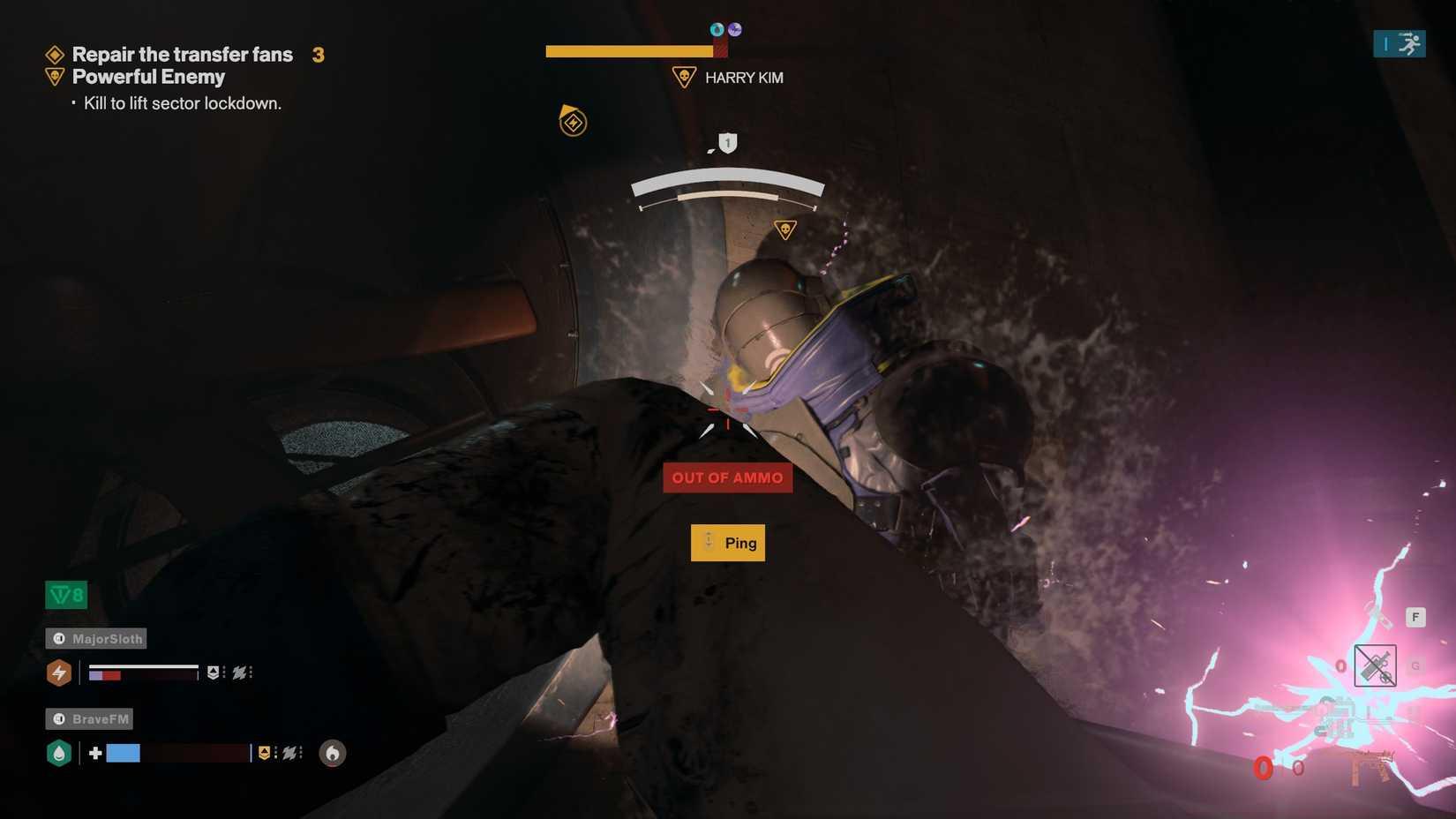
Image: Remedy Entertainment via Polygon
Critical Infrastructure Repair: Mission success heavily depends on maintaining functional showers and ammunition booths at area entry points. Showers eliminate all negative status effects, while ammo stations ensure sustained combat capability. Pro tip: Repair these facilities before engaging enemies to create fallback positions.
Environmental Awareness: The Oldest House’s shifting architecture means navigation markers change frequently. Pay attention to subtle environmental cues like flickering lights or unusual wall patterns that indicate nearby resources or hidden threats.
Effective combat in FBC: Firebreak requires careful weapon selection and tactical awareness. Understanding weapon limitations and team dynamics significantly impacts mission success rates.
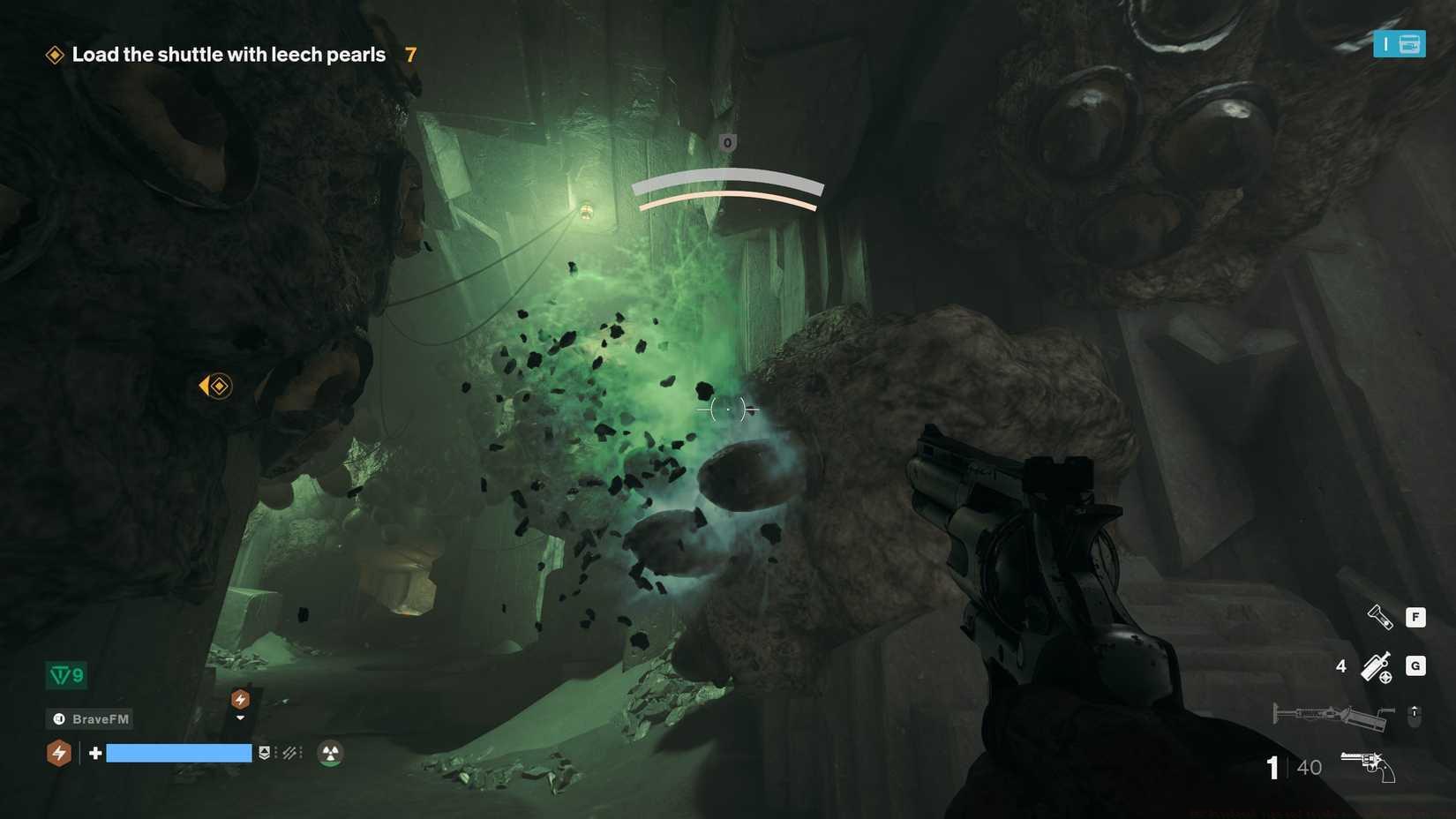
Image: Remedy Entertainment via Polygon
Weapon Efficiency Analysis: Avoid reliance on shotguns and bolt-action rifles due to their limited capacity and extended reload durations. These weapons prove particularly inefficient during solo operations or two-agent teams where sustained firepower matters more than per-shot damage. Instead, prioritize automatic weapons with higher ammunition capacity and faster reload cycles.
Friendly Fire Mechanics: Team coordination requires careful aim management as friendly fire remains active throughout all operations. This mechanic emphasizes the importance of positioning and communication, especially in confined spaces common within The Oldest House. Consider practicing target identification in safer environments before high-stakes missions.
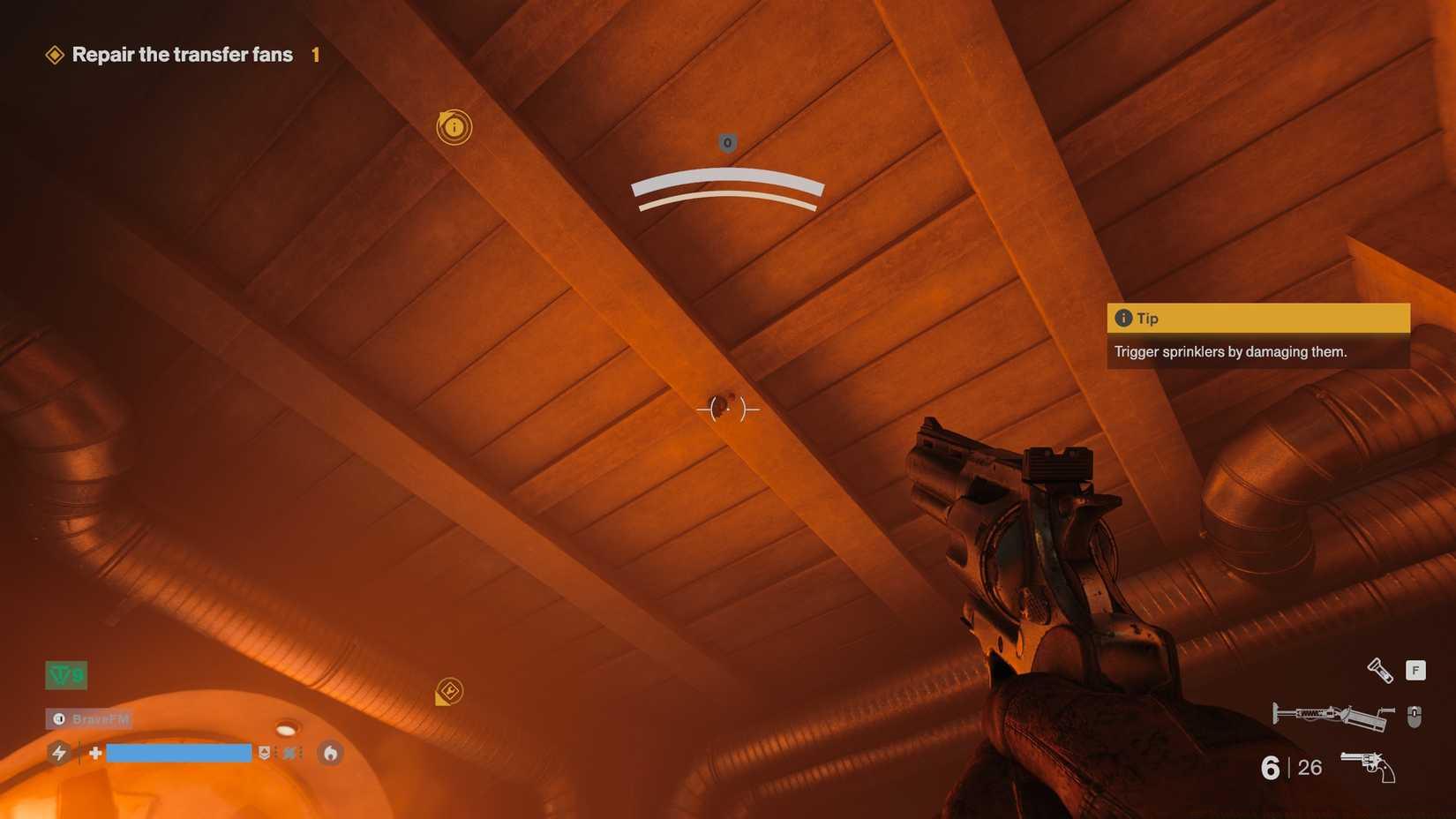
Image: Remedy Entertainment via Polygon
Solo Play Considerations: While clearing missions alone presents greater challenges, it eliminates unreliable teammate variables. Solo agents benefit from controlled revive rationing and simplified coordination. However, this approach demands superior weapon proficiency and resource management skills.
Team Formation Strategy: Maintain close proximity with teammates to facilitate rapid revives and combined firepower. Manual revives conserve organizational resources compared to requesting replacement agents, making team cohesion economically advantageous.
Beyond basic survival, mastering FBC: Firebreak requires understanding advanced tactical systems and adaptive strategies for varying mission conditions.
Dynamic Loadout Management: Utilize elevator and safe room access points to modify job kits and equipment configurations as mission requirements evolve. This flexibility allows agents to counter specific threats or optimize for particular objectives without restarting entire operations. For comprehensive equipment strategies, consult our Weapons Unlock guide.
Team Role Specialization: Coordinate complementary job kits among team members to create balanced squads capable of handling diverse challenges. Understanding class synergies significantly improves mission efficiency—learn more in our detailed Class Guide.
Resource Conservation Techniques: Experienced agents recommend conserving special ammunition and abilities for emergency situations rather than standard encounters. This disciplined approach prevents resource depletion during critical boss fights or unexpected enemy reinforcements.
Progressive Difficulty Management: As you advance through The Oldest House, enemy patterns become more complex and environmental hazards increase. Develop situational awareness by studying enemy behavior during initial encounters to prepare for later, more challenging variations.
For those seeking comprehensive strategic overviews, our Complete Guide provides extensive coverage of advanced tactics and meta-strategies for mastering FBC: Firebreak’s most demanding content.
Action Checklist
- Activate all safe rooms immediately upon discovery
- Repair showers and ammo booths before engaging enemies
- Select automatic weapons over shotguns/bolt-action rifles
- Maintain team proximity for efficient revives
- Adapt loadouts in elevators/safe rooms as needed
No reproduction without permission:Game Guides » FBC Firebreak tips and tricks to know before starting Essential survival strategies and advanced tactics for mastering FBC: Firebreak's challenging gameplay mechanics