
TL;DR
- Focus on weapon quests first in each region to gain combat advantages early
- Prioritize hot springs and bamboo strikes for permanent health and resolve upgrades
- Master environmental navigation using golden birds, wind, and steam indicators
- Always interact with NPCs to uncover hidden quests and essential information
- Specialize in either standoff or stealth skill trees based on preferred playstyle
Navigate the breathtaking landscapes of Ezo with these essential starting strategies
Embarking on your Ghost of Yōtei journey presents a vast, immersive world filled with opportunities. Sony’s acclaimed samurai adventure immerses you in expansive fields teeming with activities. You’ll discover layered quests, numerous side objectives, concealed collectibles, and hidden treasures scattered across Ezo. As with any open-world experience, the initial immersion can feel overwhelming. These foundational Ghost of Yōtei strategies will guide you through the dense world while providing crucial early-game advantages.
Your first glimpse of Ghost of Yōtei‘s map might trigger initial apprehension. The display reveals an extensive continent that appears overwhelmingly large. Rest assured: you won’t need to traverse the entire territory. Your exploration focuses on specific interconnected biomes within the mapped area, with occasional excursions into grayed-out zones for platforming sequences or secondary missions. While the map exceeds Tsushima‘s scale and maintains comparable activity density, there’s no cause for alarm.
Ezo offers numerous open-world discoveries, but two activities demand immediate attention. Immersing yourself in hot springs permanently boosts your maximum health—crucial for surviving intense duels. Bamboo strikes provide equally vital benefits, as successfully completing these rhythm-based challenges grants additional resolve points used for executing powerful combat techniques.
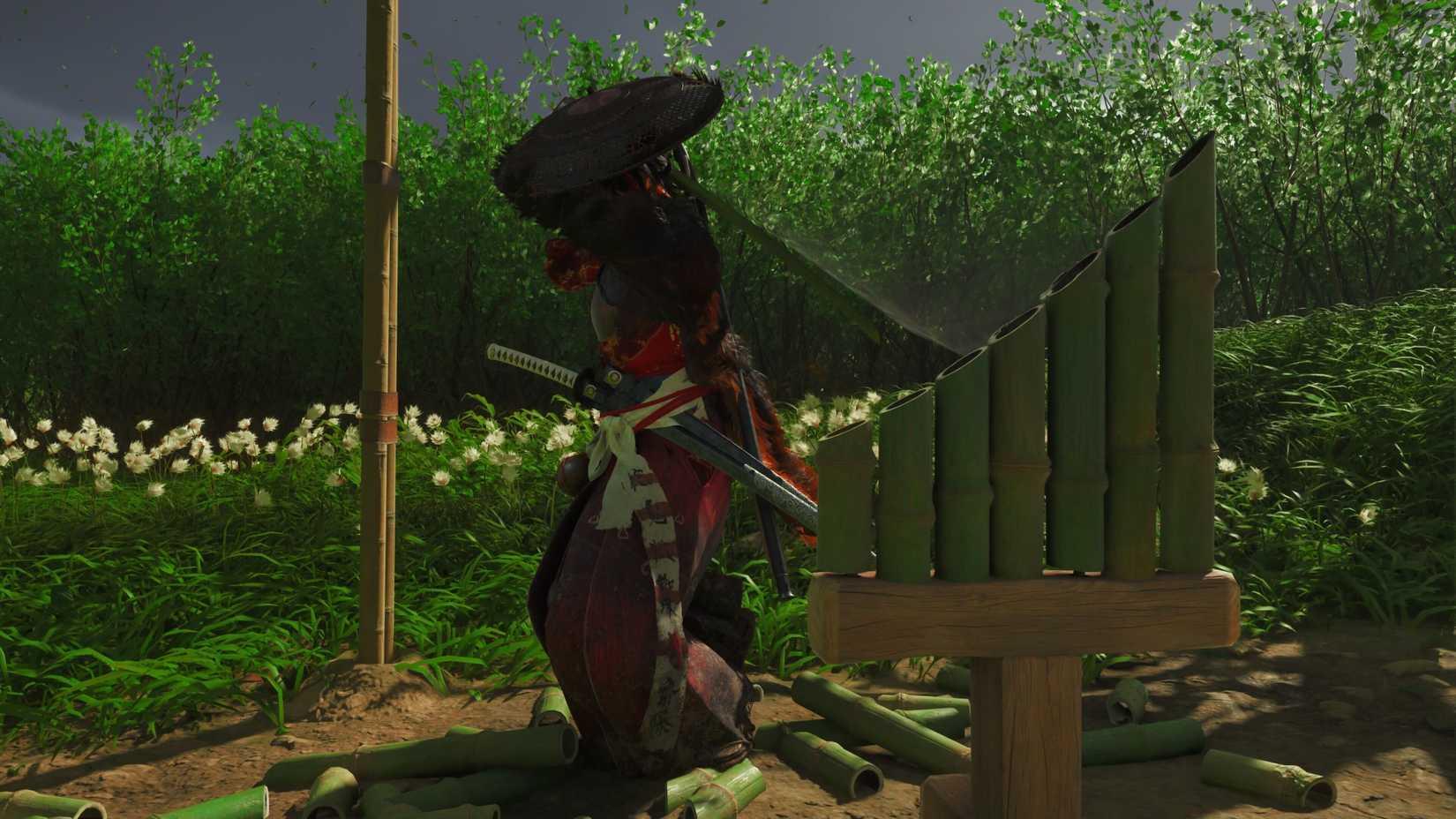
Image: Sony Interactive Entertainment via Polygon
Strategic Priority: Allocate your first exploration sessions to locating these upgrades. Health enhancements from hot springs provide cumulative survival benefits, while resolve points from bamboo strikes enable more frequent special ability usage during combat encounters. Seasoned players recommend identifying 3-4 of each within your starting region before advancing the main narrative.
Similar to its predecessor, Ghost of Yōtei employs organic world navigation that minimizes traditional UI reliance. The environment itself provides directional guidance through intuitive visual language. When a golden bird appears nearby, follow its flight path to discover hidden activities. Your current objective direction is indicated by wind patterns flowing toward your destination. Distant steam plumes signal nearby hot spring locations.

Navigation Mastery: Early attention to these environmental indicators significantly enhances exploration fluidity. Unlike games relying heavily on map markers, Yōtei‘s system encourages observational skills and environmental awareness. Common mistakes include ignoring golden birds during combat or failing to recognize wind pattern changes when objectives update.
If you typically bypass optional character dialogues, adjust this habit immediately. Conversing with non-playable characters proves essential in Ghost of Yōtei, serving as your primary method for uncovering side missions, activity locations, and valuable intelligence. Critically, these interactions can reveal leads that advance main storyline quests during your information-gathering phases.
Interaction Strategy: Approach every encountered character, even those appearing insignificant in fields or remote locations. However, maintain combat readiness—some seemingly friendly NPCs may initiate ambushes. These encounters often provide unique combat challenges and valuable rewards, making the risk worthwhile for prepared players.
While major settlements host various important vendors, the wandering cartographer becomes your most valuable resource. This specialized NPC sells maps revealing locations of open-world activities like bamboo strikes. Purchasing a map initiates a treasure hunt where you must match geographical details on the purchased scroll with your environment.

Image: Sony Interactive Entertainment via Polygon
Acquisition Strategy: Though purchase quantities are limited, completing a map immediately unlocks another acquisition opportunity. For players pursuing comprehensive upgrades, prioritize clearing the cartographer’s available maps upon entering new territories. This systematic approach ensures you never miss crucial upgrade opportunities while exploring fresh regions.
Yōtei introduces significant combat evolution from Tsushima: protagonist Atsu utilizes distinct weapons rather than Jin’s stance system. While visually diverse, this system functions similarly—each weapon type proves effective against specific enemy categories. Consequently, acquiring all weapons early becomes paramount, even if it requires regional hopping.
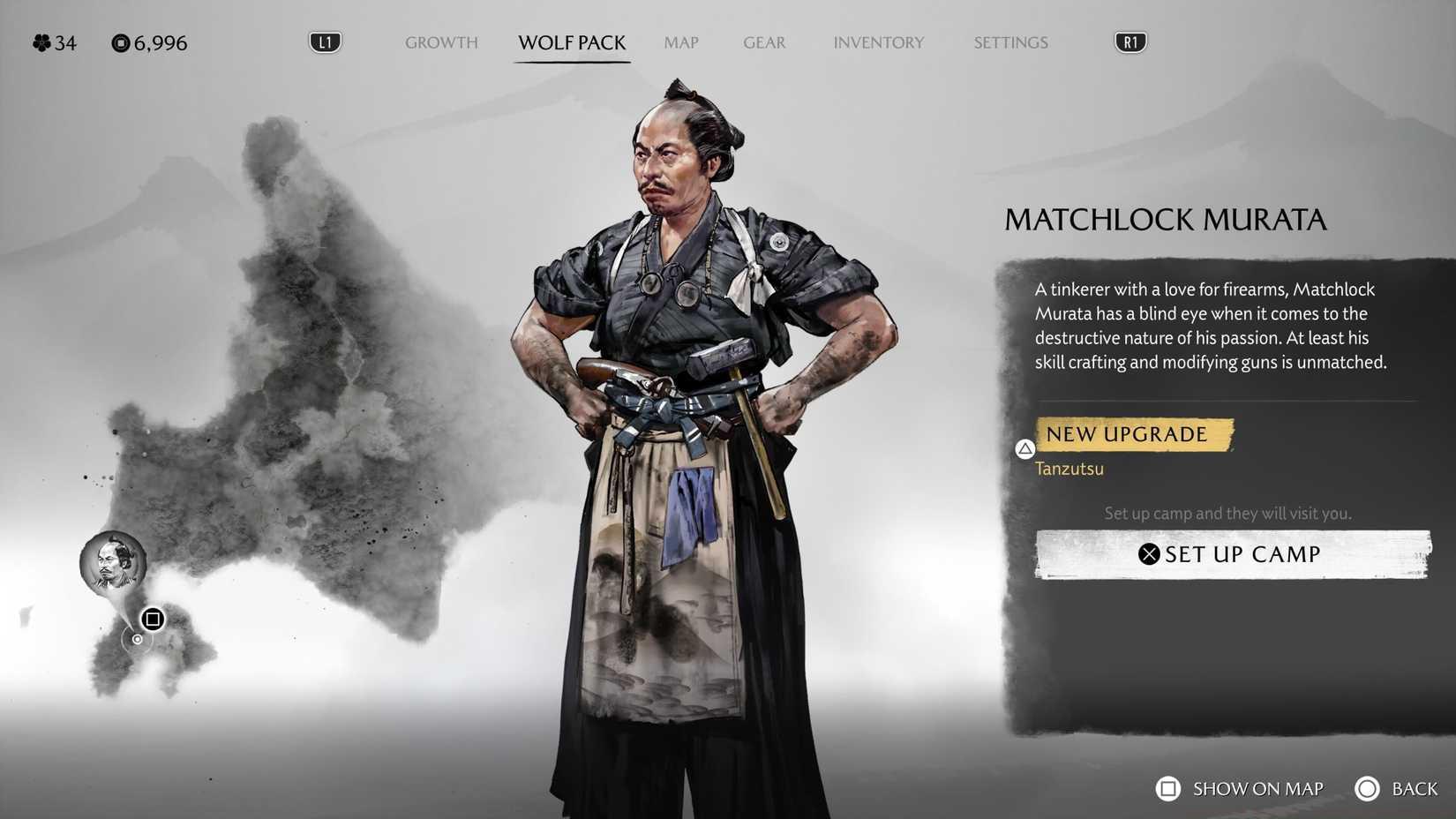
Image: Sony Interactive Entertainment via Polygon
Quest Sequencing: New regions introduce weapon quests alongside primary story missions. Complete these weapon assignments first—delaying them results in unnecessarily challenging combat encounters where you lack optimal tools. This progression strategy mirrors effective approaches in our Weapons Unlock guide for maximizing combat efficiency.
Yōtei revolutionizes quest management through an intuitive card-based interface on the map screen. This system allows seamless scrolling through various mission types and real-time tracking once mastered. Uncertain about which quests merit immediate attention? Scrutinize each card’s lower section displaying reward types.
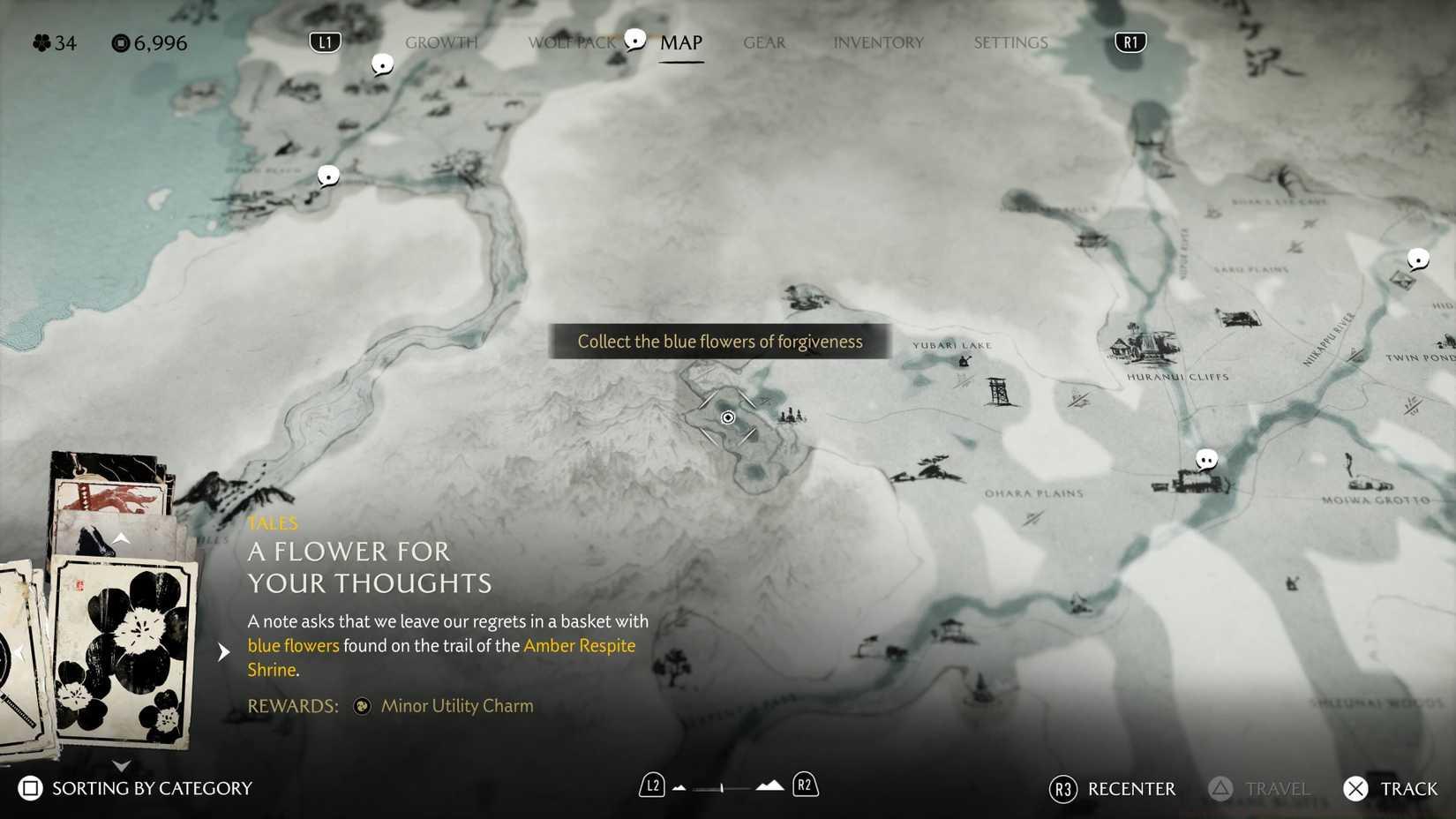
Image: Sony Interactive Entertainment via Polygon
Reward Evaluation: Card bottoms clearly indicate whether you’ll receive significant upgrades like new throwable items or charm enhancements. This transparency enables strategic quest selection based on your current build requirements and missing equipment, similar to mission assessment in our Complete Guide to objective prioritization.
Atsu accesses multiple specialized skill trees rather than a single universal progression system. While eventual completion of all trees is possible, I recommend concentrating early efforts on either standoff or stealth assassination enhancements based on preferred combat approach. Standoff upgrades enable eliminating up to four adversaries simultaneously (requiring specific weapon unlocks and wolf rescues for maximum potential), while stealth improvements facilitate extended assassination chains.
Combat Preparation: Both specializations effectively reduce enemy numbers before direct confrontations when executed properly. Your choice should align with natural playstyle preferences—aggressive players benefit from standoff investments, while methodical approaches favor stealth. This specialization principle applies similarly to our Class Guide for role optimization in team-based gameplay.
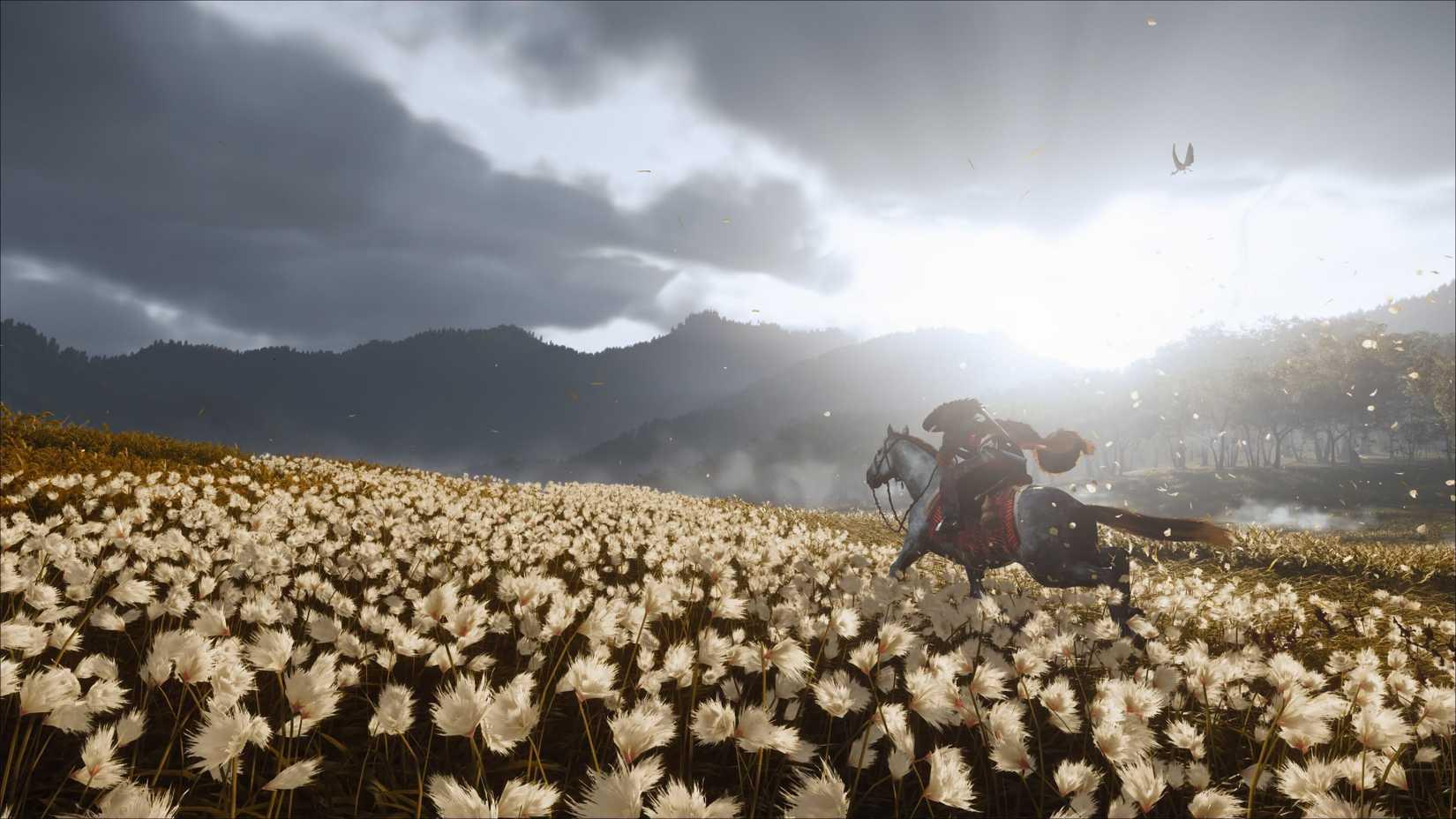
Image: Sucker Punch Productions/Sony Interactive Entertainment via Polygon
Action Checklist
- Complete weapon quests immediately upon entering new regions
- Locate and utilize 3 hot springs and bamboo strikes in starting area
- Purchase and complete all available cartographer maps in current territory
- Specialize in either standoff or stealth skill tree based on playstyle preference
- Master environmental navigation using golden birds, wind, and steam cues
No reproduction without permission:Game Guides » Ghost of Yōtei beginner’s tips to know before you start Master Ghost of Yōtei's expansive world with essential navigation, combat, and progression strategies for beginners