
TL;DR
- Gpk~ rates his TI14 performance 7-8/10, emphasizing continuous improvement mindset
- BetBoom chose coaching change with rmN- despite boo1k’s successful tenure
- Kiritych’s less aggressive style contrasts with Pure’s approach but requires adaptation time
- Team struggles with over-aggression and meta adaptation post-TI14
- Heroic identified as the only team showing innovative play this season
Games and Esports Articles Dota 2
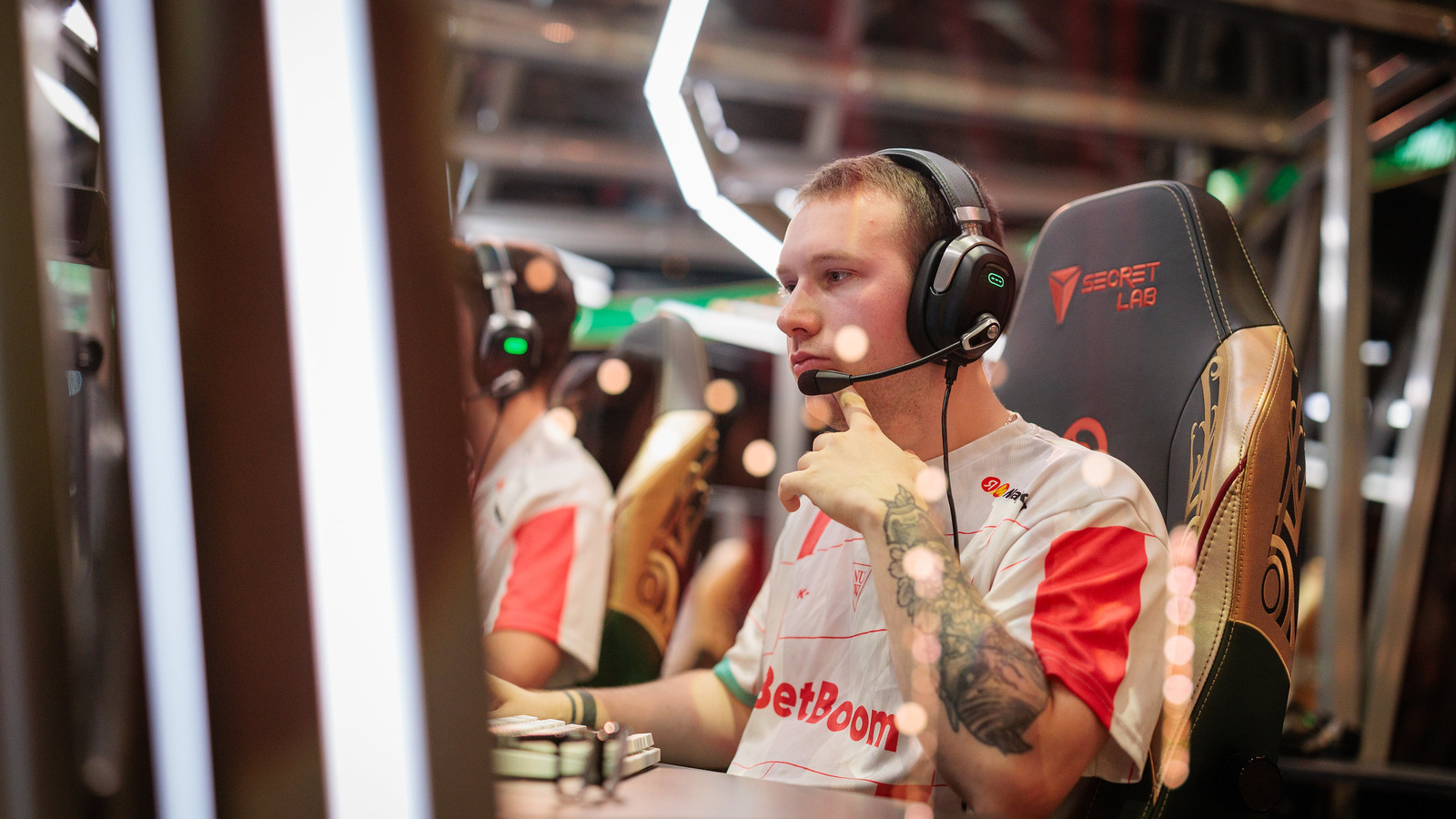
In an exclusive interview at FISSURE Playground #2, BetBoom Team midlaner Danil “gpk~” Skutin provided deep insights into his TI14 performance assessment, team dynamics, and strategic adjustments for the new competitive season. The conversation revealed both personal growth perspectives and organizational decision-making processes.
— Following TI14, your post-event interview suggested potential team changes. Did you seriously consider leaving BetBoom?
— The speculation was somewhat overstated. While roster adjustments were inevitable across the scene, my primary contemplation involved taking another competitive break. However, the collective decision to maintain continuity and build momentum from season start outweighed personal considerations. We recognized the necessity of establishing early season form to secure tournament invitations through consistent performance.
— You previously mentioned wanting an extended break but couldn’t take one. What prevented this?
— Professional Dota 2 operates on tight seasonal timelines where delayed entry creates significant competitive disadvantages. Teams must accumulate qualification points from the outset, making early season participation strategically crucial for major event access later in the year.
— During TI14’s group stage, you assessed your form at 7/10. How would you evaluate your overall tournament performance, especially considering your impressive playoff showing?
— I maintain that 7-8 rating reflects my comprehensive performance. Competitive excellence involves perpetual refinement – there’s always room for incremental improvement regardless of results. This mindset drives my approach to professional development.
— Did you review your TI14 matches to identify potential improvements?
— Absolutely. Video analysis revealed moments where increased composure would have benefited our strategic execution. Not necessarily anxiety-driven, but instances of forced plays that disrupted our natural rhythm. Better emotional regulation facilitates clearer communication and more coordinated team movements during high-pressure situations.
— Your longtime coach boo1k departed post-TI14. Despite community criticism, players consistently praised him. What specific responsibilities did he handle?
— His primary function involved supporting our drafting personnel while establishing foundational gameplay frameworks covering the critical first 10 minutes. He defined priority structures for the 10-18 minute phase: essential objectives versus expendable resources. Throughout mid and late game scenarios, he coordinated our team movements and strategic positioning.
— How influential was he during draft phases?
— While providing valuable input, the core hero selection decisions originated from players themselves. The dynamic resembled collaborative drafting rather than coach-directed picks, with final determinations emerging from player consensus.
— What prompted the separation? How do teams typically reach such consequential decisions?
— We collectively determined a directional change was necessary. Retention remained possible, but we opted for fresh strategic perspectives. The effectiveness of this decision will ultimately reveal itself through competitive results.
— Some argue that prolonged coaching relationships in Dota 2 diminish effectiveness, while new coaches introduce innovative concepts. Do you share this perspective?
— Both approaches possess merit. Our successful tournament performances under boo1k’s guidance demonstrated the value of continuity. However, incorporating new personnel enables comprehensive system rebuilding from fundamental principles upward.
— Why select rmN- given his two-year coaching hiatus?
— Among several candidates, we determined rmN- offered intriguing potential. His recent matchmaking participation provides contemporary meta insights that complement our strategic development needs.
— What initial benefits have emerged from this new collaboration?
— He contributes innovative concepts observed during high-level pub matches. When identifying draft patterns, he suggests complementary hero selections we might otherwise overlook. Our openness to experimentation allows testing these suggestions in competitive environments.
— Was Team Secret’s Puppey genuinely considered as a coaching option?
— To my knowledge, Puppey emerged as a suggestion rather than a seriously discussed candidate. The organization evaluated multiple profiles before settling on our current direction.
— Your carry position underwent testing with bottega before selecting Kiritych. What determined this outcome?
— Previous experience with Kiritych provided established understanding of his capabilities. While bottega demonstrated impressive mechanical skill and strategic understanding during scrims, we prioritized immediate competitive readiness over developmental potential for this season.
— So you essentially chose proven experience over emerging talent for faster results?
— Precisely. The current competitive landscape demands rapid adaptation and consistent performance from season start.
— How has Kiritych adapted, and what distinguishes his playstyle from Pure’s approach?
— He demonstrates significantly less insistence on personal preferences. Rather than forcing specific strategies, he observes team directives before contributing supplementary ideas. This collaborative approach contrasts with more assertive styles but requires synchronization time, as evidenced by our disappointing BLAST qualifier performance where draft concepts and strategic execution faltered.
— BetBoom frequently receives criticism for overly aggressive engagements that cost winnable games. While previously attributed to Pure’s style, this pattern persists without him. What drives this tendency?
— Without concrete examples, pinpointing causes proves challenging. Potentially, heightened confidence and dopamine responses during crucial moments override strategic discipline. Maintaining clinical execution under pressure remains our development focus.
— Ace observed that measured, deliberate gameplay advantages teams like Falcons, characterizing them as inherently slow. Do you concur, and how does this approach align with BetBoom’s style?
— Contemporary Dota 2 accommodates diverse strategic approaches depending on hero selections. Nature’s Prophet midlane, for instance, establishes aggressive tempo where successful early game transitions to straightforward mid-game execution. Falcons effectively leverage Malr1ne’s distinctive strengths while supporting him with consistently lane-dominant teammates across other positions.
— Missing BLAST Slam #4 playoffs undoubtedly disappointed. Would you attribute this to unfavorable matchups or internal performance issues?
— Luck played minimal factor. Given opportunity to replay our decisive match against Spirit, we’d execute with significantly improved precision. Our meta comprehension during that tournament proved inadequate – scrim hero selections translated poorly to official matches. Post-TI14 meta evolves cyclically: successful strategies get systematically countered, especially following balance patches that nerf previously dominant heroes.
— Do you anticipate improvement moving forward? Have you identified better hero choices?
— Tournament performance will ultimately demonstrate our progress, but current trajectory appears positive. Substantial hero pool refinements and strategic adjustments address previous shortcomings.
— Which teams impressed you during season start? For instance, Tundra shows resurgence post-roster changes despite disappointing TI, while MOUZ also delivered surprising performances.
— Heroic stands alone as genuinely impressive. Their innovative concepts and cohesive execution merit close observation this season. Other squads maintain familiar patterns, and while Tundra acquired Pure, his development within their system requires further observation.
Who is next Dota 2 hero Bard Frog. Release date, abilities, role, leaks, rumors about new character in Dota 2
Every leak and announcement about the next hero in Dota 2.
Action Checklist
- Conduct systematic video review of TI14 matches focusing on decision-making under pressure
- Implement structured draft experimentation sessions with new coach input
- Develop personalized composure techniques for high-stakes tournament moments
- Create meta adaptation protocol for post-major tournament periods
- Establish regular scrim review processes to identify aggression pattern triggers
No reproduction without permission:Game Guides » Gpk~: “I rate my TI14 performance a 7-8. You can always play better. There’s no limit to perfection”Exclusive Gpk~ reveals TI14 reflections, coaching changes, and BetBoom's competitive strategy for the new Dota 2 season