
TL;DR
- Call stations require proximity detection and appear as tall antennas with flashing lights
- Supply drops emit visible flares that attract both enemy players and ARC units
- Each call station is single-use only and features randomized spawn locations per match
- Successful looting requires breaching containers for ammo, crafting materials, and survival gear
- Strategic positioning and timing are crucial to avoid detection during extraction
Mastering supply acquisition represents a critical survival skill in Arc Raiders, where resources often determine mission success or failure.
Supply drops function as essential resource caches containing vital materials for sustained operations. These valuable packages don’t appear spontaneously—they require activation through specialized call stations scattered throughout the combat zones.
The “A Better Use” quest introduces this mechanic early, teaching players to locate call stations, request supplies, and secure the delivered resources. Understanding this system early provides significant tactical advantages throughout your raiding career.
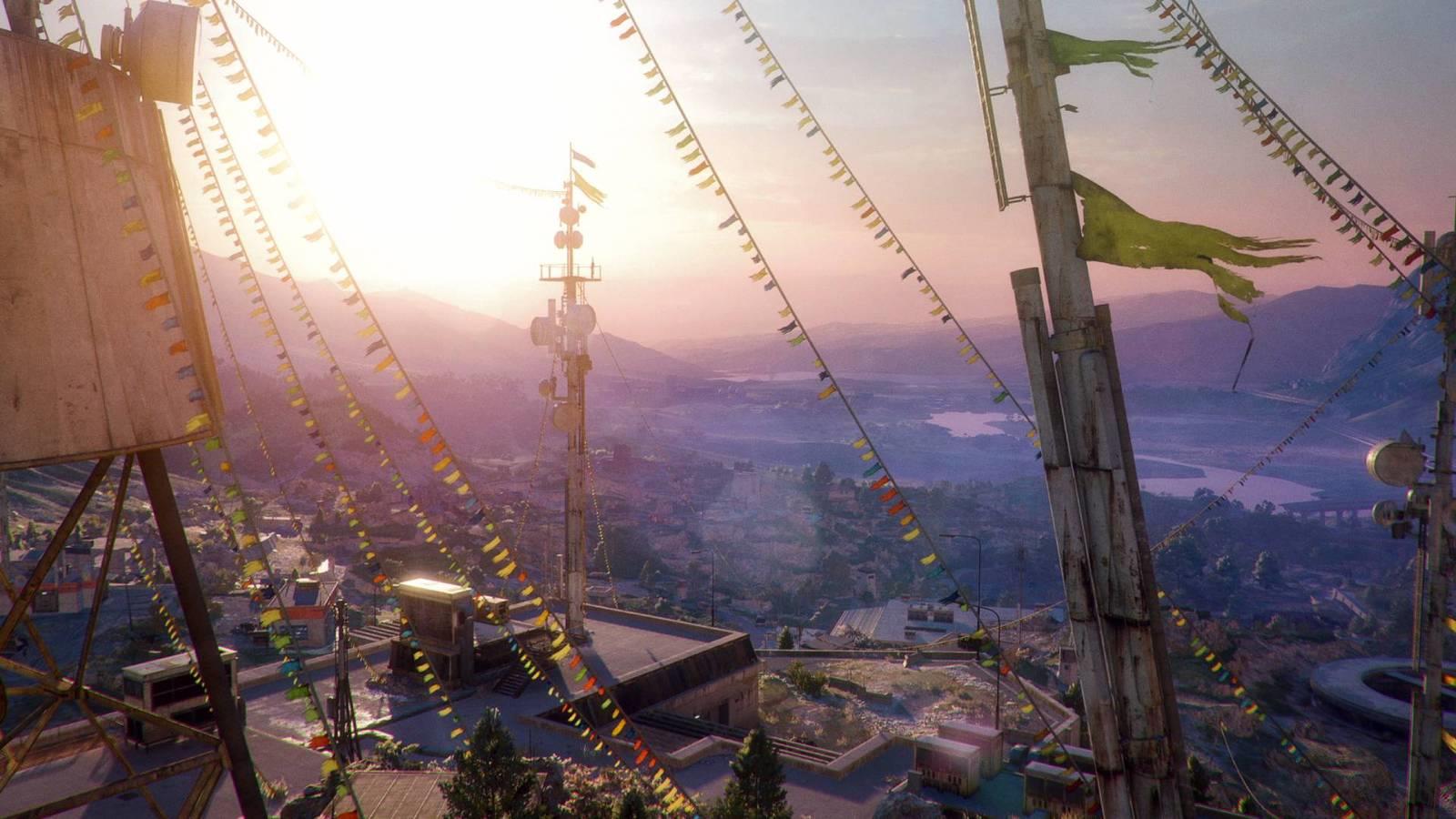
Call stations present distinct visual identifiers that experienced raiders learn to recognize quickly. These structures resemble tall communication poles topped with satellite dishes and prominent flashing beacons.
Map integration follows specific rules: call stations remain invisible on your tactical display until you approach within approximately 50 meters. This proximity-based revelation system encourages thorough exploration and situational awareness rather than simple waypoint following.
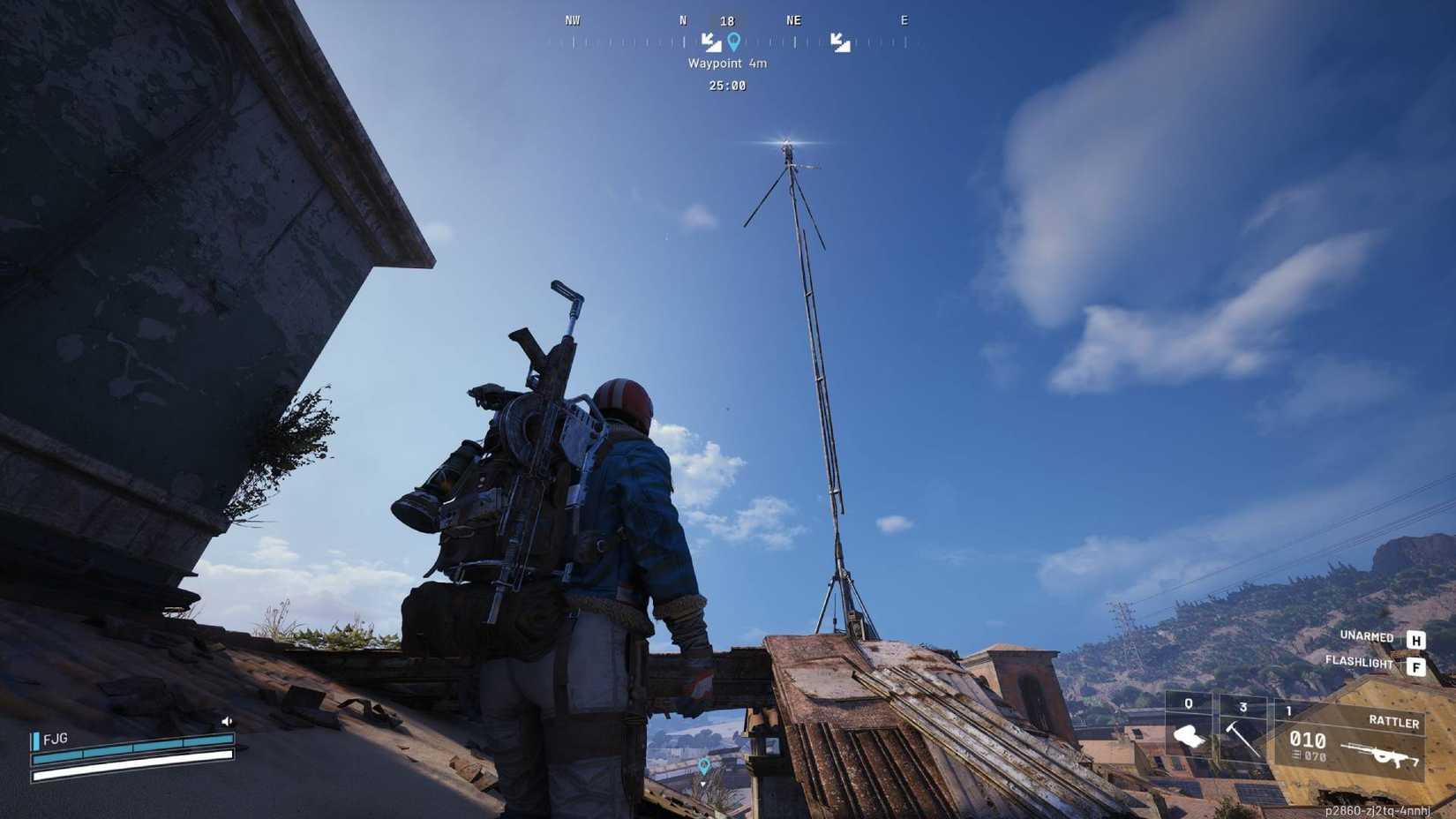
Image: Embark Studios via Polygon
Spawn mechanics incorporate randomization elements—call stations don’t occupy fixed positions match-to-match. Instead, they appear within designated areas according to weighted probability systems. This prevents predictable farming while encouraging adaptive navigation strategies.
Advanced location tactics include scanning horizon lines for antenna silhouettes and monitoring your minimap for sudden icon appearances as you traverse terrain. High-ground positions often provide superior sightlines for early detection.
Activating a supply drop requires direct interaction with the control panel at the call station’s base. This straightforward process carries significant tactical implications that novice players often underestimate.
The activation sequence triggers an audible alert and launches a bright flare high into the airspace. This visual and auditory signature broadcasts your position to every entity within visual range—including hostile ARC units and competing raider squads.
Critical security consideration: The flare’s visibility radius extends approximately 300 meters in clear conditions, creating a substantial detection risk. Always assess your surroundings before initiation, considering both immediate threats and potential third-party interference.
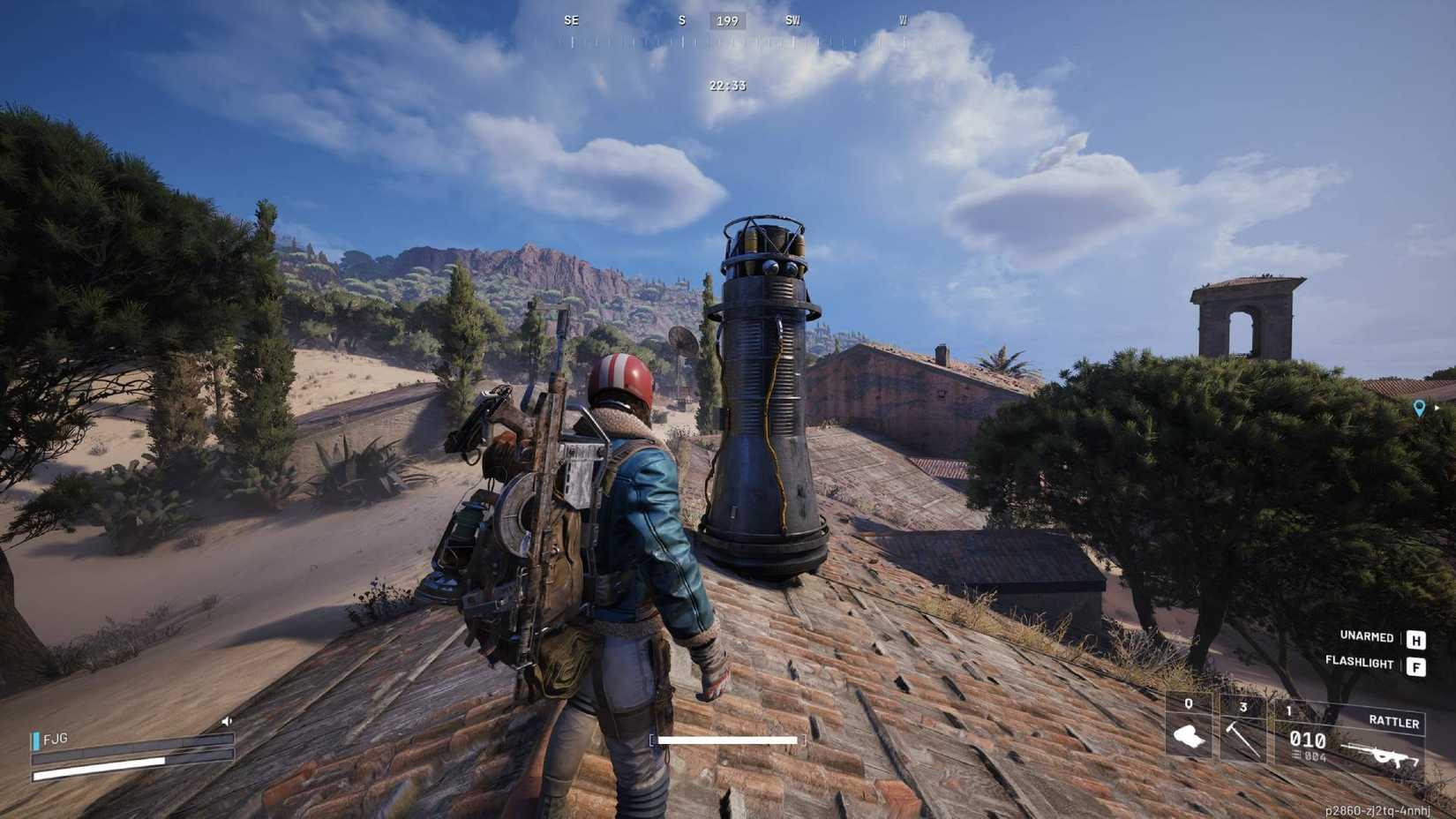
Image: Embark Studios via Polygon
Successful call station usage demands rapid departure from the activation site after initiating the sequence. Remaining stationary near the call station makes you vulnerable to ambushes from players and ARC forces drawn by the signal.
Supply drops land within 30-60 seconds of activation, typically within 100 meters of the call station. The landing zone often becomes an immediate hotspot for conflict, requiring swift and secure looting procedures.
Container breaching represents the final step in the supply acquisition process. These reinforced crates require specialized tools or forceful methods to open, during which time you remain vulnerable to attack.
Standard supply drop contents include ammunition reserves, crafting components, medical supplies, and occasionally specialized equipment. The quantity and quality often scale with match progression and current threat levels.
Pro tip: Deploy tactical equipment like smoke grenades or decoy devices before approaching landed supply drops. These countermeasures provide visual cover and audio misdirection, significantly improving survival rates during extraction.
If you discover an inactive call station, this indicates another player has already utilized it during the current match. Each station provides single-use functionality only, reinforcing the importance of rapid response when visual confirmation occurs.
Different combat zones feature distinct call station placement patterns that influence strategic approaches. Learning these environmental nuances separates proficient raiders from novice operators.
Dam Battlegrounds typically features 5-7 potential call station spawn points concentrated around the central dam structure and peripheral industrial areas. These locations often provide limited cover, requiring careful approach vectors.
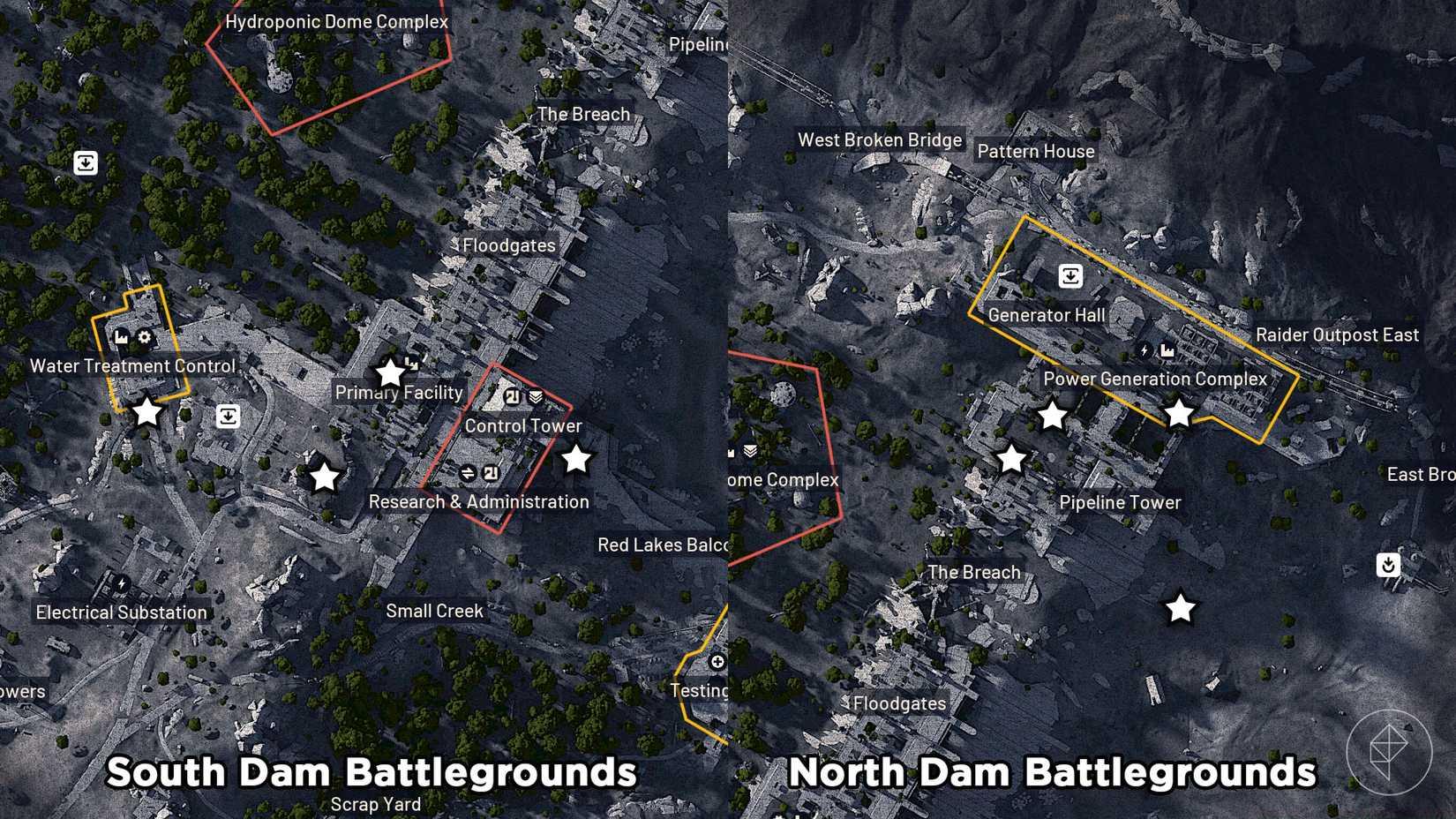
Graphic: Johnny Yu/Polygon | Source images: Embark Studios via Polygon
Buried City’s urban environment offers both challenges and advantages for supply drop operations. The dense architecture provides numerous concealment options but also creates potential ambush points around call stations positioned on rooftops and plazas.
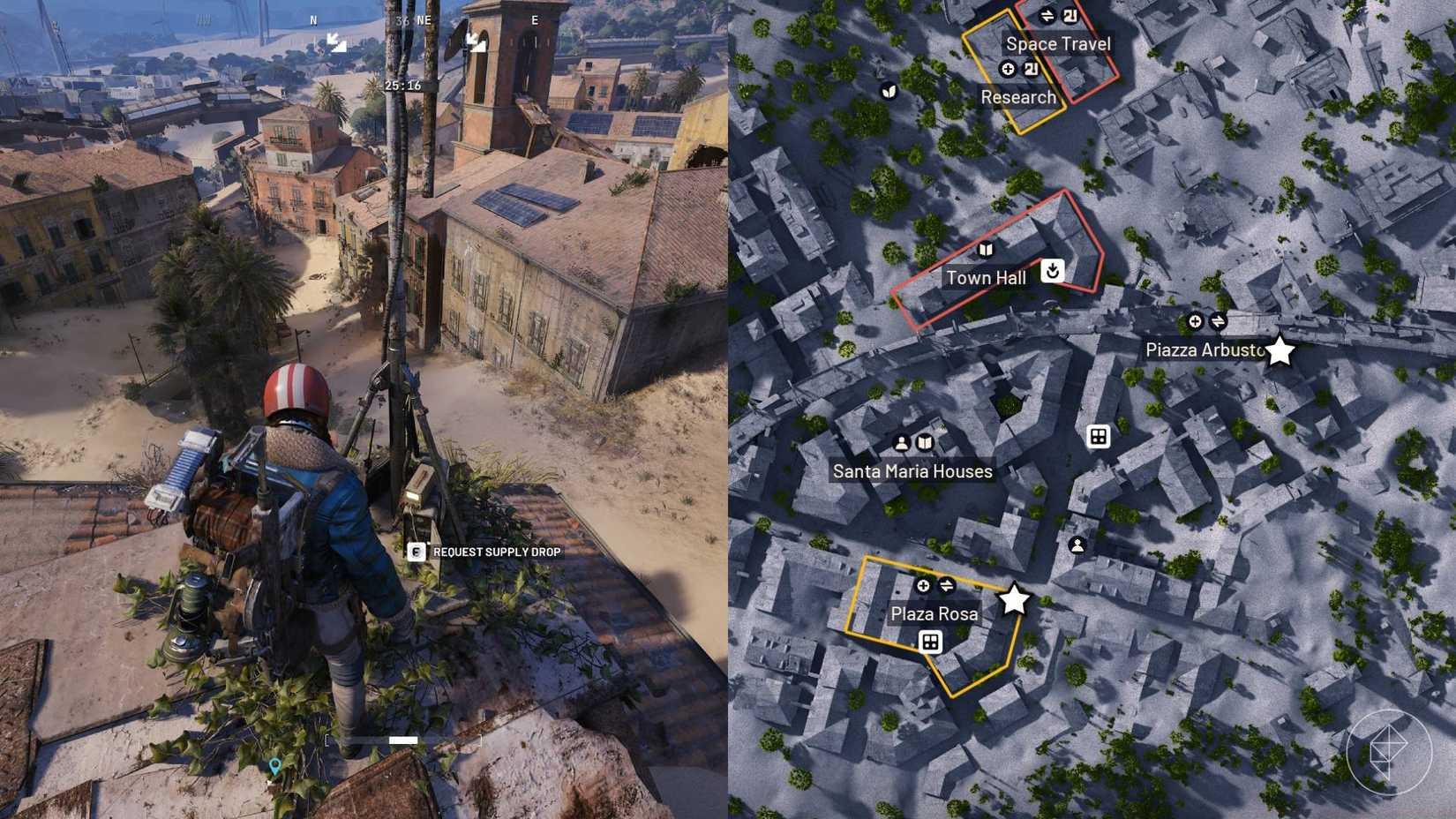
Graphic: Ford James/Polygon | Source images: Embark Studios via Polygon
For comprehensive tactical knowledge, consult our Complete Guide to understand how supply systems integrate with broader combat mechanics across different game modes and environments.
Location rotation follows semi-predictable patterns—while exact positions vary, zones with higher player traffic typically feature reduced call station spawn rates, encouraging exploration of less-contested areas.
Action Checklist
- Scan horizons for antenna structures while moving between objectives
- Check minimap frequently for proximity-based call station icons
- Assess surrounding threats before activating any call station
- Prepare tactical equipment before calling supply drop
- Execute immediate repositioning after flare launch
- Deploy security measures before approaching landed supply drop
No reproduction without permission:Game Guides » How to call a supply drop in Arc Raiders Master supply drop mechanics in Arc Raiders with strategic positioning and risk management tactics