
TL;DR
- Nightreign’s revive system requires dealing damage to downed teammates within 45-second windows
- Daggers provide fastest melee revives while ranged weapons offer safety from distance
- Ultimate Arts can revive multiple teammates simultaneously with proper coordination
- Team positioning and weapon selection significantly impact revival success rates
- Failed revives reset progress to last Site of Grace or safe checkpoint
Surviving the Perilous Expedition
When embarking on your initial journey through Elden Ring Nightreign’s treacherous landscapes, anticipate frequent casualties among your squad. Fortunately, permanent demise isn’t inevitable. Nightreign introduces an innovative revive teammates mechanism that defies conventional multiplayer expectations.
The revival process in Nightreign operates through an unconventional damage-based system that many players find counterintuitive initially. This comprehensive guide details how to revive teammates in Elden Ring Nightreign effectively, supplemented with advanced tactics to maximize your squad’s survival potential.
Following a lethal encounter, characters enter a specialized near-death state, visually represented by a segmented timer bar on your interface. This countdown typically expires within 45 seconds, though strategic damage application to incapacitated allies can temporarily halt the depletion process. Be aware that extended pauses between attacks will resume the timer’s countdown, creating urgency in your revival efforts.
During this critical window, fallen comrades can be restored through either close-quarters or long-range assaults from surviving team members. As damage accumulates on the downed player, the circular indicator above their avatar gradually diminishes. Complete depletion of this radial meter resurrects the player with approximately 40% of their maximum health pool.
Should the revival window expire unsuccessfully, the deceased player regenerates at the most recent Site of Grace or nearest secure location. Catastrophic team wipes during Nightlord encounters result in expedition termination, automatically transporting all players back to the Roundtable Hold with progress reset.
The necessity to inflict damage on allies for revival purposes contradicts traditional multiplayer healing paradigms. Your weapon selection directly influences revival difficulty—slower, harder-hitting weapons complicate teammate restoration. These proven strategies will extend your operational longevity and optimize revival efficiency.
- Equip ranged weapons on melee-focused classes. Distance revival capabilities provide crucial tactical flexibility. Players frequently collapse adjacent to formidable enemies, making ranged options essential for maintaining safe positioning while executing revives. Even primary melee specialists should allocate one weapon slot exclusively for ranged revival utility.
- Daggers deliver the fastest ally resuscitation. Among Elden Ring Nightreign’s arsenal, daggers offer unparalleled attack speed, making them ideal for rapid melee-based teammate restoration. Their quick successive strikes rapidly deplete the revival meter while minimizing exposure time.
- Leverage Character Ultimate Arts strategically. Since revival mechanics correlate with damage output, high-impact ultimate abilities can resurrect players during critical situations. Coordinated teams can cluster downed members, enabling Guardian’s or Ironeye’s ultimate arts to restore multiple teammates simultaneously. Revenant class players can exploit their invulnerability ultimates for instant revives within effective range.
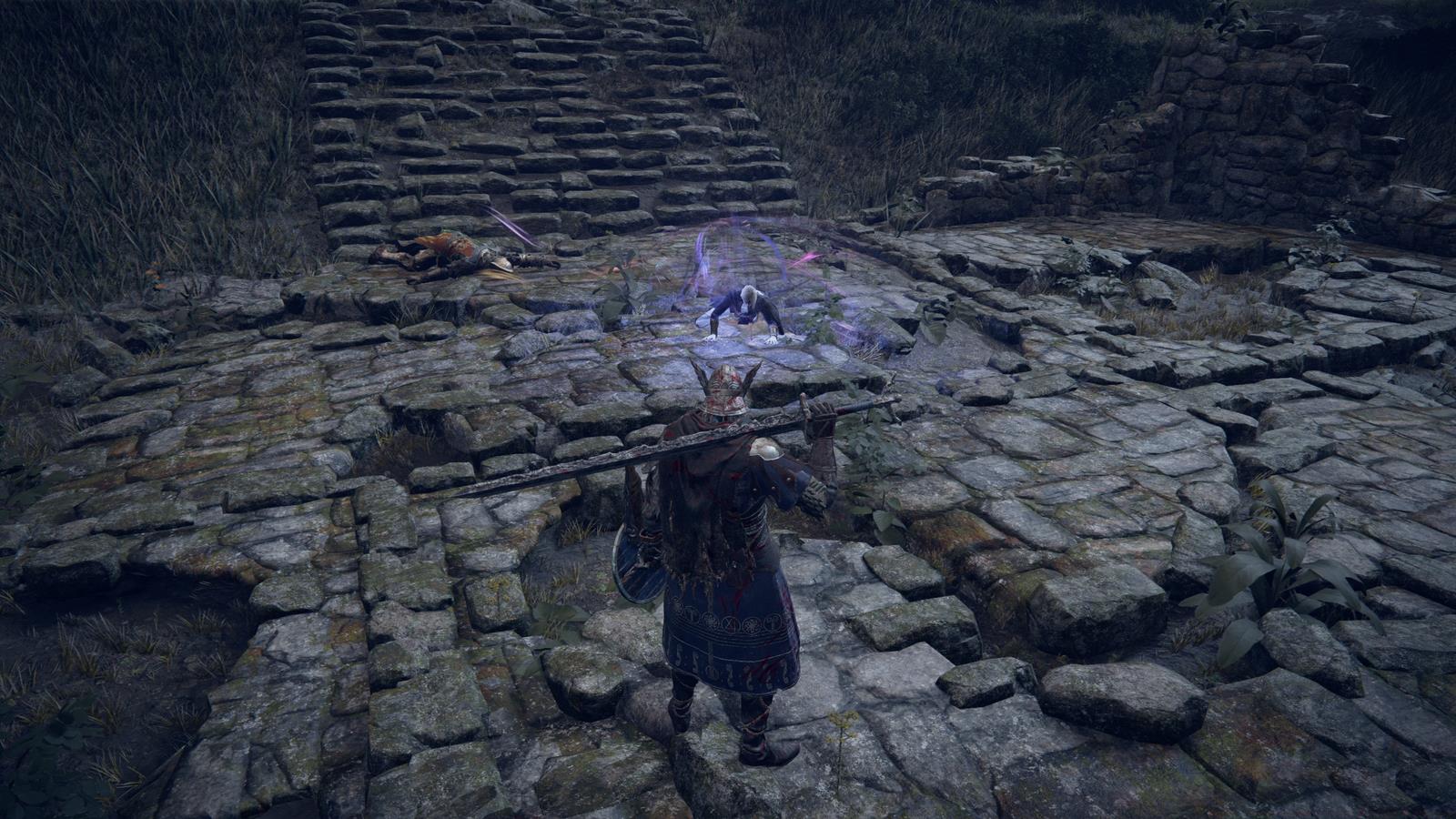
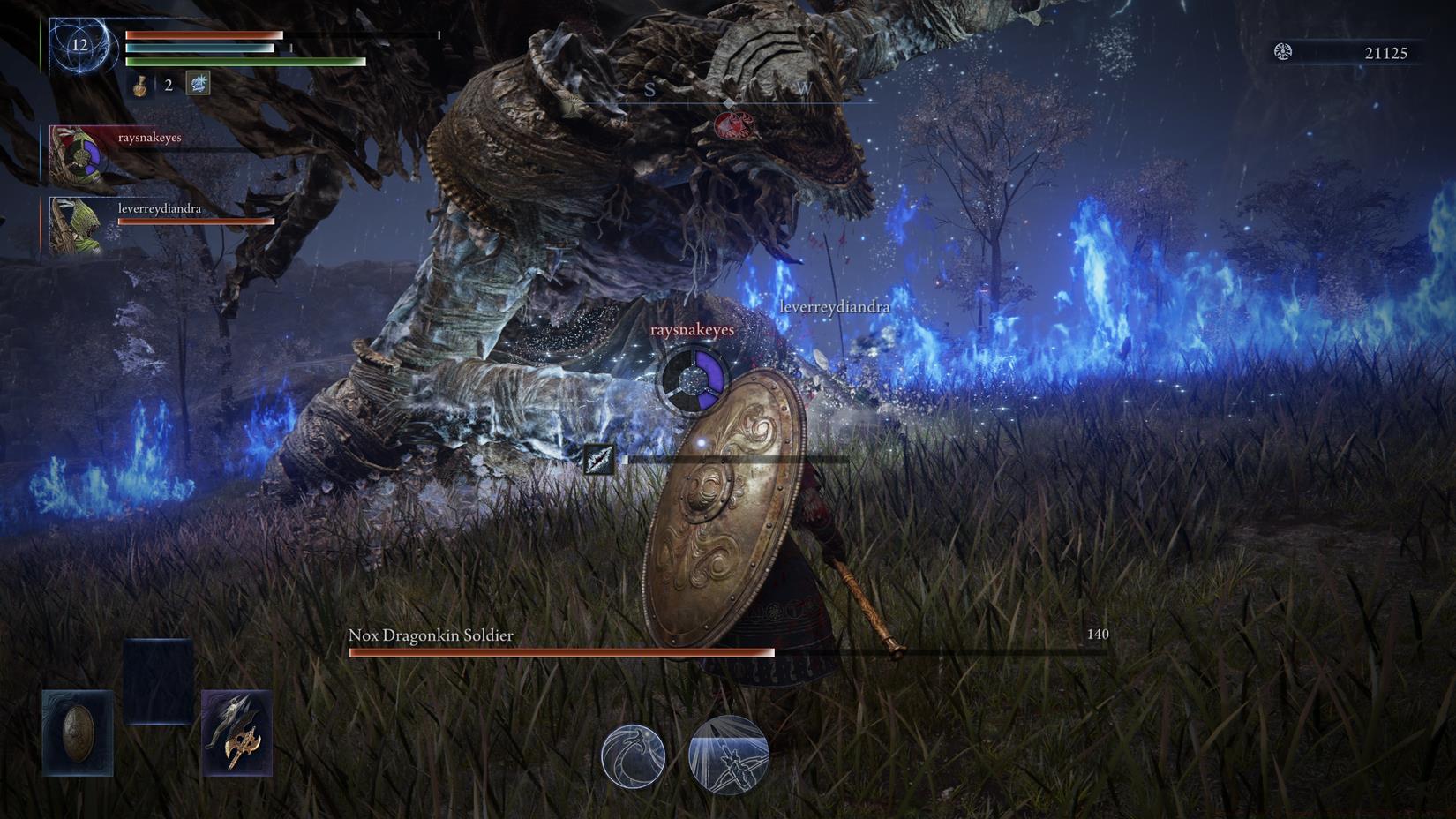
Image: FromSoftware/Bandai Namco via Polygon
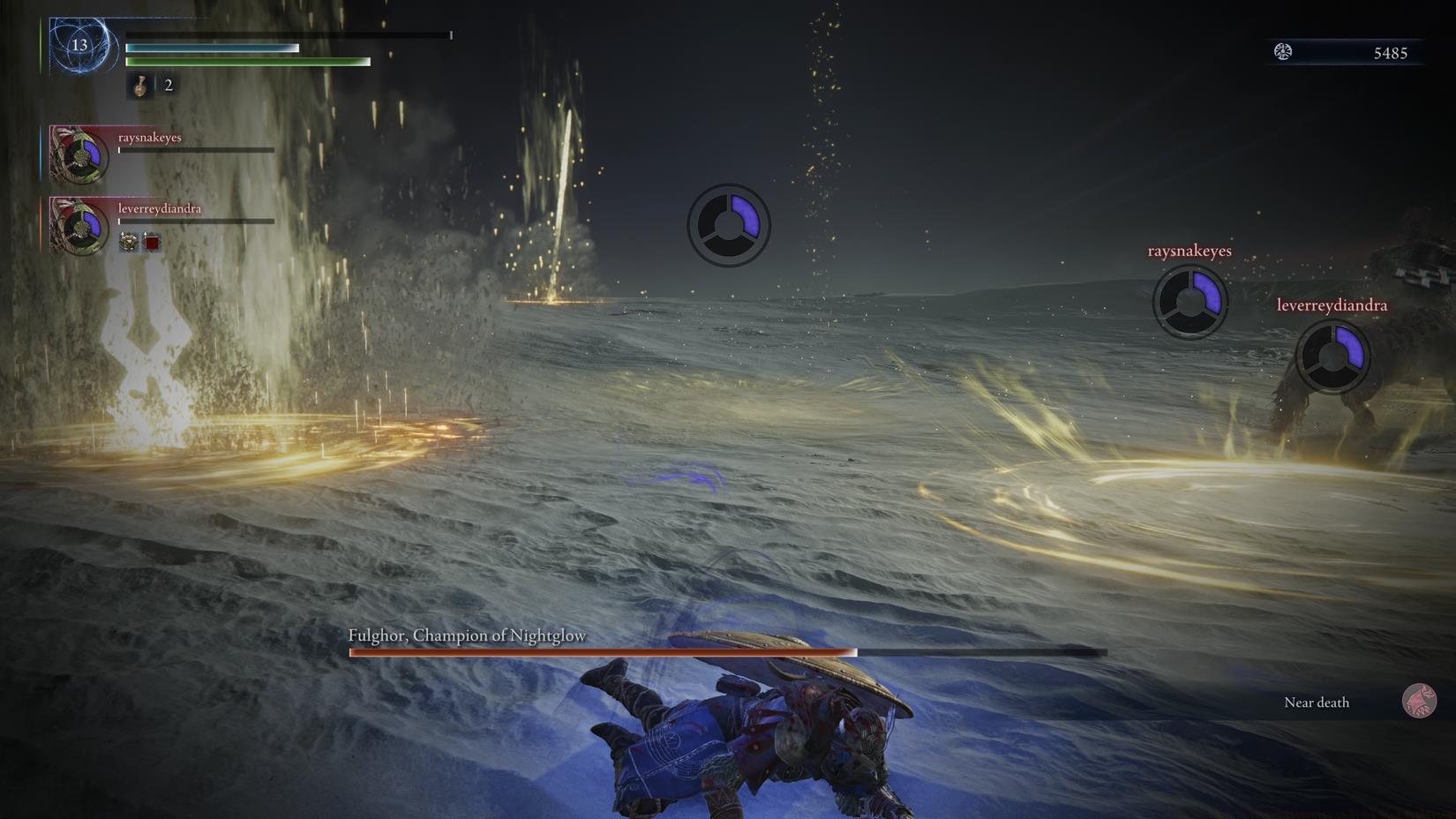
Image: FromSoftware/Bandai Namco via Polygon
Beyond basic mechanics, mastering Nightreign’s revival system requires sophisticated tactical understanding. Optimal positioning significantly impacts revival success—downed players near environmental hazards or enemy spawn points create high-risk scenarios. Designate specific team members as dedicated “medics” equipped with rapid-fire weapons, while others focus on crowd control.
Team composition dramatically influences revival efficiency. Balanced squads containing both ranged specialists and melee fighters adapt better to diverse combat situations. Consider incorporating our comprehensive Class Guide to optimize your team’s synergy and revival capabilities.
Avoid these common revival mistakes: neglecting to monitor the 45-second timer, using slow heavy weapons for revives, and poor positioning that leaves revivers vulnerable. Successful teams communicate revival priorities and coordinate Ultimate Art usage for maximum efficiency.
For players seeking to deepen their understanding of Nightreign’s combat systems, our Weapons Unlock guide provides essential information on acquiring optimal revival tools. The damage-per-second characteristics of different weapons directly impact revival speed, making informed weapon selection crucial.
Advanced squads can exploit environmental elements during revives—using terrain for cover while performing ranged revives or baiting enemies away from downed teammates. These sophisticated tactics separate proficient teams from novice groups and significantly increase expedition success rates.
For comprehensive strategic guidance covering all aspects of Nightreign gameplay, consult our extensive Complete Guide containing advanced tactics, enemy patterns, and progression optimization.
Action Checklist
- Equip daggers or fast weapons for rapid melee revives
- Assign ranged weapons to melee classes for safe distance revives
- Coordinate Ultimate Arts for multi-player revives during boss fights
- Practice positioning to minimize revival vulnerability
- Establish communication protocols for revival priority
No reproduction without permission:Game Guides » How to revive teammates in Elden Ring Nightreign Master Elden Ring Nightreign's unique revive mechanics with expert strategies for team survival