
TL;DR
- Access move management through the X-button menu system without NPC tutors
- Monitor lightbulb icons and evolution notifications for new move availability
- Use the ‘change moves’ option to teach, replace, or relearn any move
- Strategic move selection prevents overwriting valuable combat techniques
- Level restrictions apply – high-level moves require appropriate Pokémon levels
When your Pokémon companions develop inspiration for new combat techniques, the crucial question becomes: how do you transform these ideas into actual battle capabilities?
To equip your Pokémon with newly acquired techniques or restore previously known moves in Pokémon Legends: Z-A, you’ll navigate to a dedicated menu option specifically designed for this purpose. Continuing the evolution seen in contemporary Pokémon titles, this installment eliminates the traditional move tutor NPC system. Instead, comprehensive move management happens entirely through intuitive menu interfaces!
This guide provides detailed instructions for teaching fresh techniques and recovering forgotten moves within Pokémon Legends: Z-A, including strategic considerations for optimal move set construction.

As your Pokémon gain experience levels, watch for the distinctive lightbulb symbol appearing adjacent to their names in the experience gain display area. This visual indicator signals that your Pokémon has conceptualized a new technique. Similarly, when Pokémon undergo evolution, they frequently generate notifications about newly conceived moves. Unlike earlier game versions where move learning happened automatically, Pokémon Legends: Z-A requires manual intervention through specific menu navigation to implement these freshly imagined techniques.
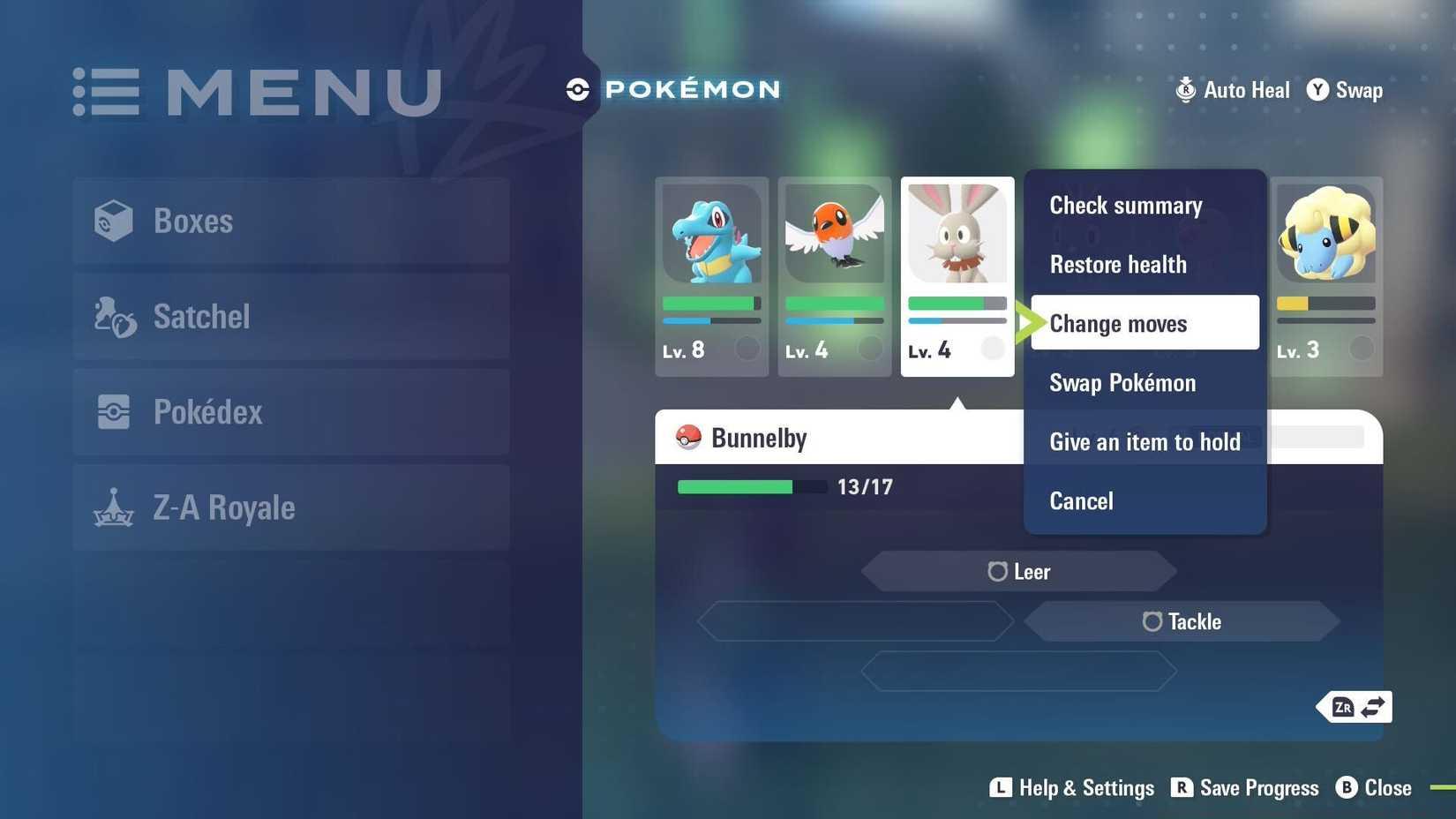
Image: Game Freak/The Pokémon Company, Nintendo via Polygon
Pro Tip: Regularly check your Pokémon’s status screen after significant level gains or evolution events. The lightbulb indicator can be easy to miss during intense gameplay sessions, and delaying move acquisition might leave your team underprepared for unexpected battles.
Implementing new moves requires following this systematic approach:
This streamlined process represents the complete methodology. Should you inadvertently replace a move you intended to retain, the same menu provides move relearning capabilities, eliminating concerns about permanent technique loss.
Strategic Insight: When building your Class Guide equivalent move sets, consider creating balanced combinations of offensive, defensive, and status-altering moves rather than focusing exclusively on high-damage techniques. This approach mirrors the strategic depth found in comprehensive Complete Guide resources for other games.
The move management system does have inherent limitations. You cannot utilize this method to teach level 70 techniques to level 30 Pokémon. Such advanced moves require patience until your Pokémon naturally conceptualizes them through level progression.
Common Strategic Errors:
Many trainers prematurely overwrite status-inflicting moves or stat-altering techniques in favor of immediately powerful attacks. This creates tactical vulnerabilities against opponents with resistance to your primary damage types. Similar to optimizing Weapons Unlock strategies in other games, thoughtful move selection proves more valuable than raw power alone.
Optimization Techniques:
• Maintain at least one move of each damage type (Physical, Special, Status) for versatility
• Preserve one “coverage” move that counters your Pokémon’s type weaknesses
• Regularly review move sets before major boss battles or competitive encounters
• Utilize the relearn function to experiment with different strategic combinations
Time Management: Allocate 5-10 minutes after each significant level milestone to review and optimize your team’s move sets. This minor time investment significantly enhances battle performance throughout your adventure.
Action Checklist
- Check for lightbulb icons after level gains or evolution
- Access move menu via X button and select ‘change moves’
- Balance move types (Physical/Special/Status) for combat versatility
- Preserve coverage moves that counter your type weaknesses
- Use relearn function to experiment with strategic combinations
No reproduction without permission:Game Guides » How to teach your Pokémon new moves in Pokémon Legends: Z-A Master Pokémon move management in Z-A with strategic tips for optimal battle performance