
TL;DR
- Ambush Hitting lets you predict pitch location by moving the right stick before delivery
- Use strategically in favorable counts (0-0, 3-1) to maximize your hitting strengths
- Analyze opponent patterns and pitcher tendencies for higher success rates
- Avoid using with two strikes unless extremely confident in your read
- Combine with hot zones and player attributes for optimal results
The ultimate test of your pitching intuition and predictive skills
Ambush Hitting represents a revolutionary addition to MLB The Show 25’s batting mechanics, providing players with a strategic pre-pitch prediction system that can dramatically influence at-bat outcomes. This advanced feature allows you to anticipate pitch location before the ball leaves the pitcher’s hand, creating opportunities for more powerful and accurate contact when executed correctly.
The fundamental mechanics of the Ambush system operate with elegant simplicity. While positioned at the plate, you can manipulate the right analog stick either left or right prior to the pitcher’s release to forecast which half of the strike zone the incoming pitch will target. Successful activation immediately modifies your hitting interface, expanding the contact zone on your predicted side while simultaneously reducing it on the opposite half. This visual adjustment significantly improves your chances of solid contact on correctly anticipated pitches while increasing the difficulty of connecting with deliveries to the unpredicted zone. Should you reconsider your prediction, simply clicking the right stick (R3 button) instantly resets and deactivates your selection.
Beyond the basic mechanics, understanding the timing window is crucial. You have approximately 1-2 seconds after the pitcher begins their windup to make your prediction, creating a narrow decision-making timeframe that rewards quick thinking and pattern recognition.
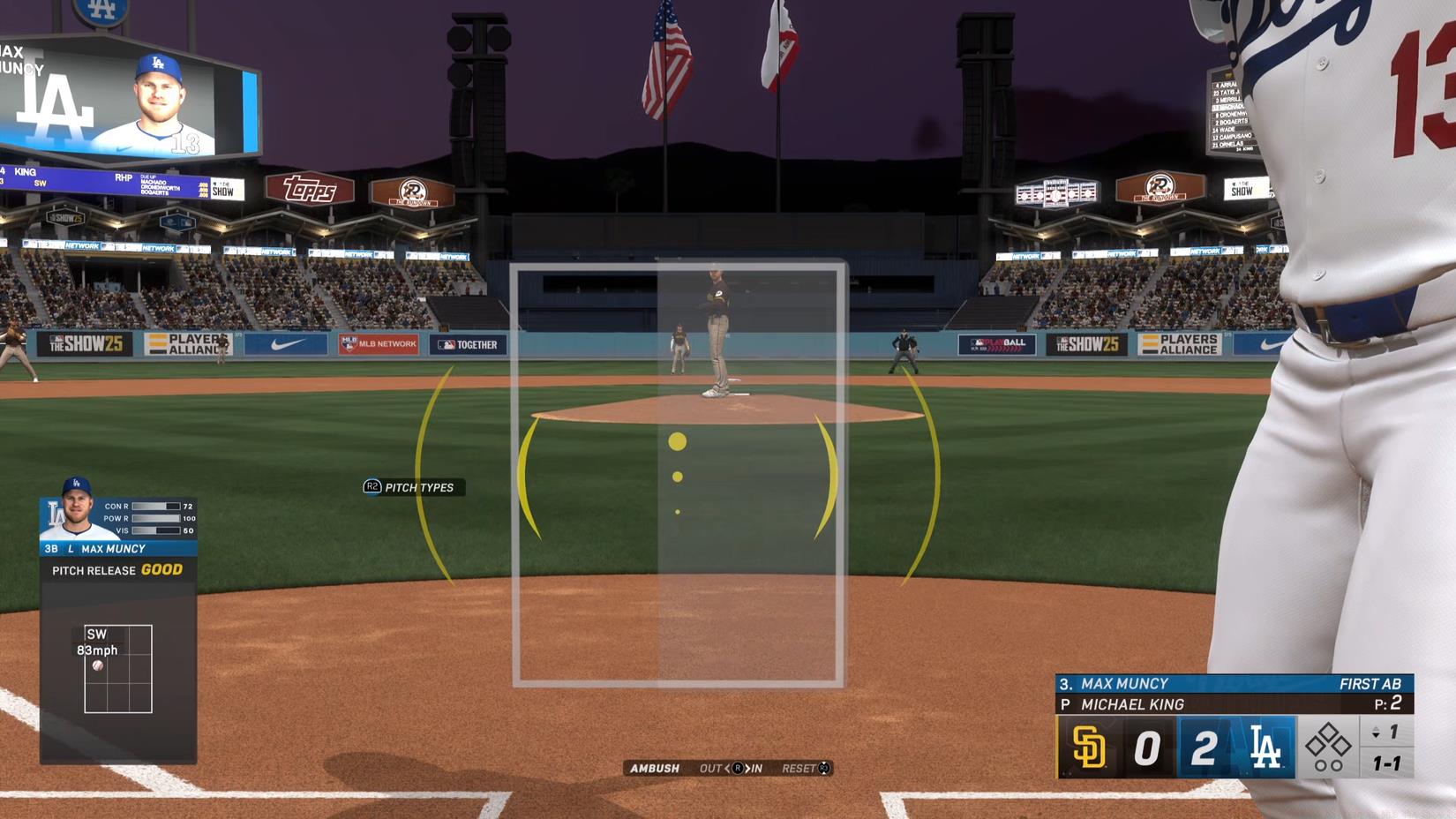
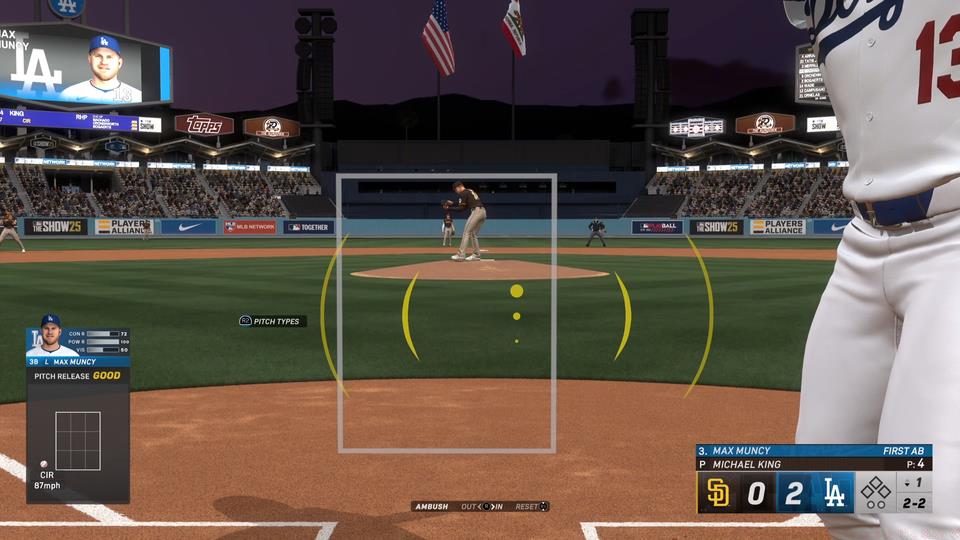
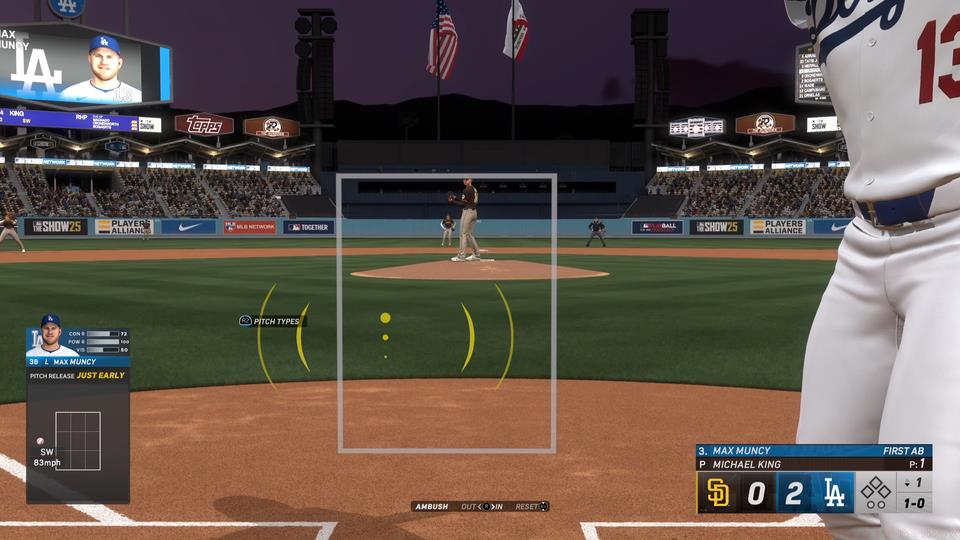
Addressing the most common question immediately: Ambush Hitting remains entirely optional throughout your MLB The Show 25 experience. Choosing not to utilize this feature carries no inherent penalties—you simply forgo both the potential advantages of correct predictions and the disadvantages of incorrect ones. The strategic decision of when to employ this system involves several nuanced approaches that can significantly impact your offensive production.
Primary implementation should occur during counts where you maintain plate discipline leverage, such as 0-0, 2-0, or 3-1 situations. These favorable circumstances allow you to direct your Ambush prediction toward the strike zone quadrant where you typically demonstrate superior hitting proficiency, then patiently await pitches in that specific area. Essentially, deploy Ambush Hitting during plate appearances where you can afford selectivity, concentrating your focus on a single strategic zone rather than the entire strike zone.
Consider this practical application: many experienced players initiate at-bats by activating Ambush Hitting on the outer portion of the plate for opening pitches, specifically anticipating low breaking balls away. When pitchers deliver these anticipated pitches, the expanded contact zone frequently results in powerfully struck balls. If the pitcher avoids this location, simply take the pitch and reset, repeating this pattern until the count becomes less favorable. Furthermore, when utilizing the game’s hot zone display during batting, you can align your Ambush predictions with the plate sides where your batter exhibits more prolific hot zones. This approach proves most effective during advantageous counts, as two-strike situations dramatically reduce your selectivity options.

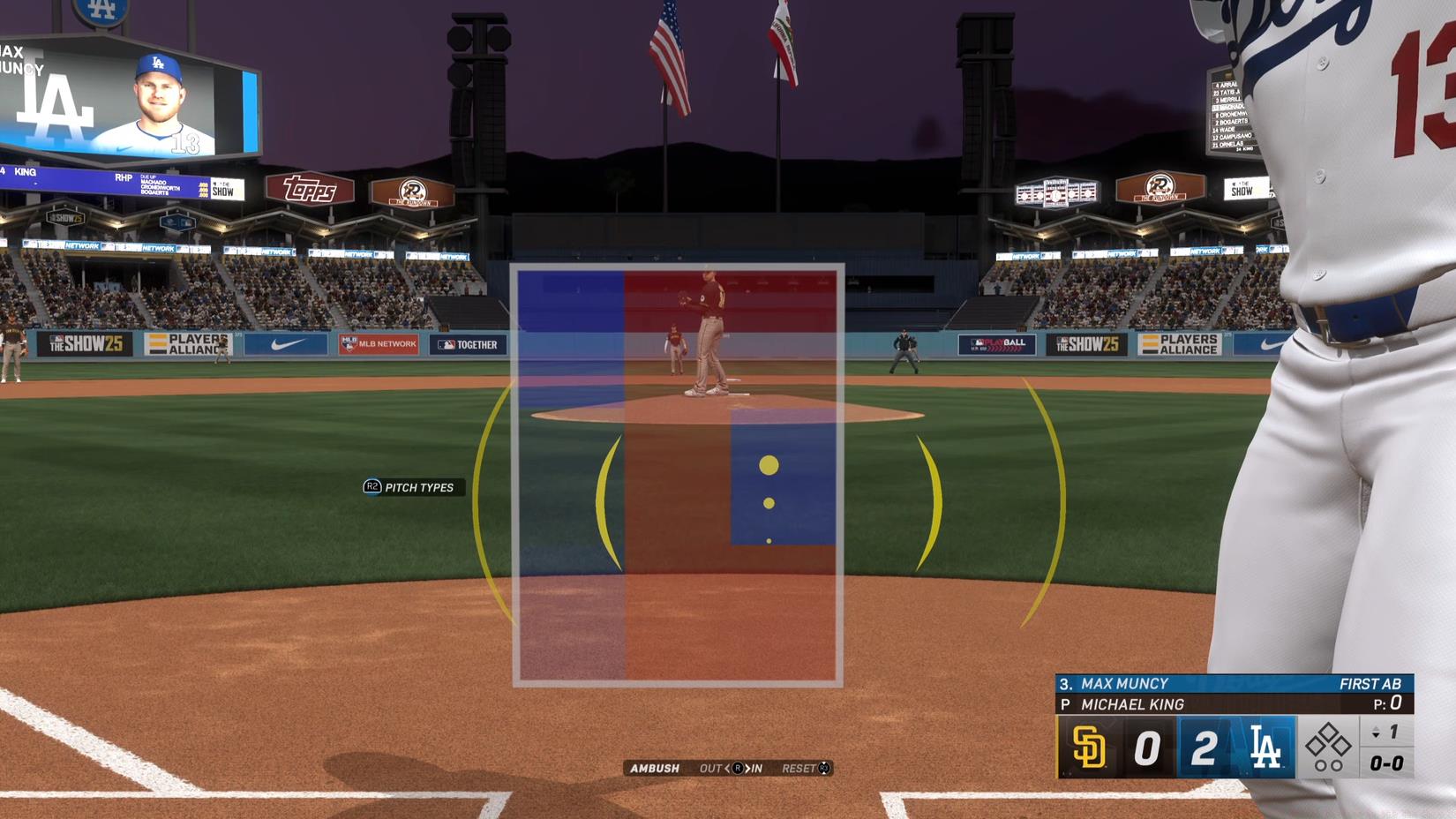
Image: SIE San Diego Studio/Sony Interactive Entertainment via Polygon
An alternative sophisticated approach involves meticulously tracking pitcher tendencies and opponent behavioral patterns. Many pitchers demonstrate distinct location preferences, particularly during specific hitter matchups, enabling you to predict their favored zones. Even more valuable is recognizing that numerous human opponents in online play develop reliable pitch sequences they consistently employ during high-pressure moments, regardless of their current pitcher’s attributes. Carefully monitor how frequently your opponent utilizes particular locations and in which situations they deploy them. Does this opponent consistently begin left-handed batters with high-inside fastballs? Do they rely on low-breaking curveballs as their primary strikeout weapons? Identifying these behavioral patterns substantially enhances your Ambush Hitting effectiveness and overall offensive approach.
Generally, avoid Ambush Hitting activation during two-strike counts unless you possess extreme confidence in your pitcher read. This mechanic fundamentally operates as a risk-reward scenario, and adopting a more defensive plate approach (even when utilizing contact swings) typically proves wiser when facing strikeout situations. However, properly executed Ambush Hitting can provide substantial offensive boosts during earlier counts—particularly when you’ve diligently studied your opponent’s pitching tendencies and patterns.
Advanced players should also consider batter attributes when making Ambush decisions. Power hitters benefit more from correct inside predictions, while contact hitters might prefer outside zones. The system also interacts with player Vision and Discipline ratings—higher Vision stats provide slightly larger expanded zones, while better Discipline ratings allow quicker deactivation when you recognize a pitch won’t hit your predicted zone.
Many players struggle with Ambush Hitting due to several recurring errors that can be easily corrected with proper understanding and practice.
Timing Activation Errors: The most frequent mistake involves activating Ambush too late in the pitching motion. Ideal activation occurs during the pitcher’s windup phase, giving you maximum time to read the pitch. Practice timing your stick movements to coincide with the pitcher’s leg lift or early arm motion.
Overcommitment to Patterns: While pattern recognition is valuable, becoming predictable with your Ambush selections allows skilled opponents to counter effectively. Vary your predictions based on count, situation, and your opponent’s adjustments. Remember that good players will notice if you always ambush the same zone in identical situations.
Ignoring Pitch Sequencing: Advanced pitchers use sequences to set up hitters. A fastball away might precede a breaking ball inside. Pay attention to these sequences rather than treating each pitch in isolation. This deeper understanding will significantly improve your prediction accuracy.
Failure to Reset: Many players forget they can deactivate Ambush Hitting by clicking R3. If you realize your prediction was wrong early in the pitch, don’t hesitate to reset and approach the pitch normally. This simple adjustment can save you from many poorly timed swings.
Action Checklist
- Practice activation timing during pitcher windup in practice mode
- Identify your batter’s strongest hitting zones through player attributes
- Analyze opponent pitching patterns across 2-3 innings before using Ambush
- Implement zone-specific strategies based on count leverage (0-0, 3-1 preferred)
- Master quick deactivation using R3 when predictions appear incorrect
No reproduction without permission:Game Guides » How to use Ambush Hitting in MLB The Show 25 Master MLB The Show 25's Ambush Hitting system with advanced strategies, timing tips, and expert techniques