
TL;DR
- Patch 7.33 significantly reduced mid lane’s individual impact, shifting focus to team coordination
- Kiyotaka’s career transformation demonstrates the importance of mental resilience and continuous improvement
- Current meta favors strong laning heroes but limits outplay potential in 1v1 scenarios
- Professional mid players must adapt by expanding hero pools and strategic flexibility
- Team dynamics and draft strategies now outweigh individual lane dominance
Games and Esports Articles Dota 2
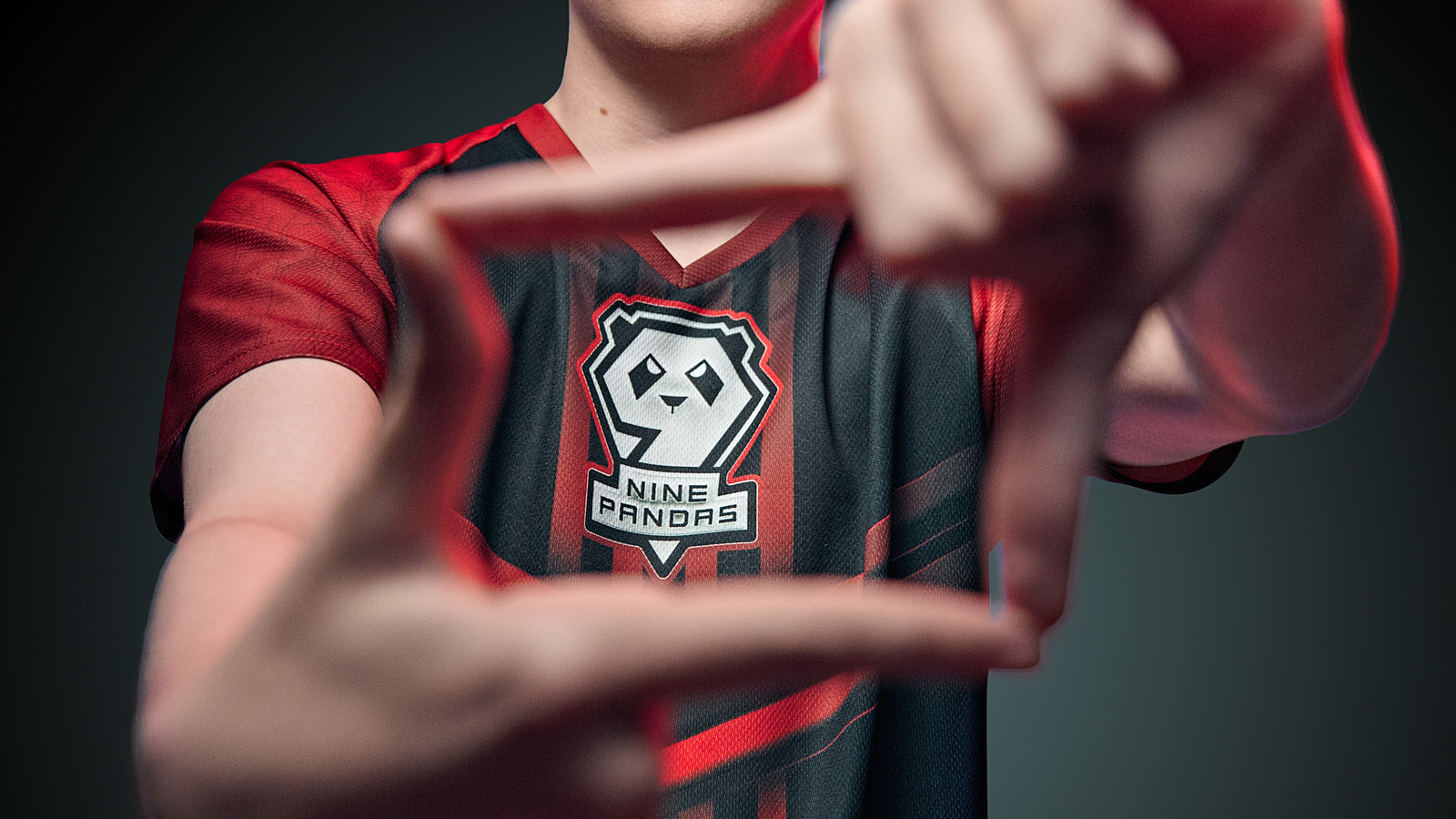
In an exclusive discussion with Gleb “kiyotaka” Zyryanov, the rising star from 9 Pandas shared profound insights about the evolving mid lane role. Ahead of their crucial match against Gaimin Gladiators, Kiyotaka detailed how recent game updates have fundamentally altered the core identity of his preferred position.
— You’re demonstrating exceptional performance at this Major tournament. What specialized preparation contributed to your current form?
— My approach remained consistent with standard practice routines, primarily focusing on public match preparation. Interestingly, I actually reduced my practice volume initially, anticipating the major patch release proximity to the tournament. This strategic pacing allowed mental rejuvenation while maintaining competitive edge. Once the comprehensive update deployed, I intensified my training regimen significantly.
— Patch 7.33 dramatically shifted strategic emphasis from mid lane dominance to side lane priority. How extensively has this transformation affected overall macro gameplay dynamics?
— Recently, I’ve been analyzing how the mid position received minimal substantive adjustments. The changes were predominantly superficial, introducing only one additional rune that barely influences core gameplay mechanics. Honestly, this development feels disappointing from a competitive standpoint. I anticipated more meaningful modifications, perhaps to denial mechanics or other lane-influencing factors that create outplay opportunities. Currently, both mid laners typically engage in passive farming for approximately ten minutes before meaningful game interactions commence.
My gameplay philosophy emphasizes individual technical proficiency. I originally gravitated toward mid lane because the pure 1v1 confrontation concept appealed to my competitive nature. Now, this fundamental appeal seems substantially diminished. Whether you significantly outmaneuver your opponent or perform adequately matters minimally, affecting perhaps only 10% of match outcomes at maximum potential impact.
— Which professional players present the most challenging mid lane matchups for your playstyle?
— Every competitor remaining in the tournament demonstrates exceptional skill levels. Particularly difficult opponents include SumaiL, whose aggressive laning style creates substantial pressure. Fortunately, our bracket placement avoided early confrontation. Quinn also exhibits remarkable proficiency with his signature hero selections. Generally, all surviving tournament participants maintain strong lane performance standards without noticeable performance degradation.
— Following Team Spirit‘s elimination from competition, community criticism heavily targeted Larl. As an experienced mid lane specialist, how would you assess his gameplay, and do you believe he genuinely represents the team’s primary weakness?
— I lack specific knowledge regarding Team Spirit’s internal dynamics. They might be experiencing one of those cyclical downturns where nothing aligns correctly. Possibly, they’ve lost their strategic identity or become disoriented by the new patch complexities, especially considering Larl’s previously consistent performance. He previously integrated effectively within their system, achieving respectable results—perhaps not championship caliber, but demonstrating progressive improvement. Therefore, the patch transition might indeed be the contributing factor.
On his comfort heroes, Larl demonstrates solid laning phase capabilities. He typically selects Dragon Knight, Viper, or Tusk—characters renowned for lane dominance where securing advantage proves relatively straightforward.
— You previously experienced performance slumps during your professional development. What corrective measures proved most effective?
— Following my Pari Parni tenure, I implemented comprehensive self-improvement across multiple dimensions. My confidence levels increased substantially through intensified public match dedication. I theorized that achieving elite ranking status—which I accomplished—would generate substantial team interest. As a promising young talent with impressive credentials during a period when organizations sought emerging mid players, I expected significant attention. However, the recruitment landscape unfolded differently, with only HellRaisers expressing genuine need. Overall, I remain satisfied with my developmental trajectory.
— You previously carried reputation as somewhat inconsistent performer, occasionally susceptible to tilting. Did this perception affect your professional approach?
— Not significantly. I maintained strong self-belief throughout my career. There were never instances where I doubted my capabilities or considered myself in prolonged slump. I recognized that occasional underperformance days occur in competitive Dota, where nothing proceeds optimally. I accepted this reality and focused on solution-oriented thinking rather than excessive self-criticism.
— You mentioned working on “all sides” of your professional persona. Which specific areas received focused attention?
— Initial focus addressed mental framework and competitive mindset. I thoroughly evaluated my motivations for professional play and achievement objectives. This introspective questioning preceded dedicated public match grinding and eliminating time-wasting activities.
“Team Spirit is in a deep crisis”. Manager Korb3n refutes rumors of bad sleeping schedule but admits serious issues within roster
— Does 9 Pandas employ sports psychology professionals for player development?
— Currently no. The organization extended psychological support opportunities to all roster members. Forcing participation proves counterproductive when players lack willingness—the intervention yields minimal benefits without genuine engagement. Since I don’t experience significant psychological challenges, I don’t utilize these services. Each individual determines their need for psychological support independently.
— Community discussions frequently compared your playstyle with gpk~ historically, primarily due to his mentorship role. Would you currently assert surpassing his skill level?
— Not currently. His team’s present circumstances negatively impact performance quality. I’m unaware of specific internal issues within BetBoom Team. However, these challenges appear to affect gpk’s gameplay consistency. During our matches against BB, he secured lane advantage in both encounters. His game comprehension remains sophisticated—I don’t believe he’s regressed fundamentally. They’re experiencing temporary difficulties where nothing proceeds smoothly. If BetBoom successfully navigates these challenges, he’ll likely return to previous performance standards. Currently, we maintain comparable skill levels without clear superiority.
— Do you currently seek his strategic advice and guidance?
— Absolutely, we maintain continuous communication. When strategic questions arise, we consult each other regularly. We don’t operate under hierarchical assumptions regarding relative skill levels. [Additional communication partners?] Among mid lane specialists, I primarily converse with fn.
— Your group stage included tied results against Gaimin Gladiators. What specific improvements followed that series?
— The initial match featured their draft superiority leaving minimal counterplay options. The subsequent game saw our draft advantage securing victory. I wouldn’t characterize them as particularly problematic opponents, since our hero pools demonstrate significant divergence. We each maintain distinctive signature heroes that create draft complexity. Draft preparation will prove decisive in this matchup. If drafting equilibrium occurs, spectators should expect competitive entertainment.
Dyrachyo before match with 9 Pandas: “They have strong mid, position 4, and meta drafts like Chen and Alchemist”
— This tournament featured either dominant victories or swift defeats for your team. What factors contributed to this performance volatility?
— We required substantial comebacks across multiple Major matches. The reasons remain unclear. Possibly excessive relaxation contributed, combined with stand-in adjustments and patch adaptation complexities. Opponents discovered strategic abuses, exemplified by our disastrous Medusa encounter. Subsequently, we identified effective combinations while RAMZES adapted to RodjER’s hero preferences. These factors collectively influenced our laning stage performance. Recovering from disadvantaged lanes presents significant challenges currently.
— Which competing organization discovered the most unbalanced strategic elements thus far?
— In my assessment, Tundra demonstrated superior meta comprehension. We pioneered aggressive Doom, Chen, and Alchemist fifth-pick strategies. However, all participating teams now grasp the current strong hero selections. Medusa represents prime example—everyone comprehends this Major’s dominant meta characteristics.
— Should spectators anticipate innovative strategies during the tournament’s concluding matches?
— Uncertain, we’ll observe developments. Outcomes depend heavily on player confidence levels. If competitors practiced specialized preparations, they’ll deploy them. Generally, I anticipate minimal revolutionary changes—participants will utilize established heroes with tactical adjustments. Potential surprises might emerge during final selection phases, but nothing fundamentally transformative.
Action Checklist
- Analyze patch 7.33 mid lane impact through hero win rate differentials
- Practice laning phase with both aggressive and defensive hero selections
- Develop comprehensive hero pool covering at least 3 meta archetypes
- Implement strategic pacing by alternating between intensive practice and mental recovery periods
- Establish communication network with fellow mid players for knowledge exchange
No reproduction without permission:Game Guides » “I went to play mid because I liked concept of ‘1vs1’, and now it became a bit useless”. 9 Pandas Kiyotaka on his growth and patch 7.33Exclusive Professional insights on Dota 2 mid lane evolution, patch 7.33 impacts, and career development strategies from 9 Pandas' star player