
TL;DR
- Team Liquid initially overadapted to patch 7.33 before reverting to proven strategies
- Zai finds current offlane meta ‘boring and dull’ due to aura item dominance
- Reaching 1000 LAN games solidified his veteran status and leadership role
- TI10 remains his most painful defeat due to high expectations
- Gaimin Gladiators demonstrated superior patch understanding through consistency
Games and Esports Articles Dota 2
Ludwig “Zai” Wåhlberg provided exclusive insights into Team Liquid’s journey through patch 7.33 at ESL One Berlin Major 2023, reflecting on his extensive career and preparations for The International 2023. The conversation occurred in Berlin on May 6, preceding Liquid’s crucial match against Evil Geniuses.
— How significantly did Team Liquid transform its approach for 7.33?
— We initially committed too heavily to reinventing our playstyle. Entering this competition, we attempted excessive innovation that ultimately proved misguided. Our initial interpretation of hero roles within this update led us down an incorrect path requiring substantial correction. We subsequently recalibrated our strategy to align more closely with our established methods.
The transition represents an evolutionary progression from our previous patch execution, incorporating the extensive map modifications. However, we substantially miscalculated how dramatically the gameplay would evolve. The reality demonstrates that hero dynamics haven’t transformed as extensively as anticipated, a realization that crystallized during this tournament.
— Would you claim comprehensive understanding of the current patch?
— It’s premature to declare mastery, as numerous unexplored strategies likely exist in public matches currently. There are probably overpowered combinations we haven’t discovered yet. Limited experimentation time and lack of exposure to these innovations means we’re operating with incomplete knowledge. This competition exists in relative isolation for competing squads, and I’m confident alternative approaches remain undiscovered.
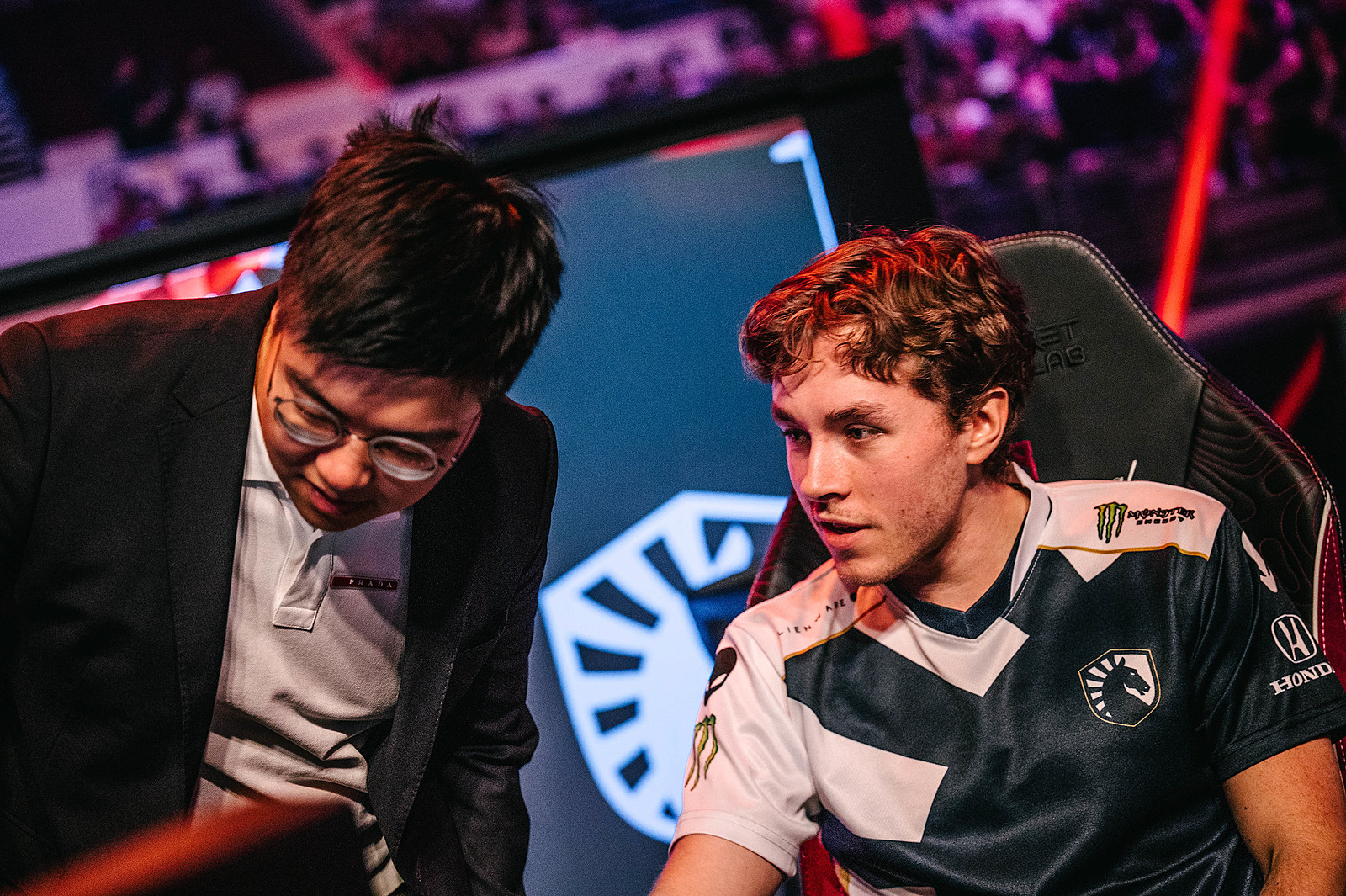
— Which competing organizations demonstrated superior comprehension of 7.33?
— Gaimin Gladiators provided our most significant reality assessment. Our best-of-five finals confrontation during DreamLeague occurred during the patch’s infancy, with both teams employing familiar approaches. A brief interval separated that encounter from our group stage match, during which we attempted comprehensive transformation while they maintained consistency. Following our defeat, we recognized that established heroes retain their potency, and their strategic execution remains effective. Why pursue unnecessary changes? They represent one of the organizations I respect most regarding game comprehension and draft selection.
— Russian broadcasting personnel mentioned rumors regarding potential Major withdrawal before playoffs. Any response?
— I’m unfamiliar with these speculations. The information appears inaccurate since we’ve encountered no such circumstances, having previously competed at DreamLeague to secure our tournament position with consistent participation intentions.
“I went to play mid because I liked concept of ‘1vs1’, and now it became a bit useless”. 9 Pandas Kiyotaka on his growth and patch 7.33
He is happy he didn’t have to play against SumaiL.
— How has your offlane responsibilities transformed this update? It appears emphasis shifted from mid to sidelanes. Do you appreciate these modifications?
— Absolutely, the Twin Gates introduce persistent pressure to sidelanes currently. The dynamic feels somewhat unusual due to excessive activity occurring there. Constant heightened awareness becomes necessary since unexpected three-hero engagements, including occasional trilanes, can materialize at level one.
Regarding hero selection, the landscape resembles previous iterations. Perhaps with increased focus on aura items, since both Crimson Guard and Pipe of Insight received enhancements. This reinforces collective grouping and aura acquisition deathball strategic approaches. Personally, regardless of meta trends, I’m focused on adaptation and optimal performance. However, this particular meta feels somewhat monotonous and uninspired. The limited creativity makes me hopeful for future aura item adjustments enabling alternative playstyles, including offlane variations.
— Should these transportation mechanisms receive nerfs?
— Immediate nerfing would be disappointing since we’re still investigating gameplay with these gates operational. Significant reduction or substantial modification would be regrettable. Perhaps implementing delayed activation at match commencement could reduce minute-zero chaos. Possibly until the five-minute mark. Beyond that consideration, I believe it represents a positive innovation. We’ve introduced unprecedented mechanics to Dota, and their removal would be unfortunate. Since they’re innovative and refreshing, I’d preserve them.
“In the end, we’re just nerds who play videogames”. Quinn on beef with RAMZES, burning out, and playing mid in patch 7.33
“I was always on horrible teams that got very poor results”.
— Team Liquid demonstrated promise over extended periods. However, consistent underperformance at major LAN events occurred historically. What transformed, can you identify specific factors, or was it collective gradual improvement?
— The progression undoubtedly stems from our individual development as competitors. As a collective unit, we incorporated Matu arrived with expanded experience, including knowledge of extended tournaments, playoff scenarios, LAN environments, and similar contexts. I believe the remaining members have now fully reached that competitive tier. They’ve matched both of us regarding capability to deliver under high-pressure situations.
Regarding draft selection and strategic execution, we transitioned from somewhat gimmicky and cheesy approaches toward more comprehensive and reliable methodologies. These two aspects represent the primary contributors to our advancement.
Reflecting on his career and Dota veteran status
— You’ve achieved 1000 competitive matches at LAN tournaments. What significance does this milestone hold?
— That represents substantial gameplay volume. I haven’t thoroughly contemplated it. I’m aware of my extended participation duration, but never quantified the match total. Observing my position on that ranking, alongside top-five or top-ten competitors, feels rewarding. It validates my sustained involvement period. Reflecting on maintaining consistent high-level performance over extensive timeframes provides satisfaction. Hopefully I’ll supplement this with additional LAN victories.
Yatoro: “I don’t like dyrachyo as a carry player. I just don’t like that kind of playstyle”
— Arteezy previously stated that he doesn’t regard himself as a Dota veteran and still perceives youthfulness, in a manner. Do you share similar sentiments?
— I disagree with his perspective. I genuinely feel I’ve existed within this space extensively, and I’ve engaged in this pursuit over prolonged periods. I’m uncertain what alternative qualifications would define veteran status. I believe even him, regardless of personal acceptance, represents a game veteran. Several competitors demonstrate even greater seniority, but I consider we definitely rank among them. This perception influences my team role significantly. I attempt to leverage my accumulated experience to propel the squad forward. I’m a boomer, I’m a veteran, certainly.
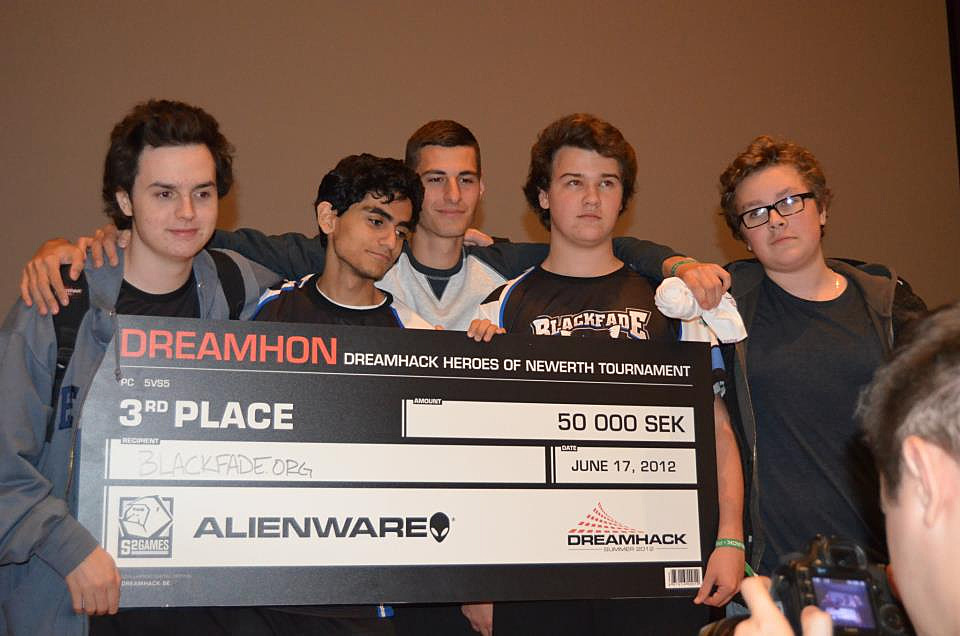
— You consistently represented the youngest competitor on your squads, and currently you’re “an adult”. The transition feels somewhat peculiar.
— Absolutely, during my initial competitive phase, I invariably occupied the junior position across all my teams. Since I persisted beyond that juncture, I maintained commitment, so presently, despite veteran classification, I don’t rank among the most senior active players. Numerous competitors possess far greater experience, but regarding competitive tenure I rank highly, which feels rewarding.
TI10 was the most painful TI to lose for Zai
— Let’s discuss The International. You’ve reached top-three placements four occasions. Which instance felt most proximate to victory?
— TI10 represented the tournament where I sensed potential championship material. Previous appearances included TI4, TI6, TI10 and the most recent. At TI4 I was extremely youthful, representing my inaugural International. Our organization [EG] also remained relatively inexperienced and we simply executed actions with successful outcomes. I maintained zero anticipations. TI6 demonstrated similar characteristics. Since I took competitive hiatus that year, returning exclusively for TI, and unexpectedly we achieved top-three again. Consequently expectations remained minimal there as well. However, at TI10, substantial expectations existed, and we collectively believed we genuinely possessed quality, and we realistically could accomplish this objective. That represented the nearest I’ve experienced and likely the most agonizing defeat additionally.
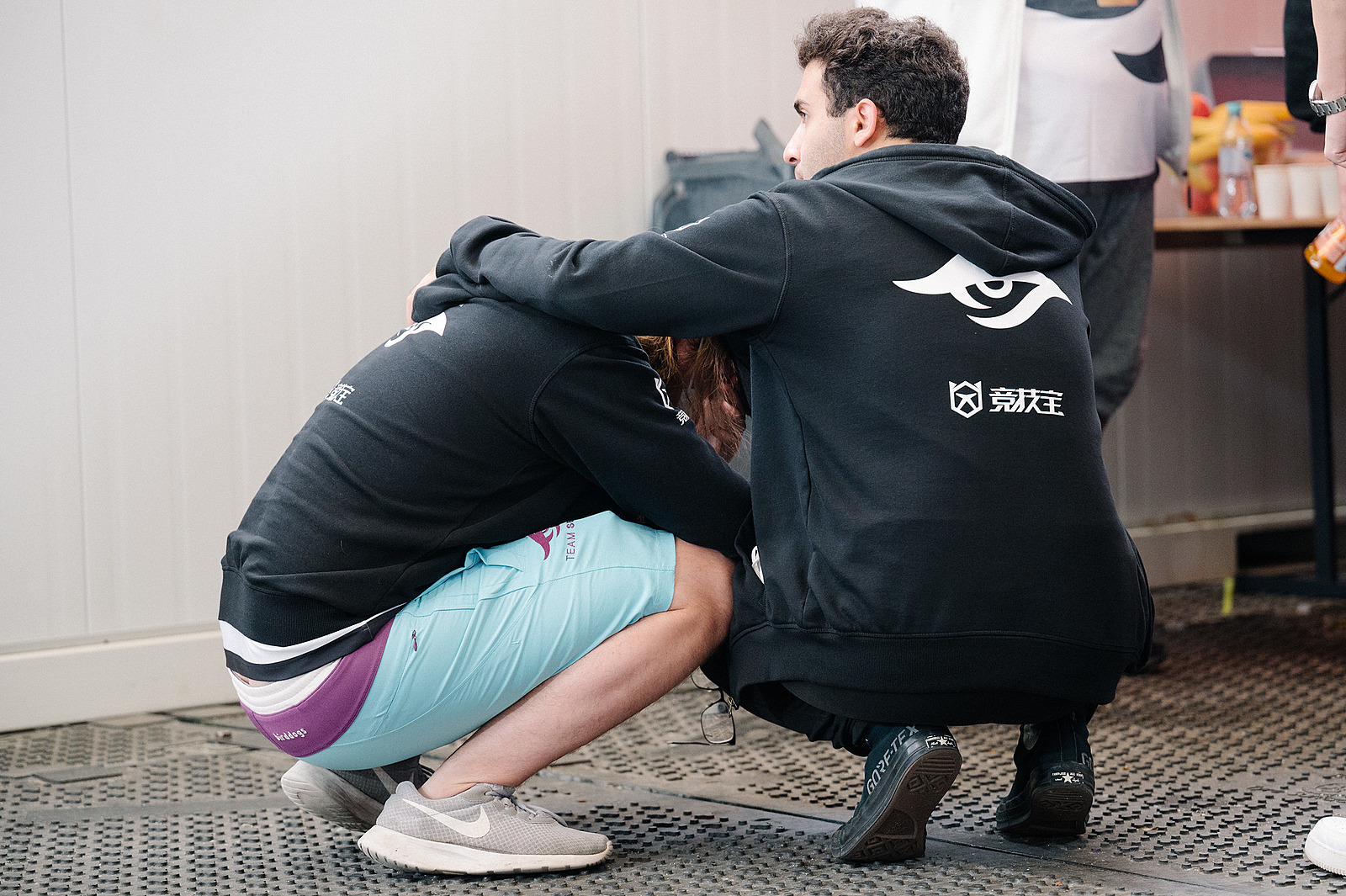
— Do you possess greater confidence this season compared to previous?
— I maintained zero confidence last season regarding our International campaign, completely, so I anticipated minimal results. This season, I believe definite expectations surround us. And I think we should deliver performances this season as well. However, I believe we should utilize this early qualification to avoid excessive stress and simply compete throughout the remaining season with TI participation intention. Hopefully we’ll attempt to synchronize our performance and maintain awareness that TI represents the primary objective and we shouldn’t overextend prematurely. Hopefully the outcome proves favorable.
— Certain individuals believe three qualification slots should suffice for China. What’s your perspective?
— Europe obviously represents an intensely competitive territory. And I consider achieving success here proves exceptionally challenging, and consistently accumulating points and qualifying for TI. I’m not entirely certain how to resolve that situation, truthfully. One superior solution I’ve observed involved the Last Chance qualifier. I believe it constituted a valuable circuit addition. It provided every territory opportunity to qualify for TI during that advanced stage, and coincidentally two European squads progressed last season. However, the process remained equitable and transparent, with each region receiving its qualification opportunity.
The alternative approach involves expanding total slot allocation. Because if you commence slot reduction from territories and adjusting proportions, perhaps China or SEA forfeits one. However, eventually the arrangement feels unjust since, while Europe represents a competitive territory, this game exists for every region. And in territories like, for instance, China, where the game already experiences decline, if we eliminate another slot and suddenly only two Chinese organizations gain event access, we accelerate that scene’s deterioration further. Consequently I believe, either Last Chance or slot augmentation would assist here.
Dyrachyo after winning Berlin Major: “Maybe we are lucky, or maybe we are just better”
Action Checklist
- Analyze patch adaptation timelines to avoid overcorrection
- Study consistent teams like Gaimin Gladiators for meta understanding
- Master offlane positioning around Twin Gates and aura timing
- Develop leadership communication skills for team coordination
- Create tournament expectation management frameworks
No reproduction without permission:Game Guides » Zai: “I’m a boomer, I’m a veteran, and I try to use my experience to move the team forward” Veteran offlaner Zai shares insights on Dota 2 meta evolution, team leadership, and TI10 heartbreak