
TL;DR
- Donk prioritizes real match practice over traditional DM training, believing it provides superior tactical development
- The young rifler maintains a 10+ hour daily training schedule while adapting to professional esports demands
- His Siberian background and early LAN experiences shaped his aggressive, adaptive playstyle
- Donk identifies Magnojez as the next breakout talent from Spirit Academy
- He successfully transitioned from basement LANs to international competitions
Games and Esports Articles CS 2
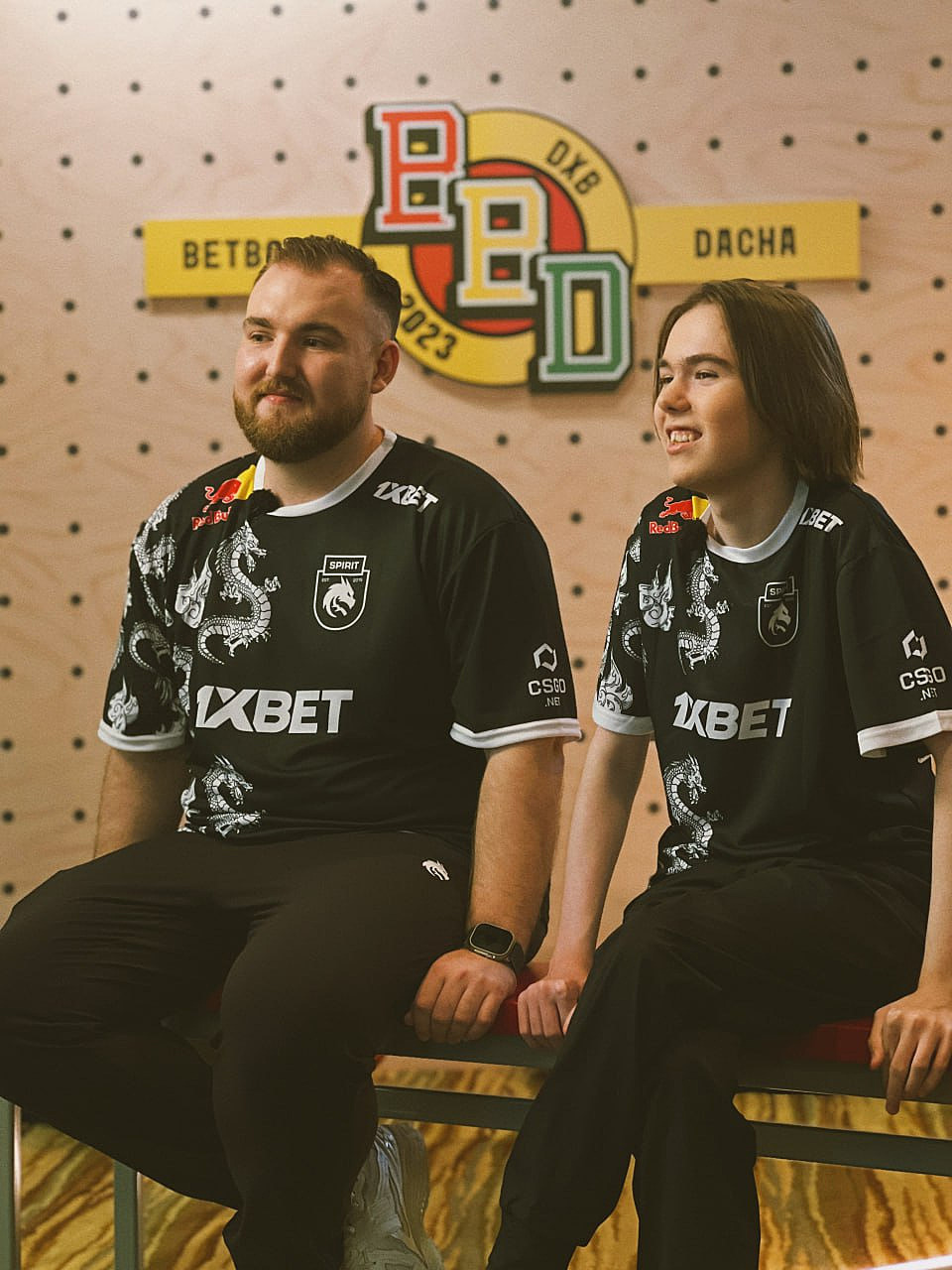
During an exclusive interview at the CS2 BetBoom Dacha LAN tournament, journalist Roman Petukhov engaged with Team Spirit’s emerging star Danil “donk” Kryshkovets. The rising talent detailed his preference for rifle over sniper roles, recounted formative experiences from local competitions during his youth, and explained his distinctive approach to skill development that bypasses conventional training methods.
— Which Team Spirit Academy competitor shows the most promise for breaking into professional circuits?
— In my assessment, Magnojez demonstrates significant potential. He possesses excellent opportunities: skilled, intelligent competitor with refined aiming capabilities. Many aspiring professionals overlook the importance of game sense development, focusing solely on mechanical skills.
— Why do you favor competing against human opponents rather than practicing targeting against bots or exploring maps on vacant servers?
— Authentic competitive scenarios provide the most effective training environment. A single match against skilled opponents delivers more developmental value than extended deathmatch sessions or bot training routines.
— Do you review match recordings? What time allocation do you dedicate to analysis alongside practical training?
— Absolutely, I engage in demo analysis. The duration varies according to circumstances. When I detect performance gaps or comprehension deficiencies requiring improvement, I might allocate up to two hours studying recordings. However, I concentrate primarily on active practice sessions. Including team training commitments, I typically engage in at least 10 hours of daily gameplay.
— You indicate deathmatch provides less developmental impact than competitive matchmaking. What underpins this perspective?
— Deathmatch frequently presents artificial engagement scenarios and situations rarely encountered during actual matches. In genuine competitive environments, players make contextual decisions based on developing situations. You can interpret these patterns and select optimal positioning. During deathmatch, you essentially navigate randomly while engaging unpredictable opponents. This generates tactical disorganization rather than structured learning.
— Numerous professionals highlight peeker’s advantage within CS2. Given your aggressive methodology, does this dynamic work to your benefit?
— Certainly, without question.
— Are you concerned Valve might address this mechanic?
— I doubt Valve will fundamentally resolve this aspect. They might reduce the advantage magnitude, bringing it nearer to CS:GO parameters, but I employed similar tactics previously with effective results. Advanced players should understand that peeker’s advantage represents just one tactical element requiring mastery.
— Young competitors frequently aspire to become primary AWPers. What influenced your decision to specialize as a rifler?
— Circumstantial factors dictated this specialization. I collaborated with teammates who focused on sniper roles. I preferred not to disrupt their established positions. When utilizing the AWP, I experienced constrained mobility and restricted options, since you cannot freely navigate and engage. The AK-47 provides significantly greater tactical flexibility and creative freedom.
— OverDrive mentioned recognizing your potential from initial matches. Do you recall those early competitive experiences?
— Only partially. I remember a specific Nuke match, essentially that recollection alone.
— Did you perceive these as standard matchmaking games, or did you intentionally attempt to demonstrate exceptional performance?
— I understood these represented evaluation scenarios: essentially, if I desired team placement, I needed to demonstrate capability. And I certainly aimed to excel. Possibly I experienced nervousness immediately preceding matches, but not during actual gameplay. I simply concentrated on crosshair placement and match dynamics.
Donk: “My idol is NiKo. Because our playstyle is quite similar”
— You originated from Tomsk. What characterizes existence in Western Siberian regions?
— Conditions remain acceptable. The climate proves notably cold, however. I predominantly remained indoors engaging in gameplay sessions.
— Did high latency conditions present significant challenges?
— Certain difficulties emerged, but I successfully addressed them. I adapted to these circumstances and determined appropriate methodologies to mitigate associated obstacles.
— How did your parents respond to your gaming interests?
— I faced no restrictions regarding computer access periods. My principal obligation involved academic performance, and gaming activities didn’t impact scholastic achievements. I understood inquiries would remain minimal provided I maintained strong academic performance. Upon reaching age 15, our squad began demonstrating respectable competitive results. Consequently, no further questions arose thereafter.
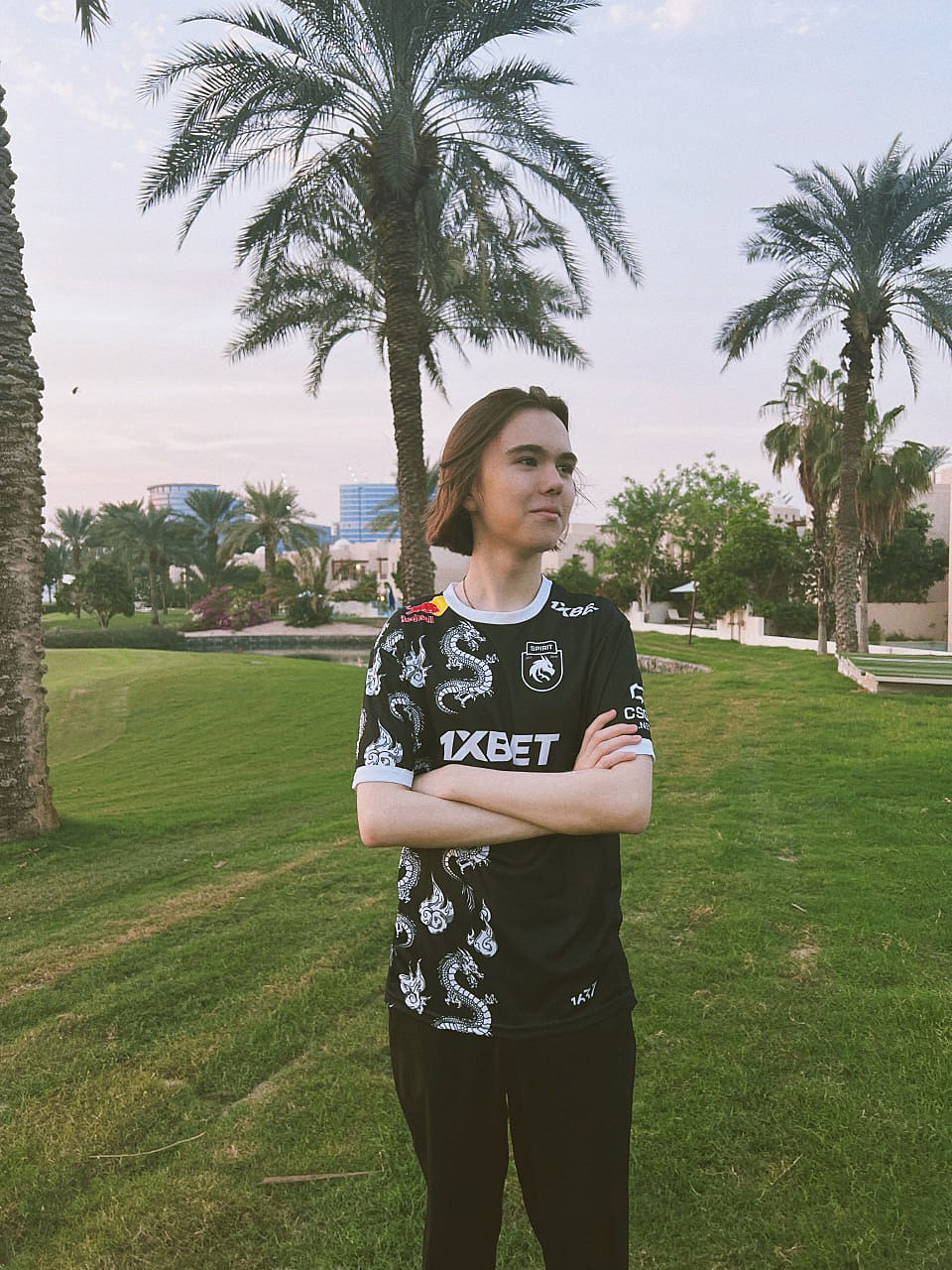
— Why did you initiate your professional pathway through Spirit Academy? Did this represent your exclusive opportunity?
— Not the solitary option but certainly the most advantageous. I recognized I would access experienced coaching from hally, who previously mentored ESPADA. They constituted the organization I monitored extensively over time.
Subsequently, S0tF1k assumed coaching responsibilities, ultimately producing beneficial impacts on my development. Once more, this involved an individual for whom I maintained substantial respect. I understood he could provide significant instructional value. He possessed extensive competitive background.
The academy fundamentally exists for developing players incapable of participating in major tournaments and aims to facilitate their progression. I couldn’t join established teams since they couldn’t roster me for competitions [because of age restrictions].
“We completed the game”. Twistzz departs from FaZe Clan
— Do you recall your initial LAN competitions? Does this represent dramatic contrast compared to your current situation?
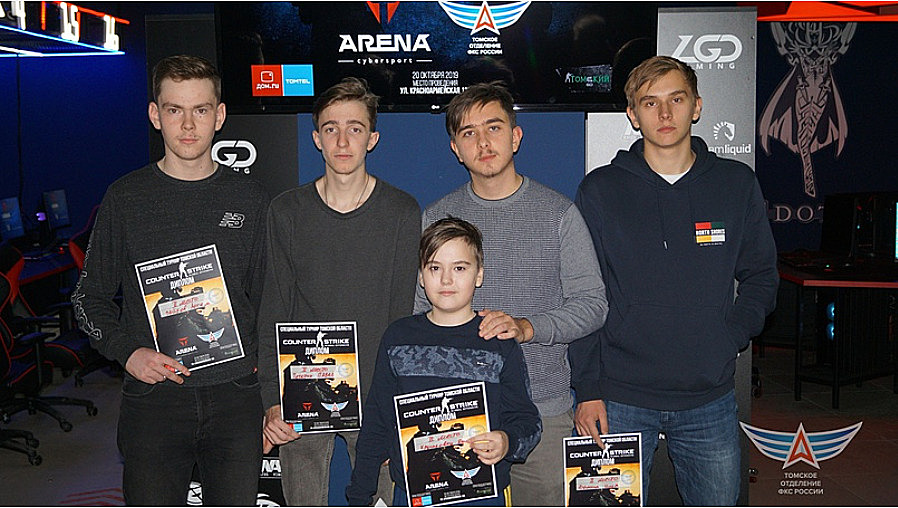
— Definitely (chuckles). It embodied the stereotypical early-2000s environment. You travel to basement facilities containing ten computer stations arranged opposite each other and commence competing alongside adult participants.
— Did you consistently engage with competitors older than yourself?
— Naturally.
— Was establishing mutual understanding challenging?
— Not particularly. Everyone derived amusement from the situation. Whenever I defeated opponents, they universally engaged in playful banter: “How could you possibly lose to a school student?”
— Did they value your contributions?
— We maintained cordial community relations throughout Tomsk: All participants knew each other personally. I received remarkably welcoming treatment.
— Professional esports involvement necessitates continuous travel. How demanding is this aspect for you?
— I experienced no extended period involving frequent flights. Currently, providing definitive assessment proves difficult. However, evaluating this tournament experience, I wouldn’t characterize it as particularly strenuous. Somewhat unfamiliar initially, but gradually, I believe I’ll achieve adaptation.
— How do you prepare for official matches?
— I utilize musical stimulation, establish competitive mindset.
— Any specific musical preferences?
— Simply whatever selections the application recommends, variations occur. During our previous championship LAN victory, I listened to Brazilian phonk preceding matches. Currently, I prefer rap music predominantly.
— Observers predict you’ll achieve remarkable career progression. What represents your personal perspective regarding future development?
— I anticipate positive career trajectory. Truthfully, I haven’t extensively contemplated this subject. I currently concentrate on skill enhancement. I believe maintaining current training intensity while preserving competitive drive and passion will indeed produce favorable outcomes.
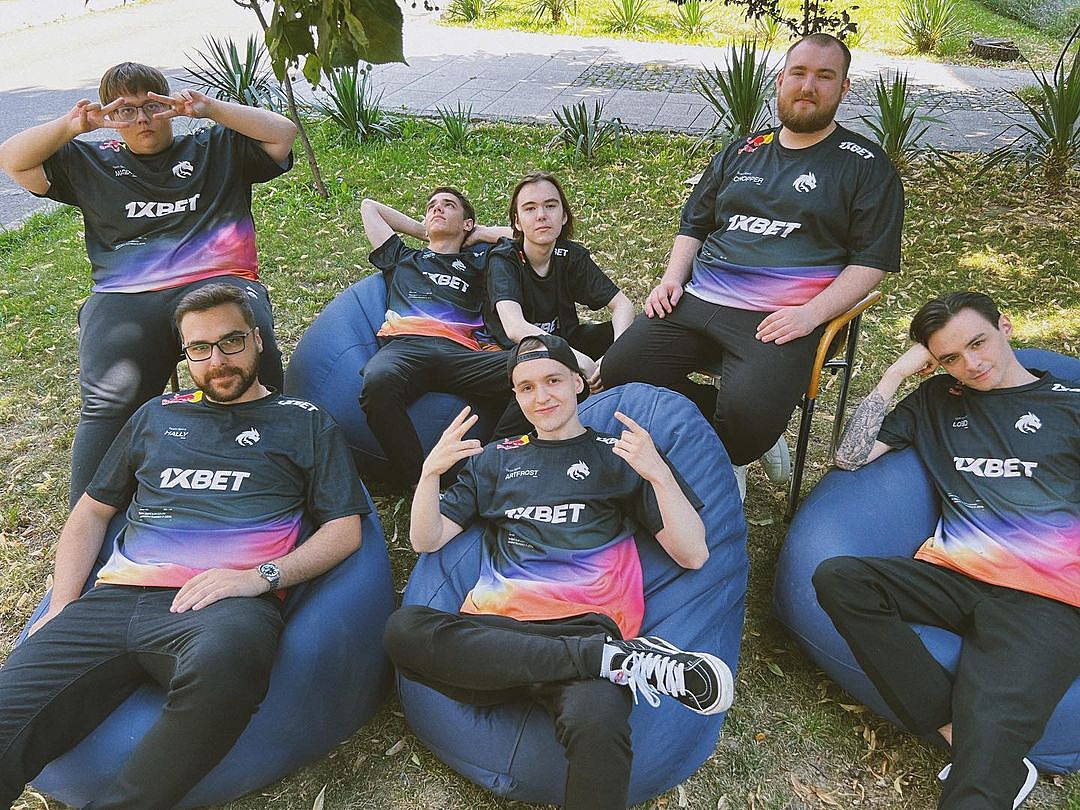
— Does excessive public attention cause discomfort?
— Initially it produced unease. I experienced shyness, substantial attention felt extremely unfamiliar. However, current attention levels diminished significantly compared to initial stages following main roster promotion. I certainly perceive it, naturally. However, it appears I’ve already achieved partial adaptation. Previously I felt self-conscious, but currently no similar sensations exist. I experience comfort presently.
Action Checklist
- Prioritize competitive matchmaking over deathmatch for tactical development
- Allocate 2+ hours weekly for demo analysis to identify improvement areas
- Establish 10-hour daily training schedule including team practice
- Develop pre-match routine incorporating music for mental preparation
- Balance mechanical skill development with game sense and tactical awareness
No reproduction without permission:Game Guides » “If I beat someone, they were all trolling: «How could you lose to a schoolboy?»” Donk on his childhood in Siberia, first events, and training routineExclusive Team Spirit prodigy donk reveals his unconventional training methods, Siberian origins, and rapid rise in CS2 esports