
TL;DR
- CS2 transition demands extensive tactical adaptation and nade lineups recreation
- Professional esports requires strategic mental breaks without complete disconnection from the game
- Veteran players demonstrate greater appreciation for opportunities than newer generations
- LAN environment significantly improves CS2 performance over online play
- Individual training discipline separates top teams from competitors
Games and Esports Articles CS 2
Virtus.pro’s seasoned competitor David “n0rb3r7” Daniyelyan provided exclusive insights during the BetBoom Dacha tournament, discussing his emotional journey through roster changes, CS2 adaptation hurdles, and the evolving mindset differences between gaming generations.
— Do you feel tired at the end of the season?
— Physically, I maintain good conditioning, but mentally, the cumulative strain becomes noticeable. The transition from CS:GO to CS 2 demanded substantial investment—we dedicated countless hours porting strategic frameworks, recreating grenade trajectories, and acclimating to the new engine mechanics. This comprehensive adaptation process consumed significant mental resources. While extended rest could prove beneficial, I find a ten-day complete break from competitive environments provides optimal recovery without losing competitive edge.
— Is it important to spend this time entirely without CS?
— Absolutely. Genuine disconnection from the game environment allows visual recovery and psychological reset. Constant immersion in competitive play creates diminishing returns—true refreshment comes from environmental change and physical activity away from screens.
— Is it hard to be constantly away from family and friends?
— During tournament concentration, separation becomes secondary to competitive focus. However, extended bootcamp periods involving multi-country travel create profound disorientation—it’s less about missing specific people and more about craving stability. Constant climate shifts, hotel transitions, and unfamiliar environments gradually erode mental resilience during prolonged absences.
— What are your relationships in the team? Are you colleagues or a family?
— We’ve established a balanced professional dynamic. While we maintain camaraderie and occasional social activities, our in-game interactions remain strictly professional with clearly defined roles and responsibilities.
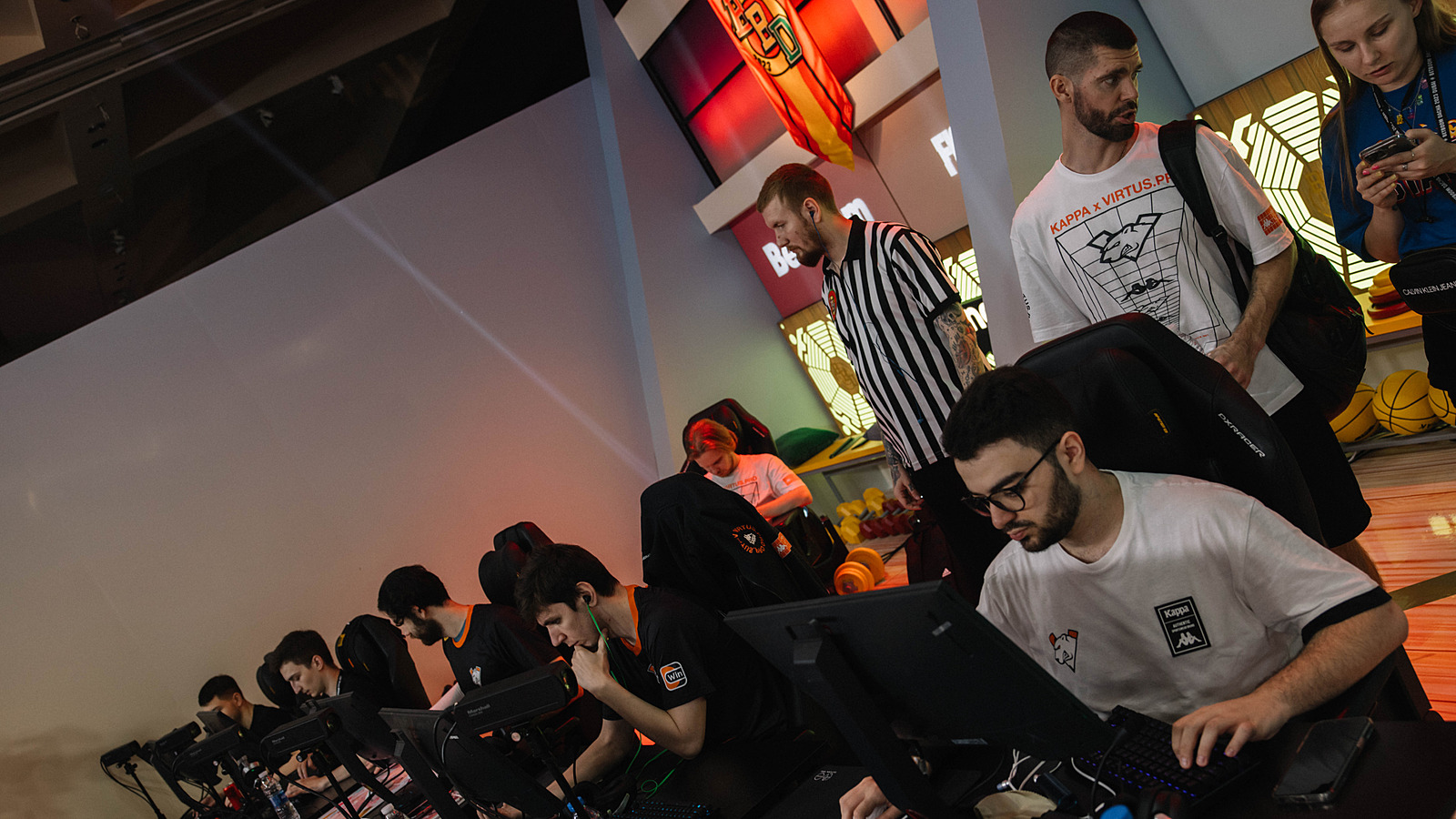
— What were your emotions and thoughts when they benched you at the start of the season? How did you practice?
— The initial benching period provided unexpected temporal freedom. I immersed in FACEIT grinding for approximately six weeks before recognizing the unsustainable nature of that approach. The realization prompted a strategic shift toward physical conditioning while maintaining game knowledge through demo analysis and meta tracking.
— Wasn’t that morally hard? You had to be ready all the time.
— The psychological pressure manifested more through anticipation than obligation. Maintaining readiness without certainty created its own form of strain, though disciplined physical training provided both mental and physical benefits.
— Pumping iron?
— Not bodybuilding—functional fitness. Proper nutrition, supplementation, and sleep hygiene create compound benefits that translate directly into competitive performance.
“If I beat someone, they were all trolling: «How could you lose to a schoolboy?»” Donk on his childhood in Siberia, first events, and training routine
Team Spirit’s young talent speaks up.
— Were you confident you’d be able to return sooner or later?
— Reasonable expectation rather than certainty. No formal discussions occurred, but strategic positioning meant I remained the logical substitution candidate should roster instability arise.
— Did you get any offers during that period?
— No formal proposals emerged during the pre-RMR phase—organizations typically avoid disruptive changes before qualification events. The post-Major transfer window traditionally generates more movement opportunities.
— Can you recall the emotions you felt when you jumped back on the team right in the middle of the RMR?
— I received the call while training at the gym. Immediate recognition of the challenge: transitioning from physical workout to high-stakes competition within hours, compounded by four-month competitive hiatus creating teamplay coordination deficits.
— Did failing to qualify for the Major after winning the previous one pressure the team and you personally?
— Collective responsibility acceptance. Competitive esports inherently involves error margins—sometimes critical mistakes cascade into qualification failures.
— They say VP practice more and harder than any other team from the top 20. Is it true?
— Our individual dedication surpasses typical regimens. While team practice hours align with competitors, our personal commitment to skill refinement creates competitive advantages.
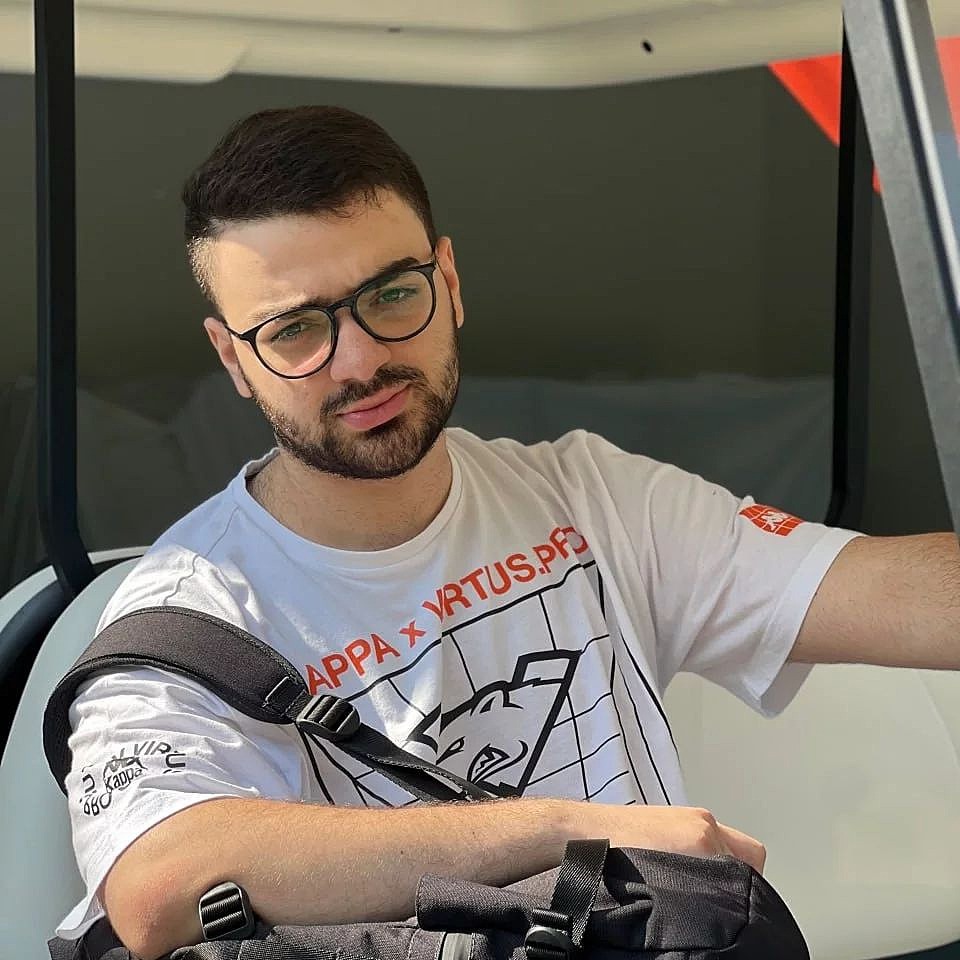
— Why didn’t VP perform at tier-1 events? You have such great results at the lower level.
— Limited top-tier invitations created the primary barrier. We missed critical opportunities at IEM Dallas, Cologne, and Rio due to scheduling and injury constraints.
— You complained about a lack of details in patch notes. What do you think, is CS2 ready for RMR and the Major as of now?
— Valve implements subtle environmental adjustments without documentation—like the Vertigo beam relocation affecting smoke placements. Enhanced patch transparency would significantly benefit competitive preparation.
Current CS2 state proves inadequate for online competitive integrity. Sub-tick inconsistencies create frustrating experiences: frequent behind-wall deaths and AWP handling difficulties directly correlate with ping variations. However, LAN environments dramatically improve playability—approximately 70% readiness compared to online limitations.
— PGL Major Copenhagen 2024 will be as “random” as Paris Major?
— Roster volatility rather than game instability will drive unpredictability. Approximately half the competing teams underwent significant changes—ENCE losing their IGL, Falcons restructuring, FaZe making singular adjustments.
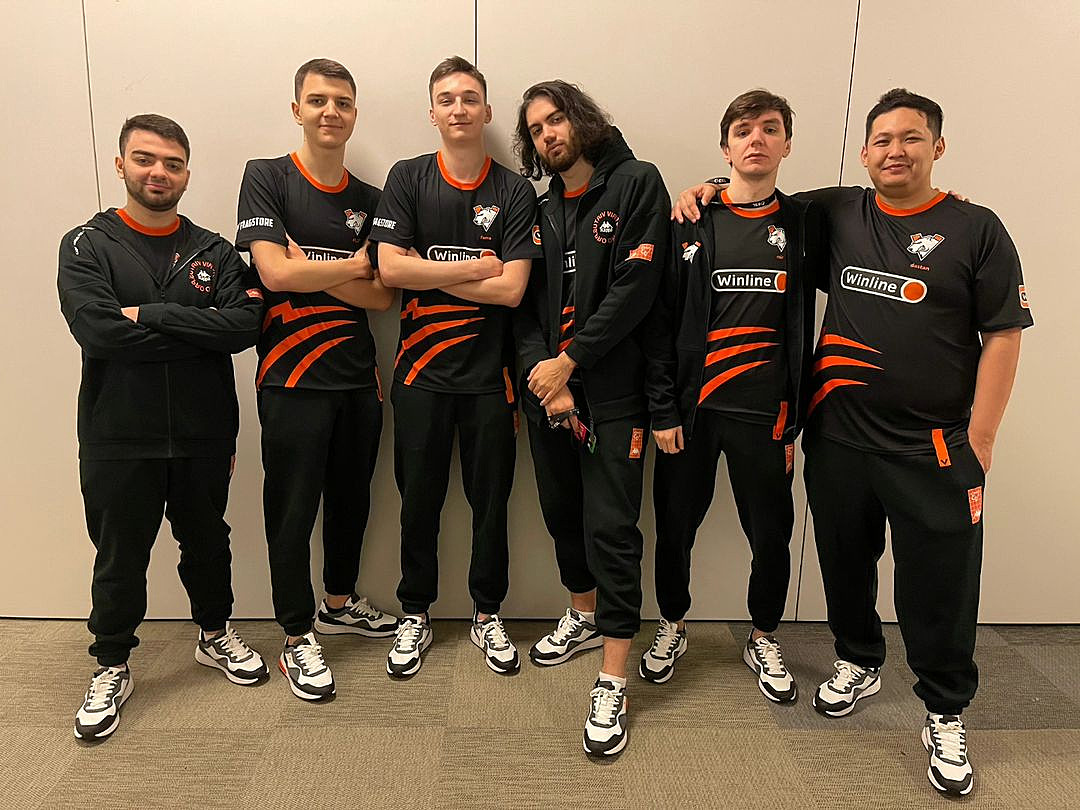
— What are your main complaints about CS2?
— Premier mode anti-cheat effectiveness represents the predominant community concern. Cheating represents an eternal arms race—similar to Riot’s Valorant challenges—where developer efforts constantly confront evolving bypass methods.
— Is there a difference between the old and young generation of players in CS?
— I witnessed the transition between eras. Veterans like AdreN, mou, and Dosia demonstrated profound appreciation for competitive opportunities: travel privileges, financial stability, prize purses, and networking prospects.
Newer competitors often display entitlement mentality—viewing tournaments as obligations rather than privileges. This generational divide manifests in attitude differences toward the professional ecosystem.
— Which generation do you consider yourself to be?
— By current standards, I represent the established generation. My professional career commenced in 2018 with Winstrike, accumulating nearly five years of top-level experience.
— Do you think this is a long time? What time do you plan to end your career?
— Career duration remains uncertain—continuation depends on multiple factors. Five years represents substantial tenure without being exceptionally lengthy. We’re witnessing the transition where my cohort replaces retiring pioneers while new talent emerges beneath us.
“I didn’t have much time to get to know who I wanted to be as Nikolai. I was just living as dev1ce”. Astralis star on his break, Falcons rumors and new CS talent
Legend has spoken.
— Do you feel tired at the end of the season?
— Physically, I’m holding up well, but mentally there’s definite fatigue. The transition from CS:GO to CS2 demanded extensive work – we had to rebuild all our tactical systems, relearn grenade lineups, and adapt to the new gameplay mechanics. This consumed massive amounts of energy and focus. While extended rest isn’t critical, a strategic 10-day break away from computers would provide necessary mental reset.
— Is it important to spend this time entirely without CS?
— Absolutely essential. Proper vacation means complete disconnection from gaming – your eyes need recovery and your mental state improves dramatically when you’re not confined to practice rooms. Changing environments completely is crucial for sustainable performance.
— Is it hard to be constantly away from family and friends?
— During tournament concentration, the separation isn’t noticeable as competitive focus takes over. However, extended bootcamps with constant travel across multiple countries create genuine mental strain. The perpetual hotel changes, climate adjustments, and disrupted routines gradually wear you down psychologically.
— What are your relationships in the team? Are you colleagues or a family?
— We maintain a balanced professional dynamic. While we socialize together and coordinate activities outside the game, within competitive contexts we maintain clear colleague relationships. Each member executes their designated roles with precision – no one underperforms and all systems operate as designed.
— You complained about a lack of details in patch notes. What do you think, is CS2 ready for RMR and the Major as of now?
— Valve frequently implements micro-adjustments without documentation. For instance, they relocated a critical beam on Vertigo that affects smoke placement trajectories. Enhanced developer transparency would significantly improve competitive preparation.
Currently, the game struggles severely in online environments. Numerous technical issues persist, with the subtick system creating substantial gameplay inconsistencies: I regularly experience deaths behind cover, and AWP usage becomes considerably challenging. These problems directly correlate with subtick mechanics and network latency variations.
However, after competing at ESL Challenger Jonkoping, I can confidently state CS2 performs dramatically better in LAN settings. Well, perhaps 70% readiness would be more accurate – persistent issues remain, but the elimination of ping-related problems creates vastly superior competitive conditions.
— PGL Major Copenhagen 2024 will be as “random” as Paris Major?
— The tournament’s unpredictability stems less from the new game mechanics and more from approximately 50% of competing teams undergoing significant roster reconstruction. Multiple organizations changed two or three players simultaneously. ENCE lost their strategic captain, Falcons are implementing substantial strategic overhauls. While FaZe made only one personnel adjustment, making their situation less volatile. The Major’s randomness primarily derives from these organizational instabilities.
Teams will gradually adapt to CS2’s mechanics. Valve delivers one or two weekly updates, ensuring reasonable playability for RMR competitions across both LAN and online formats. Ultimately, team performance will determine outcomes, making reliable winner predictions exceptionally difficult – perhaps FaZe represents the only reasonably predictable contender.
— Thorin said VP is a tough team, they are just unlucky not to earn enough rating points. Do you agree?
— The assessment is accurate. Tournament invitations get distributed at each year’s beginning, covering the subsequent season’s first half. These include Dallas, Katowice, EPL S19, and IEM China. All these premier competitions extend team invitations during 2024’s initial months. If we underperform at BetBoom Dacha or subsequent ESL Challenger events, we risk exclusion from most tier-1 tournaments next year. The consequences would be profoundly disappointing. Therefore, 2023’s concluding tournaments have escalated to critical priority status – we must demonstrate peak performance capabilities.
— What are your main complaints about CS2?
— Many competitors voice concerns about Premier mode’s anti-cheat effectiveness, though my recent experience is limited. During my last sessions, cheating incidents were evident. This represents an enduring competitive challenge, regardless of anti-cheat development approaches. Consider Riot Games’ Valorant implementation – cheating has always existed, continues today, and will persist regardless of Valve’s mitigation efforts.
— Is there a difference between the old and young generation of players in CS?
— I’ve had opportunity to observe the veteran competitor generation. Players like AdreN, mou, Dosia demonstrate clear distinctions. Established professionals, despite career longevity, developed profound appreciation for competitive opportunities. They express genuine gratitude for international travel prospects, sustainable income generation, prize pool competition, and networking with diverse industry figures.
Emerging competitors often appear less appreciative. Their perspective frequently reduces to: travel to location, compete, receive compensation, repeat cycles. This doesn’t apply universally, but concerning patterns of entitlement emerge among newer participants.
— Which generation do you consider yourself to be?
— By current standards, I’m already considered veteran tier. My professional career launched in 2018 when I joined Winstrike during that year’s final quarter. That translates to nearly five years of competitive experience.
— Do you think this is a long time? What time do you plan to end your career?
— I’ll transition into retirement according to divine timing. Realistically, this duration isn’t exceptionally lengthy, but neither is it brief – occupying an intermediate career span. The original veterans are now exiting competition, with my generation assuming their positions.
Examining our roster composition reveals telling patterns. All members except fame represent experienced competitors with extensive career histories. Jame maintains seven years of experience, mir possesses comparable tenure, while FL1T and I have competed for five to six years respectively. Our generation now represents the established veterans, with emerging talents like donk, m0NESY following behind us.
Action Checklist
- Schedule 10-day complete breaks between seasons for mental reset
- Integrate physical training with game preparation for compound benefits
- Maintain demo analysis during breaks to track meta evolution
- Develop substitution mentality with continuous skill maintenance
- Balance professional relationships with competitive focus
- Schedule mandatory 10-day complete disconnection breaks between competitive seasons
- Focus LAN practice sessions to optimize CS2 performance in competitive environments
- Implement individual skill maintenance routines during team absence periods
- Monitor roster changes across competing teams to assess tournament predictability
- Prioritize performance in qualification tournaments to secure future tier-1 invitations
No reproduction without permission:Game Guides » N0rb3r7: “Older players are thankful for the opportunity to fly to events, earn a living, fight for prize money. Young ones are seemingly not”Exclusive Team Spirit's young talent speaks up.