
TL;DR
- Quest’s success stems from professional infrastructure and strategic roster decisions
- Ammar ‘ATF’ Al-Assaf’s reputation belies his exceptional team mentality and leadership
- The team survived a record-breaking 100+ minute game through superior mental resilience
- Organizational stability and contract management are critical for small esports organizations
- Strategic offlane communication improvements transformed team coordination
Games and Esports Articles Dota 2
Quest Esports emerged as one of the most compelling stories at Bali Dota Major 2023, transforming from regional contenders into legitimate international threats. Their journey represents a masterclass in organizational development and strategic team building that many aspiring esports organizations should study closely.
— After moving to WEU, you managed to get to the Upper Division on your first try and stayed there. Why didn’t it work out at home?
— The organizational infrastructure made the critical difference. Quest operates as a truly professional club with resources and support systems I’d never experienced previously. The month-long pre-qualifier bootcamp in Turkey provided the foundation for our competitive edge—something rarely available to CIS region teams.
Beyond organizational support, we deliberately assembled players with aligned competitive ambitions and complementary skill sets. Our previous struggles in the CIS Upper Division with V-Gaming and Rune Eaters actually became valuable learning experiences. Those losses taught us how to maintain composure under pressure, which proved invaluable when competing against Europe’s elite teams. For teams looking to replicate our success, I’d recommend studying our Class Guide approach to role specialization.
— From your experience in EEU, you think it is possible to be an independent small club and not just a feeder team for big orgs? Is this a problem on the scene?
— Absolutely, the feeder team dynamic remains a significant structural issue. Constant roster instability plagued our previous organizations, creating environments where sustained development became impossible. The solution lies in robust contractual frameworks with meaningful buyout clauses that protect organizational investments.
Smaller clubs often make the mistake of treating contracts as formalities rather than strategic assets. When big organizations want your players, they should face substantial financial barriers. This creates a sustainable ecosystem where successful small teams can reinvest in talent acquisition rather than constantly rebuilding.
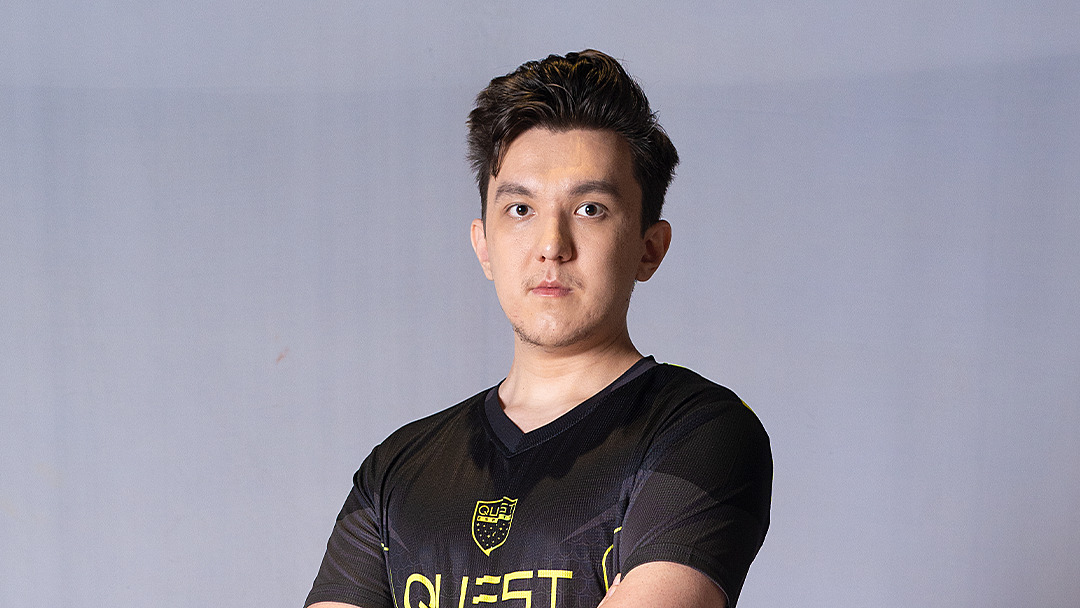
— How did you join Ooredoo Thunders?
— My path to Ooredoo Thunders began unexpectedly during TI11 qualifier preparations. Originally scheduled to compete in a Riyadh tournament with No!ob, visa complications forced a last-minute substitution with a friend—yet we still secured second place. The organization’s manager, impressed by our performance, extended the initial invitation.
Following the TI11 qualifiers, I established one non-negotiable condition: I would only join alongside Kaori, creating the core partnership that defines our current success. The extensive two-month offlaner search process taught us valuable lessons about team composition that parallel the strategic considerations in our Complete Guide to team building fundamentals.
— With this roster you almost qualified to the Major on your first try, but lost to OG in tiebreakers. How upset were you?
— That defeat represented one of the most psychologically challenging moments of my competitive career. We had established commanding control in the first game—a position that should have guaranteed victory. Then came a cascade of unforced errors, not just isolated mistakes but systematic breakdowns in our decision-making processes.
The decisive moment came down to a single teamfight where everything hung in balance. We focused our attack on Drow Ranger, who survived with literally 30-40 health points. A single additional auto-attack from any source would have secured our Berlin qualification. The frustration stemmed from knowing how close we came to achieving our initial goal.
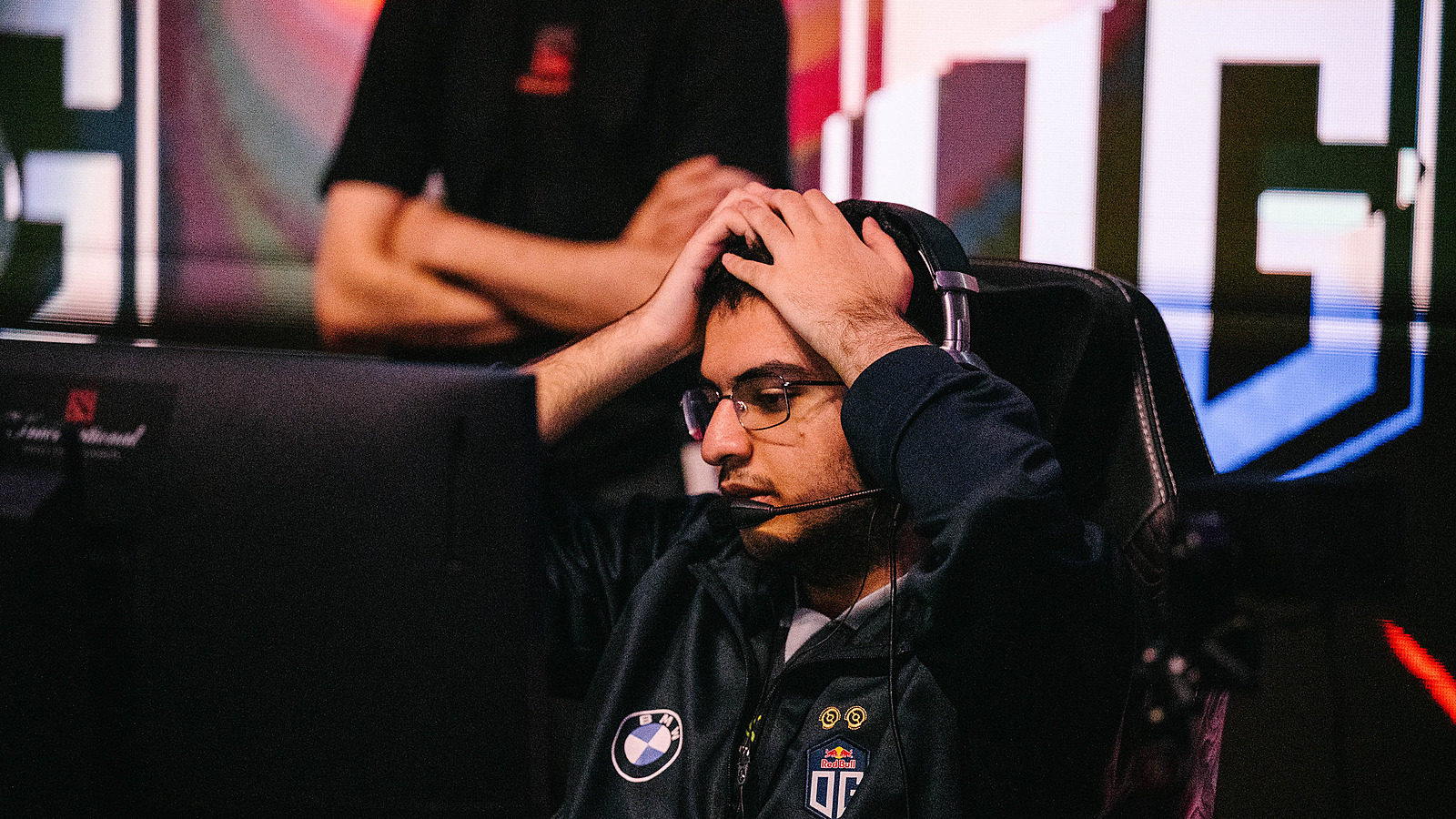
— How did you decide to replace Wuiter with ATF after a relatively successful season?
— Following the tiebreaker disappointment, we conducted a thorough performance analysis that revealed critical communication gaps. Wuiter had begun displaying hesitation in critical moments, and our in-game leadership structure needed reinforcement. When Ammar became available, we recognized the opportunity to address both our strategic and leadership deficiencies simultaneously.
— Were you concerned about his reputation as a toxic and arrogant player? There were rumors that he was removed from OG because of his character.
— Public perception often diverges significantly from competitive reality. While I cannot disclose specific circumstances surrounding his OG departure, I can confirm they differed substantially from common speculation. Our initial concerns about team integration proved unfounded—we established effective working relationships almost immediately.
The narrative around Ammar’s toxicity requires important contextual understanding. Yes, he exhibits competitive intensity in public matches, but within our team environment, he demonstrates exceptional professionalism. Regarding mental resilience, he stands as the most dependable teammate I’ve ever collaborated with. His refusal to tilt under extreme pressure and commitment to playing through adversity represent qualities every professional player should emulate.
— He doesn’t flame you at all?
— Occasional constructive criticism occurs, but always within professional boundaries and typically when performance issues warrant addressing. The dynamic remains productive rather than destructive.
— So, Ammar just plays a character. What can you say about your other teammates?
— Kaori brings exceptional macro-level understanding and map awareness that complements my carry role perfectly. Our year-long partnership has developed intuitive understanding that transcends verbal communication.
No!ob has demonstrated remarkable growth trajectory since our initial collaboration. His transformation from promising talent to elite midlaner demonstrates the power of dedicated development environments.
OmaR represents the embodiment of stable professionalism—I’ve never witnessed him tilt regardless of match circumstances. His consistently positive mentality creates an anchoring effect for the entire squad.
— You said that Wuiter’s problem was lack of initiative during the game. Did Ammar fix this issue?
— Completely. The offlane position demands vocal leadership during early game phases, particularly in metas where lane dominance determines match tempo. While Wuiter possessed technical competence, his communication reticence created strategic voids during critical decision windows.
Ammar’s integration brought immediate improvements in this critical area. His assertive communication style combined with farming efficiency required some tactical adjustments, but the current patch’s increased map resources perfectly accommodates his playstyle preferences.
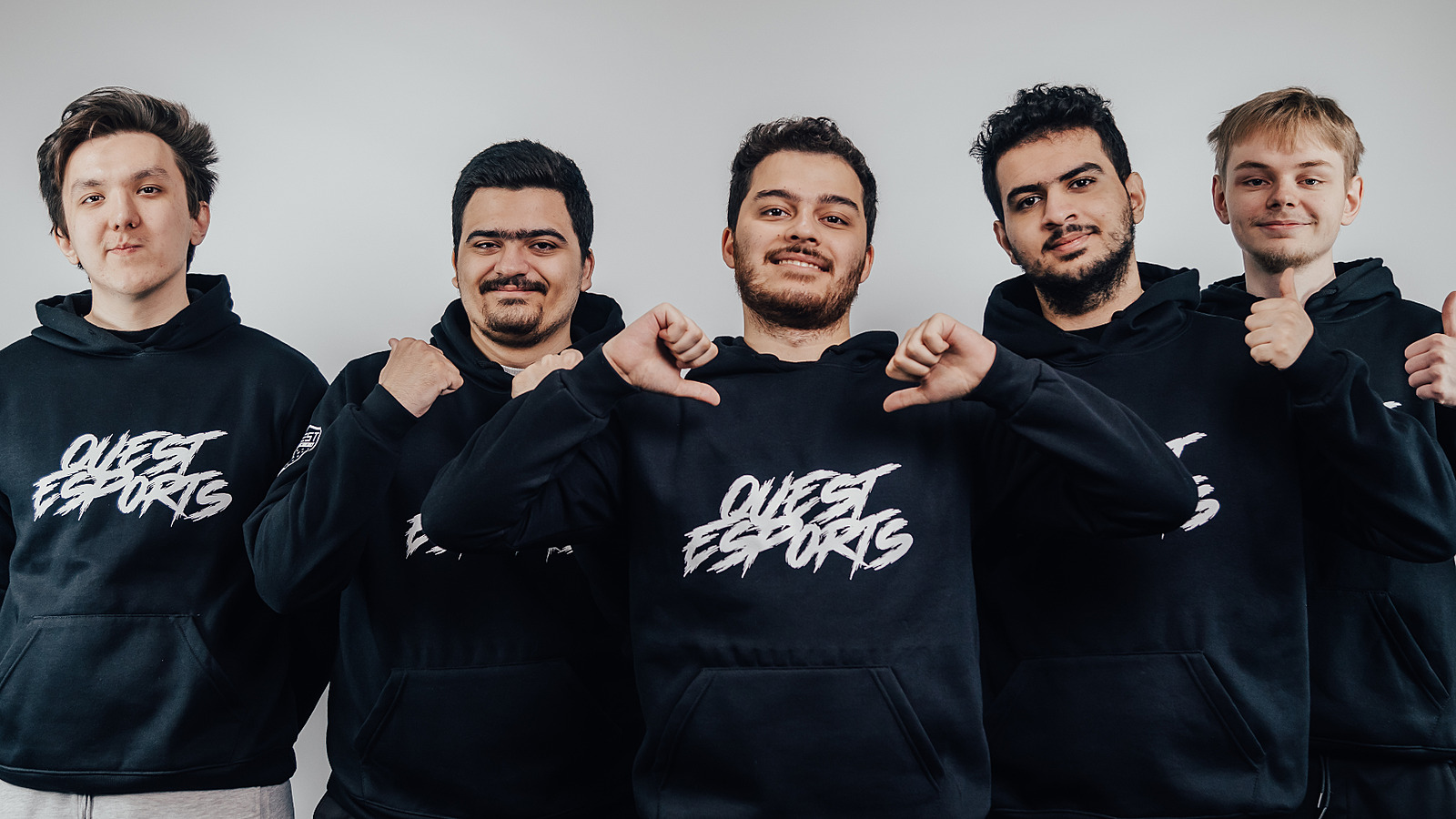
— In the Group Stage you played the longest game on Valve events. How confident were you in your late game with Medusa?
— Limited confidence characterized our late-game outlook, primarily due to the opponent’s Dark Seer selection—a direct Medusa counter. Our strategic intention focused on accelerated victory timing rather than extended engagements.
The Chen oversight during drafting granted them early game tempo control, forcing the extended match duration. When we fell behind by 15k gold and survived their high-ground assault, the momentum shift created one of the most memorable comebacks in competitive Dota history. This experience taught us lessons about endurance that would benefit any team studying our Weapons Unlock approach to resource management.
— What were you thinking during this game?
— We maintained surprisingly positive morale throughout the 50-minute base defense. Our team developed coping mechanisms through humor, joking about our demographic advantages creating eventual victory conditions. Maintaining psychological stability during such marathon matches separates elite teams from merely competent ones.
— What did you feel afterwards? Were you exhausted?
— While physically draining, our mental state remained remarkably resilient. We genuinely believed we could secure the second map victory despite the exhaustive nature of the first game.
— NS [Russian community caster and ex-pro] picked you as his favorite team to watch, and said that you will reach top-4. You think his prediction is right?
— Our competitive identity has fundamentally evolved beyond the dark horse categorization. Opposing teams now dedicate specific preparation resources against our strategies and play patterns. While predictions remain uncertain, our ambition focuses on maximum tournament advancement and continued development as a cohesive unit.
Quest Esports faces their inaugural Bali Major playoffs match against Team Aster on July 5 at 15:15 CEST. The victorious squad secures top-6 placement with minimum 400 DPC points. Quest, currently holding 232 points, maintains realistic direct qualification prospects for The International 2023, representing the culmination of their strategic transformation journey.
Action Checklist
- Establish professional infrastructure with pre-tournament bootcamps and dedicated coaching staff
- Implement robust player contracts with meaningful buyout clauses to prevent roster instability
- Develop strategic communication frameworks for each role, particularly emphasizing offlane leadership
- Create psychological resilience training programs for marathon match scenarios
- Build complementary player partnerships that balance technical skill with communication strengths
No reproduction without permission:Game Guides » “In terms of mentality ATF is the best teammate I’ve ever played with”. Quest.TA2000 on Ammar reputation and playing longest game at Valve events Quest Esports' rise from dark horses to Bali Major contenders through strategic roster changes and mental resilience