
TL;DR
- Interactive maps reveal all resource locations including supply pods, password boxes, and rare materials
- Custom marking systems allow personalized navigation and resource tracking across multiple zones
- Strategic exploration planning saves hours of wandering and maximizes collection efficiency
- Platform-optimized controls enhance mobile and PC exploration experiences differently
- Community-driven map updates ensure real-time accuracy for new content and changes
Games and Esports Articles
Tower of Fantasy represents Hotta Studio’s ambitious entry into the anime MMORPG landscape, delivering a post-apocalyptic sci-fi experience across PC, iOS, and Android platforms. The global launch occurred on August 11, marking the beginning of widespread exploration across its vast landscapes. Players encounter a deeply engaging universe combining character customization, environmental puzzles, and dynamic combat systems that seamlessly blend PvE challenges with competitive PvP elements.
What truly distinguishes this title is its emphasis on open-world discovery, encouraging players to venture beyond main storylines to uncover hidden treasures and secrets. The game’s exploration mechanics reward thorough investigation of every region, with verticality playing a crucial role in navigation. Unlike traditional MMOs, Tower of Fantasy incorporates mobility options like grappling hooks and gliders that transform how players interact with the environment, making map knowledge particularly valuable for efficient progression.
The community-developed interactive mapping tool revolutionizes how adventurers approach Tower of Fantasy’s expansive world. Accessible through dedicated gaming portals, this resource provides comprehensive coverage of all currently available zones and their contents. The interface displays categorized markers for essential resources including supply pods containing valuable gear, password boxes with exclusive rewards, wildlife spawn locations for crafting materials, mineral deposits for weapon enhancement, and botanical resources for consumable creation.
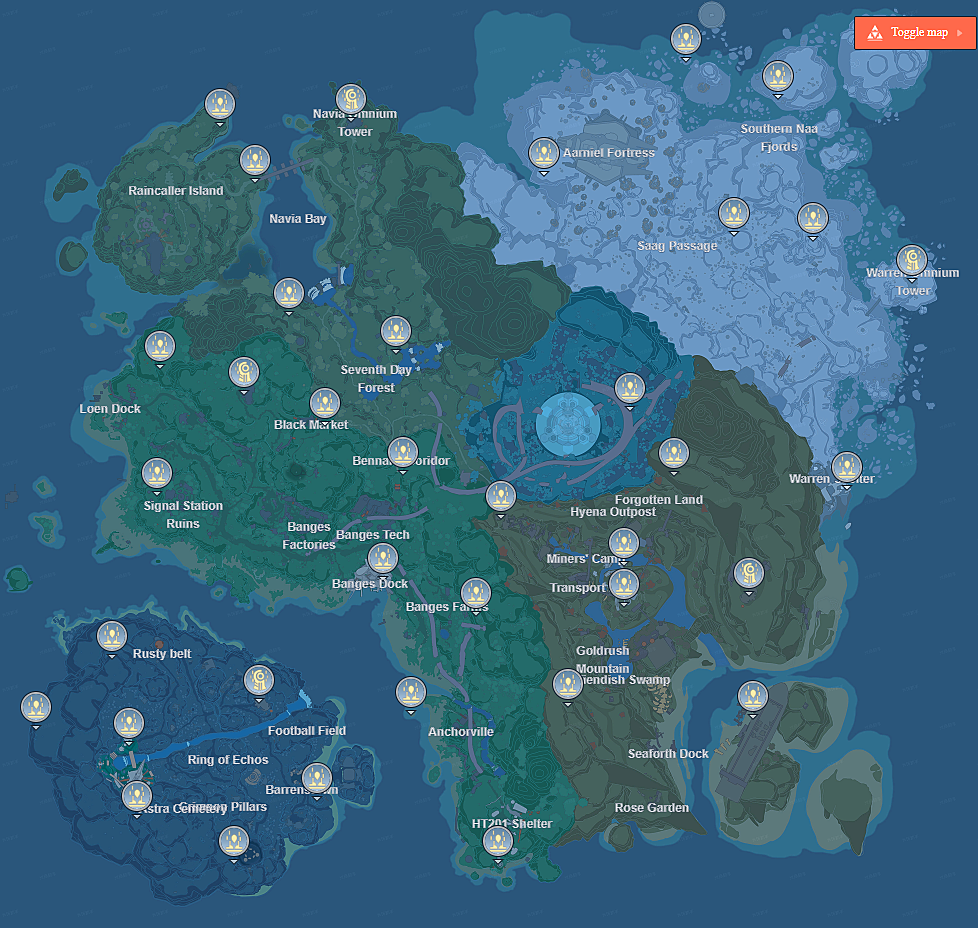
Beyond basic navigation, the map system enables personalized annotation capabilities. Users can place custom waypoints with descriptive notes, creating personalized treasure maps for future reference. This functionality proves invaluable for tracking rare spawn locations, documenting puzzle solutions, and marking unfinished exploration objectives across multiple gaming sessions. The collaborative nature of these tools means community contributions continuously enhance accuracy and completeness.
Advanced filtering options allow players to display only relevant resource types, reducing visual clutter during focused farming sessions. Layer controls separate exploration markers from story objectives, while search functions help locate specific items by name or category. Real-time updates ensure new content additions appear promptly following game patches and expansions.
Seasoned explorers recommend systematic zone clearing rather than random wandering to maximize efficiency. Begin each new area by activating all teleportation points, then methodically work through sectors using the map’s grid system. This approach typically reduces exploration time by 30-40% compared to unstructured discovery. Prioritize supply pods and password boxes first, as these often contain progression-critical resources and currency.
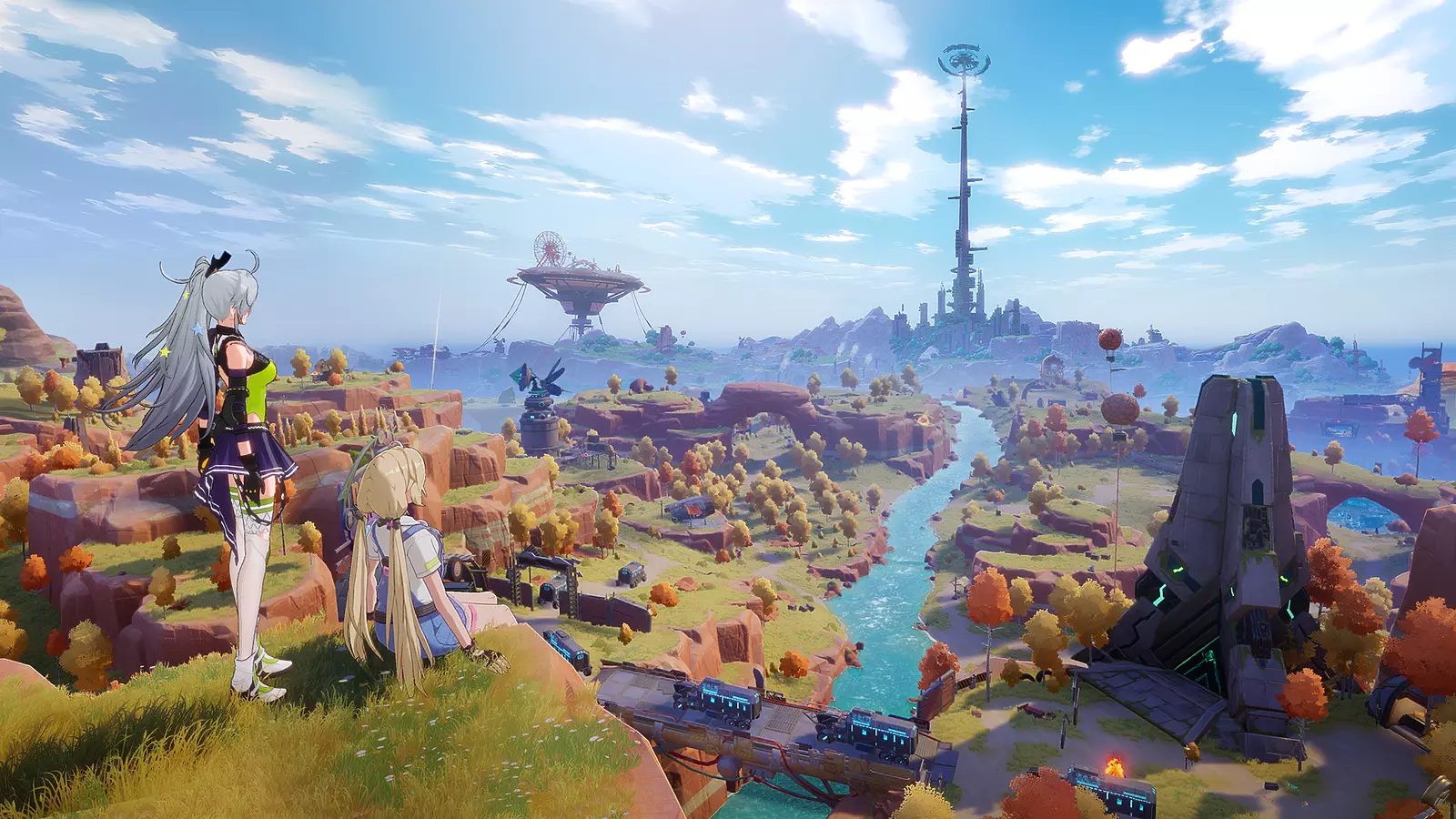
Avoid common navigation errors like neglecting elevation differences—many resources occupy multiple vertical levels within the same geographic coordinates. Utilize the game’s climbing and gliding mechanics to access hard-to-reach locations that might not appear connected on 2D maps. Mobile players should leverage touchscreen precision for marker placement, while PC users benefit from keyboard shortcuts for rapid map navigation.
For optimal performance, schedule major exploration sessions during off-peak hours when server responsiveness improves navigation fluidity. Coordinate with alliance members to share discovered locations, effectively crowdsourcing comprehensive map coverage. Regular map updates typically require 15-20 minutes of review following major content patches to reorient yourself with new points of interest.
Understanding spawn mechanics dramatically improves resource gathering efficiency. Most collectibles respawn within 24-48 hours, while world bosses and special events follow predictable schedules documented in community resources. Cross-reference your interactive map with external guides like our Complete Guide for advanced strategic insights that complement exploration activities.
Action Checklist
- Bookmark the interactive map and configure filters for your current resource needs
- Activate all teleporters in new zones before beginning detailed exploration
- Mark 5-10 key resource locations with custom notes for future farming routes
- Cross-reference with weapon upgrade requirements from our Weapons Unlock guide
- Coordinate with alliance members to fill exploration gaps and share rare spawn locations
No reproduction without permission:Game Guides » Interactive map Tower of Fantasy. Full map resources and exploration ToF Master Tower of Fantasy exploration with interactive maps, resource guides, and expert navigation strategies