
TL;DR
- Master ingredient selection using high-star components to boost dish deliciousness ratings
- Utilize cooking stations strategically to manipulate texture profiles for flavor bonuses
- Unlock advanced recipes by hosting Shared Meals and satisfying villager preferences
- Optimize friendship experience gains through perfectly prepared dishes with texture bonuses
- Balance crispy vs. tender textures using frying pans and mixing bowls effectively
How to cook and gain a flavor bonus in Tales of the Shire
Cooking represents the most sophisticated gameplay system in Tales of the Shire, requiring mastery of multiple preparation techniques including chopping, mixing, frying, and seasoning. Successfully navigating these culinary challenges transforms you from novice cook to celebrated chef, earning admiration throughout Bywater. The journey demands dedication, but the rewards include both culinary mastery and social prestige among Hobbit society.
This comprehensive guide covers everything from basic cooking principles to advanced flavor enhancement strategies in Tales of the Shire.
To begin cooking, access your kitchen interface and select “start cooking.” You can choose from any unlocked recipes provided you possess the necessary components. The game’s integrated systems—fishing, foraging, and gardening—yield fish, fruits, vegetables, nuts, and seasonings. Store-purchased items like meat, flour, barley, milk, and other “miscellaneous” ingredients complete your pantry. Recipe expansion occurs through Shared Meal events where satisfying villager cravings and flavor preferences unlocks new culinary options.
After selecting your recipe, proceed to ingredient selection. Recipes specify either particular ingredients (rhubarb) or categories (vegetables). For category-based selections, any matching ingredient from your inventory qualifies—whether rhubarb, lettuce, cucumber, or other vegetables.
Prioritize ingredients with elevated deliciousness ratings; higher-star components directly improve the final dish’s star rating. Superior dish quality translates to increased friendship experience when serving meals to companions. The conversion ratio varies with recipe complexity—each additional ingredient star typically contributes 0.2-0.25 stars to the final dish. Through ingredient quality alone, dishes can achieve up to three deliciousness stars.
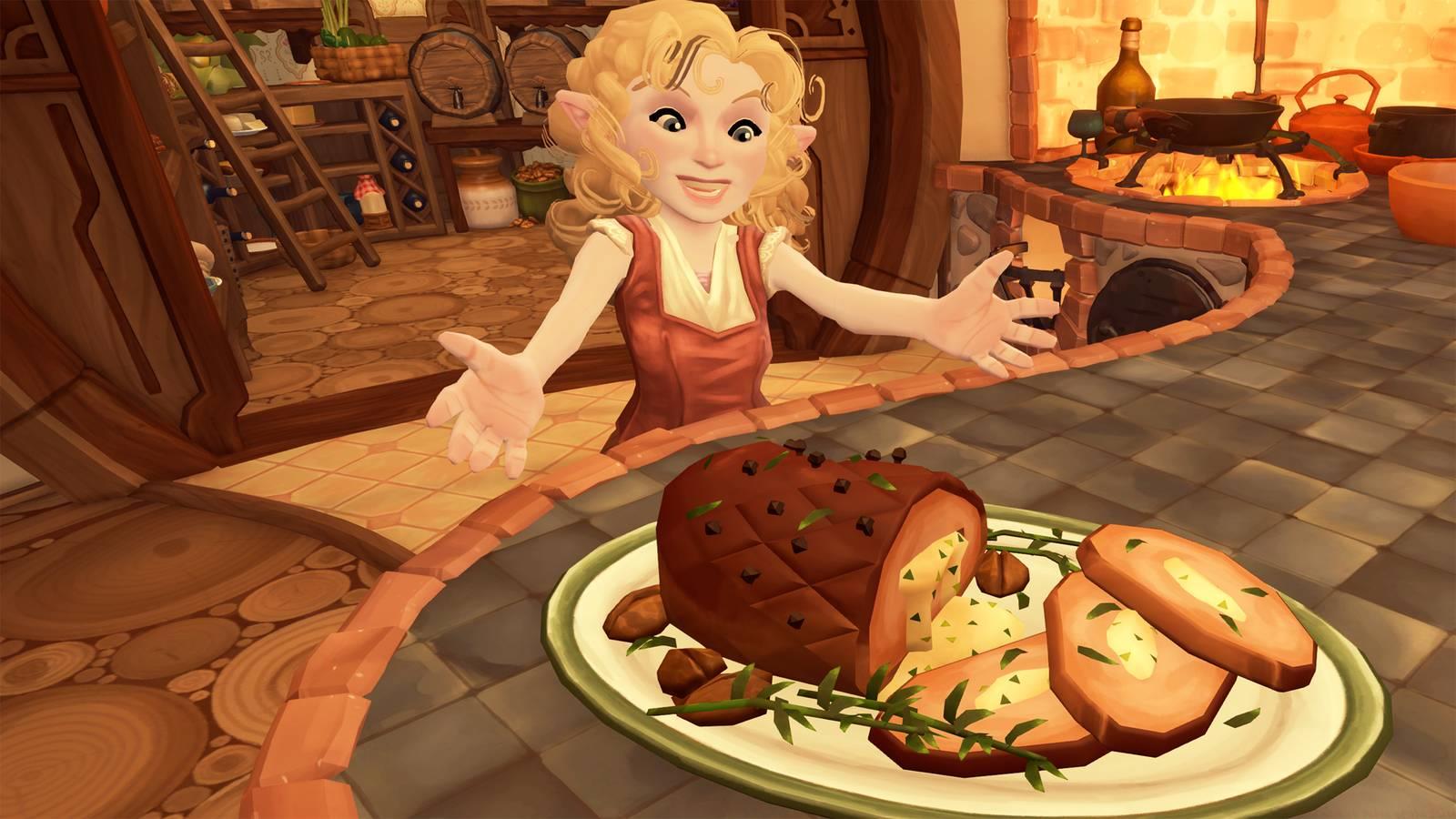
Next, advance to ingredient preparation. Early gameplay provides basic equipment: chopping board and frying pan. Additional stations unlock progressively. Some ingredients like oats or milk proceed directly to the assembly bowl, while others (fish, fruits, vegetables) require chopping. The interface clearly indicates mandatory chopping steps. Frying remains optional but affects texture outcomes.
To maximize deliciousness scores, monitor the texture chart in the screen’s lower-right corner. The miniature star indicator reveals optimal texture positioning—navigating the dish icon into proximity with this star grants +1 deliciousness point. The accompanying image demonstrates perfect texture alignment yielding this bonus.
Texture manipulation occurs through these primary methods:
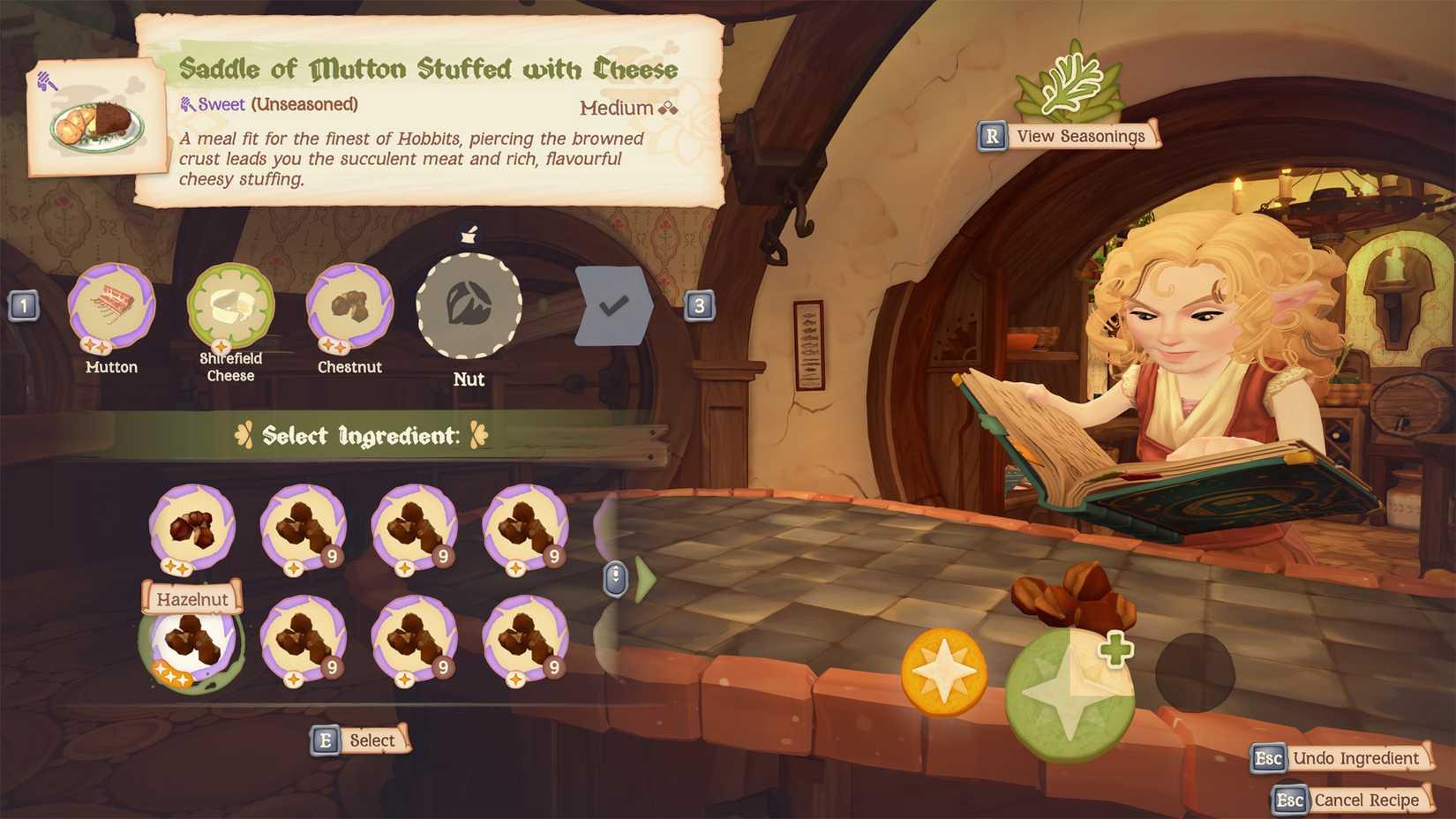
Image: Wētā Workshop via Polygon
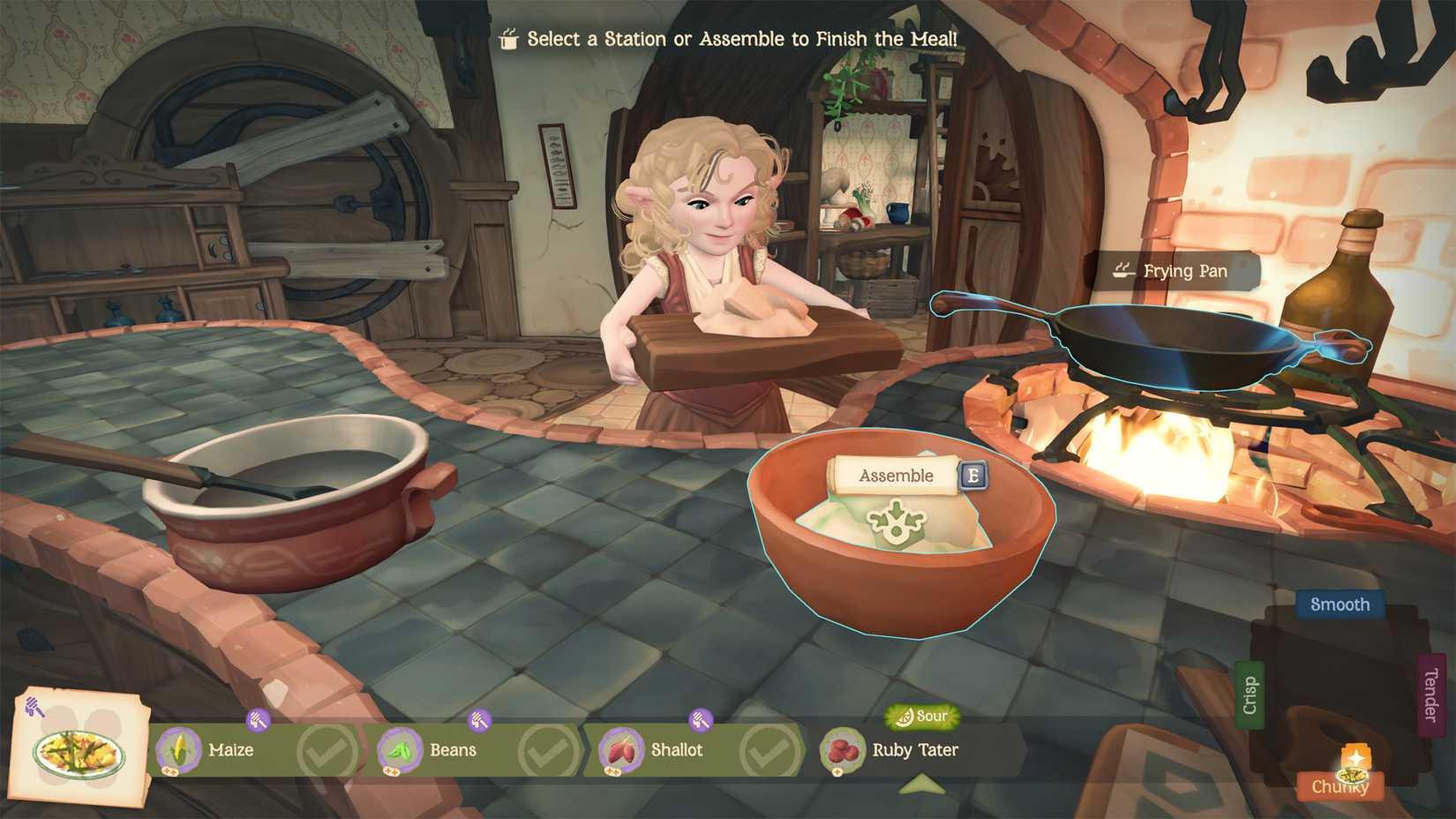
Image: Wētā Workshop via Polygon
Advanced players should note that ingredient preparation order significantly impacts texture outcomes. Chopping ingredients before frying often yields superior crispiness, while adding dairy components last maintains tenderness. Experiment with sequencing to discover optimal combinations for each recipe type.
Common mistakes include over-frying delicate ingredients, which can reduce deliciousness scores, and neglecting to balance texture profiles. Remember that achieving the perfect texture bonus often requires subtle adjustments rather than extreme positioning on either axis.
Mastering texture manipulation separates competent cooks from culinary experts in Tales of the Shire. The delicate balance between crispy and tender textures requires understanding how each cooking station affects your dish’s position on the texture chart.
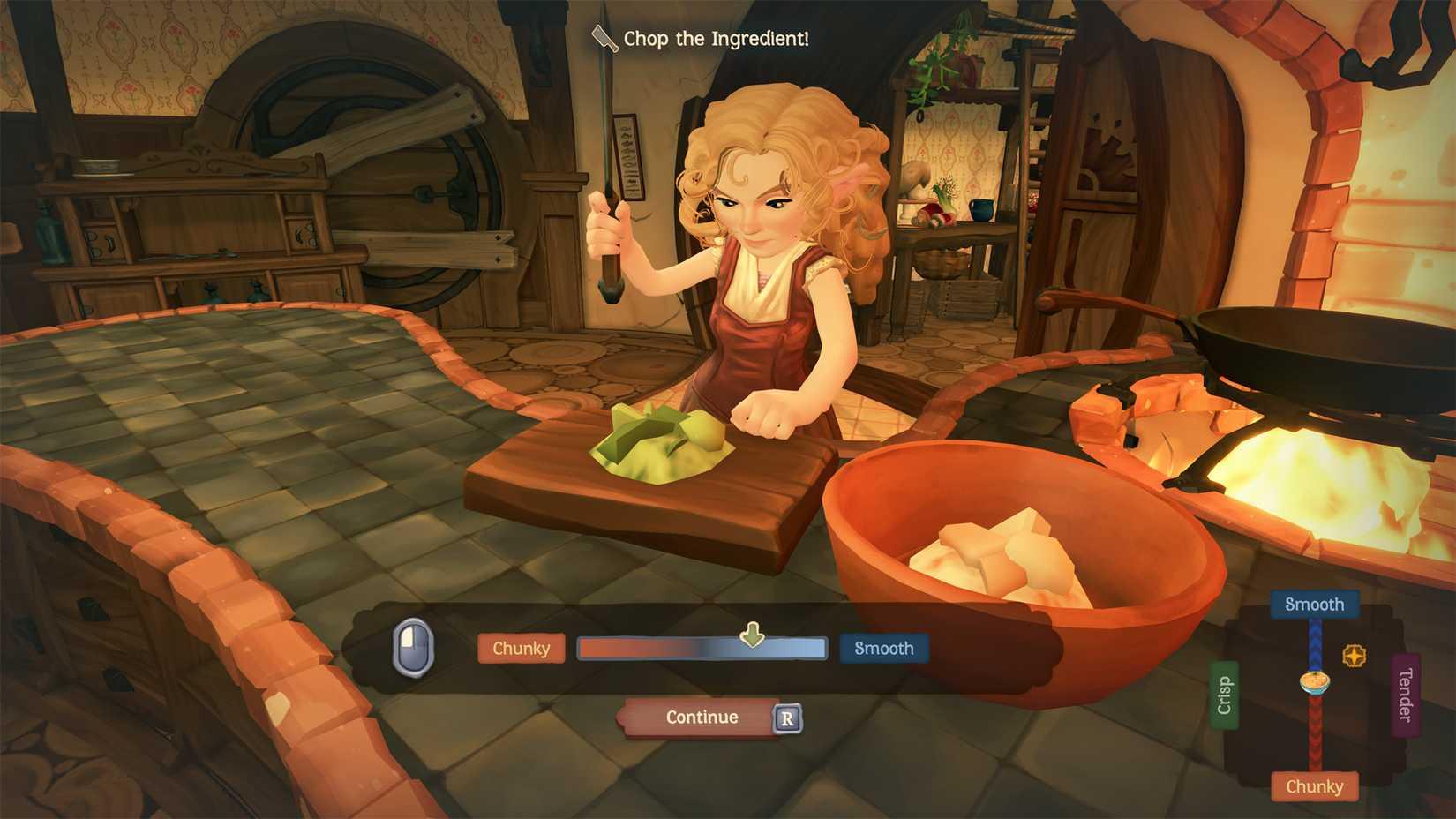
Image: Wētā Workshop via Polygon
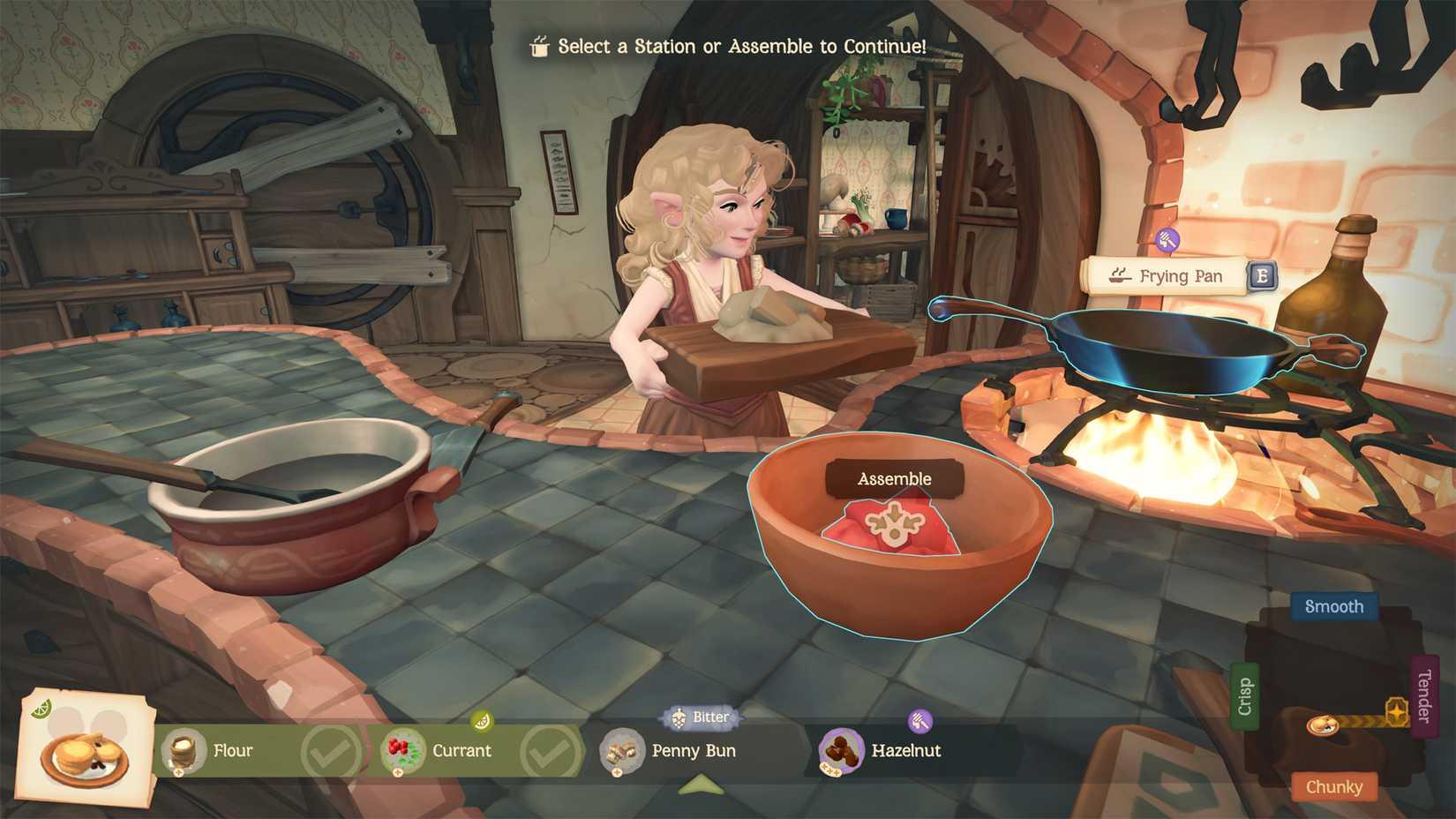
Image: Wētā Workshop via Polygon
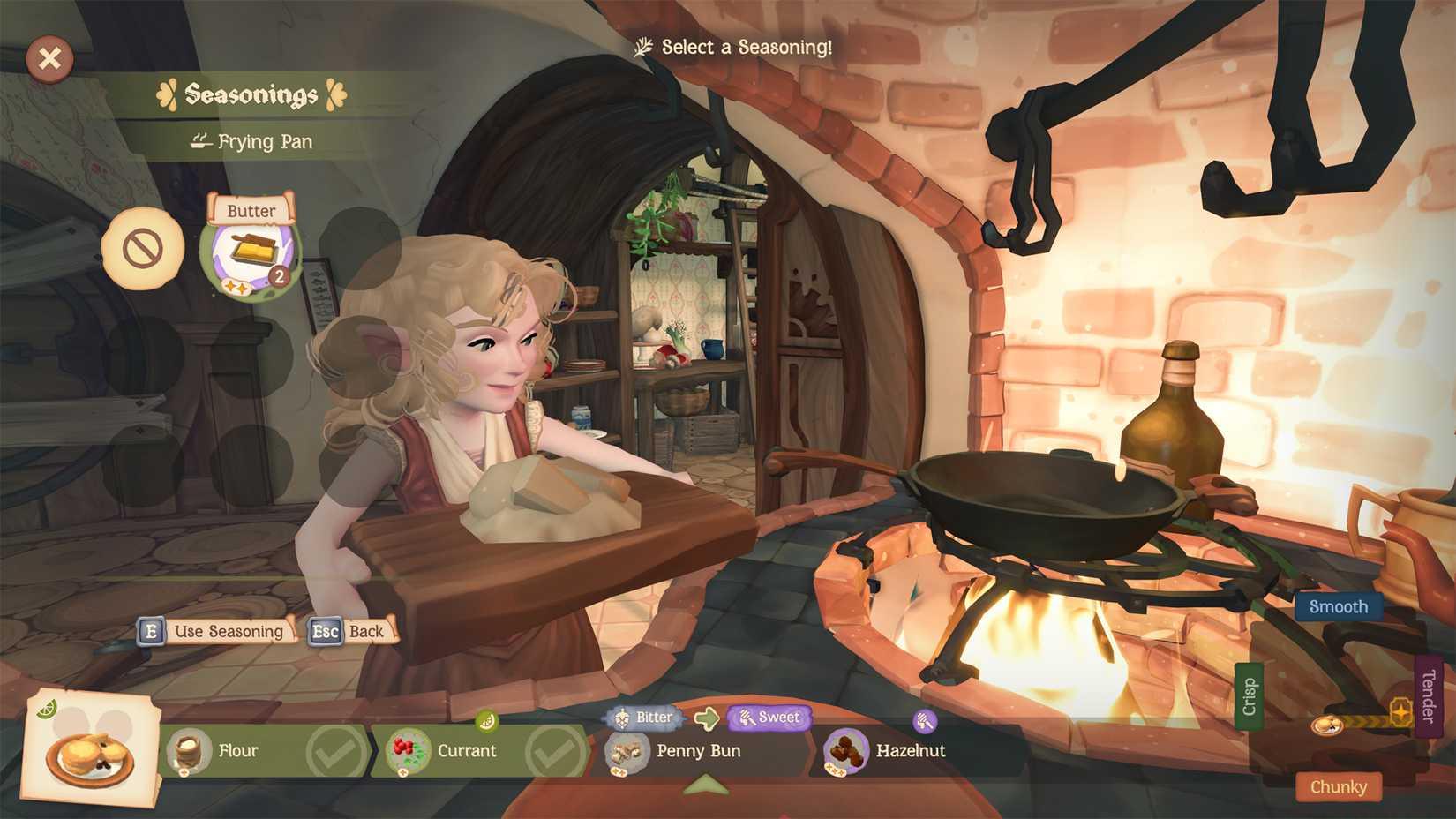
Image: Wētā Workshop via Polygon
For optimal flavor bonus achievement, focus on incremental texture adjustments. The star’s position varies slightly between recipes, requiring careful observation. Pro chefs recommend making small station adjustments, then checking texture movement before proceeding. Rushed movements often overshoot the optimal position.
The friendship experience rewards from perfectly cooked dishes substantially accelerate relationship building with Bywater residents. A three-star dish with texture bonus can provide up to 50% more friendship points than a basic preparation. This makes culinary mastery essential for players focused on social progression.
Advanced strategy involves matching ingredient star ratings with complementary texture profiles. High-quality ingredients often respond better to subtle texture adjustments, while lower-quality components may require more dramatic preparation to achieve similar results. This nuanced approach to cooking optimization separates master chefs from casual cooks in Tales of the Shire.
Like mastering complex game systems in our Weapons Unlock guide, cooking proficiency comes through practice and understanding underlying mechanics. The satisfaction of serving perfectly prepared dishes mirrors the accomplishment of optimizing other game systems.
Action Checklist
- Gather high-star ingredients through fishing, foraging, and gardening
- Host Shared Meals to unlock new recipes from villager preferences
- Practice texture manipulation using frying pan and mixing bowl stations
- Achieve perfect texture alignment for flavor bonus on 5 different recipes
- Serve three-star dishes with texture bonuses to maximize friendship gains
No reproduction without permission:Game Guides » How to cook in Tales of the Shire Master cooking mechanics, flavor bonuses, and ingredient optimization in Tales of the Shire