
TL;DR
- Valve’s October 23 update enabled 5 covert skins to trade for gold items, flooding the market
- Market capitalization dropped from $6B to $3.5B in 30 hours due to panic selling
- Theories suggest preparation for case removal amid global gambling regulations
- No conclusive evidence of insider trading despite widespread speculation
- Prices expected to stabilize as actual gold item supply remains limited
Games and Esports Articles CS 2
The gaming community witnessed unprecedented market turbulence on October 23 when Valve deployed a controversial CS2 update. This single patch triggered a catastrophic decline in skin valuations, erasing approximately $2.5 billion in market capitalization within a mere 30-hour window. The rapid devaluation caught both casual collectors and professional investors off guard, with numerous traders reporting seven-figure portfolio losses. Industry analysts remain divided on Valve’s strategic motivations, prompting extensive speculation about the company’s long-term vision for the virtual economy.
Understanding this market collapse requires examining the fundamental mechanics introduced. The update revolutionized trade-up contracts by permitting direct conversion of five covert-grade (red) weapon finishes into single gold-tier items like knives and gloves. This structural change fundamentally altered supply dynamics, particularly affecting the lower-end red skins that previously held minimal utility for most players. The sudden influx of gold items into the market created immediate downward price pressure across multiple skin categories.
Valve’s revised trade-up system represents the most significant economic overhaul in CS2’s history. Players can now combine five covert skins—typically the second-highest rarity tier—to receive one gold item, which includes highly coveted knives and gloves. This mechanism specifically targeted the oversupply of inexpensive red weapons that previously served little practical purpose in the ecosystem. The resulting surge in gold item availability naturally depressed market prices through basic supply-demand principles.
Valve allows trade-ups of knives and gloves for Covert skins, adds Retakes as official game mode
The market impact intensified due to trade restrictions placed on newly crafted gold items. Valve initially provided ambiguous guidance about future market availability, creating uncertainty that amplified selling pressure. The clarification that emerged post-update confirmed that gold items would inherit trade cooldowns from their component skins, effectively locking newly acquired premium items from immediate resale. This restriction created a paradoxical situation where increased gold item production didn’t translate to immediate market liquidity.
Industry insider and dataminer Maksim “Gabe Follower” Poletayev posits that this update serves as preparatory groundwork for eventual case removal. Global regulatory bodies have increasingly classified loot boxes as gambling mechanisms, implementing stricter oversight across multiple jurisdictions. This regulatory pressure appears to be accelerating, forcing game developers to reconsider randomized reward systems.
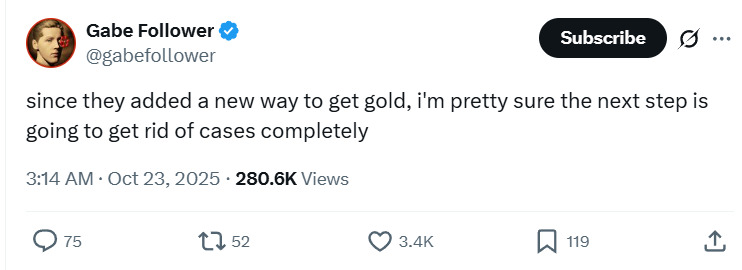
Valve’s recent introduction of Genesis Terminals demonstrates their strategic pivot toward deterministic acquisition systems. These terminals employ a transparent purchase model where players know exactly which skin they’re acquiring, eliminating the gambling elements that concern regulators. The absence of gold items from Genesis crates suggests Valve may be testing alternative distribution methods for premium content.
What is Genesis Uplink Terminal. How Genesis skin collection is obtained
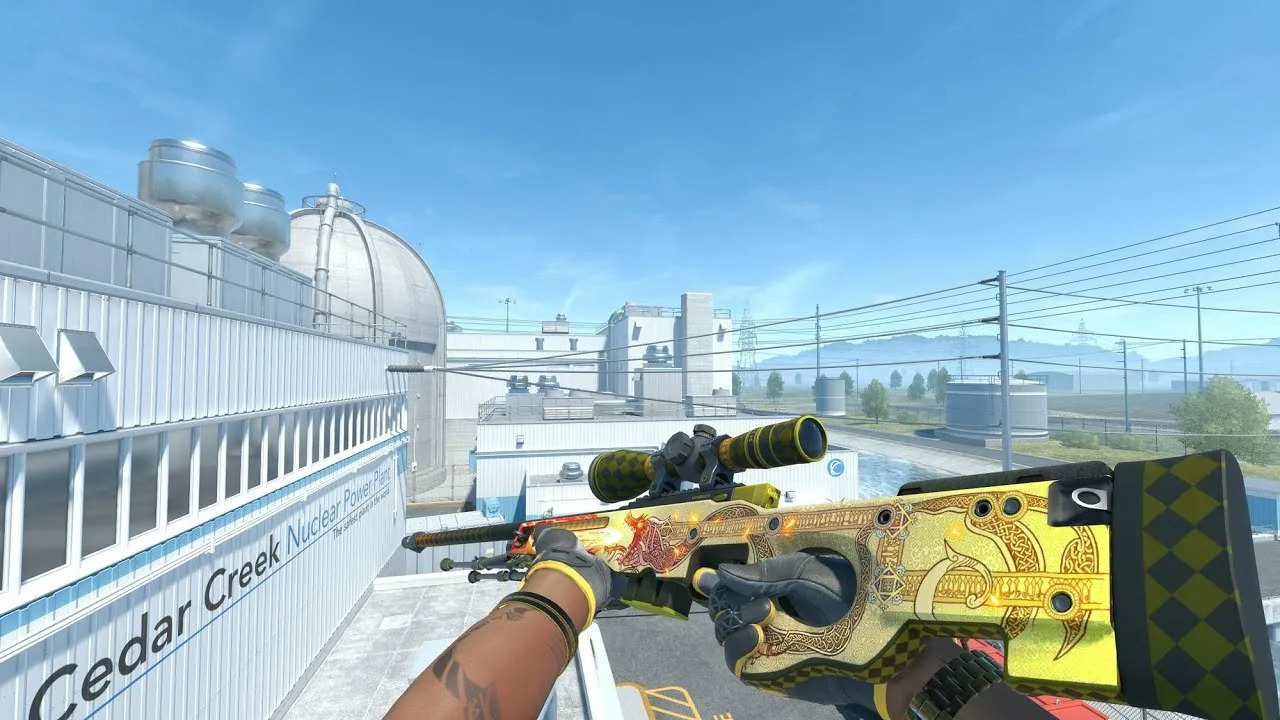
New way to purchase gun finishes in CS2.
The primary challenge with the case removal theory lies in Valve’s design choices. Developers could have integrated gold items directly into Genesis Terminals but deliberately chose not to. This suggests either technical constraints or strategic considerations that haven’t been publicly disclosed. The community continues to debate whether this represents a temporary transitional phase or a permanent market restructuring.
Widespread speculation suggests certain parties may have possessed advance knowledge of the impending market changes. Individuals with insider information could have strategically accumulated undervalued red skins before the announcement, positioning themselves for substantial profits during the subsequent market volatility. Many community members initially suspected coordinated activity within Chinese trading circles, given their significant market influence.
However, market surveillance from traders monitoring Chinese activity revealed no abnormal purchasing patterns preceding the update. Market participants reported standard trading volumes and conventional investment strategies throughout the pre-announcement period. The absence of suspicious pre-update activity patterns challenges the insider trading narrative, though the theory persists among skeptical investors.
Prominent trader TDM_Heyzeus theorizes that Valve’s primary objective involved correcting price disparities between red skins and their theoretical values. Numerous covert weapons had become essentially worthless within the ecosystem, serving neither practical nor investment purposes. The intended economic rebalancing should have theoretically decreased gold item valuations while increasing red skin prices, creating a more harmonious market structure.
The market response diverged dramatically from theoretical expectations. Instead of localized price adjustments, traders experienced a catastrophic loss of confidence—the fundamental pillar supporting skin market growth. Virtual items previously considered stable investments suddenly appeared vulnerable to unilateral developer intervention.
According to Heyzeus’s analysis, investors recognized that their holdings could be devalued by a single patch deployment. This realization triggered precautionary selling, creating a domino effect that amplified the initial market shock. Despite the dramatic price movements, the trader maintains that market stabilization is inevitable due to limited red skin availability constraining long-term gold item supply.
“That was in no way related to the fact that we were playing against women.” TS academy player K0gaSs apologizes to Imperial Female for harassment
Action Checklist
- Monitor red skin inventory levels to gauge potential gold item supply increases
- Track trade restriction timelines for newly crafted gold items
- Analyze Genesis Terminal adoption rates as indicator of case removal likelihood
- Set price alerts for key covert skins to identify market stabilization
- Diversify skin portfolio across multiple rarity tiers to mitigate single-update risk
No reproduction without permission:Game Guides » Why Valve crashed skins market? All theories and speculations about October skin price drops in CS2 Analyzing the October CS2 skin market crash: Valve's update impact, insider theories, and recovery strategies