
TL;DR
- Mushrooms spawn primarily on tree trunks across all maps, with highest concentrations in Dam Battlegrounds
- Leveling Scrappy with mushrooms significantly boosts passive resource gathering efficiency
- Hydroponic Dome Complex and swamp areas offer the most reliable mushroom spawn locations
- Environmental scanning and systematic route planning drastically reduce collection time
- Advanced players should prioritize mushroom collection during early to mid-game progression
If you’re aiming to become a master forager in the post-apocalyptic landscape
Mushrooms in Arc Raiders represent a crucial category of consumable resources that serve as specialized nourishment for Scrappy, your automated resource-collection companion. This mechanical rooster functions as your primary passive income source for essential materials, having previously required fruits like apricots, citrus varieties, cactus fruits, and Mediterranean olives. The fungal progression follows a logical nutritional sequence, though mushrooms present unique collection challenges due to their sporadic distribution patterns and specific environmental requirements that differ significantly from other food items.
Enhancing Scrappy’s capabilities through proper feeding directly translates to improved resource acquisition rates while you engage in surface activities. Whether you’re experiencing shortages of industrial chemicals, textile materials, metallic components, or synthetic rubber elements, an upgraded Scrappy becomes your most reliable automated supplier. This comprehensive guide details the optimal locations and strategies for acquiring mushrooms throughout Arc Raiders.

Mushrooms in Arc Raiders appear across all available maps, with their primary spawning location being the bark surfaces of various tree types. However, experienced foragers have identified several zones with substantially improved spawn probabilities and cluster densities:
- Hydroponic Dome Complex and adjacent woodland areas (notable for consistent spawn clusters)
- Tree bark surfaces throughout the Swamp biome (particularly near water edges)
- Industrial piping systems in Water Treatment Control facilities
- Small Creek drainage areas with moist environmental conditions
- Traditional wicker containers scattered throughout residential districts
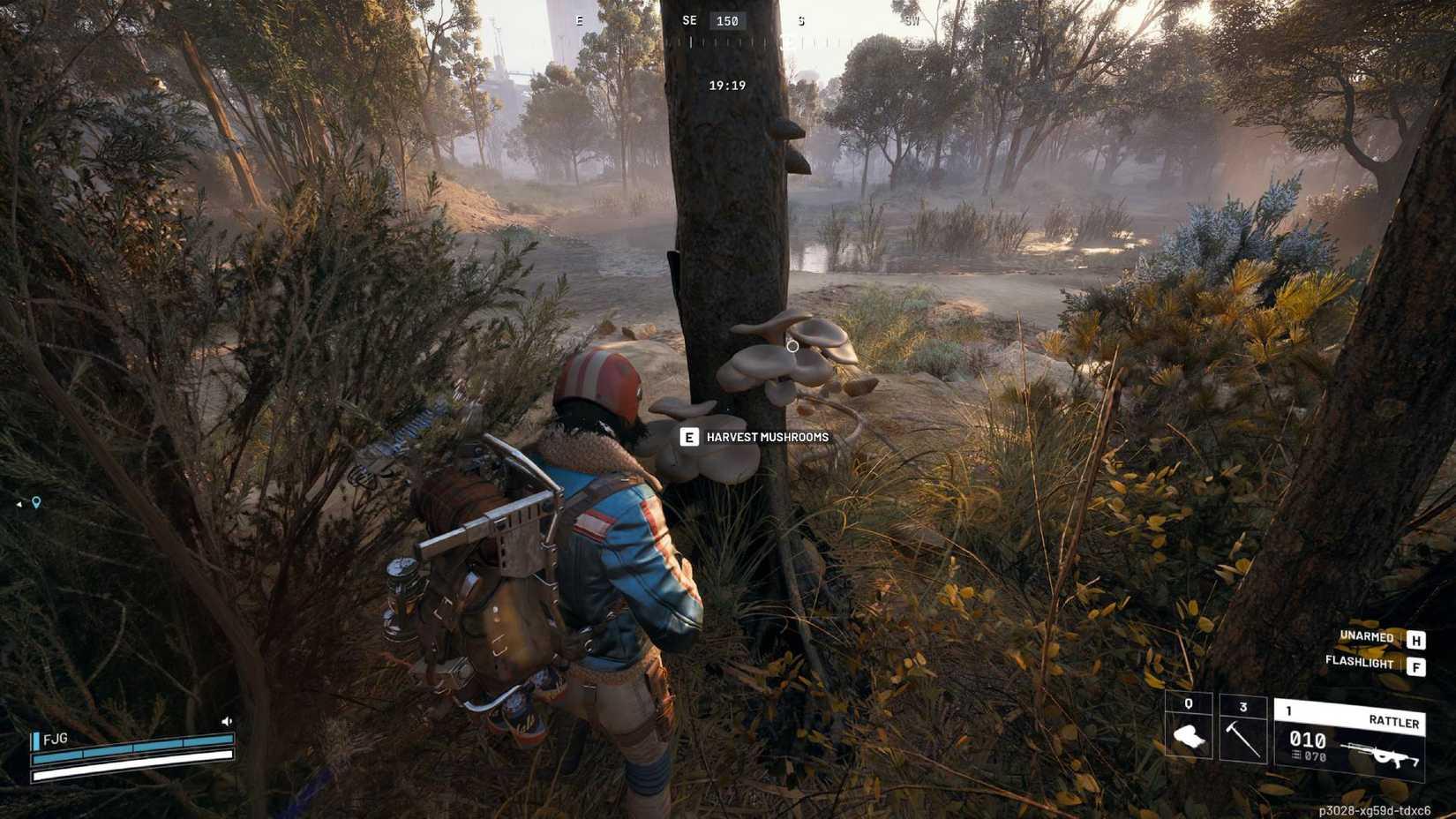
Image: Embark Studios via Polygon
Seasoned players recommend implementing systematic scanning patterns when searching for mushrooms, as their coloration often blends with environmental surfaces. Begin each foraging session by thoroughly examining tree trunks in Dam Battlegrounds areas, paying particular attention to the shaded sides where fungal growth typically concentrates. The moist microclimates near Water Treatment Control piping and Swamp waterways frequently host multiple mushroom clusters within close proximity.
A common mistake involves rushing through areas without proper environmental scanning – mushrooms often spawn at varying heights on tree surfaces, requiring deliberate visual inspection. Optimal collection routes should prioritize the Hydroponic Dome Complex perimeter before moving to swamp-adjacent woodlands, as this sequence maximizes time efficiency. Advanced players can typically complete a full mushroom collection circuit within 15-20 minutes during optimal spawning conditions.
For those struggling with consistent finds, consider adjusting your graphical settings to enhance environmental contrast, making mushrooms more visually distinguishable from bark textures. Additionally, coordinating foraging sessions with other players can significantly improve efficiency through area division strategies, though this requires careful loot distribution planning to ensure equitable resource sharing.
The investment in mushroom collection directly correlates with Scrappy’s resource generation capabilities, with each feeding level increasing passive material acquisition rates by approximately 15-20%. This progression system creates a compounding benefit structure where early mushroom investment yields substantial long-term resource advantages. Players who consistently maintain Scrappy’s nutritional requirements typically report 30-40% higher overall resource accumulation compared to those who neglect this mechanic.
Strategic mushroom usage becomes particularly crucial during mid-game progression when resource demands escalate for advanced equipment crafting and base development. The automated nature of Scrappy’s resource generation means that time invested in mushroom collection continues paying dividends during combat missions, exploration activities, and even offline periods. This makes mushroom foraging one of the most time-efficient long-term investment activities available to Arc Raiders players.
For comprehensive guidance on optimizing your overall gameplay approach, consult our Complete Guide to master fundamental mechanics and advanced tactics.
Action Checklist
- Prioritize Dam Battlegrounds Hydroponic Dome Complex for initial mushroom collection
- Systematically scan tree trunks in swamp areas using deliberate visual inspection patterns
- Check Water Treatment Control piping and Buried City residential containers for additional spawns
- Feed collected mushrooms to Scrappy to unlock enhanced resource generation levels
- Coordinate with squad members for efficient area division and collection optimization
No reproduction without permission:Game Guides » Where to find mushrooms in Arc Raiders Complete guide to finding mushrooms in Arc Raiders for optimal Scrappy pet progression